
Thiamine, commonly known as vitamin B1, is an essential nutrient that your body needs to convert food into energy. Found in a wide array of foods, thiamine has a critical role in the maintenance of proper cellular function and supports a broad spectrum of bodily functions, particularly those of the nervous and cardiovascular systems. It is one of the eight water-soluble vitamins in the B complex, which means it dissolves in water and is not stored in the body, making regular intake necessary.
However, despite its presence in many common foods, thiamine deficiencies are not uncommon and can lead to serious health problems. Symptoms can range from mild fatigue and irritability to more severe conditions like beriberi and Wernicke’s encephalopathy. Thus, it’s important to be aware of the sources of thiamine and to ensure you’re getting enough through your diet or supplements, if necessary. Being attentive to thiamine intake can support overall health and, in some cases, may be required in larger doses to address specific health issues.
Key Takeaways
- Thiamine is crucial for energy conversion and supports nervous and cardiovascular health.
- Regular intake is necessary due to its water-soluble nature and the body’s inability to store it.
- Adequate thiamine consumption prevents deficiency-related health issues.
The Fundamentals of Thiamine
As you explore the world of vitamins, understanding thiamine is key to recognizing how essential nutrients support your health. This water-soluble vitamin is foundational to numerous bodily functions.
What Is Thiamine?
Thiamine, also known as vitamin B1, is an essential nutrient your body needs to function correctly. You must acquire this vitamin through your diet, as your body doesn’t produce it naturally. Foods rich in thiamine include whole grains, meat, and fish. As a water-soluble vitamin, thiamine is not stored in large amounts in the body and needs to be consumed regularly.
Roles and Functions in the Body
Thiamine plays a critical role in energy metabolism, helping convert nutrients into energy — a process essential for every cell. In particular, it is a coenzyme that helps the body turn carbohydrates into glucose, which is used for energy. Additionally, thiamine is key for proper muscle, nervous system, and heart function. The link between thiamine and heart health is particularly notable, as adequate levels help maintain the muscle’s strength and prevent conditions like heart failure. Moreover, having sufficient thiamine is linked to positive outcomes in maintaining a healthy nervous system and improving cardiovascular functioning.
Health Benefits of Thiamine
Thiamine, or vitamin B1, is a crucial nutrient that plays an instrumental role in maintaining various bodily functions. Your health can significantly benefit from the adequate intake of thiamine, especially in areas such as heart health, energy metabolism, brain function, and nervous system support.
Cardiac Function and Heart Health
Your heart relies heavily on thiamine to produce the energy required for it to pump effectively. Insufficient thiamine can lead to issues like congestive heart failure, where the heart doesn’t pump blood as well as it should. Thiamine supplementation has been linked to improved symptoms and outcomes in those with certain causes of heart failure, highlighting its importance in cardiac health.
Energy Production and Metabolism
Thiamine plays a pivotal role in the metabolism of carbohydrates, transforming them into the energy that your cells can use. It’s vital for the energy production that keeps your body’s cells functioning optimally. Without adequate thiamine, cells would struggle to generate energy, leading to feelings of fatigue and weakness.
Brain Health and Cognitive Function
Adequate levels of thiamine are essential for maintaining your cognitive function, as the brain utilizes glucose for energy, and thiamine is crucial for glucose metabolism. Thiamine deficiency can adversely affect brain function, resulting in confusion, memory loss, and reduced cognitive abilities.
Nervous System Support
The nervous system also depends on thiamine. It helps in the maintenance of muscle tone along the walls of the digestive tract and promotes the health of the nervous system, eyes, skin, and hair. A deficiency in thiamine can lead to nerve damage, affecting coordination and muscle strength.
Thiamine in the Diet
Incorporating thiamine into your diet is critical for energy production and overall health. Let’s explore the food sources that can help you meet your daily thiamine needs.
Natural Food Sources
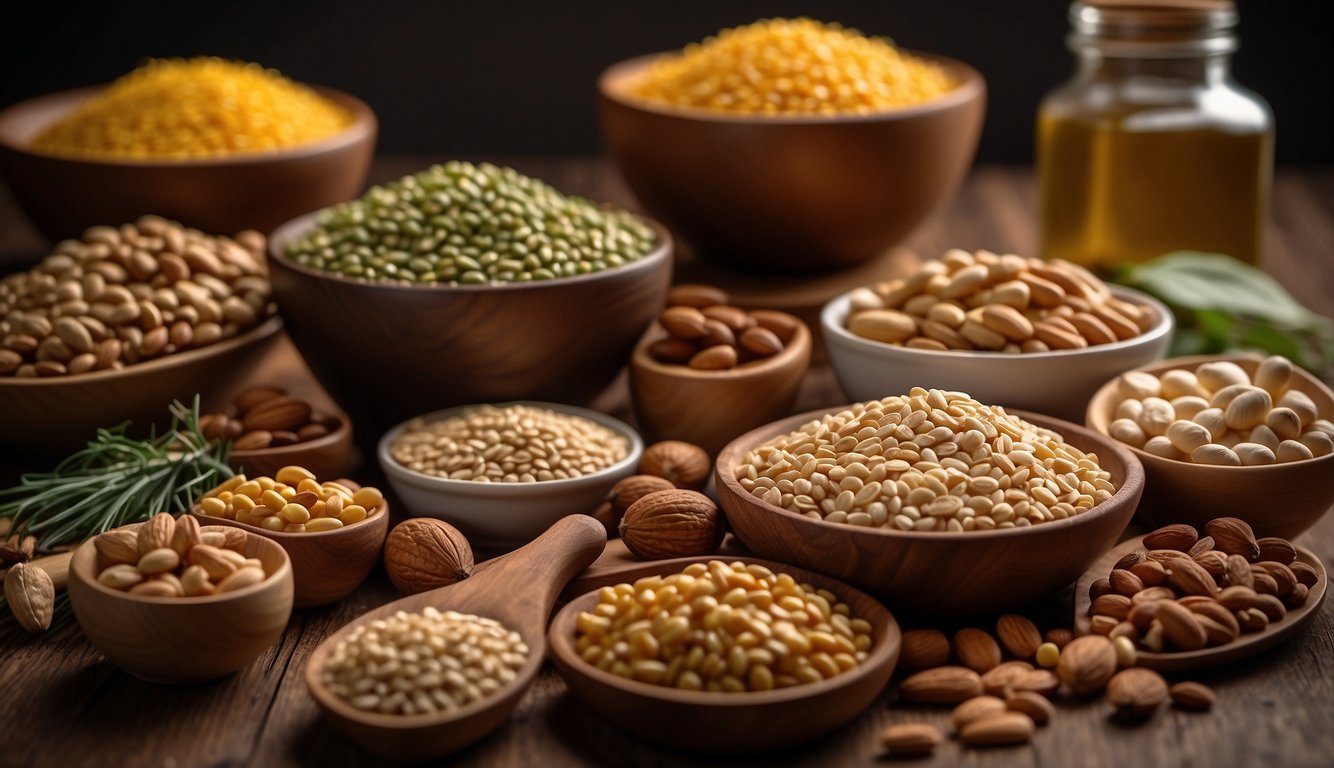
Your diet can provide a substantial amount of thiamine, especially if you include a variety of whole foods. Here are some of the richest natural sources:
- Meat: Particularly pork, which is a powerhouse for this nutrient.
- Fish: Includes trout and tuna, offering a dual benefit of omega-3 fatty acids and thiamine.
- Nuts and Seeds: Snack on sunflower seeds or macadamia nuts for a thiamine boost.
- Beans: Legumes like black beans and lentils are not only high in protein but also thiamine.
- Yeast: Often used in baking, yeast is also a source of this essential vitamin.
Including these foods in your diet is an effective way to ensure you’re getting sufficient thiamine.
Fortified Foods and Supplementation
If your diet lacks variety, you can turn to fortified foods and dietary supplements:
- Cereals and Breads: Many cereals and bread are fortified with thiamine.
- Rice: White rice, when fortified, can supplement thiamine intake.
- Milk Alternatives: Some plant-based milks are fortified with thiamine and other B vitamins.
Remember, while supplementation can help, it’s best to strive for a balanced diet with a variety of thiamine-rich foods. If you choose to use a dietary supplement, consult with a healthcare professional to determine the appropriate dosage.
Preventing and Addressing Deficiency

Thiamine, or vitamin B1, plays a critical role in energy metabolism and neurological functions. Recognizing symptoms of deficiency, understanding which groups are at higher risk, and knowing how to treat the deficiency are essential for maintaining health and preventing complications like beriberi and Wernicke-Korsakoff syndrome.
Recognizing Thiamine Deficiency
Your awareness of thiamine deficiency is the first step in combatting it. Early signs can be subtle but may escalate to serious neurological and cardiac problems. Common initial symptoms include fatigue, confusion, digestive issues, and muscle weakness. If left unchecked, deficiency can advance to beriberi, which affects the heart and circulatory system, or Wernicke-Korsakoff syndrome, a severe brain disorder leading to memory loss.
Groups at Risk
Certain populations are more prone to thiamine deficiency. This includes:
- People with alcoholism: Due to alcohol’s interference with thiamine absorption and the tendency for individuals with alcohol use disorder to have poor dietary intakes.
- Individuals with malabsorption syndromes or those who have undergone bariatric surgery, as their bodies cannot effectively absorb nutrients, including thiamine.
- Older adults: Age can increase risk due to factors such as reduced dietary intake and the presence of chronic diseases.
Treating Deficiency
Treatment involves addressing the underlying cause and replenishing thiamine levels. If you belong to a risk group or exhibit symptoms of deficiency:
- Immediate supplementation: Oral thiamine supplements or, in severe cases, intravenous or intramuscular injections may be necessary.
- Dietary changes: Including thiamine-rich foods such as whole grains, legumes, nuts, and lean meats in your diet can help prevent and address deficiency.
- For those struggling with alcoholism, reducing alcohol intake is crucial, alongside a thiamine supplementation plan.
Prompt recognition and treatment of thiamine deficiency are key to preventing irreversible damage and ensuring a full recovery.
Special Considerations in Thiamine Supplementation

When considering thiamine supplementation, it’s essential to understand the specific factors that influence its usage including dosages and circumstances under which special forms of thiamine may be necessary.
Dosage and RDA
The Recommended Dietary Allowance (RDA) for thiamine varies based on age, sex, and other factors. Generally, adult men are recommended to consume 1.2 mg/day while women should aim for 1.1 mg/day. When taking thiamine supplements, it’s crucial not to exceed the upper limits unless supervised by a healthcare provider. Excessive intake can lead to adverse effects, although toxicity is rare since thiamine is water-soluble and excess amounts are typically excreted in urine.
- Adults (men): 1.2 mg/day
- Adults (women): 1.1 mg/day
High-dose supplements may be warranted in specific clinical situations, such as in individuals with type 2 diabetes or those who have undergone bariatric surgery, as these conditions can increase the requirement for thiamine.
Supplements for Specific Conditions
Certain conditions necessitate specialized forms of thiamine. For instance, benfotiamine, a fat-soluble derivative of thiamine, is often used in supplements for managing complications of type 2 diabetes due to its potential to help prevent cellular damage from high blood sugar levels.
In the case of alcohol use disorder, the disorder itself can impair thiamine absorption and lead to severe deficiency. Hence, high-dose thiamine supplementation is commonly recommended. These individuals should consider thiamine as part of their multivitamins regimen or through B-complex supplements to prevent deficiency.
For those who have undergone bariatric surgery, thiamine absorption may be affected due to altered gastrointestinal anatomy. As a result, you might require routine injections or high-dose oral thiamine supplements to maintain adequate levels. Regular monitoring of thiamine status is essential to prevent deficiency.
Interactions with Medications and Conditions
Proper thiamine levels are vital for your health, but several factors, including specific medications and conditions, can significantly impact these levels. Understanding these interactions helps you manage your overall health more effectively.
Impact of Medications on Thiamine Levels
Certain medications can influence your body’s thiamine levels. Diuretics, commonly prescribed for heart failure, can lead to increased urinary excretion of thiamine, potentially reducing its concentration in your body. Anticonvulsants, used for managing seizures, may also lower thiamine levels over time, necessitating monitoring and possibly supplementation. It is crucial for you to be aware that these medications can create a risk for thiamin deficiency, especially if you are taking them for chronic conditions.
Alcohol Consumption
Regular alcohol consumption can severely impede your body’s ability to absorb thiamine, increasing the risk of deficiency. Alcohol dependence is one of the most common causes of thiamine deficiency due to malabsorption and also because individuals with alcohol dependence often have dietary deficiencies of this essential nutrient. If you consume alcohol heavily, it’s particularly important to monitor your thiamine levels, as a deficiency can lead to serious health issues such as Wernicke-Korsakoff syndrome, a form of dementia related to alcohol abuse.
Thiamine and Chronic Diseases
Chronic conditions like diabetes and HIV/AIDS can be associated with lower thiamine levels. In diabetes, particularly type 2 diabetes, elevated blood glucose levels can result in increased thiamine excretion. Careful management, including thiamine supplementation, has been shown to improve glucose tolerance and potentially assist in the prevention of diabetic neuropathy. For individuals living with HIV/AIDS, maintaining adequate thiamine intake is important due to the nutrient’s role in bolstering the immune system and potential interactions with antiretroviral therapy. Additionally, adequate thiamine has implications in neurological health and could be important in the management of Alzheimer’s disease and related dementias.
Research on Thiamine and Chronic Conditions

Emerging studies suggest that thiamine plays a crucial role in managing and possibly preventing certain chronic conditions. By ensuring adequate levels of thiamine in your diet, you may support better overall health, particularly in relation to neurodegenerative diseases and cardiovascular issues.
Thiamine and Neurodegenerative Diseases
Alzheimer’s Disease and Dementia: Research indicates that thiamine may be vital in the nervous system’s function and its deficiency could be linked to neurodegenerative diseases such as Alzheimer’s disease and other forms of dementia. Thiamine is believed to be critical in the synthesis of neurotransmitters and might play a role in managing oxidative stress, which is implicated in the pathology of these conditions.
- Disease Progression: A deficiency in thiamine has been associated with the progression of dementia symptoms. By participating in the energy production within brain cells, thiamine helps maintain proper brain function. Therefore, maintaining adequate thiamine levels could be essential for your neurological health.
Cardiovascular Health Studies
Heart Failure: In the context of cardiovascular health, thiamine deficiency has been linked to heart failure. Adequate levels of thiamine are necessary for myocardial energy metabolism, and its deficiency can lead to decreased myocardial function.
- Diabetes and Heart Health: For individuals with diabetes, maintaining thiamine levels is particularly important due to the increased risk of heart disease associated with diabetes. Thiamine assists in glucose metabolism, and a deficiency might exacerbate the risk of vascular complications stemming from diabetes.
By recognizing the potential impacts thiamine can have on these chronic conditions, you can better understand the importance of this essential nutrient in maintaining your long-term health. Proper intake through diet or supplements, when necessary, could contribute to preventing or managing these health issues.
Understanding Thiamine Toxicity

While thiamine is essential for your health, it’s crucial to be aware that excessive intake can lead to toxicity. This section covers what you need to know about the potential harm and how to avoid it.
Recognizing the Signs of Toxicity
You should be cognizant that thiamine toxicity is rare, but becoming familiar with its signs is important for your safety. Symptoms may include:
- Allergic Reactions: Look for skin rashes or itching.
- Gastrointestinal Issues: Watch out for nausea and indigestion.
If you experience these signs, it’s essential to consult a healthcare professional.
Preventing Thiamine Overdose
To prevent thiamine overdose, adhere to the following guidelines:
- Consult a Physician: Before taking supplements, always get a professional opinion.
- Adhere to Recommended Dosages: Only take thiamine in the amount suggested by health guidelines or your doctor.
By taking these precautions, you can enjoy the benefits of thiamine without the risk of harm or death from overdose.
Thiamine for Different Population Groups
Thiamine, also known as vitamin B1, is vital for everyone, yet specific groups have unique requirements. This section addresses how these needs differ among women, pregnant individuals, varying age groups, and children.
Women’s Health and Pregnancy
For women, especially those who are pregnant or breastfeeding, thiamine is crucial. It supports the proper development of the baby and meets the increased metabolic demands during pregnancy. Pregnant individuals should be particularly attentive to thiamine intake to prevent deficiencies that could affect both mother and child. According to the Office of Dietary Supplements, thiamine levels in plasma are significantly lower in those with diabetes, which can also be a concern during pregnancy.
Age-Related Thiamine Needs
As you age, your body may become less efficient at absorbing nutrients, making older adults susceptible to deficiencies, including thiamine. Maintaining recommended levels of thiamine is important for cognitive function and overall energy levels. A study has found that up to one in three people with congestive heart failure, a condition more common in older adults, have a thiamine deficiency, indicating the importance of monitoring thiamine status for heart health.
Thiamine for Infants and Children
During the rapid growth phases in infants and children, thiamine is essential for brain development and energy metabolism. Infants, in particular, are dependent on breast milk or formula to receive adequate thiamine. As children grow, a balanced diet including thiamine-rich foods is important to support their continued growth and energy needs. Thiamine plays a special role in the body as a coenzyme necessary for the metabolism of carbohydrates, fats, and proteins, which is essential in these formative years.
Frequently Asked Questions
Thiamine, commonly known as Vitamin B1, is essential for energy metabolism and neural function. Understanding its benefits, side effects, and dietary sources can help you make informed decisions about its supplementation.
What are the recognized benefits of taking Vitamin B1 (Thiamine)?
Thiamine is critical for energy generation and proper cellular function. It is also involved in nerve signal conduction and muscle contraction, making it an essential nutrient for maintaining your body’s health.
What potential side effects might occur with Thiamine supplementation?
While Thiamine is generally safe when taken as recommended, excessive amounts may lead to side effects such as restlessness, rapid heartbeat, or allergic reactions in some individuals.
How much Thiamine is generally recommended for adult intake?
The recommended daily allowance (RDA) of Thiamine depends on age, gender, and health conditions, but an adult male typically requires about 1.2 mg per day, while an adult female requires about 1.1 mg per day.
Which foods are considered rich in Vitamin B1?
Foods high in Thiamine include whole grains, meats (especially pork), fish, seeds, and nuts. Legumes, peas, and some fruits and vegetables are also good sources.
What are common symptoms associated with a deficiency in Thiamine?
Symptoms of Thiamine deficiency can include fatigue, confusion, muscle weakness, and in severe cases, beriberi or Wernicke-Korsakoff syndrome, which affect the cardiovascular and nervous systems, respectively.
Are there specific individuals who should avoid taking Thiamine supplements?
Most individuals can safely take Thiamine supplements, but those with certain health conditions or those on dialysis should consult a healthcare provider before supplementation due to the potential for adverse effects.