
Vitamin E plays a crucial role in maintaining your overall health due to its powerful antioxidant properties. This essential nutrient helps shield your cells from the damaging effects of free radicals, which are reactive atoms that can contribute to the development of chronic diseases and aging. Often celebrated for its skin-enhancing benefits, Vitamin E is equally important internally as it bolsters the immune system, aids in cell regeneration, and supports various body functions.
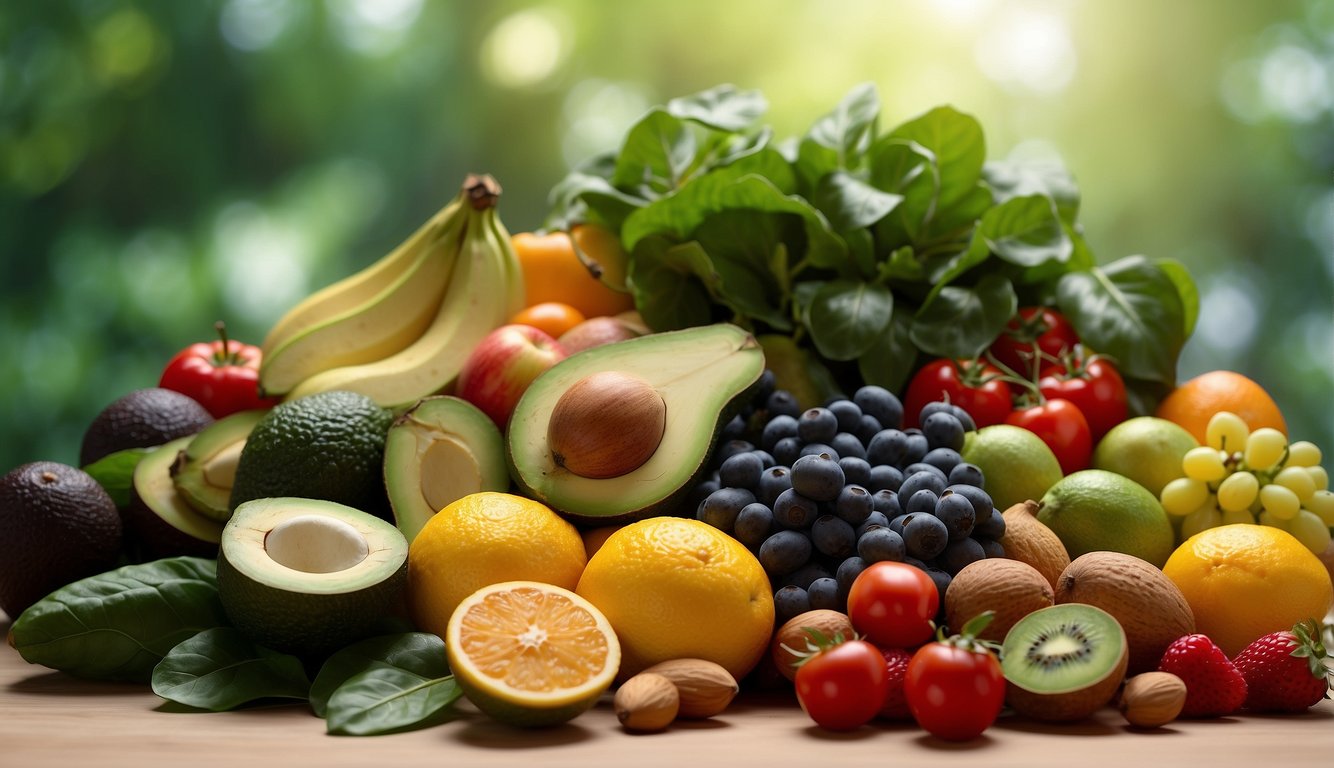
As a fat-soluble vitamin, it’s stored in your body’s fatty tissue and liver and comes in eight different forms, the most active being alpha-tocopherol. Your body requires a certain amount of Vitamin E to function optimally, yet it cannot produce it on its own, making it essential to obtain it from your diet or supplements. Increasing your intake of Vitamin E has been associated with a decreased risk of heart disease, certain cancers, and age-related eye diseases, making it an important focus for those aiming to lead a healthier lifestyle.
Key Takeaways
- Vitamin E is a potent antioxidant that protects cells and supports the immune system.
- It must be obtained through diet or supplements as the body cannot produce it.
- Adequate Vitamin E intake is linked to reduced risks of chronic diseases.
Understanding Vitamin E
Vitamin E is a crucial nutrient for your health, known for its antioxidant properties and role in maintaining healthy skin and eyesight. Let’s delve into the specifics of its chemical makeup, how it functions in your body, where you can find it, and how much you need.
Chemical Properties and Forms
Vitamin E is available in several chemical forms, but alpha-tocopherol is the form recognized to meet human requirements. It’s the only form that is actively maintained in the human body and thus is the primary form found in blood and tissues.
Role as an Antioxidant
As an antioxidant, Vitamin E protects your cells against damage by free radicals, which are unstable molecules that can harm cellular structures. This defensive role contributes to reducing oxidative stress, which has been linked to numerous chronic diseases.
Fat-Solubility and Dietary Sources
Being fat-soluble, Vitamin E is absorbed along with fats in your diet and can be stored in your liver and fatty tissues for later use. Rich dietary sources include:
- Nuts: Almonds, hazelnuts, and peanuts
- Seeds: Sunflower seeds
- Vegetable oils: Wheat germ, sunflower, and safflower oil
You can also find Vitamin E in green leafy vegetables and fortified cereals.
Recommended Dietary Allowance (RDA)
The RDA for Vitamin E is measured in milligrams (mg) of alpha-tocopherol. For adults, the recommended amount is 15 mg/day (or 22.4 International Units, IU), which you can typically meet through a balanced diet that includes the aforementioned sources of Vitamin E.
Vitamin E Health Benefits
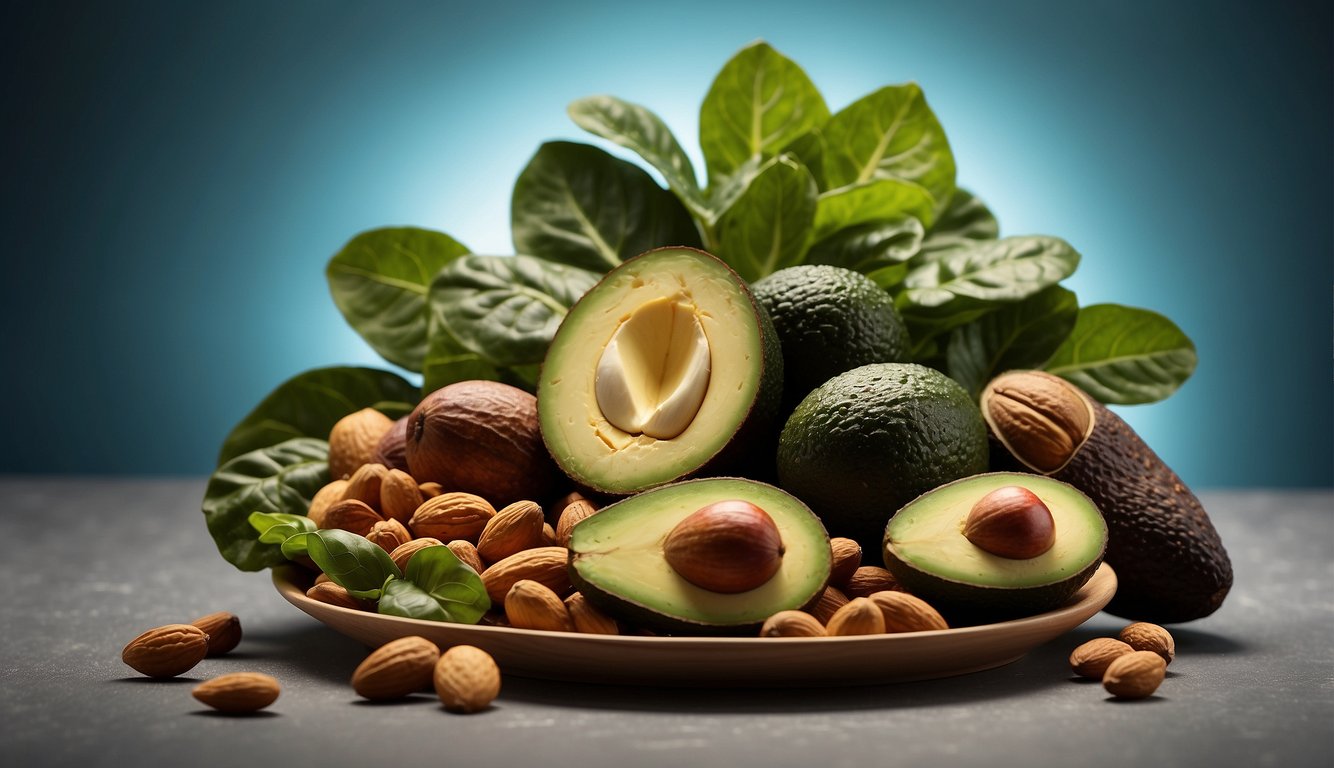
Vitamin E, a powerful antioxidant, provides significant benefits for your skin and hair, helps maintain good vision, supports the immune system, and contributes to heart health. Its role in protecting your cells from oxidative stress caused by free radicals is crucial to these aspects of your well-being.
Skin and Hair Care
Your skin’s health benefits from vitamin E’s ability to combat oxidative stress, a common contributor to the aging process. Applying products rich in vitamin E can help protect your skin from damage by external agents and ultraviolet light. When it comes to hair, vitamin E may help support a healthy scalp and give your hair a strong, lustrous appearance due to its antioxidant properties.
Vision Protection
Vitamin E plays a role in eye health by fighting against oxidative stress that can damage the eyes. Adequate intake of vitamin E might help reduce the risk of age-related macular degeneration, which is a common cause of blindness in older adults.
Immune Support
Strengthening your immune system is another key benefit of vitamin E. It helps in maintaining your body’s natural defenses against bacteria and viruses, particularly important in the elderly or those with compromised immune systems.
Heart Health
For your heart, vitamin E helps in the maintenance of good cardiovascular health. It’s thought that the antioxidant effect of vitamin E can help prevent the oxidation of lipids, a critical step in the development of heart disease. Regular consumption of foods high in vitamin E or the appropriate use of supplements might contribute to healthy cholesterol levels and overall heart function.
Vitamin E in Disease Prevention
Vitamin E is acknowledged for its role in bolstering your body’s defenses against various diseases thanks to its antioxidant properties.
Cancer Mitigation
Your intake of Vitamin E is integral in cancer prevention efforts, particularly with its potential to lower your risk of certain cancers. Research has demonstrated that Vitamin E’s antioxidants may help ward off breast and lung cancer by protecting your cells from damage. It’s important, though, not to rely solely on supplements; seeking Vitamin E from dietary sources is recommended for a balanced approach to cancer mitigation.
Heart Disease and Stroke
Incorporating Vitamin E into your diet could contribute to heart health and possibly reduce the risk of heart attack and stroke. The nutrient aids in the prevention of platelet aggregation, a precursor to atherosclerosis, which could lead to these cardiovascular events. Additionally, it can help with the reduction of prostaglandins, compounds that cause platelets to clump, thereby supporting circulatory health.
Neuroprotective Effects
Vitamin E has been associated with the preservation of cognitive function and the slowing of cognitive decline that can lead to conditions like dementia. As an antioxidant, it helps to protect brain cells from oxidative stress, which contributes to the degeneration of neurons. Moreover, Vitamin E might have a role in the prevention of macular degeneration, suggesting it could be beneficial for maintaining your vision and neurological health.
Vitamin E Deficiency

While your body requires Vitamin E to function properly, a deficiency in this essential nutrient can lead to a range of health issues. Understanding the causes, recognizing the symptoms, and being aware of the populations at risk can help you safeguard your health.
Causes of Deficiency
Vitamin E deficiency typically stems from problems with digesting dietary fat rather than a diet low in Vitamin E. Medical conditions such as cystic fibrosis, chronic pancreatitis, or cholestasis disrupt the absorption of fat, hindering your body’s ability to absorb Vitamin E. Rarely, genetic disorders like abetalipoproteinemia may be the cause.
Symptoms and Health Implications
If you are not getting enough Vitamin E, you might experience symptoms such as neuropathy (nerve damage), muscle weakness, impairment of the immune response, and bleeding problems due to its role in helping your body produce blood-clotting proteins. Longer-term deficiencies can potentially lead to more serious neurological issues.
At-Risk Populations
Newborns, especially premature babies, and children with fat malabsorption disorders are more susceptible to Vitamin E deficiency. Similarly, adults with fat malabsorption conditions like cystic fibrosis or liver ailments also fall into the at-risk group for this deficiency and should monitor their Vitamin E levels accordingly.
Sources of Vitamin E
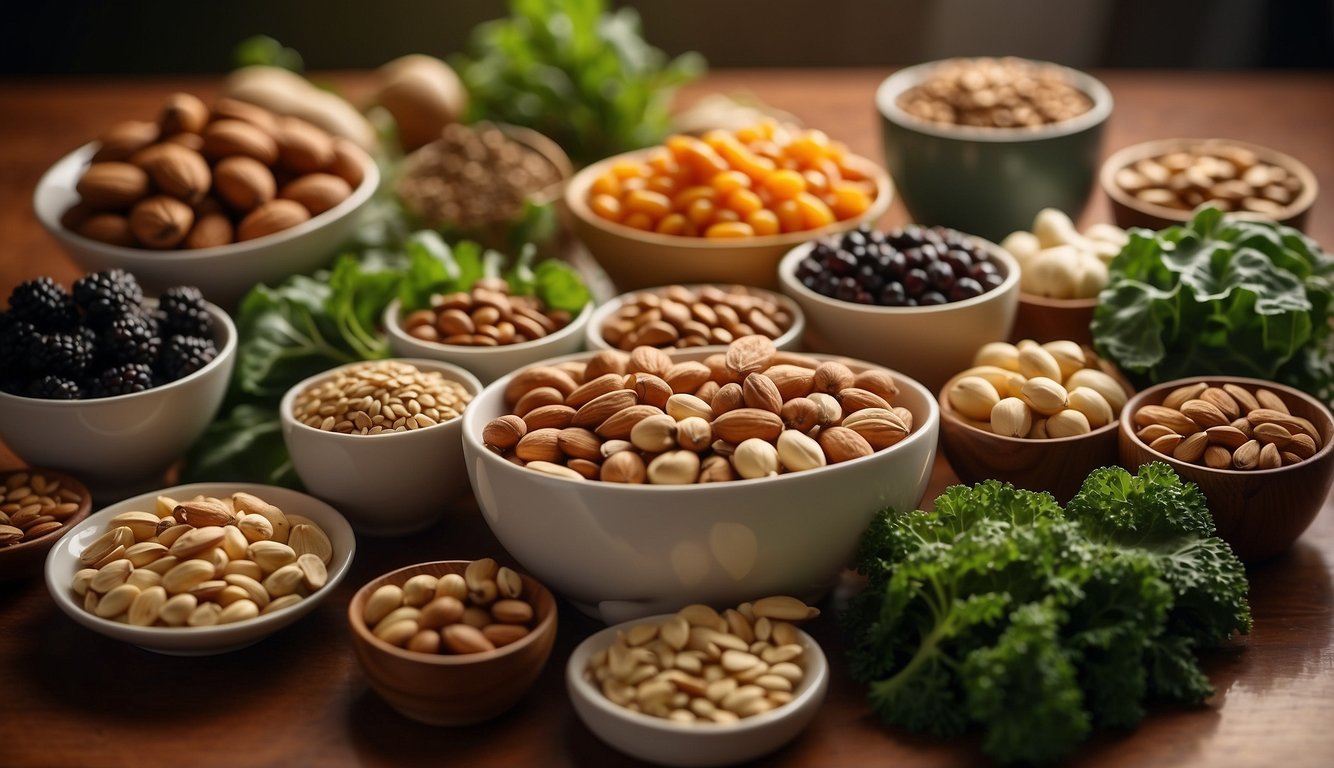
Vitamin E is a critical nutrient that supports many of your body’s functions. You can obtain it through a diet rich in certain foods or, if necessary, via supplements and fortified foods.
Natural Sources
Vitamin E is abundant in a variety of natural foods that fit easily into your daily diet. For a boost of this antioxidant, you should include the following in your meals:
- Nuts and seeds: Especially almonds, which are among the richest natural sources.
- Vegetables: Leafy greens are particularly good sources.
- Fruits: Including options like mangoes.
- Oils: Wheat germ oil is exceptionally high in Vitamin E, followed by sunflower and safflower oils.
For your convenience, here’s a quick glance at some natural sources:
| Food Group | Examples |
|---|---|
| Nuts & Seeds | Almonds, sunflower seeds |
| Vegetables | Spinach, broccoli |
| Fruits | Mangoes, avocados |
| Oils | Wheat germ oil, olive oil |
Supplements and Fortified Foods
In some cases, your diet may not provide sufficient Vitamin E, or you may have specific health needs that increase your requirements. This is where supplements and fortified foods come into play:
- Supplements: Often found in the form of capsules or drops, they should be used under the guidance of a healthcare professional.
- Fortified Foods: Many breakfast cereals and other products have added Vitamin E to help you meet your daily intake.
Remember, while supplements can help when dietary intake may not be adequate, it’s generally best to get nutrients from food sources where possible for better absorption and health benefits.
Safety and Side Effects
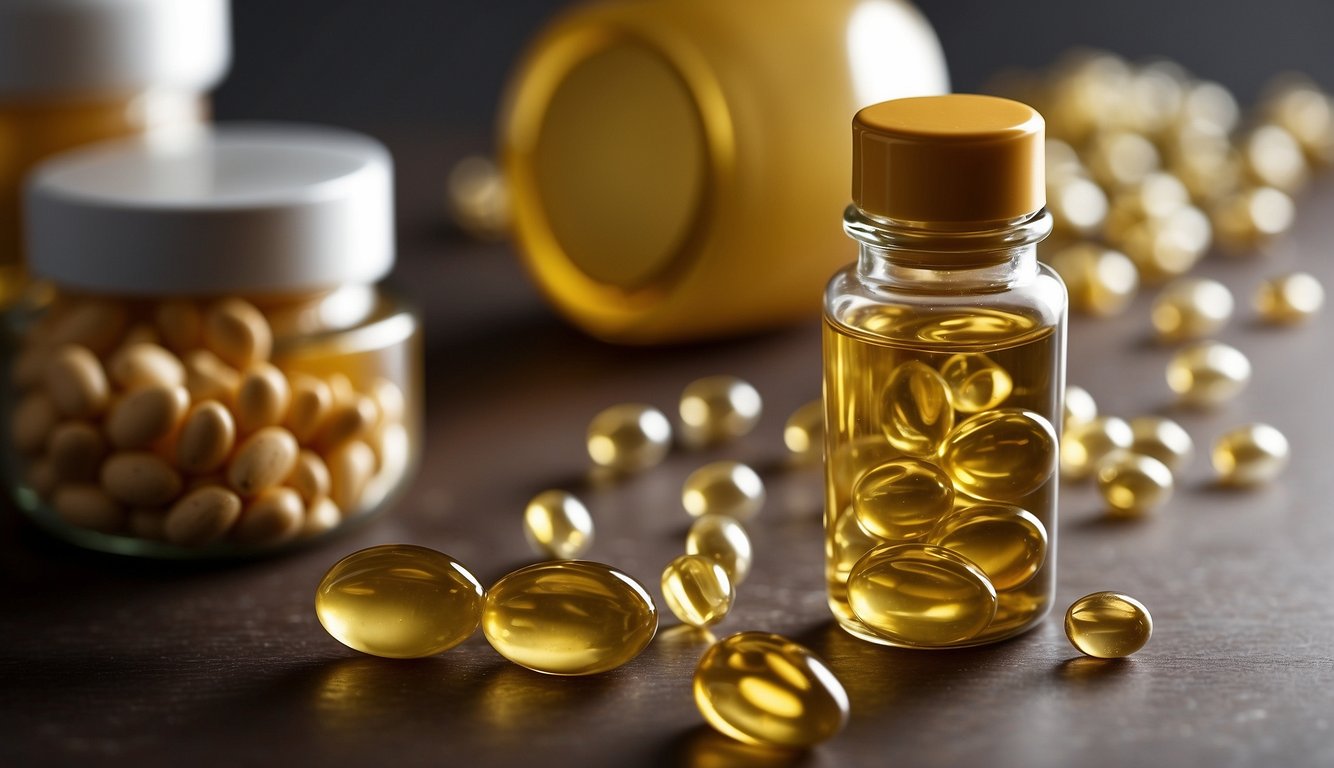
While vitamin E is essential for your health, understanding its safety and side effects is critical for responsible supplementation. It’s important to be aware of how vitamin E interacts with certain medications, recognize its potential side effects, and follow guidelines for safe supplementation to minimize risks.
Interactions with Medications
Vitamin E can interact with certain medications, particularly blood thinners and anticoagulants. If you are on an anticoagulant like warfarin, vitamin E can increase the risk of bleeding due to its blood-thinning properties. It’s crucial that you consult with your doctor before starting vitamin E supplements to avoid any dangerous interactions.
Potential Side Effects
Taking high doses of vitamin E can lead to a variety of side effects. One of the most serious is the increased risk of hemorrhagic stroke, a type of stroke caused by bleeding in the brain. Common side effects can include nausea, fatigue, blurred vision, and diarrhea. To reduce the likelihood of experiencing these side effects, you should adhere to the recommended dosages or seek the advice of a healthcare professional.
Guidelines for Safe Supplementation
To ensure safe vitamin E supplementation, follow these guidelines:
- Consult Your Doctor: Before adding a supplement to your routine, especially if you’re on medication or have an existing health condition.
- Stick to Recommended Dosages: Adult daily intake should not exceed 1,000 mg from supplements to prevent the risk of serious side effects.
- Source from Foods: Aim to obtain vitamin E from dietary sources such as nuts, seeds, and vegetable oils, which are less likely to cause side effects.
It’s your responsibility to stay within these guidelines to minimize your risks and maintain optimal health.
Clinical Research and Consensus
In the realm of nutrition science, vitamin E has been studied extensively for its potential health benefits and risks. Clinical research has provided valuable insights, and although consensus can vary, there are generally accepted expert recommendations stemming from major study findings.
Major Studies and Findings
Clinical trials have played a crucial role in understanding the impacts of vitamin E on health. Notably, studies have investigated its role in age-related macular degeneration, with some trials suggesting that vitamin E, along with other antioxidants, may help to slow the progression of the condition. However, its efficacy as a monotherapy remains inconclusive.
In the context of chemotherapy, the antioxidant properties of vitamin E have been explored for their potential to protect against certain side effects of cancer treatment. While some studies highlight its protective effects, others caution about interactions with chemotherapy drugs, underscoring the need for personalized medical advice.
When it comes to supplements, many people turn to multivitamins that include vitamin E. While these can help fill nutritional gaps, the American Heart Association recommends obtaining vitamin E primarily from the diet rather than supplements to lower the risk of coronary heart disease.
Research into vitamin E’s impact on Alzheimer’s disease has produced mixed results. Some trials suggest a potential benefit in slowing cognitive decline, but these findings are not yet strong enough to warrant a broad recommendation for vitamin E’s use in Alzheimer’s treatment or prevention.
Expert Recommendations
Experts generally advise that you get your vitamin E from food sources, as high doses from supplements may lead to adverse effects. For those at risk of or living with coronary heart disease, dietary vitamin E might contribute to heart health, but it is important to consult healthcare providers before starting any supplement regimen.
Medical professionals underscore the nuanced role of vitamin E in managing Alzheimer’s disease, advocating for a balanced approach that considers all potential risks and benefits. The consensus leans toward caution, emphasizing more research to fully understand the vitamin’s role in disease prevention and management.
Consensus in the scientific community can evolve with new evidence, so staying informed about the latest research is crucial for making informed decisions about vitamin E intake.
Vitamin E and Lifelong Health
Vitamin E plays a pivotal role in your body through various stages of life. From acting as an important antioxidant to supporting your immune function, its presence is crucial for maintaining lifelong health.
Importance in Aging
Your body encounters more oxidative stress as you age, and Vitamin E’s antioxidant properties help mitigate this. By neutralizing free radicals, it aids in preserving your cellular health and reducing the risk of age-related diseases.
Pregnancy and Breastfeeding
During pregnancy, you need adequate Vitamin E for critical developmental processes. It supports the growth of the fetus by protecting fetal cells. Similarly, when breastfeeding, Vitamin E passes into breastmilk, helping ensure your infant receives this essential nutrient for their development.
Gender-Specific Health Concerns
For males, Vitamin E plays a role in the maintenance of reproductive and prostate health. In females, especially those approaching menopause, Vitamin E may help manage symptoms such as hot flashes. Your needs for Vitamin E may vary based on your gender and life stage, emphasizing the need for a tailored diet or supplementation plan.
Frequently Asked Questions
The benefits of vitamin E range from protecting your cells to maintaining healthy skin and eyes. It also plays a vital role in the function of your immune system.
What are the primary benefits of consuming vitamin E?
Vitamin E acts as an antioxidant in your body, protecting cells from damage caused by free radicals. It is also essential for your immune system, and its role in cell signaling and gene expression helps maintain your overall health.
Which foods are considered rich sources of vitamin E?
You can find high levels of vitamin E in a variety of foods such as almonds, spinach, sweet potatoes, and sunflower seeds. Regularly including these in your diet can help you meet your daily vitamin E needs.
How does vitamin E contribute to skin health?
Vitamin E may help support skin health by acting as an antioxidant that can protect skin from damage due to sun exposure and providing hydration. Topical application of vitamin E can also be beneficial in reducing skin damage and improving skin texture.
What is the recommended daily intake of vitamin E for adults?
The recommended dietary allowance (RDA) for vitamin E for adults is 15 milligrams per day. However, your specific needs might vary based on your age, gender, and health status.
What are the potential side effects of taking high doses of vitamin E?
Taking high doses of vitamin E supplements might increase the risk of bleeding and serious bleeding in the brain known as hemorrhagic stroke. It is important to stick to the recommended dose or consult with a healthcare provider.
How does vitamin E deficiency manifest in the body?
Signs of vitamin E deficiency include peripheral neuropathy, muscle weakness, and compromised immune response. While vitamin E deficiency is rare, it could potentially lead to neurological problems over time.