
Alpha-lipoic acid (ALA) is a naturally occurring compound that’s gaining attention for its potential positive impact on health. Your body produces it in small amounts, and it plays a crucial role in energy metabolism by helping to convert glucose into energy. Beyond its metabolic functions, ALA is also recognized as a potent antioxidant, meaning it can neutralize harmful free radicals and may reduce oxidative stress, a factor in various chronic diseases.
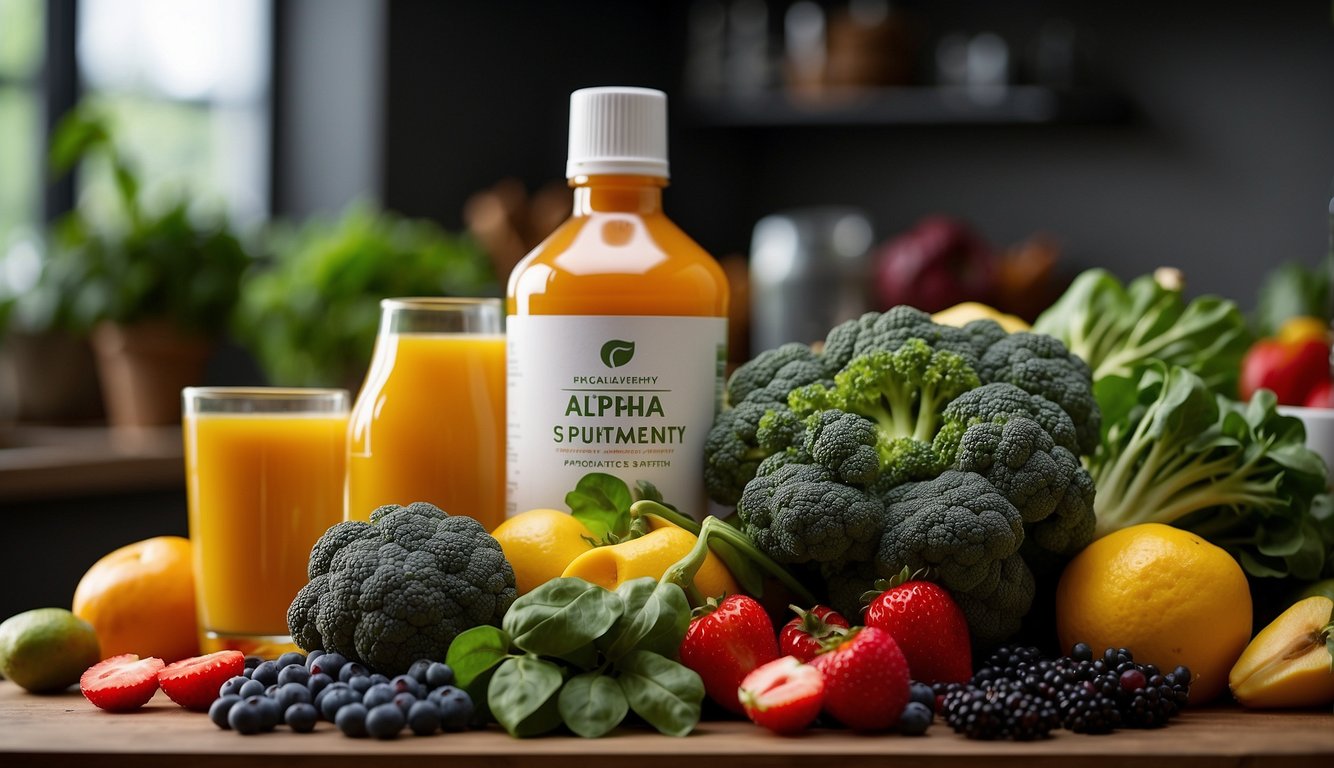
ALA isn’t just endogenous; it’s also found in certain foods and available as a dietary supplement. Its antioxidant properties have sparked research into its effects on conditions like diabetes, showing promising results in improving insulin sensitivity. Furthermore, ALA has been studied for its role in weight management, where it may influence metabolic syndrome, a cluster of conditions that increase the risk of heart disease and diabetes. While ALA supplements might offer several health benefits, it’s essential to understand the potential side effects and proper dosages to ensure safety and efficacy.
Key Takeaways
- ALA is known for its role in energy metabolism and potent antioxidant capabilities.
- Studies indicate ALA can assist in managing diabetes and metabolic syndrome.
- Understanding the correct dosage and potential side effects of ALA is important for safe supplementation.
Understanding Alpha-Lipoic Acid
Alpha-lipoic acid is a naturally occurring compound that acts as an antioxidant in the body, helping to protect cells from damage. It’s important for you to recognize that this compound can also be taken as a supplement to possibly enhance certain health benefits.
Chemical Structure and Properties
Alpha-lipoic acid, often abbreviated as ALA, is a fatty acid found in the mitochondria. Its chemical structure allows it to dissolve in both water and fat, which is unique among antioxidants. This quality means ALA can work throughout the body. Unlike some antioxidants that are either water-soluble or fat-soluble, ALA can operate in multiple types of cell environments.
Natural Sources and Dietary Intake
Your body produces alpha-lipoic acid in small amounts, but it’s also found in various foods. For a higher dietary intake, consider incorporating the following:
- Vegetables: Spinach, broccoli, and potatoes are good sources.
- Meats: Red meat and organ meats, such as liver, have higher levels.
- Other: Yeast, particularly brewer’s yeast, contains ALA.
In addition to these natural sources, ALA is available as a dietary supplement. Supplements can offer a concentrated dose of ALA, which some individuals might seek for specific health reasons. However, make sure to consult healthcare professionals before starting any new supplement regimen.
Alpha-Lipoic Acid and Diabetes Management
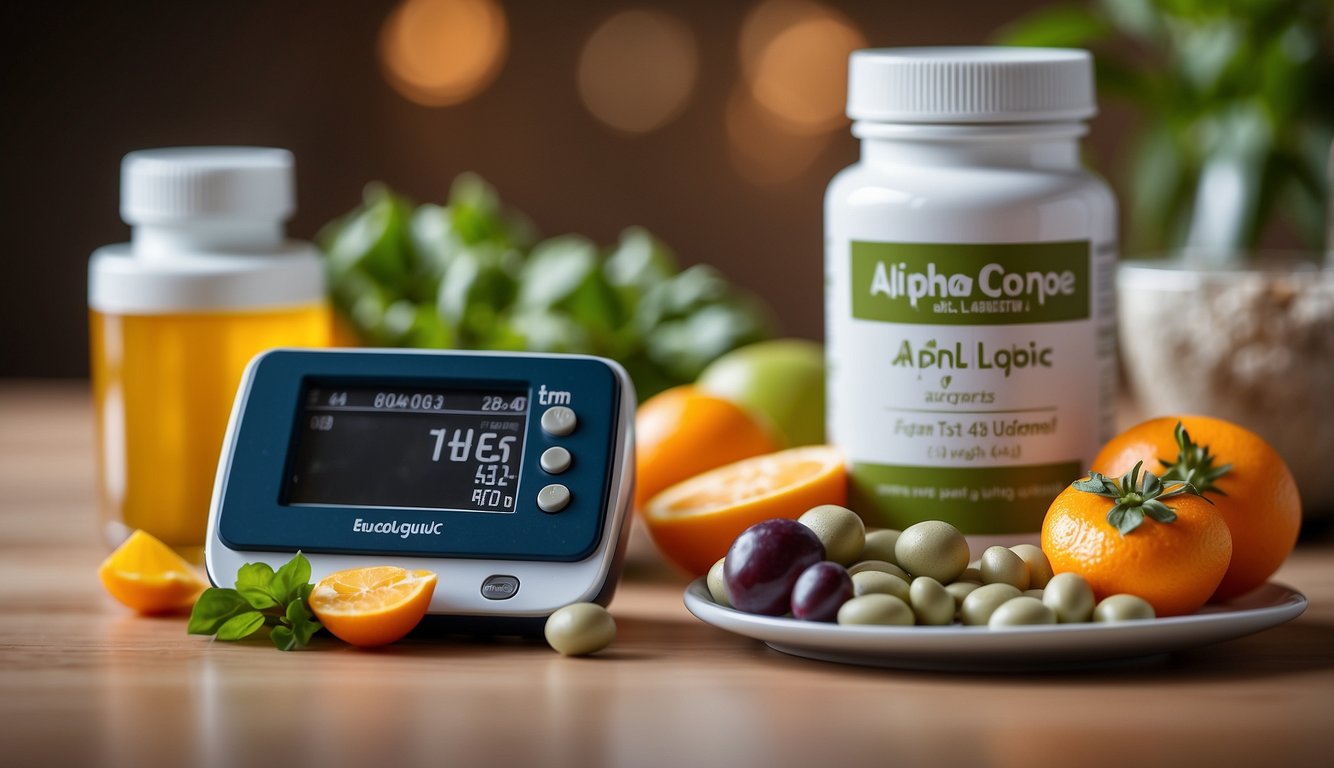
Alpha-Lipoic Acid, a potent antioxidant, plays a significant role in diabetes management, particularly in blood sugar regulation and mitigating diabetic neuropathy.
Blood Sugar Regulation
Your body’s ability to regulate blood sugar levels can be influenced by alpha-lipoic acid (ALA). For those with type 2 diabetes, consistent supplementation with ALA has been associated with improved insulin sensitivity, which is crucial in the management of blood glucose. For example, studies have shown that ALA can lead to a reduction in HOMA-IR, a marker of insulin resistance, and contribute to maximal insulin action.
Diabetic Neuropathy Improvements
Diabetic neuropathy—nerve damage resulting from high blood glucose levels—is a common complication of diabetes. Supplementation with alpha-lipoic acid has demonstrated potential in alleviating pain related to diabetic neuropathy. The use of ALA can result in significant improvements in neuropathic symptoms, helping you manage the discomfort associated with this condition. Moreover, research indicates benefits such as reduced oxidative stress and improved endothelial function through its antioxidative properties.
Antioxidant Benefits and Oxidative Stress

Alpha-lipoic acid (ALA) is a potent antioxidant that combats oxidative stress in your body, which is associated with cellular damage and aging. This compound supports crucial detoxification processes and provides cellular protection by neutralizing harmful free radicals.
Cellular Protection
Your cells are under constant threat from free radicals—unstable molecules that can harm cellular components like DNA and mitochondria. ALA helps neutralize these free radicals, effectively reducing cellular damage. It acts not only directly by quenching free radicals but also indirectly by recharging other antioxidants like vitamin C and E. In addition, ALA is both water and fat-soluble, meaning it can work throughout the entire cell.
- Mechanisms of ALA Cellular Protection:
- Directly neutralizes free radicals
- Restores activity of other antioxidants
- Operates in both the aqueous and lipid cell areas
Detoxification Processes
Oxidative stress is the imbalance between free radicals and antioxidants in the body. ALA boosts your glutathione levels, a critical antioxidant that plays a key role in the body’s detoxification processes. This helps cleanse your body of harmful substances, and supports the liver, the primary organ responsible for detoxification.
- Benefits of Increased Glutathione:
- Enhanced detoxification capabilities
- Strengthened immune system function
- Promotion of mitochondrial energy production
Weight Management and Metabolic Syndrome
Alpha-lipoic acid (ALA) plays a significant role in weight management and could have beneficial effects on metabolic syndrome by impacting the way your body utilizes energy and metabolizes fats.
Energy Utilization
Your body requires energy to function properly, and ALA influences energy metabolism. It does this by assisting in the conversion of glucose into energy, which may help in managing symptoms of metabolic syndrome. By improving the efficiency of energy usage in your body, ALA may contribute to preventing excess glucose from being stored as body fat.
Effects on Obesity and Metabolism
ALA’s effects on obesity and metabolism are notable for their potential to support weight loss efforts. According to a meta-analysis of randomized controlled trials, supplementation with ALA is associated with a greater mean weight loss compared to placebo groups. Moreover, ALA may enhance your fat and glucose metabolism, which suggests it could be a helpful addition to a weight management program. However, remember that while ALA can support weight loss, it is not a standalone solution and should be paired with a healthy diet and regular physical activity.
Potential Side Effects and Considerations

When considering Alpha Lipoic Acid (ALA) as a supplement, you should be aware of potential side effects, which may vary based on your individual response and the doses you take.
Gastrointestinal Issues
You may experience gastrointestinal discomfort, including nausea, vomiting, and heartburn when taking ALA supplements. These side effects are typically mild and may be alleviated by taking the supplement with food or adjusting the dosage.
Neurological Reactions
Uncommon but possible, headaches and tingling sensations can occur, particularly if high doses of ALA are consumed. Some individuals might experience a rare condition called skin rash, which warrants immediate medical attention. It’s essential to monitor any neurological symptoms that arise and discuss them with your healthcare provider, particularly if they persist or worsen.
Skin Health and Anti-Aging Effects

Alpha-lipoic acid (ALA) is renowned for its potent antioxidant properties, making it a valuable ally for your skin’s health and vitality. By mitigating oxidative stress, ALA in topical creams can rejuvenate your skin and reduce the signs of aging.
Improving Skin Texture
Incorporating alpha-lipoic acid into your skincare routine can lead to noticeable improvements in skin texture. This powerful antioxidant helps to diminish skin roughness, leaving your skin smoother and more refined. Studies suggest that ALA’s anti-inflammatory properties also assist in the reduction of skin rashes, promoting a more even skin tone and texture.
Combating Aging Signs
The anti-aging potential of alpha-lipoic acid lies in its dual functionality as both an antioxidant and an anti-inflammatory agent. Using ALA-infused cream consistently can help you combat common signs of aging such as fine lines, wrinkles, and dullness. By neutralizing free radicals, alpha-lipoic acid preserves the integrity of skin cells, contributing to a more youthful complexion over time.
Dosage and Interaction With Other Nutrients
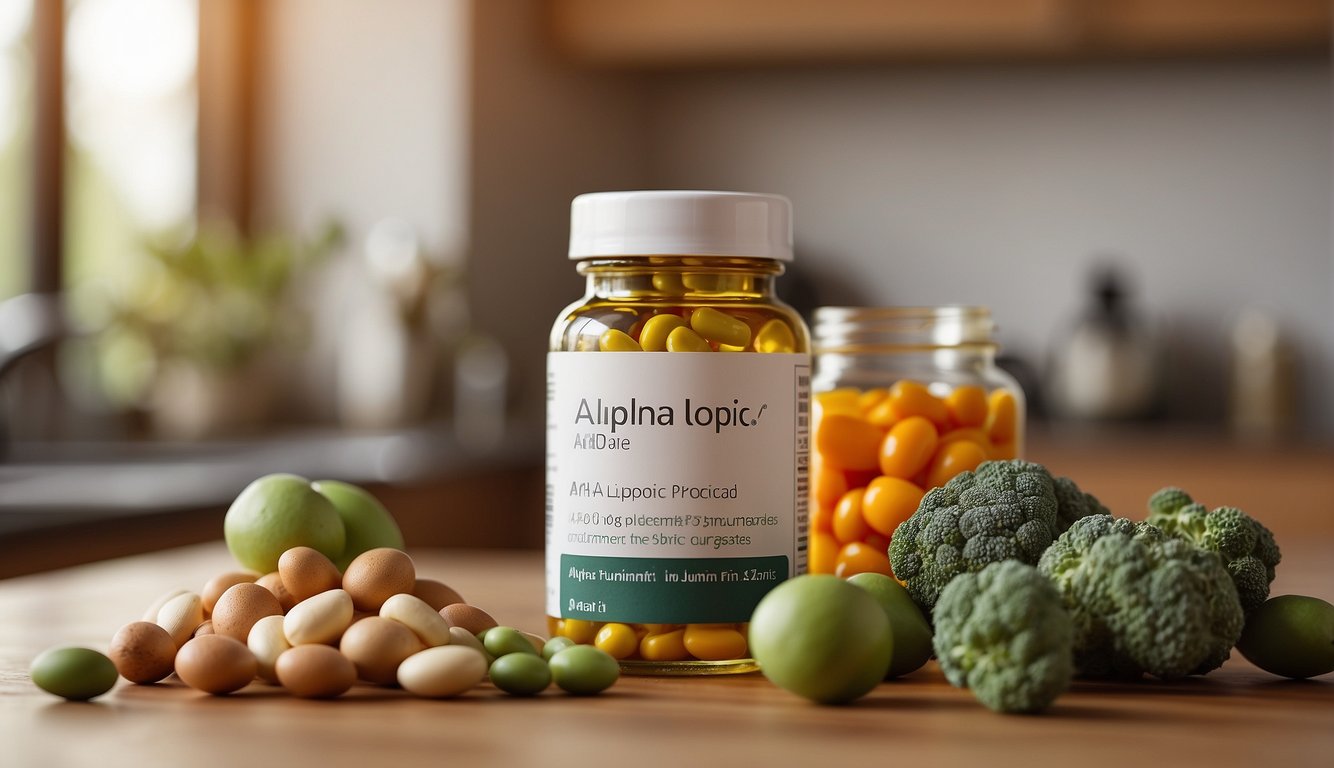
When considering the incorporation of alpha-lipoic acid into your health regimen, it’s essential to understand the appropriate doses and how it can interact with other nutrients.
Recommended Doses
Adults: For general antioxidant support, doses range from 300 to 600 mg daily. In specific therapeutic contexts, such as diabetic neuropathy, higher doses may be employed under medical supervision, typically around 600 to 1,800 mg divided throughout the day.
Caution: Start with a lower dose of alpha-lipoic acid and monitor your body’s response, as higher intake might cause side effects in some individuals.
Nutrient Synergy and Interactions
Vitamin C and E: Alpha-lipoic acid works well with other antioxidants like vitamin C and vitamin E, regenerating and enhancing their effects.
Supplements Synergy: Especially when combined with l-carnitine, the synergistic effect may support mitochondrial function and energy metabolism.
Important Interactions: Be aware that alpha-lipoic acid can influence the levels of certain vitamins and nutrients in the body. For instance, it could lower blood sugar levels, necessitating adjustments in diabetes medications. Always consult a healthcare professional when considering supplements to avoid potential interactions.
Specific Considerations for Different Populations

When considering the use of alpha-lipoic acid, it’s important to tailor your approach based on factors such as gender and age. Specific populations may experience varied benefits and should be aware of certain precautions.
Alpha-Lipoic Acid in Women’s Health
In the context of women’s health, alpha-lipoic acid (ALA) may play a significant role in managing conditions like polycystic ovary syndrome (PCOS), possibly helping to improve insulin sensitivity. However, if you’re pregnant or breastfeeding, the safety of ALA is not well established. Therefore, consult your healthcare provider before you start taking it.
Age-Related Considerations
For older adults, the body’s ability to synthesize alpha-lipoic acid decreases with age. Therefore, supplementation might help combat oxidative stress associated with aging. Nevertheless, use ALA with caution, as age can change the way your body metabolizes supplements. Children’s use of ALA has not been thoroughly studied, thus seek medical advice before giving ALA to a child.
Frequently Asked Questions
In this section, you’ll find concise, reliable answers to common questions regarding alpha-lipoic acid and its effects on your health.
What are the side effects of taking alpha-lipoic acid?
When you take alpha-lipoic acid, you might experience side effects such as nausea, rash, or itching. More rarely, it can lower blood sugar levels too much. Always monitor your body’s response when starting a new supplement.
What is the recommended daily dosage of alpha-lipoic acid for an adult?
For adults, the typical dosage of alpha-lipoic acid ranges from 600 to 1,200 milligrams daily for treating conditions like diabetic neuropathy. However, for general antioxidant support, lower doses are often used. Consult your healthcare provider to determine the right dosage for your needs.
Can alpha-lipoic acid aid in nerve regeneration?
Alpha-lipoic acid has been studied for its potential in aiding nerve regeneration, particularly in patients with diabetic neuropathy. It may help improve nerve function and relieve symptoms.
Which foods are rich in alpha-lipoic acid?
Foods such as spinach, broccoli, and potatoes are rich in alpha-lipoic acid. Organ meats like liver and heart also contain higher amounts of this antioxidant.
Are there any vitamins or supplements that should not be combined with alpha-lipoic acid?
Be cautious when combining alpha-lipoic acid with other supplements, especially those that can also lower blood sugar levels, as it may enhance the effect. Additionally, taking alpha-lipoic acid with certain vitamins or minerals can both positively and negatively affect its absorption and efficacy. Always check with a healthcare provider before starting any new supplement regimen.