
Navigating the landscape of hormone replacement therapy can be complex, but understanding the differences between traditional Hormone Replacement Therapy (HRT) and Bioidentical Hormone Replacement Therapy (BHRT) is a significant step toward making informed health decisions. Traditional HRT typically includes medications that are made from the urine of pregnant horses and other synthetic hormones. These have been commonly prescribed to relieve menopausal symptoms, such as hot flashes and night sweats, as well as to reduce the risk of osteoporosis and heart disease.

In contrast, BHRT uses hormones that are chemically identical to those your body produces naturally. These hormones come from plant estrogens and are custom-compounded based on your individual hormone levels, often claimed to offer a more personalized therapy option. While some believe that bioidentical hormones carry fewer risks and a more ‘natural’ approach than traditional HRT, it’s essential to critically evaluate the potential benefits and risks with a healthcare provider.
Your healthcare journey is personal, and deciding between HRT and BHRT requires access to reliable information and thoughtful discussion with your medical professional. Each therapy has its purported advantages and considerations, ranging from the method of production to the way hormones are delivered into your body. Despite the abundance of claims regarding both treatments, scientific evidence must be the cornerstone of your decision-making process, ensuring that your choice aligns with your health goals and lifestyle.
Understanding Hormones and Their Role in the Body
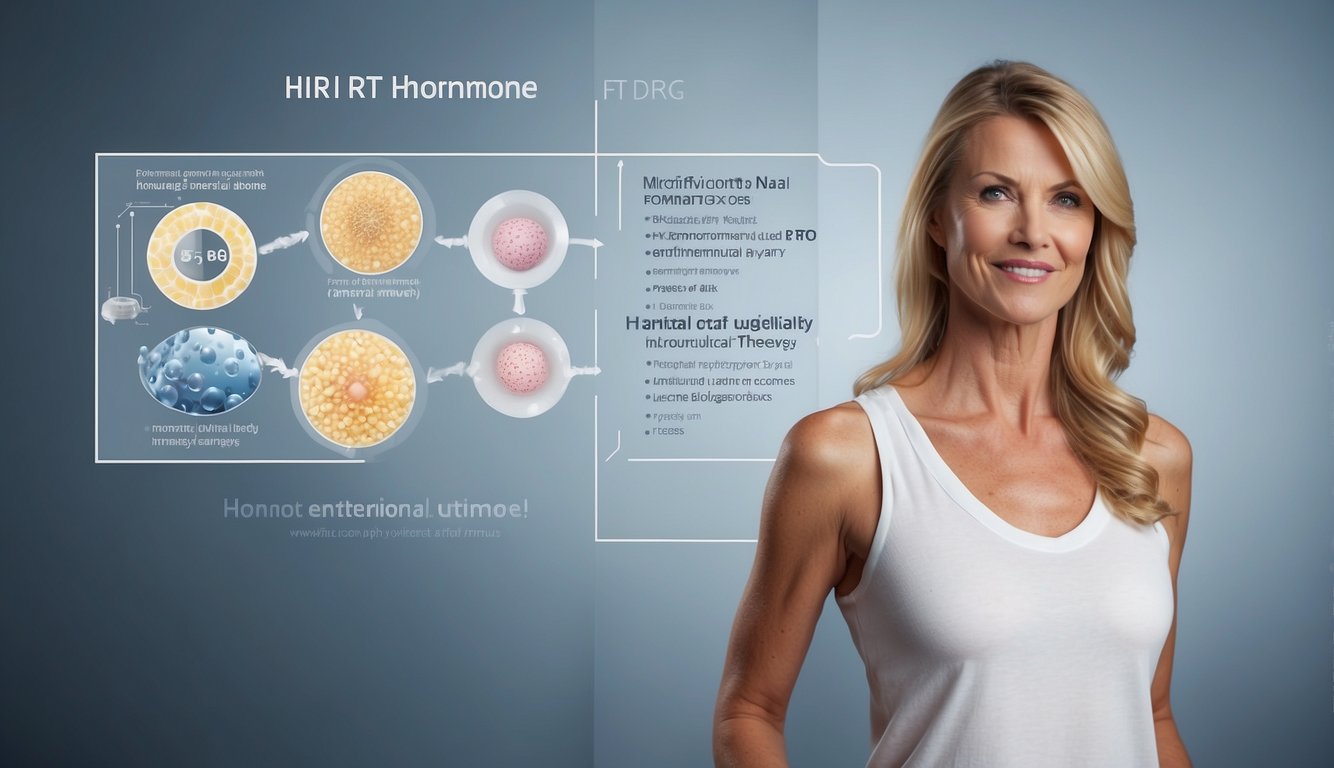
Hormones are your body’s chemical messengers, produced by the endocrine glands, and play a crucial role in regulating bodily functions. Understanding the balance and effects of estrogen, progesterone, and testosterone is vital for maintaining health and well-being.
Estrogen is a key hormone in your reproductive system, also contributing to bone health, skin integrity, and cardiovascular function. On the other hand, progesterone is essential for regulating the menstrual cycle and supporting pregnancy. It also has a role in mood regulation.
Testosterone, although often recognized as a male hormone, is important in your body too, regardless of gender. It helps maintain muscle mass, bone density, and is essential for overall energy levels.
When your hormone levels are in balance, your body functions smoothly. However, an imbalance can lead to a myriad of issues, ranging from mood swings to more serious health concerns.
Here’s a quick overview of the effects:
Estrogen:
- Positive: Regulates menstrual cycle, supports pregnancy, maintains healthy skin and bones.
- Negative: Imbalances can contribute to weight gain, mood fluctuations, and, if unchecked, certain types of cancer.
Progesterone:
- Positive: Balances estrogen, supports pregnancy, modulates mood.
- Negative: Low levels can cause menstrual irregularities and negatively impact fertility.
Testosterone:
- Positive: Builds muscle, strengthens bones, boosts energy levels.
- Negative: Excessive testosterone can lead to hair loss, acne, and fertility issues in some individuals.
In your quest to understand your hormonal health, it’s essential to recognize the delicate interplay between these hormones and your overall physiology.
Defining HRT and Bio-Identical HRT

In addressing your health concerns, it is important for you to understand the different options available. Hormone Replacement Therapy (HRT) and Bio-Identical Hormone Replacement Therapy (BHRT) are two distinct approaches with specific characteristics and applications.
What is HRT?
Hormone Replacement Therapy (HRT) traditionally involves the administration of hormones to alleviate symptoms associated with hormonal imbalances or deficiencies, such as those occurring during menopause. These hormones, which may not be identical to those your body naturally produces, are designed to relieve your symptoms by replacing or supplementing hormones that your body is no longer making in sufficient quantities.
What is Bio-Identical HRT?
In contrast, Bio-Identical Hormone Replacement Therapy (BHRT) uses hormones that are chemically identical to the ones produced by your body. Derived from natural sources like yams and soy, these hormones are then processed to match your body’s hormones on a molecular level. BHRT may also involve compounded bioidentical hormones, which are custom-mixed formulas prepared to suit your individual hormone requirements.
Differences Between HRT and Bio-Identical HRT
When comparing BHRT with conventional HRT, the primary difference lies in the hormone structure. Bio-Identical hormones mimic the exact structure of your natural hormones, which proponents suggest may be better recognized and utilized by your body. Conversely, traditional HRT often uses synthetic or animal-derived hormones that are similar but not identical to human hormones. Each therapy type has its own protocol for administration and monitoring, and you should consider factors such as safety, efficacy, and potential side effects when making your choice.
Benefits of Hormone Therapies
Hormone therapies, whether you opt for traditional Hormone Replacement Therapy (HRT) or Bioidentical Hormone Replacement Therapy (BHRT), offer relief for a variety of menopausal symptoms. These therapies can also provide benefits that extend beyond immediate symptom relief, potentially influencing long-term health.
Symptom Relief in Menopause
Hot Flashes & Night Sweats: Hormone therapies are particularly effective in reducing the frequency and severity of hot flashes and night sweats. These are some of the most common and uncomfortable symptoms you may experience during menopause.
Mood Swings & Fatigue: You may also find relief from mood swings and fatigue, often associated with the fluctuating hormone levels that menopause brings.
Vaginal Dryness: Both HRT and BHRT can alleviate vaginal dryness, improving comfort and sexual health.
Long-Term Health Benefits
Osteoporosis: By maintaining hormone levels, you can reduce your risk of osteoporosis, a condition where bones become brittle and fragile due to hormonal changes.
Heart Disease: Ensuring a proper balance of hormones may also influence your risk factors associated with heart disease, potentially offering a protective effect for your cardiovascular system.
Remember that each individual’s experience with menopause and the efficacy of hormone therapies can vary, and it’s important to consult healthcare professionals for personalized advice.
Risks and Side Effects
When considering hormone replacement therapy (HRT) or bioidentical hormone therapy, it’s important to be aware of the potential for health risks and the occurrence of side effects. Your decision should be informed by an understanding that both therapies carry some risks and that side effects can vary in type and intensity.
Potential Health Risks
Breast Cancer: Research has linked both traditional HRT and bioidentical hormone therapy with an increased risk of breast cancer, particularly when estrogen is taken without progesterone. It’s vital to get regular check-ups and discuss your family history with your healthcare provider.
- Stroke and Blood Clots: Taking estrogen, whether as part of HRT or bioidentical hormones, could heighten your risk of developing blood clots and stroke. This risk may be influenced by the dosage and method of taking hormones.
Common Side Effects
Headaches and Bloating: These are common, less severe side effects that you may experience with either HRT or bioidentical hormone therapy.
Breast Tenderness and Nausea: You may also encounter breast tenderness and nausea, which are frequently reported by individuals undergoing these therapies.
Understanding that these risks and side effects exist can guide you in monitoring your health and in discussing any concerns with your healthcare provider to tailor a safe and effective treatment plan.
Regulatory and Quality Oversight
When you consider hormone replacement therapy options, understanding the role that regulatory bodies play in ensuring the safety and quality of these treatments is crucial. This is especially important when differentiating between FDA-approved hormone therapies and those compounded by pharmacies.
FDA Approval and Regulation
The U.S. Food and Drug Administration (FDA) is tasked with the approval and regulation of pharmaceuticals to ensure their safety and efficacy for public use. Hormone replacement therapies (HRT) that receive FDA approval have undergone rigorous testing and quality control measures. FDA-approved treatments mean that you are getting a product that has been thoroughly evaluated for its safety profile, potency, and purity.
Bioidentical Hormones and Compounding Pharmacies
Contrastingly, compounding pharmacies create tailored bioidentical hormone formulations that do not require FDA approval. These pharmacies mix individual ingredients to suit your specific needs. However, without the FDA oversight typical for standardized medications, there can be variations in the quality and consistency of compounded bioidentical hormones. While many seek the personalized approach of these formulations, it is essential to be aware of the lack of a uniform regulatory framework, which may impact the treatment’s safety and effectiveness.
Types of Hormone Therapy Products

When considering hormone therapy, you have several product types at your disposal. Each has its own method of delivery and may be composed of different hormone formulations to address your individual needs.
Pills and Capsules
Oral medications such as Estrace and Prometrium are common forms of hormone therapy used to manage symptoms of menopause. Estrace is an estrogen pill, whereas Prometrium is a form of natural progesterone in capsule form. You take these by mouth, potentially making them a straightforward choice for your hormone therapy regimen.
Creams and Gels
Topical applications, including creams and gels, are another way to administer hormone therapy. They are absorbed directly through your skin. When using products like bioidentical progesterone gel, you benefit from the hormone being delivered steadily into your bloodstream. This method can be preferable if you are seeking an option that bypasses the liver and goes straight into circulation.
Patches
Hormone therapy patches such as Alora offer a convenient approach to hormone delivery. You attach the patch to your skin, where it releases a consistent dose of hormones over a specified period. Patches are valued for their ease of use and ability to provide an even distribution of hormones throughout your body.
Natural Sources of Hormones
Although not a product in the traditional sense, natural sources such as soy and yams contain compounds that are believed to act like estrogen within your body. While they offer a more holistic approach, their effectiveness compared to conventional hormone therapy methods requires careful consideration and professional medical guidance.
Lifestyle and Alternative Approaches

In managing menopause, alternative approaches emphasizing lifestyle modifications play an essential role. Integrating self-care strategies and dietary considerations can significantly influence your overall well-being.
Self-Care Strategies for Menopause
To navigate menopause with ease, focus on developing a comprehensive self-care strategy. Regular exercise is paramount, as it can help reduce hot flashes, improve mood, and enhance bone health. Alongside physical activity, stress management techniques such as yoga, mindfulness meditation, or deep-breathing exercises may alleviate menopausal symptoms. Incorporating soy and flaxseed into your diet may also offer some relief, utilising their phytoestrogens that mimic estrogen in the body.
Dietary Considerations
Embrace a balanced diet to support hormonal health. Ensure you include:
- Phytoestrogen-rich foods: Soy products, flaxseeds, and legumes.
- Omega-3 fatty acids: Found in fatty fish, chia seeds, and walnuts.
- Calcium and vitamin D: Necessary for bone health, available in dairy products and fortified foods.
Adjusting your diet is not just about what you add, but also what you reduce. Limiting caffeine, alcohol, and spicy foods may help control menopause symptoms.
Frequently Asked Questions
Exploring bioidentical hormone replacement therapy (BHRT) involves weighing the benefits against potential risks. Understanding exactly what bioidentical hormones are, their regulation, and their impact on your health is crucial.
What are the potential benefits and drawbacks of bioidentical hormone replacement therapy?
Bioidentical hormone replacement therapy may offer relief from symptoms of hormonal imbalance such as hot flashes, mood swings, and sleep disturbances. According to Verywell Health, these hormones are crafted to chemically match those your body naturally produces. However, drawbacks include the lack of long-term studies on their safety, as well as potential side effects like bloating, weight gain, or mood changes.
Which hormones are included in the list of FDA-approved bioidentical hormones?
The FDA has approved several bioidentical hormones, including estradiol and progesterone, which may be found in various forms such as gels, injections, or patches. The North American Menopause Society provides information on FDA-approved hormones and their specific uses in hormone therapy.
How are bioidentical hormones synthesized, and what are their sources?
Bioidentical hormones are synthesized from plant sources, such as soy and yams, in a laboratory setting to ensure they are chemically identical to the hormones produced by your body. Compounding pharmacies typically customize these hormones based on a healthcare provider’s prescription.
Can using bioidentical hormones increase the risk of cancer?
The risk of cancer from using bioidentical hormones is a concern. Studies have not definitively proven an increased risk; however, hormone therapies are generally approached with caution, especially for individuals with a history of hormone-responsive cancers.
What symptoms indicate an excess of bioidentical progesterone in the body?
Symptoms of excess bioidentical progesterone may include drowsiness, bloating, mood swings, and changes in menstrual flow. It’s essential to monitor these symptoms and consult with healthcare providers to adjust dosages appropriately.
What are the reasons some healthcare professionals recommend against the use of bioidentical hormones?
Healthcare professionals may advise against the use of bioidentical hormones due to the lack of regulation in compounding pharmacies, variability in hormone concentrations, and the absence of significant research confirming their safety and efficacy over standard hormone replacement therapy (HRT). Concerns are often based on issues surrounding quality control and individualized dosing, as outlined by the Mayo Clinic.