
Mild traumatic brain injury (TBI) is a matter of growing concern given the rise in recreational activities and sports-related injuries. It refers to a disruption of normal brain function due to a bump, blow, or jolt to the head. Commonly known as a concussion, it can lead to a host of cognitive, physical, and emotional symptoms. While the majority of these injuries eventually heal with proper rest and care, seeking natural treatment options can augment the healing process and support brain health.

Natural treatments for mild TBI focus on a holistic approach to recovery, emphasizing the body’s innate ability to heal. These treatments might include a combination of dietary adjustments, herbal supplements, and therapeutic practices. Such strategies are designed to minimize inflammation, support neuronal repair, and maintain psychological well-being. Effective natural treatments are rooted in an understanding of the injury’s implications on the brain’s structure and its functions. It’s imperative to manage the symptoms comprehensively while aiming for a steady return to daily activities.
Key Takeaways
- Mild TBI, often called a concussion, can lead to various symptoms that benefit from natural treatment strategies.
- A holistic approach to recovery from brain injury may involve dietary changes, herbal supplementation, and therapeutic exercises.
- Addressing the complete spectrum of symptoms holistically supports neuroplasticity and emotional health during recovery from mild TBI.
Understanding Mild Traumatic Brain Injury

Mild traumatic brain injury (mTBI) may seem less severe than other forms of brain injury, but it’s important for you to know its definition, the scale used to assess it, and its impact on public health.
Defining TBI and Mild TBI
Traumatic brain injury (TBI) is a disruption in brain function resulting from an external force to the head. A subset of this condition, mild TBI or concussion, is characterized by a temporary alteration in brain function. Healthcare providers often use the Glasgow Coma Scale (GCS), a scoring system that assesses a person’s level of consciousness after a head injury. A GCS score between 13 and 15 suggests a mild TBI.
Prevalence and Public Health Impact
Mild TBI is a significant public health concern. Its prevalence is high, with millions of cases presenting to emergency departments annually. It’s crucial for you to recognize the substantial social and economic repercussions of mTBI, as it can lead to short-term disabilities and has the potential for long-term effects, especially with repeated injuries.
Conventional Diagnosis and Acute Management
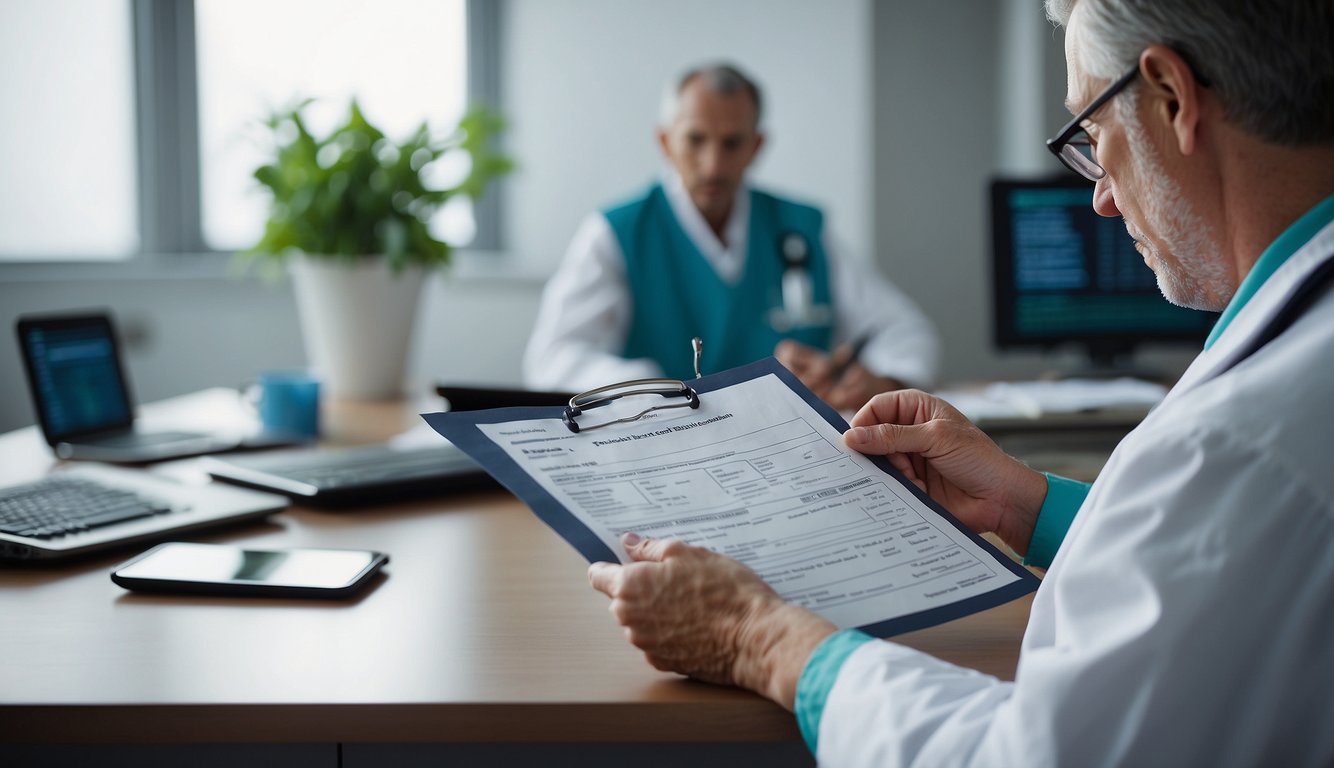
For those experiencing a mild traumatic brain injury (mTBI), the immediate priority is a thorough and accurate diagnosis, followed by prompt acute management. Your journey to recovery begins with an efficient initial assessment in the emergency department, potentially involving diagnostic imaging such as a CT scan or MRI, and may require specific emergency treatment protocols to ensure the best possible outcomes.
Initial Assessment
Your initial assessment typically includes a comprehensive evaluation of cognitive, physical, and emotional symptoms. Healthcare professionals will check for signs of consciousness disturbance, orientation, memory impairment, and any other neurological deficits that may indicate a brain injury. The Glasgow Coma Scale (GCS) is often used to assess the severity of your condition.
Imaging Techniques
To visualize the extent of the brain injury, medical personnel may employ imaging techniques such as a CT scan or an MRI. A CT scan is quick and can detect fractures and hemorrhages accurately, making it the preferred choice in an emergency setting. An MRI, while more detailed, is used to identify subtle injuries and is typically performed after the initial acute phase has passed.
Emergency Treatment Protocols
In acute management, your safety and stabilization are paramount. Emergency treatment protocols often begin with ensuring adequate oxygen supply and blood flow to your brain. You may be monitored for increased intracranial pressure, and medications can be administered to prevent seizures. Prompt intervention aims to stabilize your vital signs and prevent secondary injuries.
Remember that while the focus is on immediate care following an mTBI, early diagnosis and acute management in the emergency department significantly influence your long-term recovery.
Natural Treatment Strategies

Exploring natural treatments for mild traumatic brain injury (TBI) can provide additional avenues for recovery that complement traditional medical interventions. These strategies focus on providing your brain with essential nutrients and using practices that support overall brain health.
Dietary Supplements and Vitamins
Your diet plays a crucial role in recovering from mild TBI. Omega-3 fatty acids, found in fish oil and flaxseeds, are essential for brain health and may help repair brain cells. Vitamin D and Vitamin E are also important, as they have been shown to offer neuroprotective effects. It’s advisable to ensure sufficient intake of these vitamins either through diet or supplements.
- Vitamin D: Contributes to brain development and recovery.
- Vitamin E: Helps protect the brain against oxidative stress.
Incorporating lipoic acid, a potent antioxidant, may also support your brain’s recovery process, as it helps to fortify your body’s natural defense systems against the oxidative stress often associated with TBI.
Herbal Remedies and Antioxidants
Natural remedies include a variety of herbal medicines and antioxidants that may improve symptoms and promote recovery. Enzogenol, a type of pine bark extract, is an antioxidant that can help reduce inflammation and aid in the healing process following a brain injury.
- Enzogenol: Potent antioxidant properties.
Additionally, ginkgo biloba, turmeric, and other herbal supplements with antioxidant properties can be included as part of a holistic approach to treating mild TBI.
Alternative Practices
Acupuncture and music therapy are non-traditional therapies showing promise in addressing the neuropsychiatric symptoms associated with mild TBI. These practices may help reduce stress, improve mood, and stimulate neural repair mechanisms within your brain. Integrating these alternative therapies with your treatment plan may offer a multifaceted approach to support healing and improve quality of life post-injury.
Remember, before starting any new treatment regimen, consult with your healthcare provider to ensure these strategies are appropriate for your specific situation.
Rehabilitative Care for Cognitive Function

Rehabilitating cognitive function after a mild traumatic brain injury (mTBI) focuses on regaining crucial skills impacted by the injury. Your recovery might include structured therapy and physical activities aimed at enhancing brain health and function.
Cognitive Rehabilitation Therapy
Cognitive Rehabilitation Therapy (CRT) is a treatment program tailored to help you regain brain function and improve your memory. CRT typically involves individual or group therapy sessions that target specific areas of cognitive impairment. Through tasks like memory exercises and problem-solving activities, CRT works to retrain your brain to remember information more efficiently and process data effectively.
Exercise and Movement Therapies
Physical activities, specifically exercise and movement therapies, can significantly benefit your cognitive rehabilitation. Engaging in regular exercise has been shown to increase brain-derived neurotrophic factor (BDNF), a protein that supports the survival of existing neurons and encourages the growth of new neurons and synapses.
-
Yoga and Tai Chi: These therapies can improve balance, flexibility, and mental focus. Slow, deliberate movements combined with breath work in yoga and tai chi help in reducing stress and improving cognitive function.
-
Music Therapy: This therapeutic approach can enhance memory and other cognitive skills through rhythm and melody. It may involve singing, listening, or moving to music and is often used to stimulate cognitive function in individuals with traumatic brain injury.
Exercise, whether it’s yoga, tai chi, or another form, should be approached with patience and persistence to maximize the rehabilitation of your cognitive functions.
Psychological Well-being and Emotional Health

In the aftermath of a mild traumatic brain injury (TBI), you may experience shifts in your emotional health, including onset or worsening of anxiety and depression. Approaching your psychological well-being is crucial, as it significantly influences your recovery journey.
Managing Anxiety and Depression
Anxiety and depression often surface after a TBI due to both the neurological impact and the stress of adapting to life post-injury. Management of these symptoms is tailored, but psychotherapy is a core element, including:
- Cognitive-Behavioral Therapy (CBT): Aims to reframe negative thought patterns.
- Support Groups: Provide a sense of community and understanding.
Antidepressants may be prescribed, but it’s important to discuss the risks and benefits with your healthcare provider.
Mindfulness and Relaxation Techniques
Mindfulness and relaxation techniques can enhance your consciousness and awareness of the present moment, helping to alleviate cognitive problems and emotional distress. Techniques include:
- Meditation: Engage in guided sessions to foster a sense of peace.
- Deep Breathing: Practice rhythmic inhales and exhales to calm the nervous system.
- Progressive Muscle Relaxation: Tense and relax muscle groups sequentially to release stress.
Incorporating these practices into your routine can offer a non-pharmacological way to support your mental health.
Physical Symptoms and Their Management

After a mild traumatic brain injury, you may experience various physical symptoms that can impact your daily life. Effective management of these symptoms is crucial for a better quality of life and quicker recovery.
Headaches and Dizziness
Headaches are common after a traumatic brain injury. They may present as tension-type headaches or may resemble migraines. To manage headaches:
- Stay hydrated; dehydration can exacerbate headache symptoms.
- Practice relaxation techniques, such as deep breathing or meditation, to help reduce stress-related headaches.
- Maintain a regular sleep schedule as sleep disturbances can worsen headaches.
Dizziness and imbalance may also occur, indicating vestibular system disruption. To address dizziness:
- Participate in vestibular rehabilitation therapy, which can improve balance and reduce dizziness symptoms.
- Reduce rapid head movements that can trigger dizziness.
- Use a cane or other support if you experience imbalance to prevent falls.
Sleep Disturbances and Fatigue
Sleep disturbances are frequent and can exacerbate other symptoms, leading to a vicious cycle of fatigue. Here’s how to manage these disturbances:
- Establish a consistent bedtime routine to signal your body it’s time to sleep.
- Limit exposure to screens before bed, as the blue light can disrupt your sleep-wake cycle.
Fatigue can be persistent and overwhelming. To combat fatigue:
- Prioritize tasks and focus on energy conservation.
- Take short, regular breaks throughout the day to prevent overexertion.
- Engage in light, regular physical activity, which can improve overall energy levels.
By acknowledging the severity of your symptoms and employing these strategies, you can contribute to your own rehabilitation and manage the physical challenges associated with post-concussion syndrome.
Monitoring and Long-Term Outcomes

After sustaining a mild traumatic brain injury, it’s crucial to engage in consistent follow-up care to monitor your recovery and assess any long-term implications. Understanding your prognosis can help set realistic expectations for your return to work and overall quality of life.
Follow-Up Care
Follow-up care is essential to ensure that postconcussion symptoms are properly managed and any complications, such as the risk of a stroke, are identified early. You should schedule regular check-ups with your healthcare provider and may consider seeing specialists who have experience with brain injuries. Reports such as Treatment outcomes in mild traumatic brain injury emphasize the diversity in individual outcomes and the necessity for tailored follow-up plans.
- Schedule regular assessments
- Engage with specialists as needed
- Manage postconcussion symptoms actively
Understanding Prognosis
Your prognosis after a mild traumatic brain injury can vary based on several factors, including the severity of your injury and your treatment plan. Familiarize yourself with the potential long-term outcomes, such as the possibility of chronic traumatic encephalopathy, a condition found in some individuals with repeated brain injuries. A study on the evidence on natural recovery over the year post-injury highlights the significance of understanding your unique recovery trajectory.
- Be aware of potential long-term conditions
- Learn about factors influencing recovery
- Adapt lifestyle to maximize quality of life
By staying informed about follow-up care and understanding your prognosis, you can take proactive steps to optimize your recovery and maintain a high quality of life after a mild traumatic brain injury.
Frequently Asked Questions
This section addresses some common concerns and questions regarding natural treatment options for mild traumatic brain injury, providing you with straightforward recommendations to support recovery.
Which supplements are beneficial for recovering from a brain injury?
Omega-3 fatty acids, found in fish oil, can support brain health and are considered beneficial during the recovery from a brain injury. Curcumin, the active ingredient in turmeric, also shows promise due to its anti-inflammatory properties.
What are effective home remedies for managing a minor head injury in adults?
Rest is paramount for recovering from any head injury. Additionally, staying hydrated and practicing gentle activities such as mindfulness or light yoga can help manage symptoms and improve recovery.
How can one treat head swelling at home?
Applying a cold pack to the swollen area intermittently for the first 24-48 hours can help reduce swelling and pain. Ensure to wrap the cold pack in a towel to avoid ice burn.
Are there any specific vitamins recommended for speeding up concussion recovery?
Vitamin C and E are antioxidants that may aid in concussion recovery by mitigating oxidative stress. B vitamins, especially Vitamin B12, may assist nerve regeneration and improve brain function.
How should one administer first aid for a mild head injury?
If a mild head injury occurs, monitor for any changes in level of consciousness and apply a cold compress to reduce swelling. If symptoms worsen or do not improve, seek medical attention immediately.
What are safe home treatment options for a head bump in children?
For minor head injuries in children, a cold compress can help reduce pain and swelling. Ensure the child rests and monitor their behavior closely, as children may need additional medical evaluation.