
Astragalus is a plant with a long history of use in traditional Chinese medicine. Known for its immune-boosting and healing properties, this versatile herb has captured the attention of modern researchers and health enthusiasts alike. With potential benefits ranging from enhancing immune function to supporting heart health, it’s no wonder that astragalus has become a popular natural remedy in today’s increasingly health-conscious world.

Before diving into the various health benefits that astragalus has to offer, it’s essential to understand its background and traditional uses. Native to China, Mongolia, and Korea, its roots have been utilized for centuries in Chinese medicine for various purposes. Today, its potential benefits are backed by scientific research and clinical studies, making it an intriguing option for those seeking natural solutions for maintaining good health.
Key Takeaways
- Astragalus has a long history of use in traditional Chinese medicine for its immune-boosting and healing properties.
- Research supports various health benefits, including immune system support, heart health, and blood sugar management.
- Use of astragalus requires attention to administration, dosage, and potential side effects to ensure safe and effective results.
What Is Astragalus and Its Historical Use

Astragalus, also known as Huáng Qí, Milkvetch, Astragalus membranaceus, or Astragalus mongholicus, is a perennial herb that originates from regions of China, Mongolia, and Korea. It has been an essential component of Traditional Chinese Medicine (TCM) for centuries, with the earliest recorded references dating as far back as 400-200 B.C.
This versatile herb is prized for its unique properties, believed to provide a range of health benefits. Astragalus roots are typically harvested from Astragalus membranaceus and Astragalus mongholicus plants, which contain various bioactive compounds such as polysaccharides, saponins, flavonoids, and amino acids. In TCM, the yellow roots of this plant symbolize its “yellow life energy,” alluding to its potential to boost vitality and overall health1.
In its traditional uses, astragalus has been utilized for various purposes, such as:
- Strengthening the immune system
- Improving kidney and heart function
- Reducing inflammation
- Promoting blood circulation
- Enhancing respiratory health
Throughout history, it has been primarily consumed as a tea, decoction, or tincture, in addition to being incorporated into soups or used in its powdered form2.
As research continues to evaluate the potential benefits of astragalus in modern medicine, it is crucial to recognize the plant’s rich and enduring cultural legacy as a staple of Traditional Chinese Medicine.
Footnotes
Health Benefits of Astragalus

Astragalus root has been used in traditional Chinese medicine for centuries due to its numerous health benefits. Some of the key benefits include supporting the immune system, reducing inflammation, and exhibiting antioxidant and antiviral properties. The herb also holds potential in treating diseases such as cancer and diabetes 1.
-
Immune System Support: Astragalus is known for its immune-boosting properties, which can help in preventing and treating colds. It strengthens the immune system, making it less susceptible to diseases 2.
-
Anti-inflammatory: This herb has an anti-inflammatory effect that may be beneficial for people with autoimmune diseases, seasonal allergies, and other inflammatory conditions. By reducing inflammation, it can help alleviate various symptoms and promote overall well-being 3.
-
Disease Treatment: Some studies suggest that astragalus can be beneficial in treating kidney, heart, and liver diseases. It may improve organ function and promote overall health 1.
-
Cancer and Diabetes: Astragalus has shown some promise in treating both cancer and diabetes. Its antioxidant properties may help protect the body from harmful free radicals, while its ability to regulate blood sugar levels can be beneficial for people with diabetes 4.
-
Fatigue and Emotional Support: Astragalus has been linked to increasing energy levels and reducing fatigue. It may also provide support for mental and emotional well-being 5.
-
Heart Function: Astragalus may help improve heart function by increasing blood flow and reducing blood pressure. This can contribute to overall cardiovascular health 6.
In conclusion, astragalus offers various health benefits and holds potential in preventing and treating numerous diseases. Incorporating this herb into a balanced lifestyle can be beneficial in promoting overall well-being. It is, however, essential to consult with a healthcare professional before introducing any new supplement to your routine.
Footnotes
Administration and Dosage

Astragalus, a popular herbal supplement, is available in various forms including capsules, liquid extracts, teas, and powders. Different methods of administration cater to individual preferences and needs with regards to convenience and taste. It is important to note the recommended dosage to maximize the benefits and minimize potential side effects.
Capsules are a common and convenient way of consuming Astragalus. An average dosage for Astragalus in capsule form ranges between 250 mg to 500 mg once or twice daily. This quantity is generally considered safe for most people, but it’s essential to follow the instructions on the product label.
Liquid extracts and powders offer flexibility for incorporating Astragalus into your daily routine. The dosage for these forms can vary depending on the concentration of the product. For instance, a liquid extract may have a recommended dosage of 1-2 mL (15 to 30 drops) twice a day, while a powder can be added to food or drinks at a dosage of approximately 2-4 grams daily.
Another popular way to incorporate Astragalus into your lifestyle is through teas. Some people prefer to boil Astragalus directly into tea to release its active compounds. To prepare this, use roughly 3-6 grams of Astragalus root per cup and simmer for 10-15 minutes.
It is important to be aware of potential interactions with medications when considering taking Astragalus as a supplement. Astragalus may interact with certain medications such as insulin and antiviral medications, causing a change in their effectiveness. Consult your healthcare provider if you have any concerns regarding possible interactions or the most suitable dosage for your health needs.
In summary, Astragalus comes in various forms, and the appropriate dosage depends upon the individual’s preference and the product being used. Always refer to the product label for specific dosage instructions and consult your healthcare provider if you are unsure about possible medication interactions or the right amount for your unique needs.
Potential Side Effects and Precautions
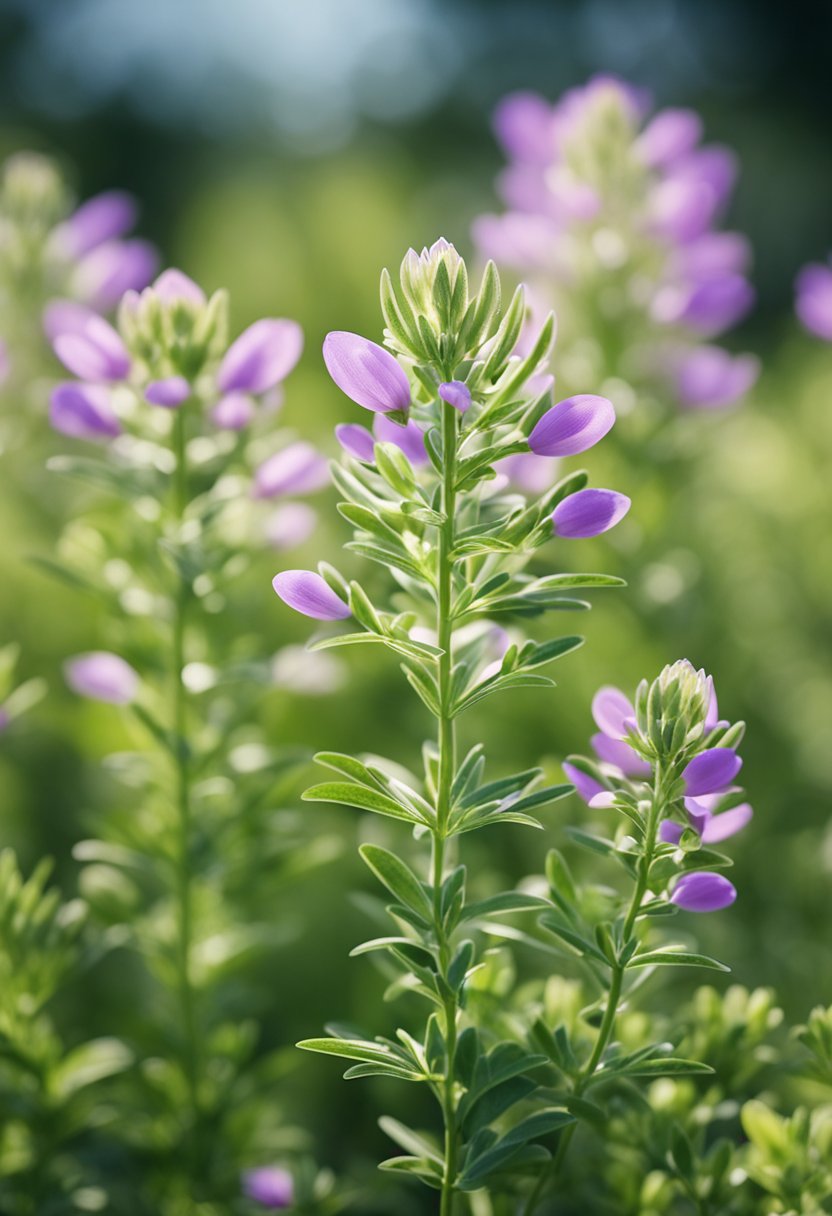
Astragalus is generally considered safe for most people. However, as with any supplement, some potential side effects and precautions should be kept in mind. Most commonly reported side effects are mild and may include nausea, diarrhea, vomiting, and rash (WebMD). It’s essential to start with a low dosage and gradually increase if necessary to minimize any adverse reactions.
It is crucial to exercise caution when using astragalus for people with certain medical conditions or characteristics:
-
Pregnant and breastfeeding women: There is not enough research on the safety of astragalus during pregnancy and breastfeeding. Therefore, it’s best to avoid using this supplement during these periods.
-
Individuals with autoimmune diseases: As astragalus has immune-boosting properties, it could potentially worsen the symptoms of autoimmune illnesses by stimulating the immune system. Those with conditions like lupus, rheumatoid arthritis, or multiple sclerosis should consult their healthcare provider before using astragalus.
-
Individuals taking lithium: Astragalus may interact with lithium, a drug commonly used to treat bipolar disorder. This herb might increase the concentration of lithium in the body, leading to potential side effects. If you are on lithium, talk to your doctor before using astragalus.
-
Those with allergies to plants in the Leguminosae family: If you are allergic to other legumes, such as peas, lentils, or peanuts, you might also be allergic to astragalus. Be cautious and consider testing for allergies to astragalus before consuming the supplement (Healthline).
Astragalus is known for its ability to support the immune system, which can help the body combat various infections caused by bacteria and viruses. However, it might not be suitable for people with compromised immune systems, as it could exacerbate certain symptoms. Consult your healthcare provider if you have a weakened immune system due to underlying conditions or medications.
In conclusion, while astragalus has numerous potential health benefits, it’s important to be aware of potential side effects and precautions. Always consult a healthcare professional before using astragalus, especially if you have any existing medical conditions, are taking medications, or have a history of allergies.
Current Research and Clinical Studies
Astragalus, a traditional Chinese medicine, has been studied for its various health benefits. Recently, several research efforts have focused on the specific health properties of Astragalus membranaceus, an herb with potential therapeutic benefits. The root of this plant is rich in active plant compounds such as polysaccharides, flavonoids, and saponins, which might contribute to its wide range of beneficial effects.
Notably, in both animal and human studies, Astragalus has shown promise in treating conditions like tumors, myocarditis, and heart failure. Clinical study suggests that Astragalus polysaccharides (APS) have potential anticancer properties, as they induce apoptosis (cell death) in tumor cells. Additionally, APS has displayed immunomodulatory effects, boosting white blood cell count in patients undergoing cancer treatment.
Astragalus may also play a role in improving insulin sensitivity and thereby benefit individuals with type 2 diabetes. Although further research is needed, a review by the National Center for Complementary and Integrative Health has indicated that Astragalus could effectively aid in managing blood sugar levels in some cases.
Besides its internal health benefits, topical application of Astragalus has been reported to enhance blood flow and promote faster wound healing. However, the research on this topic is limited, and more studies are needed to confirm these findings.
In addition to its therapeutic effects, Astragalus is known to be an adaptogen, which means it helps the body adapt to physical and mental stress. Although more research is needed in this area, adaptogens like Astragalus have the potential to be a powerful tool for individuals experiencing chronic stress or fatigue.
It is important to note that while there is a growing body of evidence supporting the health benefits of Astragalus, further research is needed to fully understand its mechanisms and to develop standardized recommendations for its use.
Frequently Asked Questions
What are the potential lung-related benefits of astragalus?
Astragalus has been traditionally known for its lung-related benefits. It may help with respiratory issues, including alleviating symptoms of asthma and chronic bronchitis. Research indicates that it contains antioxidant and antiviral properties that may support lung health and overall respiratory function.(source)
How can astragalus usage improve skin health?
Using astragalus may improve skin health by promoting cell regeneration and wound healing. Its antioxidant properties may also help in reducing inflammation and protecting the skin from environmental damage. However, more research is needed to support these claims. (source)
What is the recommended dosage of astragalus for adults?
The recommended dosage of astragalus for adults varies depending on its form. Typically, adults can take 1 to 30 grams of dried astragalus root per day, or follow the manufacturer’s recommendations for supplement dosages. It is essential to consult with a healthcare professional before starting any new supplements. (source)
Are there any side effects associated with astragalus?
Astragalus is generally considered safe when taken as directed. However, there can be potential side effects in some cases, such as allergies or gastrointestinal issues. People with autoimmune diseases, pregnant or breastfeeding women, and those taking immunosuppressant medications should consult with a healthcare professional before using astragalus. (source)
How much astragalus should one consume daily?
The daily consumption of astragalus depends on individual factors and its form. For dried astragalus root, adults can typically consume 1 to 30 grams per day. It is essential to follow the manufacturer’s recommendations for supplements and consult with a healthcare professional to determine the appropriate daily intake. (source)
What are the advantages of drinking astragalus tea?
Drinking astragalus tea may provide various health benefits, such as supporting the immune system, reducing inflammation, and promoting overall well-being. It may also help improve energy and stamina. However, more research is needed to fully understand the advantages of drinking astragalus tea. (source)