
Ginger essential oil has been steadily gaining popularity for its many potential health benefits. Extracted from the ginger root, this oil carries the same warm and spicy aroma familiar to ginger lovers. While ginger has been used for centuries in traditional medicine to treat various ailments, scientific research into the benefits of its essential oil form is still growing.
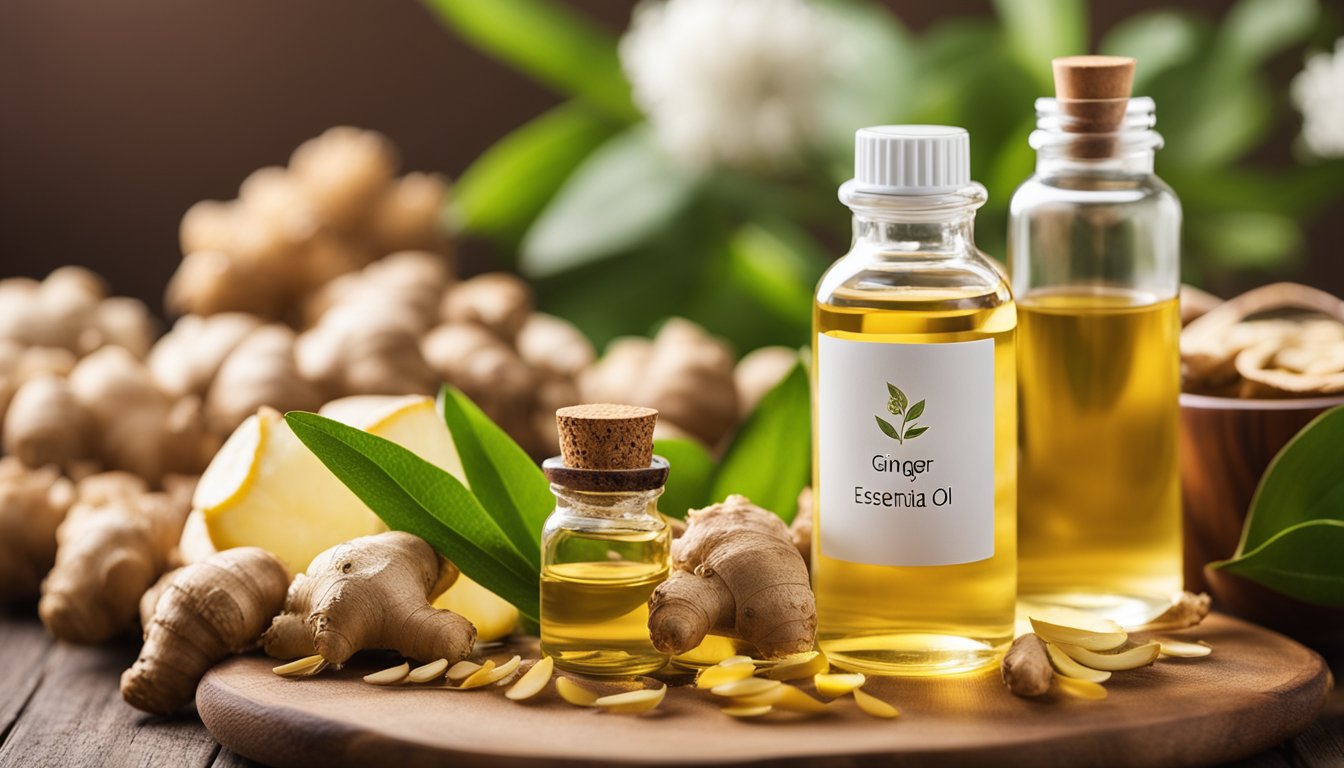
Some of the well-known advantages of ginger essential oil include its ability to aid digestion, support the immune system, and promote healthy skin and hair. With its versatility in application methods, such as in aromatherapy or as a topical treatment, this essential oil is a valuable addition to anyone’s health and wellness toolkit.
Key Takeaways
- Ginger essential oil offers potential health benefits in areas like digestion, immunity, and skin and hair care.
- The versatile oil can be used in various ways, including aromatherapy and topical applications.
- Always use ginger essential oil with caution and consult a professional for any potential risks and proper usage.
Understanding Ginger Essential Oil
Ginger essential oil is a versatile and powerful essential oil extracted from the rhizome of the ginger plant. Ginger, a flowering plant in the Zingiberaceae family, has a long history of use for its various benefits and applications in traditional medicine. The essential oil is obtained through a process called steam distillation, ensuring a pure and potent extract for various uses.
Ginger essential oil is known for its warm, spicy, and slightly sweet aroma. It has been used for centuries in Ayurvedic medicine as a ‘universal remedy’ and has been prized by the Romans and Greeks for its ability to aid digestion and improve circulation. This essential oil is rich in beneficial compounds that contribute to its wide-ranging health benefits and uses.
Some common uses and benefits of ginger essential oil include:
-
Soothing nausea: Ginger essential oil is known for its ability to alleviate nausea and morning sickness, making it a go-to remedy for those experiencing such discomforts.
-
Easing muscle and joint pain: The warming properties of ginger essential oil are believed to help reduce inflammation and discomfort related to conditions like arthritis and muscle aches.
-
Aiding digestion: Ginger essential oil has been traditionally used to relieve digestive issues such as indigestion, bloating, and gas.
-
Promoting respiratory health: The oil’s warming and spicy scent may help improve breathing and alleviate congestion.
-
Supporting hair health: Research suggests that ginger essential oil can stimulate healthy hair growth and reduce the signs of dandruff when applied to the scalp.
When using ginger essential oil, it is important to dilute it with a carrier oil before topical application to prevent skin irritation. For internal use, ensure to follow the recommended doses and guidelines. Like any other essential oil, it is crucial to store ginger essential oil properly to maintain its potency and effectiveness.
In conclusion, ginger essential oil offers a wide range of health benefits and applications, making it a valuable addition to one’s collection of essential oils. Its rich history and versatility make it a favorite for both practitioners and enthusiasts alike.
Health Benefits of Ginger Essential Oil
Ginger essential oil offers a wide range of health benefits, owing to its potent properties derived from the ginger root. It is commonly used to provide relief from various ailments, such as nausea, inflammation, and swelling, and to promote heart health. Here, we discuss some of the main health uses of ginger essential oil.
Ginger essential oil is known for its anti-inflammatory and antioxidant properties, which can be attributed to gingerol, the primary active ingredient in ginger. These properties can help reduce inflammation, soothe pain, and protect against oxidative stress. This makes ginger essential oil a popular choice for treating muscle and joint pain, as well as promoting overall wellness.
One of the most common uses of ginger essential oil is to alleviate nausea. The oil has been proven effective in treating various types of nausea, including morning sickness, motion sickness, and postoperative nausea. Aromatherapy practitioners often recommend ginger essential oil as a natural remedy for these discomforts.
Ginger essential oil is also known for its positive effect on the digestive system. By promoting proper digestion, the oil helps relieve issues like upset stomach, colic, diarrhea, and indigestion. Moreover, it can aid in the treatment of food poisoning and bacterial dysentery, thanks to its antimicrobial properties.
In addition to its anti-inflammatory benefits, ginger essential oil can also contribute to heart health. The oil helps lower cholesterol levels and reduce the risk of heart disease by improving blood circulation and preventing blood clot formation. This makes ginger essential oil a valuable addition to any heart-healthy lifestyle.
In conclusion, ginger essential oil offers a wide range of health benefits thanks to its potent anti-inflammatory, antioxidant, and digestive properties. Incorporating ginger essential oil into your wellness routine can help alleviate nausea, reduce inflammation, and promote heart health, among many other advantages.
Digestive Health and Ginger Essential Oil
Ginger essential oil is widely known for its positive effects on digestive health. It has long been used for treating issues related to poor digestion and reducing inflammation in the digestive tract. The oil can be helpful in addressing common digestive discomforts such as indigestion, gas, bloating, and abdominal spasms, promoting overall digestive wellbeing.
One of the main benefits of ginger essential oil is its ability to ease indigestion. Indigestion is a common affliction that can cause discomfort and bloating. By incorporating ginger essential oil into your daily routine, you can help alleviate these symptoms and promote proper digestion. The oil not only aids in relief from indigestion but also relieves gas and reduces bloating.
In addition to these benefits, ginger essential oil is also known for its anti-inflammatory properties. Inflammation in the digestive system can cause a variety of issues, including ulcers and irritable bowel syndrome. By reducing inflammation, ginger essential oil can help maintain a healthy digestive system and prevent the development of these conditions.
Ginger essential oil is also useful for dealing with more severe digestive issues like food poisoning. Its antibacterial properties can help support the body’s defenses against harmful bacteria that may be present in contaminated food, potentially preventing more serious complications.
Moreover, ginger essential oil is a valuable remedy for soothing colic and intestinal spasms. Its relaxing effect on the gastrointestinal tract can provide comfort during these painful episodes.
To incorporate ginger essential oil into your wellness routine, consider the following methods:
- Add a few drops to a warm bath to help ease digestive discomfort.
- Dilute with a carrier oil and gently massage onto the abdomen in a clockwise motion to relieve gas and bloating.
- Use in an essential oil diffuser to release its soothing aroma and promote a relaxed environment.
In conclusion, ginger essential oil offers a range of benefits for digestive health. By incorporating this natural remedy into your daily routine, you can experience improved digestion, relief from digestive discomforts such as indigestion, gas, and bloating, as well as support for digestive conditions like colic and intestinal spasms.
Ginger Essential Oil in Aromatherapy
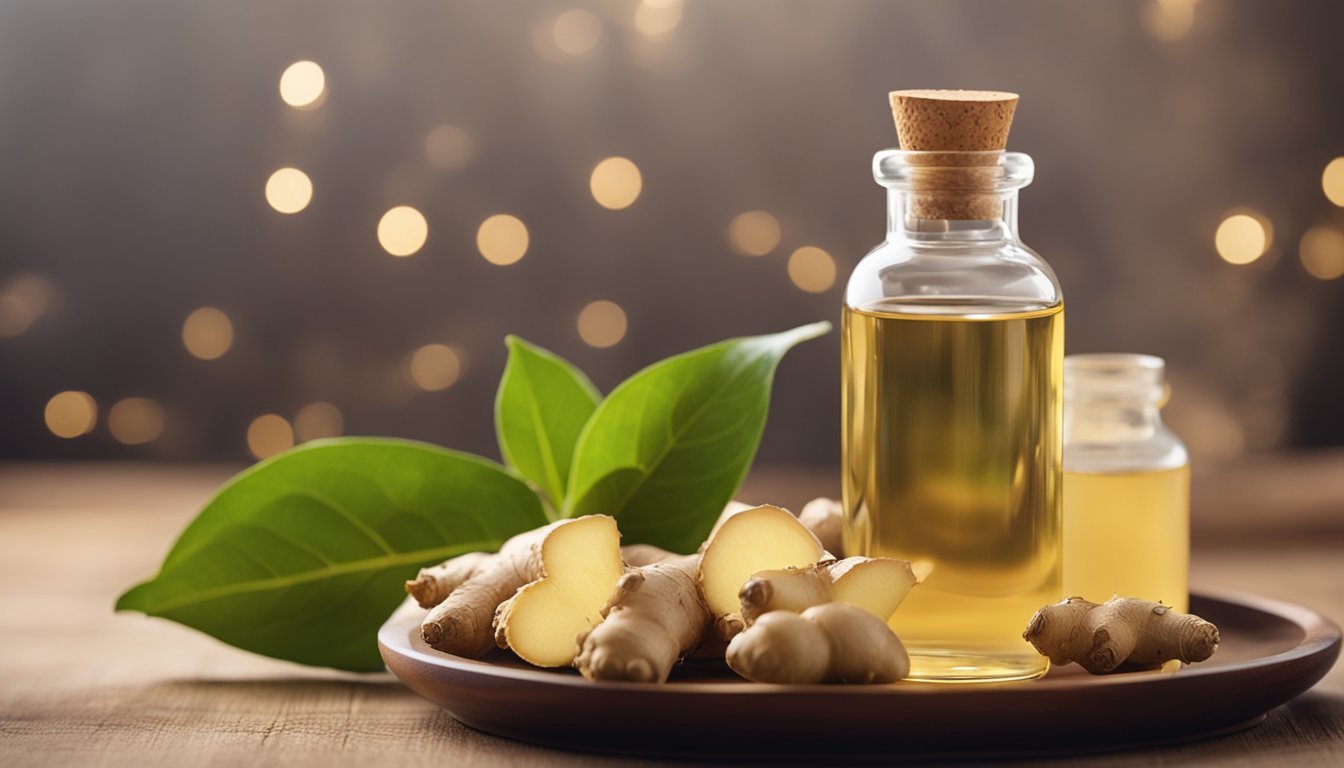
Ginger essential oil has a warming and spicy aroma that can be used in a variety of ways in aromatherapy. It is known for its ability to help with stress, anxiety, and depression. When used in a diffuser, the oil fills the space with a comforting scent that can help to calm the mind and promote relaxation.
One of the popular methods to use ginger essential oil in aromatherapy is through diffusion. Adding a few drops of the oil to a diffuser can help alleviate negative emotions and create a soothing atmosphere in any space. It is also useful for those who might be feeling fatigued or overwhelmed, as the scent is revitalizing and energizing.
To create an uplifting synergy in aromatherapy, ginger essential oil can be blended with other uplifting essential oils such as lemon and lavender. The combination of these oils can work together to help boost mood, reduce feelings of stress, and maintain emotional balance.
Recipe for an uplifting blend:
- 4 drops ginger essential oil
- 4 drops lemon essential oil
- 4 drops lavender essential oil
Mix these oils together in a glass bottle, and add a few drops to a diffuser for a refreshing and uplifting aroma throughout the space.
Ginger oil can also be used for topical applications by diluting it with a carrier oil. For example, when massaging the diluted oil onto the skin, the anti-inflammatory properties help to soothe sore muscles, joint pain, and even menstrual cramps. It is crucial, however, to conduct a patch test before applying the oil to a larger area of the skin to ensure there are no adverse reactions.
In conclusion, ginger essential oil offers a wide range of benefits for mental and emotional well-being in aromatherapy. When diffused or blended with other essential oils, it can greatly enhance the atmosphere and provide therapeutic benefits for those struggling with stress, anxiety, and depression.
Using Ginger Essential Oil for Skin and Hair
Ginger essential oil, extracted from the ginger root, is known for its numerous health benefits and therapeutic properties. When it comes to skin and hair, it can be a valuable addition to your self-care routine.
One effective way to use ginger oil for hair is by blending it with a carrier oil, such as coconut oil. This combination can be applied to the scalp and hair to promote hair growth and maintain a healthy scalp. Rich in antiseptic and antifungal properties, ginger essential oil helps in preventing and treating infections, including dandruff and other scalp-related issues.
To create an easy hair treatment, follow these steps:
- Mix: Combine a few drops of ginger essential oil with a tablespoon of coconut oil (or another carrier oil of your choice).
- Apply: Gently massage the oil blend into your scalp, paying attention to any problem areas.
- Wait: Allow the mixture to sit on your scalp and hair for at least 30 minutes.
- Wash: Rinse your hair thoroughly with your usual shampoo, and follow with a conditioner if desired.
Using ginger essential oil for skin can offer a range of benefits as well. Its anti-inflammatory and soothing properties make it an ideal choice for treating various skin conditions, such as acne, inflammation, and irritation. When mixed with a carrier oil, ginger oil can be applied topically to help reduce redness and inflammation.
It’s essential to carefully blend ginger essential oil with a carrier oil before applying it to the skin, as the concentrated oil can cause irritation and discomfort. Start with a low concentration of ginger oil and gradually increase it, if necessary, to find the right balance for your skin type and condition.
In summary, ginger essential oil can provide many benefits for both skin and hair when used correctly. Combining this powerful oil with a carrier oil allows you to incorporate it into your self-care routine and enjoy its numerous positive properties.
Ginger Essential Oil and Immune System
Ginger essential oil is a popular natural remedy that is known for its ability to support the immune system. It offers various health benefits and possesses properties that help fight against infections and bacteria, making it a powerful tool for maintaining overall health.
Extracted from the ginger plant, this essential oil is rich in active components, such as gingerol and zingiberene. These compounds possess antibacterial and anti-inflammatory properties that aid in combating various infections. A study has shown that ginger essential oil can be an effective natural remedy against respiratory infections and common colds.
In addition to warding off bacteria, ginger essential oil serves as an expectorant that helps relieve congestion by breaking up and expelling mucus. This makes it particularly beneficial for those suffering from the flu or colds, as it provides relief from symptoms associated with these illnesses. To use ginger essential oil as an expectorant, simply diffuse a few drops in a room or add it to a warm bath.
Another important aspect of ginger essential oil’s impact on the immune system involves its ability to improve blood circulation. Enhanced blood flow helps transport essential nutrients and oxygen throughout the body, enabling the immune system to function more effectively. By incorporating ginger essential oil into a massage oil blend, one can further increase circulation and bolster the immune system’s ability to fight off infections.
In summary, ginger essential oil supports the immune system by:
- Exhibiting antibacterial and anti-inflammatory properties
- Serving as a natural expectorant for relieving congestion
- Enhancing blood flow to improve the immune system’s efficacy
Incorporating ginger essential oil into daily routines through diffusion or topical applications can bolster the immune system, combat infections, and provide relief from cold and flu symptoms.
Potential Risks and Precautions
Ginger essential oil is generally considered safe and well-tolerated. However, there are potential risks and precautions to keep in mind when using ginger oil to ensure you get the most benefits without any undesirable side effects. In this section, we will discuss some of the potential risks and precautions associated with ginger essential oil.
Side Effects: Although ginger oil is generally safe, some individuals may experience side effects such as skin irritation, redness, or an allergic reaction when using the oil topically. To minimize the risk of side effects, it’s crucial to perform a patch test before applying ginger oil directly to the skin. Moreover, using diluted ginger oil can reduce the likelihood of an adverse reaction.
Diet: Ginger essential oil should not be used as a substitute for a balanced diet. While it offers various health benefits, it’s crucial to maintain a healthy diet consisting of fruits, vegetables, whole grains, and lean protein. Relying solely on ginger oil for certain health benefits is not advised.
FDA: It’s important to note that ginger essential oil is not evaluated or regulated by the Food and Drug Administration (FDA), which means its purity, quality, and safety cannot be guaranteed. Therefore, it’s vital to purchase ginger oil from reputable suppliers who provide information on the oil’s origin, purity, and safety.
Pregnant Individuals: Although ginger essential oil is commonly used to alleviate nausea and morning sickness, it’s important to consult with a healthcare professional before using ginger oil – or any essential oil – during pregnancy. Some essential oils are unsafe for pregnant individuals, and the safest course of action is always to seek professional advice.
In conclusion, it’s crucial to consider the potential risks and precautions associated with ginger essential oil. By understanding and adhering to these guidelines, you can safely enjoy the numerous health benefits offered by this potent and versatile natural remedy.
Cooking and Flavoring with Ginger Essential Oil
Ginger essential oil is popularly used for its culinary and medicinal properties. Extracted from the root of the ginger plant, this oil boasts a warm, spicy, and slightly sweet flavor that can add depth to various dishes. Its versatility allows it to be used in a range of dishes, from savory to sweet.
One of the main uses of ginger essential oil in cooking is for flavoring and enhancing soups, stews, and sauces. Adding just a drop or two can instantly enhance the taste of your dish. Moreover, ginger oil can be mixed with other essential oils like lemon or orange to create a unique and enticing blend of flavors.
When it comes to baking, ginger essential oil is an excellent alternative to ground ginger. It can be used in making gingerbread cookies, cakes, and other baked goods, providing an intense ginger flavor that is both aromatic and lingering. Due to its potent flavor, it is crucial to use ginger essential oil sparingly to avoid overpowering other flavors present in the dish.
Here are some tips to effectively use ginger essential oil in your cooking:
- Start with a small amount (1-2 drops) and adjust based on taste.
- Mix ginger essential oil with a carrier oil (such as olive or coconut oil) before incorporating it into your recipe.
- Substitute ground ginger with ginger essential oil at a ratio of 1/4 teaspoon ground ginger to one drop of essential oil.
Apart from its culinary uses, ginger essential oil is also widely recognized for its therapeutic properties. It is known to possess anti-inflammatory, anti-nausea, and antioxidant effects, making it a valuable addition to a healthy diet. Incorporating ginger essential oil into your dishes can provide potential health benefits, while also enhancing the taste and aroma of your food.
Conclusion
Ginger essential oil offers a myriad of health benefits that are worth exploring. From its anti-inflammatory and antioxidant properties, ginger oil can be a powerful addition to one’s wellness routine.
This versatile oil has been documented to serve a variety of purposes, including alleviating pain, reducing stress, and boosting mood. Furthermore, the oil has been a staple in Ayurvedic medicine for centuries, treating numerous ailments and contributing to overall well-being.
Incorporating ginger oil into one’s life can be done through various means, such as aromatherapy, massage, and even dietary consumption. Regular use can lead to noticeable improvements in both physical and mental health. However, it is essential to use the oil responsibly and follow recommended guidelines to ensure its safe application.
In conclusion, ginger essential oil is a natural and effective way to support various aspects of health and wellness. With its wide range of applications and long history of use, this potent oil can make a great addition to any health-focused lifestyle.
Frequently Asked Questions
What are the primary health benefits of ginger essential oil?
Ginger essential oil has numerous health benefits, such as improving digestion, reducing nausea, and easing inflammation. It has been found to be effective in treating upset stomach and indigestion and has anti-inflammatory properties that may protect the kidneys from toxins.
How can ginger oil be used for pain relief?
Ginger essential oil can be used for pain relief as it is known to increase blood circulation and reduce inflammation. It can help alleviate headaches, backaches, joint pain, and even menstrual cramps. To use ginger oil for pain relief, dilute it with a carrier oil and massage it into the affected area. Alternatively, you can add a few drops to a warm bath or a diffuser for aromatherapy benefits.
What skin benefits does ginger oil provide?
Ginger essential oil may provide skin benefits by improving its overall appearance and supporting healthy skin. Its anti-inflammatory and antioxidant properties can help soothe irritated skin and protect it from environmental stressors. However, it is important to dilute ginger oil with a carrier oil before applying it to the skin and perform a patch test to ensure there are no adverse reactions.
Can ginger essential oil be used for hair care?
Ginger essential oil can be beneficial for hair care by promoting healthy hair growth and improving overall hair health. It has been shown to be helpful in reducing the signs of dandruff. To use ginger oil in hair care, mix a few drops with a carrier oil like coconut oil and massage it into the scalp, leaving it on for at least an hour or overnight before washing it out.
How is ginger oil commonly used in cooking?
Ginger essential oil can be used in cooking to add flavor and aroma to dishes, as it has a warm, spicy, and earthy flavor profile. However, it is essential to use ginger oil sparingly, as the concentrated oil can overpower a dish. Be sure to start with a small amount and increase gradually to achieve the desired taste. It can be used in marinades, salad dressings, soups, and baked goods.
Are there any side effects to using ginger essential oil?
Ginger essential oil is generally safe when used correctly and in moderation. However, possible side effects may include skin irritation or allergic reactions, so it is important to perform a patch test before applying it to larger areas of the body. Additionally, if you are pregnant or nursing, have a medical condition, or are taking medication, it is recommended to consult with a healthcare professional before using ginger essential oil.