
Cruciferous vegetables are a diverse group of plants that are widely recognized for their rich nutritional value and potential health benefits. These vegetables, which include broccoli, cauliflower, Brussels sprouts, and kale, are notable for their high fiber content, presence of essential vitamins and minerals, and compounds believed to protect against certain diseases. Regularly incorporating these vegetables into your diet is a straightforward strategy for enhancing overall health and wellness.
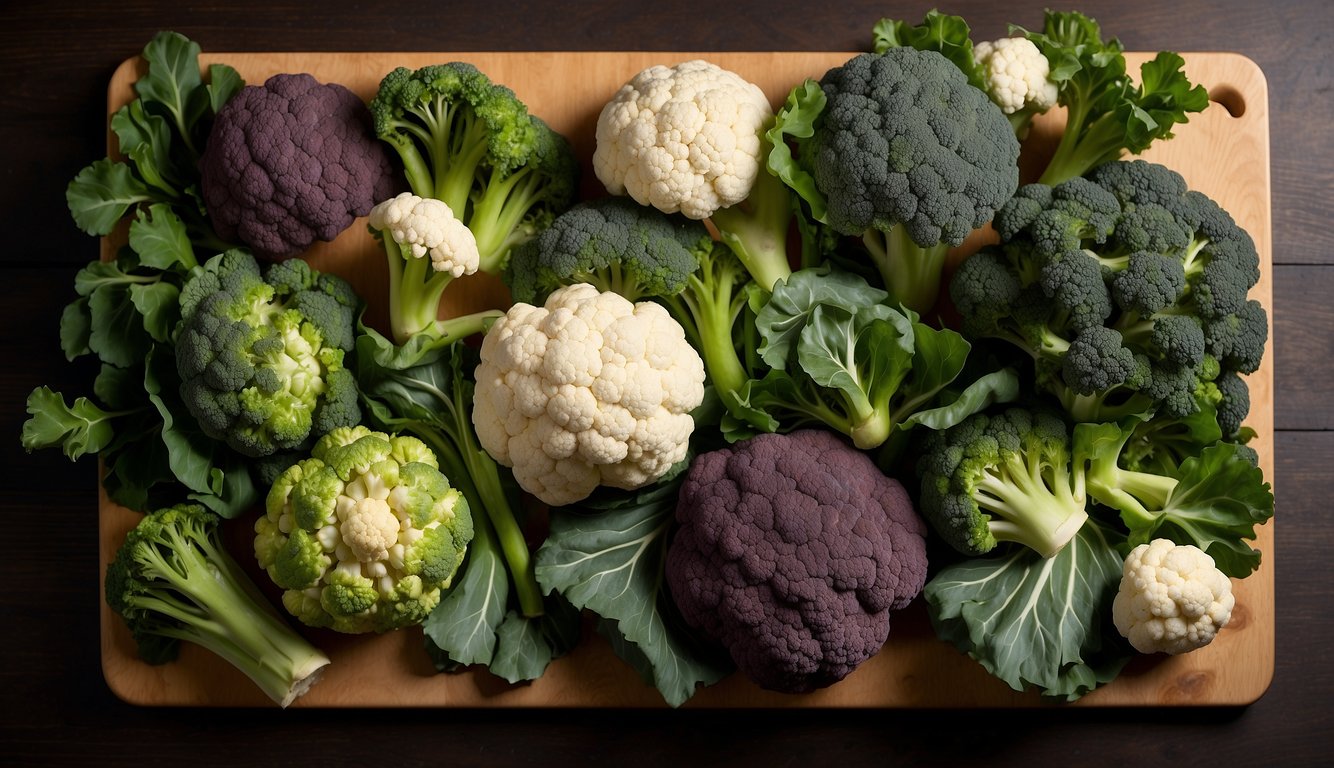
The unique components found in cruciferous vegetables, such as glucosinolates, have drawn interest from the scientific community for their possible role in disease prevention. Consumption of these vegetables has been associated with a lower risk of developing conditions such as heart disease and certain types of cancer. Being low in calories and high in nutrients, cruciferous vegetables are an excellent addition to any diet, contributing to weight management and improved metabolic health.
Key Takeaways
- Cruciferous vegetables offer a powerhouse of nutrients essential for maintaining good health.
- Regular consumption can aid in disease prevention and the betterment of your dietary patterns.
- They are versatile ingredients that can be easily incorporated into various meals for a healthier diet.
Nutritional Profile of Cruciferous Vegetables
Cruciferous vegetables are packed with a dense nutrient profile that can be a potent part of your diet. They offer a variety of vitamins and minerals, along with fiber and antioxidants which are essential for maintaining good health.
Vitamins and Minerals
Your body requires a range of vitamins and minerals to function optimally, and cruciferous vegetables are a rich source. They contain high levels of vitamin C, necessary for the growth and repair of tissues in all parts of your body. Vitamin K, which is essential for bone health and wound healing, is also abundant in these vegetables. Additionally, they are a good source of folate (vitamin B9), important for normal tissue growth and cell function. Minerals such as calcium, vital for bone health, and iron, crucial for oxygen transport in the blood, are also found in these nutritious veggies.
- Vitamin C: Supports immune function and skin health.
- Vitamin K: Key for blood clotting and bone metabolism.
- Folate: Necessary for DNA synthesis and repair.
- Calcium: Essential for bone strength and cardiovascular function.
- Iron: Integral for hemoglobin formation and muscle metabolism.
Fiber and Antioxidants
Cruciferous vegetables are not only low in calories but are also high in fiber, which can improve your digestive health and aid in weight management by keeping you feeling full longer. The antioxidants in these vegetables, such as the compounds that give them their characteristic bitter taste, play a role in reducing oxidative stress in your body. They also contain phytonutrients that can help in protecting cells from damage.
- Fiber: Enhances satiety, supports a healthy digestive system.
- Antioxidants: Combat oxidative stress, may lower cancer risk.
- Phytonutrients: May protect against cellular damage.
By including cruciferous vegetables in your diet, you’re not just adding flavor. You’re also contributing to your body’s daily nutritional needs, supporting overall health and wellness.
Health Benefits
Cruciferous vegetables offer a powerful blend of nutrients that are beneficial to your health. From protective compounds that may reduce the risk of certain cancers to nutrients that support heart health and weight management, incorporating these vegetables into your diet is a smart choice for your overall well-being.
Cancer Protection
Cruciferous vegetables are notable for their glucosinolates, which your body converts into cancer-fighting compounds. Research suggests that these compounds may lower the risk of various cancers, including prostate cancer and colorectal cancer. It’s also been found that women who consume more cruciferous vegetables may have a lower risk of breast cancer.
- Prostate cancer: Components in these vegetables may help inhibit the growth of prostate cancer cells.
- Breast cancer: Substances in cruciferous veggies may block cancer cell growth and promote the death of breast cancer cells.
Heart Health
Cruciferous vegetables contribute to heart health by impacting your blood pressure and cholesterol levels. Glucosinolates can aid in reducing LDL (bad) cholesterol, while fiber and other anti-inflammatory properties support healthy blood clotting and arterial function.
- Blood pressure: The potassium found in these vegetables can help keep your blood pressure in check.
- Cholesterol levels: Fiber in cruciferous vegetables is known for its ability to manage cholesterol.
Weight Management
Incorporating cruciferous vegetables into your diet may aid in weight management. These nutrient-dense yet low-calorie foods are high in fiber, which helps you feel full longer and may reduce the temptation to overeat thus helping to combat obesity.
- High in fiber: Keeps you satiated and helps lower calorie intake.
- Low calorie: Allows for larger portions without consuming excessive calories.
Digestive Support
Cruciferous vegetables are high in fiber, which is essential for good digestive support. Fiber helps to regulate your digestive system and can contribute to a healthy gut flora, playing a role in overall health and disease prevention.
- Promotes regularity: Fiber aids in preventing constipation.
- Supports gut health: Fuels beneficial gut bacteria.
Role in Disease Prevention
Cruciferous vegetables are more than just a part of a healthy diet; they play a specific role in disease prevention. They’re packed with essential nutrients and compounds that can help manage chronic conditions and reduce the risk of developing certain diseases.
Diabetes Management
Eating cruciferous vegetables may improve your blood sugar control, which is crucial if you’re dealing with diabetes. The high fiber content is known to slow down glucose absorption into your bloodstream, potentially reducing blood sugar spikes. For instance, a study indicated that higher intakes of these vegetables were linked to a lower risk of type 2 diabetes.
Inflammation Reduction
Chronic inflammation is at the heart of many diseases, including arthritis and heart disease. The antioxidants in cruciferous vegetables, like vitamins C and E, can help reduce oxidative stress and combat inflammation. Specifically, the sulfur-containing compounds glucosinolates, convert into active forms like isothiocyanates and indoles upon consumption, which have been recognized for their anti-inflammatory properties.
Hypothyroidism Support
If you’re concerned about your thyroid health, be mindful of your intake of cruciferous vegetables. While they contain essential nutrients for overall health, excessive consumption might affect thyroid function due to substances called goitrogens. However, cooking these vegetables can help inactivate some of the goitrogens, making them safer to consume if you have hypothyroidism. It’s important to balance your diet and not eat these vegetables in overly large amounts.
How to Include Cruciferous Vegetables in Your Diet
Incorporating cruciferous vegetables into your diet can be both delightful and nutritious. These vegetables are versatile and can be enjoyed in a variety of dishes, whether you like them raw or cooked. Below, you’ll find practical cooking methods and recipe ideas to maximize their flavor and health benefits.
Cooking Methods
- Raw: Enjoy cruciferous veggies like broccoli and cauliflower chopped in your salad or as a crunchy snack.
- Juicing: Make a nutritious juice or smoothie by blending kale or spinach with fruits and other vegetables.
- Steaming: Retain maximum nutrients by steaming Brussels sprouts or bok choy until they’re tender.
- Boiling: While it can be a quick method, boiling can lead to nutrient loss; reserve it for making soups.
- Roasting: Enhance the flavors through roasting; cauliflower or broccoli florets become caramelized and delicious.
- Sautéing: Quickly sauté cabbage or kale with garlic for a flavorful side dish.
- Stir-frying: Mix various cruciferous veggies in a stir-fry for a quick and healthy meal.
- Mashing: Make a mash from cooked cauliflower as a low-carb alternative to mashed potatoes.
Recipe Ideas
- Salads: Toss raw chopped vegetables like radishes and arugula with a vinaigrette for a refreshing salad.
- Smoothies: Combine frozen broccoli with berries in a smoothie for a nutrient-packed drink.
- Pizza Crust: Use cauliflower to make a gluten-free pizza crust; top with your favorite ingredients.
- Soups: Blend cooked vegetables into a creamy soup, or add chunks to a hearty minestrone.
- Pesto: Create a twist on traditional pesto by using kale or arugula blended with nuts and cheese.
- Side Dishes: Mix in roasted Brussels sprouts or steamed cabbage as a side to your main course.
Incorporating these vegetables into your diet can be simple and enjoyable. There’s no need to compromise on taste or nutrition with the multitude of culinary possibilities these vegetables offer.
Potential Health Considerations
When incorporating cruciferous vegetables into your diet, it’s important to be aware of certain considerations that might affect your health. Generally, these vegetables are packed with nutrients, but they can also cause some digestive discomfort for some people.
-
Gas and Bloating: You might experience gas and bloating after eating cruciferous vegetables. This is due to their high fiber content and the presence of raffinose, a complex sugar that can be difficult for your body to break down.
-
Goitrogens: These vegetables contain substances known as goitrogens, which can interfere with the function of the thyroid gland. Goitrogens can inhibit iodine uptake, potentially affecting thyroid health.
-
Iodine Deficiency: If you have an iodine deficiency or a pre-existing thyroid condition, you might need to monitor your intake of cruciferous vegetables. They could potentially exacerbate iodine deficiency due to their goitrogenic properties.
To minimize potential negative effects, here are some tips:
- Start Slowly: Gradually increase your intake to allow your body to adjust.
- Cooking: Cooking can help reduce the goitrogenic compounds in these vegetables.
- Variety: Ensure a balanced diet by incorporating a variety of foods.
By being aware of these aspects and adjusting your consumption accordingly, you can enjoy the benefits of cruciferous vegetables while minimizing any adverse effects. If you have concerns about your thyroid health or experience significant discomfort, consider consulting a healthcare provider.
Cruciferous Vegetables and Their Unique Components
Cruciferous vegetables boast special phytonutrients, positioning them as not only an essential part of your diet but also a proactive choice for health management. These phytonutrients include glucosinolates and their derivatives, which may offer significant anticancer effects.
Phytochemicals and Glucosinolates
You may already know that cruciferous vegetables are packed with vitamins and minerals, but their true standout features are the phytochemicals and glucosinolates. Glucosinolates are sulfur-containing compounds found almost exclusively in cruciferous vegetables. They are the precursors to a variety of bioactive compounds and have been researched for their potential to activate enzymatic defenses in your DNA structure. When you consume and digest these vegetables, glucosinolates break down into several biologically active compounds that are under investigation for their ability to impede the development of cancer.
Sulforaphane and Indoles
Among the various products derived from glucosinolates, sulforaphane and indoles stand out. Sulforaphane arises from glucosinolates and it has been especially noted for its potential to target cancer cells and other benefits, like DNA protection without harming normal cells. Indoles, on the other hand, are compounds that also come from glucosinolates and have been studied for their role in estrogen metabolism, which might relate to reductions in hormone-related cancer risks. Your consumption of cruciferous vegetables could contribute to these protective effects, thanks to the intricate play of these phytonutrients within the body.
Selecting and Storing Cruciferous Vegetables
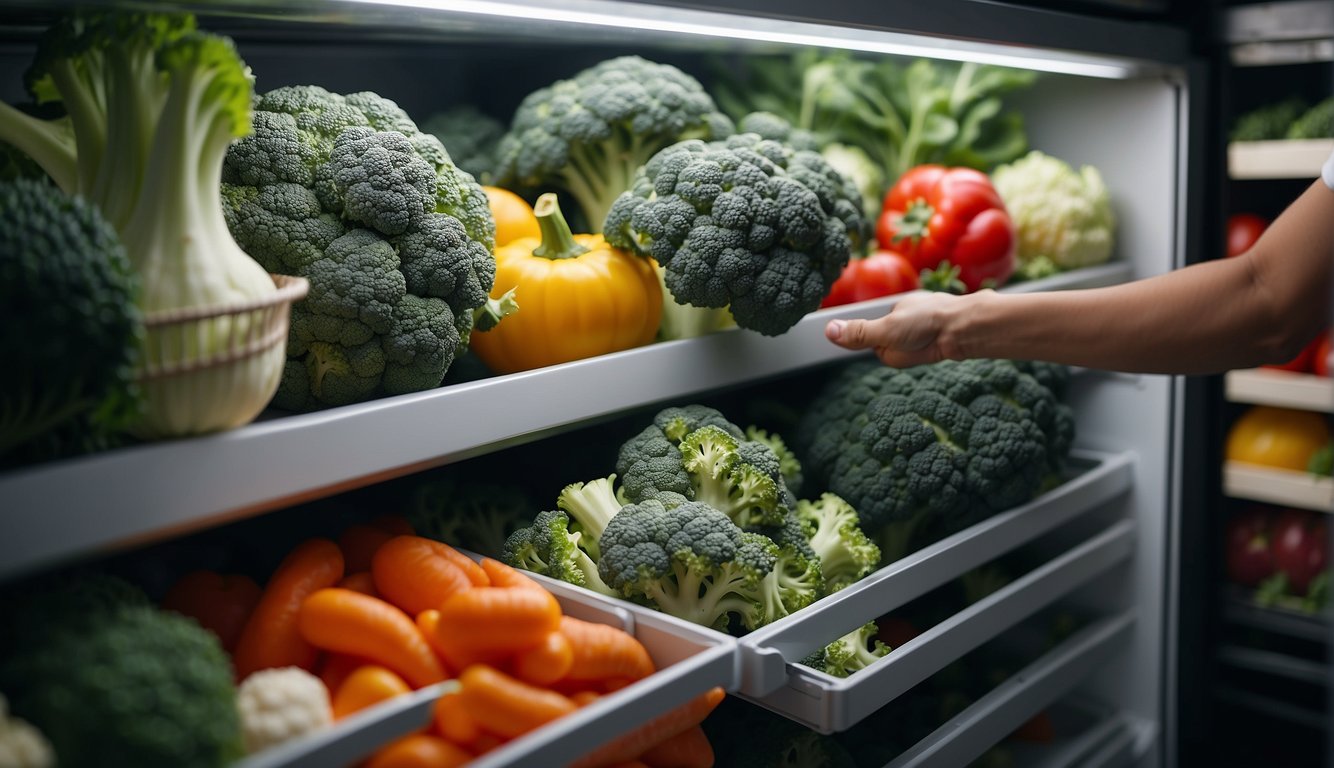
When choosing cruciferous vegetables like broccoli, cauliflower, and kale, it’s crucial to look for freshness and store them properly to maintain their nutritional value and taste.
Freshness Indicators
For broccoli and cauliflower, you should look for firm heads with tightly closed, vibrant florets. Any yellowing or flowers that are starting to spread apart indicate aging. Fresh kale, arugula, and watercress should boast deep, rich colors and crisp leaves. When examining Brussels sprouts, ensure they are green and firm, without any yellow leaves.
Bok choy, radishes, and kohlrabi are at their best when they are firm and unblemished. With rutabaga and daikon, the skin should be smooth and devoid of soft spots. Examine wasabi for any signs of mold or softness, as it should be firm to the touch as well.
Storage Tips
- Refrigeration is key for most of these vegetables; store them in your crisper drawer. Broccoli should be kept in an open plastic bag, and cauliflower can last better when wrapped in a damp paper towel and placed in a perforated bag.
- Leafy greens like kale, arugula, and watercress benefit from being wrapped in a paper towel to absorb excess moisture before being placed in a plastic bag.
- For Brussels sprouts and radishes, remove any loose leaves and trim the stems before refrigeration. They can be stored in a container or breathable plastic bag.
Do not wash any cruciferous vegetables before storing, as the moisture can promote decay. The USDA recommends storing them at temperatures between 32°F and 40°F and always keep them away from raw meats to prevent cross-contamination. If you plan to use them soon, certain whole vegetables like kohlrabi and rutabaga can be kept at room temperature for a few days. However, for longer shelf life, refrigeration is advised.
Frequently Asked Questions
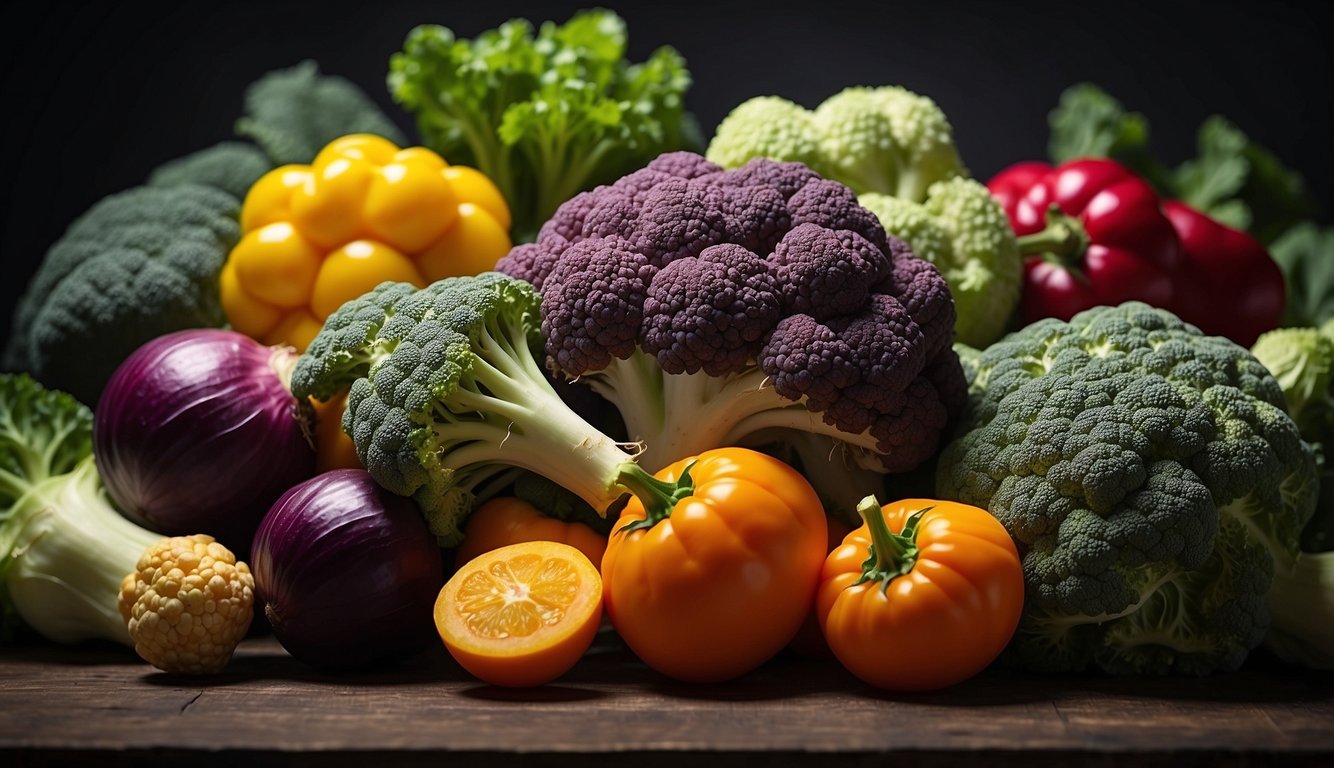
Cruciferous vegetables offer a powerful suite of health benefits due to their high nutrient content and bioactive compounds. Below are answers to common questions about these superfoods.
What are the health benefits of consuming cruciferous vegetables regularly?
Regular consumption of cruciferous vegetables contributes to a nutrient-rich diet and may reduce the risk of certain cancers, thanks to their glucosinolates and antioxidant properties.
Can eating cruciferous vegetables affect hormonal balance, particularly estrogen levels?
These vegetables contain compounds that may influence estrogen metabolism, possibly altering hormone levels slightly. However, the impact on hormonal balance typically supports overall health.
Are there any anti-inflammatory benefits associated with cruciferous vegetables?
Yes, due to their high levels of antioxidants, cruciferous vegetables can help reduce inflammation in your body, which is beneficial for preventing various chronic diseases.
Which specific types of cruciferous vegetables are known to be the most nutrient-dense?
Vegetables such as broccoli, Brussels sprouts, cabbage, and kale are among the most nutrient-dense, rich in vitamins, minerals, and fiber.
Is there a recommended frequency for consuming cruciferous vegetables for optimal health benefits?
While there’s no strict guideline, incorporating cruciferous vegetables into your diet several times a week can help you reap their health benefits.
What precautions should certain individuals take when incorporating cruciferous vegetables into their diet?
Individuals with thyroid issues should be mindful, as these veggies can affect iodine uptake. Cooking them can reduce this effect, but it’s advisable to consult with a healthcare provider if you have any concerns.