
Apiaceous vegetables, which include carrots, celery, parsley, and parsnips, are not just common ingredients that add flavor to our meals; they also offer a myriad of health benefits. These vegetables are known for their distinctive aromatic qualities and are part of the Apiaceae family. They are rich in important nutrients which contribute to overall health and can play a vital role in a balanced diet. Incorporating these vegetables into your meals can support various aspects of your well-being, from detoxification processes to the potential reduction of chronic disease risks.
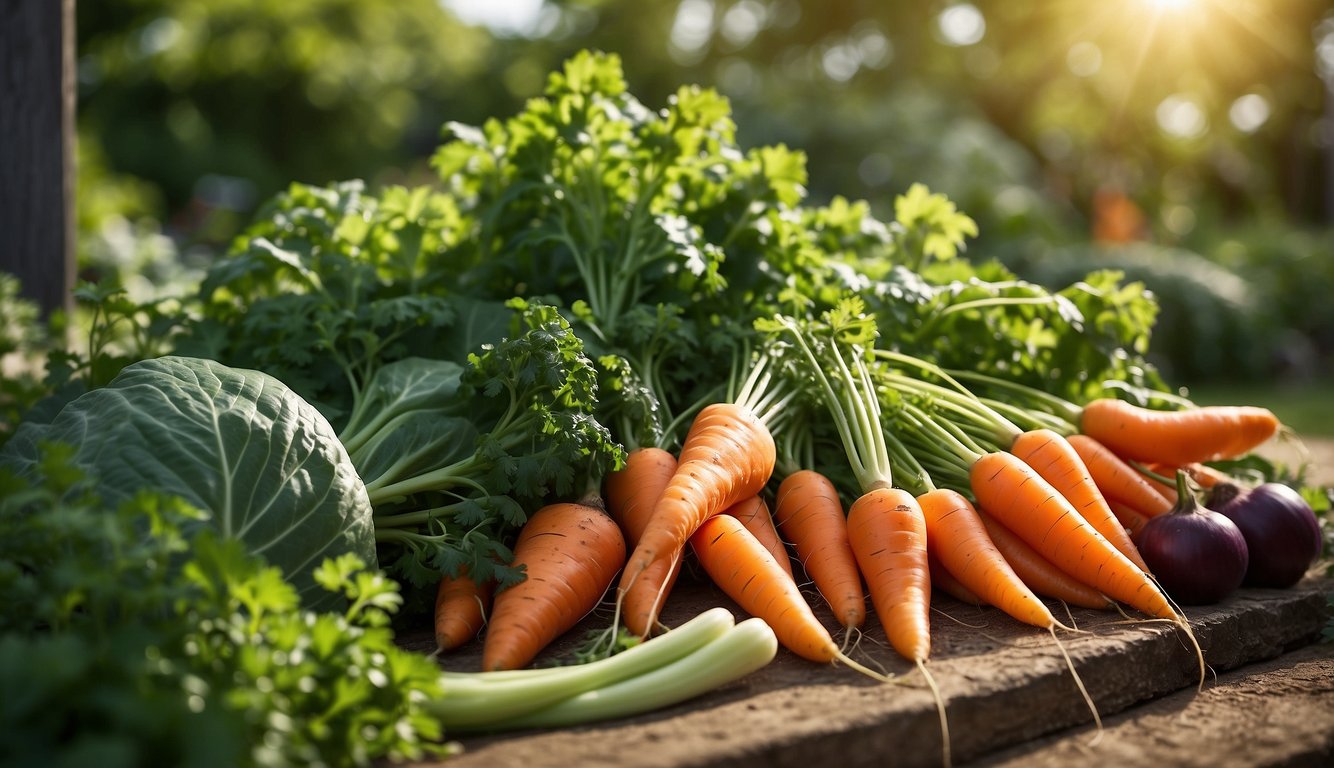
Research suggests that the unique phytonutrients found in the Apiaceae family may have protective effects against certain toxins. Particularly noteworthy is the ability of these vegetables to affect metabolic pathways involved in detoxification, which can help the body manage environmental and lifestyle-related toxin exposure. These compounds contribute to the wholesome profile of apiaceous vegetables, adding another layer of value to their regular consumption.
Key Takeaways
- Apiaceous vegetables provide essential nutrients beneficial for health.
- They may play a role in reducing the risk of chronic diseases.
- Including a variety of apiaceous plants adds both flavor and health benefits to your diet.
Nutritional Profile of Apiaceous Vegetables

Apiaceous vegetables, like carrots and celery, are nutritional powerhouses that provide a wealth of vitamins, minerals, and other nutrients important for your health.
Vitamins and Minerals in Apiaceous Plants
In the realm of apiaceous vegetables, carrots are a standout for their vitamin A content. Just one medium-sized carrot can deliver more than 200% of your daily vitamin A needs, critical for maintaining good vision and immune function. In addition to carrots, parsley is a notable herb high in vitamin C and K, essential for your immune system and blood clotting, respectively.
On the mineral side, veggies like parsnip and celery offer a spectrum of minerals. Parsnips provide a good source of potassium and manganese, while celery offers an array of minerals including calcium, magnesium, and phosphorus which are essential for maintaining strong bones and proper nerve function.
Table: Vitamins and Minerals in Carrots and Parsley
| Nutrient | Carrot (per medium size) | Parsley (per cup) |
|---|---|---|
| Vitamin A (IU) | 10,190 | 1,230 |
| Vitamin C (mg) | 3.6 | 79.8 |
| Vitamin K (µg) | 13.2 | 984 |
| Potassium (mg) | 320 | 332 |
| Manganese (mg) | 0.1 | 0.16 |
Dietary Fiber and Macronutrients
When it comes to dietary fiber, apiaceous vegetables like celery and parsnips have much to offer. Fiber is essential for digestive health and can aid in maintaining a healthy weight. For instance, one cup of chopped celery contains about 1.6 grams of fiber, and one cup of sliced parsnips provides about 6.5 grams.
Apiaceous vegetables are generally low in calories and provide a good balance of macronutrients, particularly when they are consumed as part of a varied diet. The carbohydrates present in these vegetables are complex, providing longer-lasting energy and helping to regulate blood sugar.
List: Fiber and Macronutrients in Celery and Parsnip
-
Celery (per cup, chopped):
- Dietary Fiber: 1.6 g
- Calories: 16
- Carbohydrates: 3 g
-
Parsnip (per cup, sliced):
- Dietary Fiber: 6.5 g
- Calories: 100
- Carbohydrates: 24 g
Incorporating a mix of these vegetables into your meals can ensure you reap the diverse nutritional benefits they have to offer.
Apiaceous Vegetables and Their Role in a Balanced Diet

Incorporating apiaceous vegetables into your diet can offer unique health benefits and assist in weight management due to their low caloric content and nutritional density.
Inclusion in Whole Food Diets
You can significantly enhance your whole food diet by integrating apiaceous vegetables, such as carrots, celery, parsley, and parsnips. These vegetables harbor an array of nutrients and phytochemicals that support overall health. For instance, the research suggests that certain compounds in these vegetables might contribute to the reduction of DNA adducts, which are a form of DNA damage associated with cancer risk (Apiaceous Vegetable Consumption Decreases PhIP-Induced DNA Adducts. Moreover, their high fiber content is beneficial for digestive health, providing a feeling of fullness which aids in avoiding overeating.
Caloric Impact and Weight Management
Apiaceous vegetables are typically low in calories, making them ideal for your weight loss efforts as part of a balanced diet. A cup of chopped carrots, for example, contains only about 52 calories, yet it is rich in vital nutrients (Calories in Carrots. By including these vegetables in your meals, you can increase the volume of food consumed while keeping calories in check, which is a key aspect of weight management. These vegetables can be a versatile and flavorful addition to a variety of dishes — from salads to soups — enhancing your diet without adding excess calories.
Specific Health Benefits of Apiaceous Vegetables
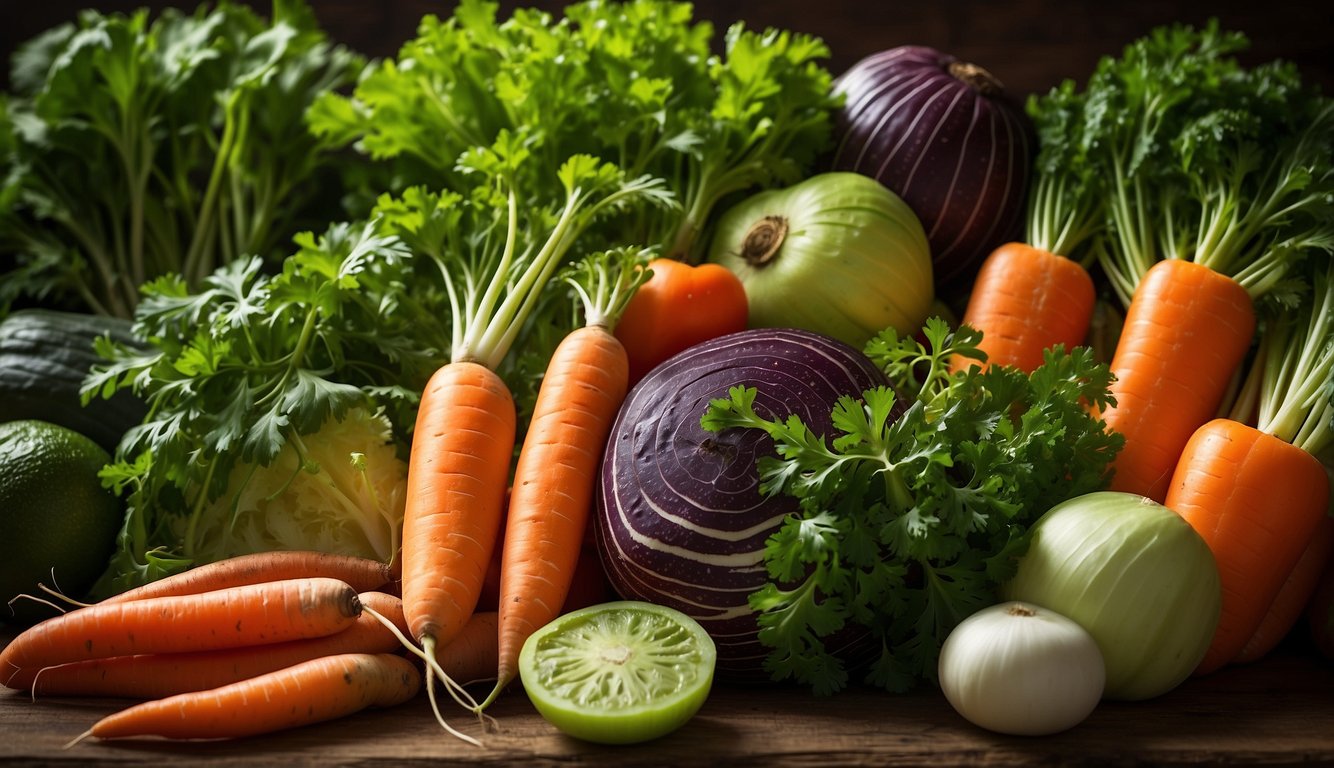
Apiaceous vegetables offer you a host of health benefits due to their unique combination of phytochemicals, particularly glucosinolates which play a pivotal role in reducing disease risks. Here’s how they can contribute to your health.
Reducing Inflammation and Oxidative Stress
The phytochemicals found in apiaceous vegetables, such as carrots and parsley, are known for their anti-inflammatory properties. They help combat oxidative stress, which is an imbalance between antioxidants and free radicals in your body. For example, the glucosinolates in celery can be converted into bioactive compounds that may reduce inflammation and oxidative damage to cells.
Detoxification and Liver Health
Your liver benefits greatly from apiaceous vegetables, like parsnips and celeriac. These vegetables enhance your liver’s detoxification enzymes, potentially aiding in the removal of toxins from the body. Glucosinolates present in these vegetables play a key role in this detoxifying process, contributing to healthier liver function.
Cancer Prevention and Risk Reduction
Including apiaceous vegetables in your diet is linked to a lower risk of certain cancers. This protective effect is due to the presence of glucosinolates, which upon consumption are broken down into compounds shown to inhibit cancer cell growth. Foods like fennel and cilantro contain these potent phytochemicals, which may help in cancer prevention by interfering with various stages of tumor development.
Impact of Apiaceous Vegetables on Chronic Diseases
Your diet plays a vital role in the prevention and management of chronic diseases, and incorporating apiaceous vegetables can bring significant health benefits. These vegetables contain compounds that may influence both cardiovascular health and blood sugar regulation.
Cardiovascular Health Advantages
Apiaceous vegetables, like carrots and celery, are linked to improved heart health. They are high in antioxidants which help reduce oxidative stress and inflammation—key factors in the development of cardiovascular disease. For instance, a study showed that these vegetables might modulate metabolic detoxification pathways, which can affect the overactivity of certain enzymes related to cardiovascular risks. This attribute can contribute to a healthier heart and potentially reduce incidents of cardiovascular diseases.
Blood Sugar Regulation
In addition to supporting heart health, apiaceous vegetables can help regulate your blood sugar levels. This is particularly important for managing and preventing diabetes, a common chronic condition. The fiber content in these vegetables slows down glucose absorption, contributing to steadier blood sugar levels. Moreover, certain compounds found in these vegetables can influence the activity of enzymes involved in the metabolism of xenobiotics, which plays a role in how your body responds to various drugs and can impact blood sugar management.
Unique Phytonutrients in Apiaceae Family

The Apiaceae family, with a wide range of vegetables like carrots and celery, is known for its dense concentration of health-promoting phytonutrients. These compounds, including glucosinolates and flavonoids, as well as essential oils, contribute to your wellbeing in various ways.
Glucosinolates and Flavonoids
You can find glucosinolates predominantly in Apiaceous vegetables. These sulfur-containing compounds have been largely studied for their role in cancer protection. Upon consumption and subsequent digestion, they break down into bioactive compounds that may inhibit the growth of cancer cells.
Flavonoids are another group of antioxidants present in the family. They span a wide variety, each with its own set of benefits, contributing to anti-inflammatory, neuroprotective, and cardioprotective effects. These compounds help defend your cells against oxidative stress and associated chronic diseases.
Essential Oils and Their Therapeutic Effects
The signature aroma of Apiaceae vegetables comes from their essential oils. These oils, beyond imparting flavor, harbor potential therapeutic effects. For instance, the oil found in coriander seeds offers digestive benefits and may also possess antimicrobial properties.
Carrot seed oil, rich in compounds like carotol, has been used for its skin health-promoting properties. As natural antioxidants, essential oils from the Apiaceae family may also play a preventative role in your body’s aging processes.
Adding Variety to Your Diet with Apiaceous Plants

Incorporating apiaceous plants into your meals can enhance flavors and provide unique health benefits. These vegetables offer a spectrum of tastes and culinary possibilities, from the sweet crunch of carrots to the distinctive aroma of cumin.
Culinary Uses of Different Apiaceous Species
Apiaceous vegetables or plants, sometimes known as the Umbelliferae family, bring a range of flavors and textures to your kitchen. Here are a few popular members of this plant family and their uses:
- Carrots: A sweet and crunchy vegetable, ideal for snacking, roasting, or shredding into salads.
- Parsnips: Similar to carrots but with a nuttier flavor, perfect in soups or mashed as a side dish.
- Cumin: The earthy, warm seeds that are ground into a powder and used in spice blends, notably in Middle Eastern and Indian cuisines.
- Dill: With its feathery fronds and slightly tangy taste, dill is well-suited for seasoning fish or for use in dips and pickles.
- Anise: Known for its licorice-like flavor, anise seeds enhance baked goods and confectionaries.
- Caraway: These seeds provide a bittersweet sharpness to rye bread, sauerkraut, and a variety of cheeses.
By integrating these diverse flavors into your meals, you add not only excitement but also a host of nutrients to your diet.
Recipes and Preparation Methods
Experimenting with apiaceous vegetables and spices offers a wealth of culinary exploration. Here are some ideas to get you started:
- Carrots: Roast with a drizzle of olive oil and a sprinkle of cumin to bring out their natural sweetness.
- Parsnips: Try them in a creamy parsnip soup with a hint of caraway for a comforting winter dish.
- Cumin: Add depth to your chili recipes or sprinkle over grilled vegetables for a smoky flavor.
- Dill: Mix chopped dill into Greek yogurt with garlic for a quick and refreshing tzatziki sauce.
- Anise: Incorporate anise seeds into your baking recipes for a unique twist on classic cookies.
- Caraway: Perfect in homemade rye bread or as a spice rub for pork meat.
Embrace the versatility of these plants to level up your cooking repertoire. Whether it’s trying out new spices like anise and caraway in your baking or turning carrots and parsnips into comforting soups and side dishes, there’s no shortage of ways to enrich your diet with the variety of apiaceous plants.
Environmental and Lifestyle Factors

In addressing how you can protect your health, an understanding of environmental and lifestyle factors is crucial. Environmental carcinogens and diet choices play vital roles in disease prevention.
Exposure to Environmental Carcinogens
You are exposed to various environmental carcinogens daily. From the air you breathe to the water you drink, substances that can potentially cause cancer are a part of your environment. Among the pollutants, air pollution poses a significant risk due to prevalent toxic compounds like benzene and formaldehyde. Moreover, components in cigarette smoke, such as polycyclic aromatic hydrocarbons and nitrosamines, are proven carcinogens that not only affect smokers but also impact non-smokers through second-hand exposure.
Diet and Lifestyle in Disease Prevention
Your diet and lifestyle are powerful tools in preventing diseases. Including certain types of vegetables in your diet, particularly apiaceous vegetables such as celery and parsley, can actively support your body’s detoxification processes. Studies have highlighted that increasing your intake of these vegetables can help reduce toxins from cigarette smoke and air pollution. Furthermore, making behavioral changes such as choosing whole grains and fiber-rich foods contributes substantially to lowering the risk of chronic conditions like obesity, cardiovascular diseases, and type II diabetes while also enhancing intestinal transit.
Frequently Asked Questions

Apiaceous vegetables are known for their unique health benefits, from reducing inflammation to aiding in digestion. Here’s what you need to know about them.
What nutritional advantages do carrots offer?
Carrots are a rich source of beta-carotene, which your body converts into vitamin A, essential for good vision, immune function, and skin health. They also provide dietary fiber, antioxidants, and several vitamins and minerals.
How does consuming celery impact overall health?
Celery is low in calories but high in water content and fiber, which can aid in digestion and promote a feeling of fullness. The vegetable also contains antioxidants like flavonoids that may lower inflammation and blood pressure.
What health benefits are linked to eating parsley regularly?
Parsley is more than just a garnish; it’s a powerhouse of nutrients like vitamin K, essential for bone health, and vitamin C, which supports your immune system. It also contains antioxidants that help to protect the body from cellular damage.
Can regular consumption of fennel improve digestion?
Fennel, with its unique compounds like anethole, has been linked to anti-inflammatory effects and may help soothe the digestive tract, reducing gas and bloating. Its high fiber content also promotes regularity.
What role do apiaceous vegetables play in disease prevention?
Regular intake of apiaceous vegetables such as carrots, celery, and parsley, can contribute to disease prevention by providing antioxidants that reduce oxidative stress and defend against chronic conditions.
How do parsnips contribute to a balanced diet?
Parsnips, often overlooked, are a good source of fiber, which promotes digestive health and can aid in blood sugar control. They also provide vitamins and minerals such as vitamin C and folate, contributing to a well-rounded diet.