
Lemongrass, a popular herb used in many cuisines, is known for its distinct aroma and flavor. Originating from Asia, particularly in countries like India, Thailand, and Vietnam, lemongrass is often used to enhance the taste of dishes, soups, and desserts. In addition to its culinary use, lemongrass is highly valued for its powerful healing properties that have been utilized in traditional medicine practices for centuries.

The healing properties of lemongrass are attributed to the presence of various bioactive compounds, which are known to benefit overall health and wellness. The herb boasts an impressive nutritional profile, which includes essential nutrients such as vitamins, minerals, and antioxidants. These compounds work together, offering numerous health benefits ranging from reducing inflammation and stress to aiding digestion and combating infections.
Key Takeaways
- Lemongrass offers various health benefits, including inflammation reduction and infection prevention.
- It has a rich nutritional profile comprising vitamins, minerals, and antioxidants.
- The versatile herb is utilized in many ways, such as culinary dishes, aromatherapy, and herbal teas.
Origins and Uses of Lemongrass
https://www.youtube.com/watch?v=tudqV9VSqS8&embed=true
Lemongrass, scientifically known as Cymbopogon citratus, is a popular herb native to Southeast Asia, Africa, and tropical regions. It belongs to the Poaceae family, commonly known as the grass family. The tall, grassy plant is characterized by its slender leaves and strong lemony aroma.
Historically, lemongrass has played a significant role in traditional cooking, particularly in Thai and other Southeast Asian cuisines. It is widely used as a flavorful ingredient in soups, beverages, and various dishes due to its unique taste and aroma. Additionally, it is often incorporated in tea blends and serves as a natural remedy for a range of health issues.
In countries like Thailand, Vietnam, and Indonesia, lemongrass has been a staple ingredient for centuries. Its unique, citrusy flavor is particularly appreciated in dishes such as Tom Yum soup, a famous Thai dish. Not only limited to Asian countries, this versatile herb has also gained popularity in America and other western cuisines, enhancing culinary experiences around the world.
The essential oil extracted from lemongrass leaves has numerous applications as well. It is widely used in aromatherapy owing to its calming and soothing properties. Furthermore, lemongrass essential oil serves as a natural insect repellent, making it a valuable addition to various products like candles and balms.
In summary, lemongrass is a versatile and aromatic herb, essential in traditional Southeast Asian cooking, and recognized for its various applications in aromatherapy and natural remedies across the globe. The extraordinary properties and uses of lemongrass make it a prized plant in modern society, providing numerous benefits and enriching culinary experiences.
Nutritional Content of Lemongrass
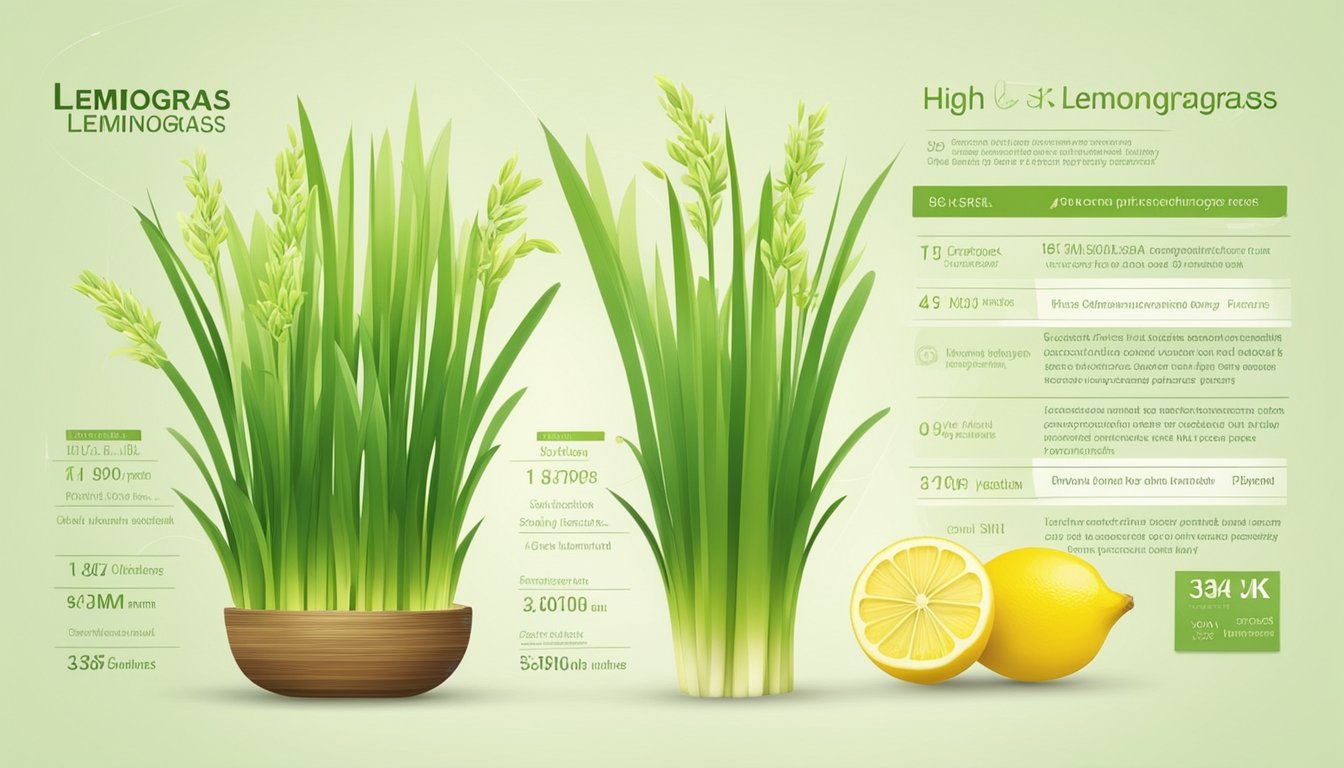
Lemongrass, also known as fever grass, is a popular herb with a range of health benefits. One of the reasons it is highly valued is due to its impressive nutritional profile. Lemongrass is rich in various vitamins and minerals, contributing to overall health and wellness.
In terms of vitamin content, lemongrass is a good source of vitamins A, B, and C. Vitamin A is essential for maintaining healthy vision, while B vitamins help in energy production and the maintenance of a proper nervous system function. Vitamin C, on the other hand, supports immune system function and helps the body absorb iron, contributing to overall health.
When it comes to minerals, lemongrass contains substantial amounts of iron, calcium, magnesium, potassium, zinc, phosphorus, and manganese. Iron is crucial for the production of hemoglobin, which carries oxygen to the body’s cells. Calcium helps maintain strong bones and teeth, and magnesium is important for nerve and muscle function. Potassium aids in maintaining fluid balance and supporting heart health, while zinc plays a critical role in immune function and wound healing. Phosphorus and manganese both contribute to overall bone health and metabolism.
Folic acid and folate, which are essential for DNA synthesis and cell division, are also found in lemongrass. These nutrients play a particularly important role during pregnancy, as they are necessary for the proper development of the fetus.
The macronutrient profile of lemongrass consists of a low-calorie composition. Per serving, it typically contains 1 gram of protein, 0 grams of fat, 7 grams of carbohydrates, 0 grams of fiber, and 0 grams of sugar. This low macronutrient content makes lemongrass a suitable addition to any diet, even for those watching their weight or managing their blood sugar levels.
In conclusion, the nutritional content of lemongrass is quite diverse and beneficial. From vitamins and minerals to low macronutrient levels, this herb truly offers an array of valuable nutrients that contribute to overall health and wellbeing.
Health Benefits of Lemongrass
https://www.youtube.com/watch?v=t1nbUvnmJfU&embed=true
Lemongrass is a popular herb known for its many health benefits, including reducing inflammation and pain. It contains several essential vitamins and minerals, contributing to overall health and well-being.
One of the prominent benefits of lemongrass is its ability to help manage pain and inflammation. It contains analgesic and anti-inflammatory properties that can assist in relieving painful symptoms associated with conditions such as rheumatism and arthritis. Furthermore, it can effectively lower cholesterol levels and improve overall heart health.
Lemongrass also exhibits strong antioxidant properties, which help to neutralize free radicals and reduce oxidative stress. This, in turn, contributes to a stronger immune system and protection against various diseases, including cancer.
Another notable benefit of lemongrass is its diuretic effect, which helps cleanse the liver and kidneys. This cleansing effect can aid in eliminating harmful toxins, as well as reducing the risk of developing gastric ulcers and other digestive system disorders.
The antimicrobial properties of lemongrass are also essential for maintaining good health. They can help protect against antibiotic-resistant bacteria, making it a useful addition to a healthy diet.
In addition to its physical health benefits, lemongrass also provides mental relief by helping to reduce anxiety and stress. It has a calming effect, which can contribute to better sleep and increased mental clarity.
Lemongrass also holds potential benefits for those with diabetes. It can help to regulate blood sugar levels and support healthy blood pressure, both essential factors in managing the disease.
In conclusion, lemongrass offers various medicinal benefits, making it an essential herb to include in a healthy lifestyle. From pain management and heart health to immune support and digestive aid, lemongrass can truly make a positive impact on one’s overall well-being.
Lemongrass in Aromatherapy
https://www.youtube.com/watch?v=K1QLonaZ2rM&embed=true
Lemongrass is well-known for its application in aromatherapy as an essential oil. Lemongrass essential oil carries numerous therapeutic benefits that can improve one’s mental and physical health. Extracted from the leaves and stalks of the Cymbopogon citratus plant, this versatile oil can help with various concerns such as stress, anxiety, and sleep.
In aromatherapy, lemongrass essential oil is often used for its calming effects. It helps individuals experiencing high levels of stress to experience relaxation and ease anxiety. The soothing scent of lemongrass can also help improve one’s overall mood and emotional well-being, making it a popular choice for alleviating depression and negative emotions. Healthline emphasizes the benefits of using lemongrass essential oil in aromatherapy to relieve stress and anxiety.
When it comes to sleep, using lemongrass essential oil can aid in mitigating insomnia and promoting better-quality rest. The aromatic compounds found in lemongrass essential oil can help relax the mind, which may lead to sedation and ultimately improved sleep. A study from Aroma Foundry highlights the calming and soothing effects of the oil in promoting better sleep.
To incorporate lemongrass essential oil in aromatherapy, users can diffuse it in an oil diffuser or combine a few drops with a carrier oil for topical application. It is essential to exercise caution when using essential oils, as overuse or undiluted application can lead to adverse reactions such as skin irritation or allergic reactions. Be sure to follow the recommended guidelines for usage and consult a professional if you are unsure about incorporating lemongrass essential oil into your aromatherapy routine.
Lemongrass as a Herbal Tea
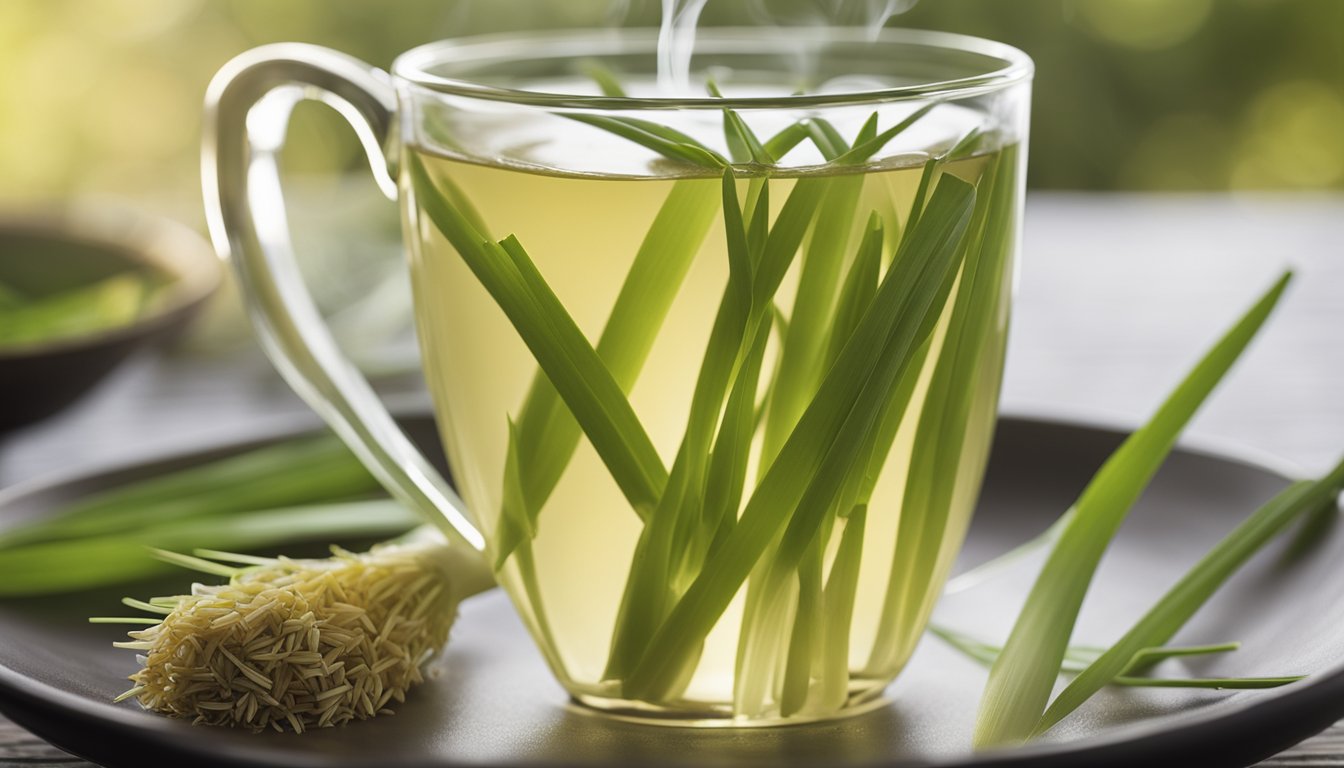
Lemongrass tea is an aromatic and delightful beverage made by steeping the fresh or dried leaves of the lemongrass plant in boiling water. This herbal tea offers numerous health benefits, largely attributed to its rich content of antioxidants and other beneficial compounds.
One of the main advantages of lemongrass tea is its antioxidant properties. Antioxidants play a crucial role in neutralizing free radicals, which are harmful molecules that can cause cell damage and contribute to chronic diseases. The antioxidants found in lemongrass tea can help support the body’s natural defense mechanisms and promote overall health.
In addition to antioxidants, lemongrass tea provides a calming and relaxing effect when consumed. It has been noted that sipping on a warm cup of lemongrass tea may alleviate anxiety and stress, as reported by the Memorial Sloan Kettering Cancer Center. This makes it an excellent choice for those seeking a natural and soothing way to unwind after a long day.
There are several ways to prepare and enjoy lemongrass tea:
- Fresh lemongrass: Cut and bruise a few stalks of lemongrass, add them to boiling water, and let it steep for a few minutes before enjoying the tea.
- Dried lemongrass: Use dried lemongrass leaves and steep them in boiling water for several minutes, then strain and serve.
- Lemongrass tea bags: Convenient and easy to use, simply steep the tea bag in hot water for the suggested time on the package, usually around 5 minutes.
In conclusion, lemongrass tea is a flavorful and healthful herbal drink that offers numerous benefits, including its rich antioxidant content and soothing effects. Incorporating this beverage into your daily routine may contribute to a healthier and more relaxed lifestyle.
Potential Side Effects of Lemongrass

Lemongrass is generally considered safe for most people when consumed in moderate amounts. However, it is important to be aware of the potential side effects and precautions that should be taken, especially in certain situations.
One of the most common side effects associated with lemongrass is the possibility of an allergic reaction. These reactions may manifest as a rash or skin irritation, especially when using lemongrass essential oil topically. It is recommended to perform a patch test before applying it directly onto the skin to ensure no adverse reaction occurs.
Ingesting lemongrass may also cause some gastrointestinal issues, such as nausea and diarrhea for individuals with sensitive stomachs. It is important to start with small amounts and gradually increase the intake to monitor individual tolerance.
Some people might also experience dizziness after consuming lemongrass, particularly in higher doses. Should this occur, it is advisable to reduce the intake or discontinue use altogether.
It is worth noting that pregnant women should exercise caution when using lemongrass. Some studies suggest that lemongrass is likely unsafe during pregnancy, as it may cause uterine contractions leading to complications. Pregnant women should consult a healthcare professional before including lemongrass in their diet or using it in any form.
To minimize the risk of experiencing side effects, the following recommendations can be followed:
- Use lemongrass in moderation and according to the suggested dosages.
- Perform a patch test before applying lemongrass oil topically.
- Consult a healthcare professional before using lemongrass during pregnancy.
By being aware of the potential side effects and taking the necessary precautions, lemongrass can be enjoyed safely as part of a healthy lifestyle.
Use of Lemongrass Oil
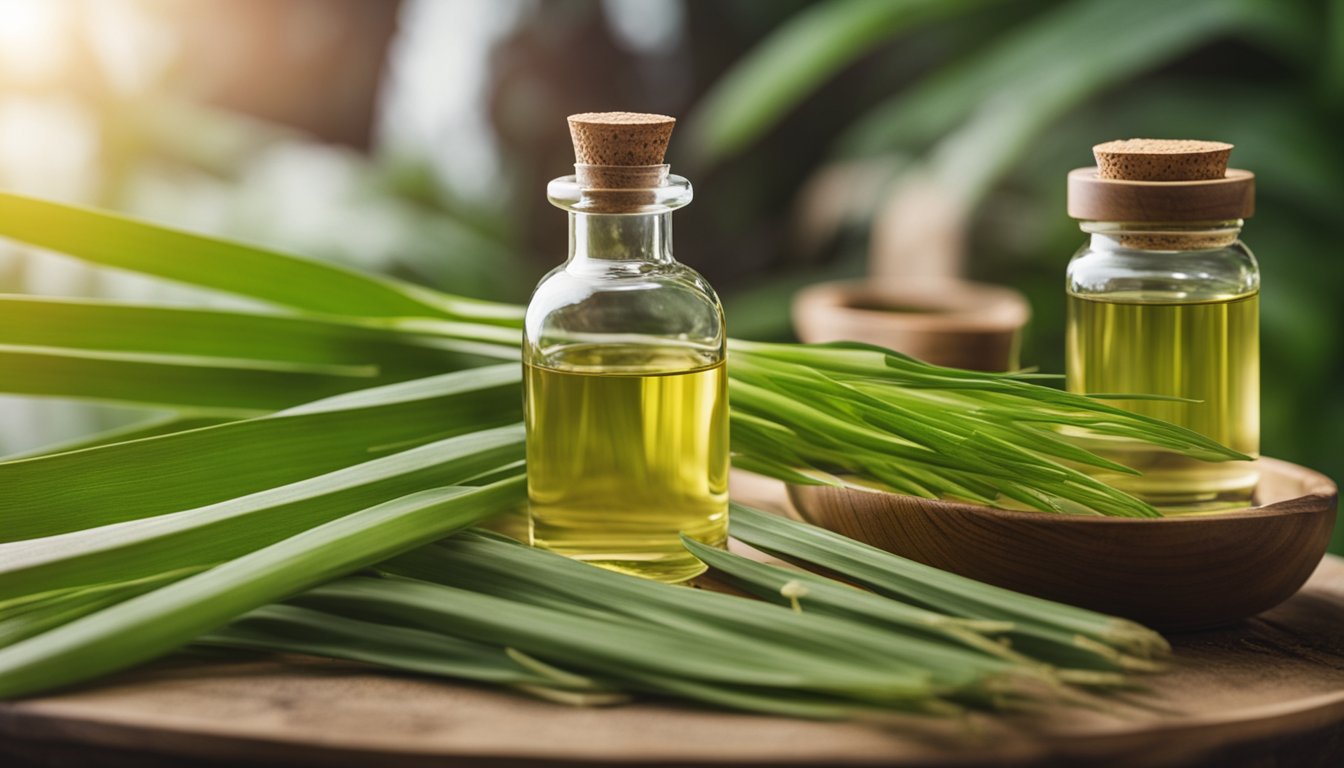
Lemongrass oil is derived from the Cymbopogon plant, which has been known for its various therapeutic properties. The oil provides several benefits and uses that could be of interest to those seeking natural remedies.
One of the primary uses of lemongrass oil is for its antibacterial and antifungal properties. It has been found effective in inhibiting the growth of bacteria and can be used topically for minor wounds to help avoid infection.
Lemongrass oil also serves as a natural repellent against insects like ants and mosquitoes, thanks to its primary component, citronella. The strong, pleasant aroma of lemongrass oil can discourage insects from coming near and its antibacterial properties also help in keeping pest-borne infections at bay.
In addition to these uses, lemongrass oil can be helpful in relieving muscle pain and inflammation. It is a popular choice for massage therapy due to its soothing properties. When applied topically, it alleviates muscle discomfort and stiffness, ensuring relaxation and rejuvenation.
To summarize, lemongrass oil is a versatile extract with numerous applications, from offering antibacterial and antifungal protection to providing relief from muscle pain and acting as an insect repellent. It is a useful addition to one’s natural remedy arsenal, making it a popular choice among those seeking alternative treatments.
Lemongrass in Dietary Supplements

Lemongrass, a popular ingredient in Southeast Asian cuisine, has also gained attention in the world of dietary supplements due to its potential health benefits. Rich in antioxidants, it is believed to help tackle free radicals which are harmful compounds associated with various health issues1.
One of the primary reasons people incorporate lemongrass into their diet is its potential effect on cholesterol levels. Research has shown that lemongrass may help reduce high cholesterol2. A study on rats found that a seven-day treatment with lemongrass extract led to elevated good cholesterol (HDL) levels and reduced bad cholesterol (LDL) levels3. This suggests that lemongrass might be a natural remedy for maintaining healthy cholesterol levels in the human body.
Lemongrass is also known to possess anti-inflammatory properties4, thanks to its antioxidant quercetin—a flavonoid or phytonutrient. By preventing the release of inflammation-causing chemicals in the body, lemongrass may contribute to overall health and help prevent various chronic diseases.
When it comes to supplements, lemongrass is usually available in the form of tea, essential oil, or capsules. Drinking lemongrass tea daily can assist in detoxifying the entire body5. Its diuretic properties help flush out harmful toxins and eliminate uric acid, providing benefits for those with high cholesterol.
However, it is essential to note that while lemongrass shows promise for its health benefits, further research is required to fully understand its potential in supplement form. Nevertheless, incorporating lemongrass into your daily routine, whether as a flavorful ingredient or a dietary supplement, could provide valuable benefits to maintaining a healthy lifestyle.
Footnotes
Other Applications of Lemongrass
Lemongrass is known for its diverse applications in various domains. In the personal care industry, lemongrass is commonly used as a key ingredient in soaps due to its refreshing and pleasant fragrance. Moreover, it possesses antibacterial properties that make it beneficial for warding off bacterial infections and maintaining skin health.
Lemongrass has also been found to be effective in repelling rats and other animals. Its strong scent serves as a natural deterrent, keeping the pests away from homes and gardens without causing harm to the environment.
In traditional medicine, lemongrass has been used as an astringent and antiseptic. As an astringent, it helps in tightening the skin and reducing pore size, while its antiseptic properties aid in preventing and treating minor wounds and infections.
Here are some more applications of lemongrass:
- Edema management: Lemongrass has been known to reduce fluid retention and alleviate the discomfort caused by edema.
- Fighting fungal infections: Lemongrass essential oil is considered effective in combatting yeast infections and inhibiting fungal growth due to its potent antifungal properties.
- Dandruff control: The natural antifungal and antibacterial components of lemongrass help in addressing dandruff issues and soothing an itchy scalp.
- Dental health: Lemongrass’s antimicrobial properties are also beneficial in preventing cavities by fighting the bacteria responsible for tooth decay.
While research is ongoing, some studies have indicated that lemongrass may play a role in supporting patients undergoing chemotherapy. It is believed to help protect the kidneys and alleviate some side effects of the treatment. However, it is essential to consult a healthcare professional before using lemongrass in this context.
Lastly, lemongrass is a source of various essential minerals, including copper, which is crucial for maintaining a healthy metabolism and supporting the formation of red blood cells.
Conclusion
Lemongrass is a versatile herb with various healing properties that can be beneficial to our health. It is known to contain valuable nutrients and antioxidants that play a critical role in maintaining our overall well-being[^1^].
One significant benefit of lemongrass is its ability to potentially reduce the risk of heart disease by lowering bad cholesterol levels and supporting against hypertension. This herb also exhibits antimicrobial properties that are beneficial in combating infections and boosting the immune system[^2^].
Apart from that, lemongrass is known to help in managing type 2 diabetes and promoting healthy skin. Its popular use in aromatherapy is credited for combating fatigue, anxiety, and bad body odor[^3^].
Finally, lemongrass is helpful in alleviating gastrointestinal issues such as stomach discomfort, cramps^[4], and vomiting. Moreover, several studies suggest that lemongrass tea has anxiety-reducing properties, making it a calming and relaxing beverage to enjoy[^5^].
In conclusion, incorporating lemongrass into our daily routine, whether as an ingredient in meals or as a tea, can contribute positively to our health. However, it is essential to consult a healthcare professional before making significant dietary changes or using lemongrass as a remedy for specific health concerns.
Frequently Asked Questions
What are the health benefits of lemongrass tea?
Lemongrass tea has various health benefits, such as reducing the risk of heart disease, lowering bad cholesterol levels, and supporting against high blood pressure. It is also known for its calming effects, which can help with anxiety, common colds, fever, inflammation, and insomnia.
How does lemongrass improve digestion?
Lemongrass has been found to treat several digestive health issues like constipation, indigestion, heartburn, bloating, diarrhea, flatulence, vomiting, stomach spasms, cramps, and even nausea. Its antimicrobial properties also help treat gastroenteritis.
Can lemongrass help with weight loss?
Lemongrass can contribute to weight loss by promoting proper digestion and keeping your gastrointestinal system healthy. However, it is essential to remember that lemongrass should be consumed as part of a balanced diet and exercise plan for effective weight loss.
What are the antimicrobial properties of lemongrass?
Lemongrass contains potent antimicrobial properties that can help treat various infections and illnesses. It is especially effective against antibiotic-resistant Staphylococcus aureus and other harmful bacteria.
How does lemongrass improve mental health?
Lemongrass tea can have a calming effect, helping to reduce anxiety and improve mood. Its soothing aroma when used in aromatherapy is known to create a sense of relaxation, helping individuals rest and sleep better.
Is lemongrass beneficial to the liver and kidneys?
While there is limited scientific evidence on lemongrass’s direct effects on liver and kidney health, its antioxidant properties may offer benefits to overall health and well-being. It is vital to consult a healthcare provider before using lemongrass to treat specific liver or kidney issues.