
Astaxanthin is a naturally occurring carotenoid known for its powerful antioxidant properties. Found primarily in marine organisms like microalgae, krill, and salmon, it is responsible for the vivid red-orange color of certain aquatic animals. Research has shown that astaxanthin provides numerous health benefits due to its unique ability to neutralize harmful free radicals in the body, which can help protect cells from damage, reduce inflammation and support overall well-being.
As an antioxidant, astaxanthin is thought to be significantly more potent than other carotenoids, such as beta-carotene and lycopene. This makes it an essential nutrient for those looking to improve various aspects of their health, including brain function, immune system support, and even reducing the risk of developing chronic diseases.
With its wide-ranging benefits and strong antioxidant properties, astaxanthin offers a promising addition to a balanced and healthy lifestyle. Incorporating astaxanthin into your daily regimen may have a noticeable impact on your overall well-being and allow you to enjoy the many advantages of this powerful carotenoid.
Astaxanthin Sources
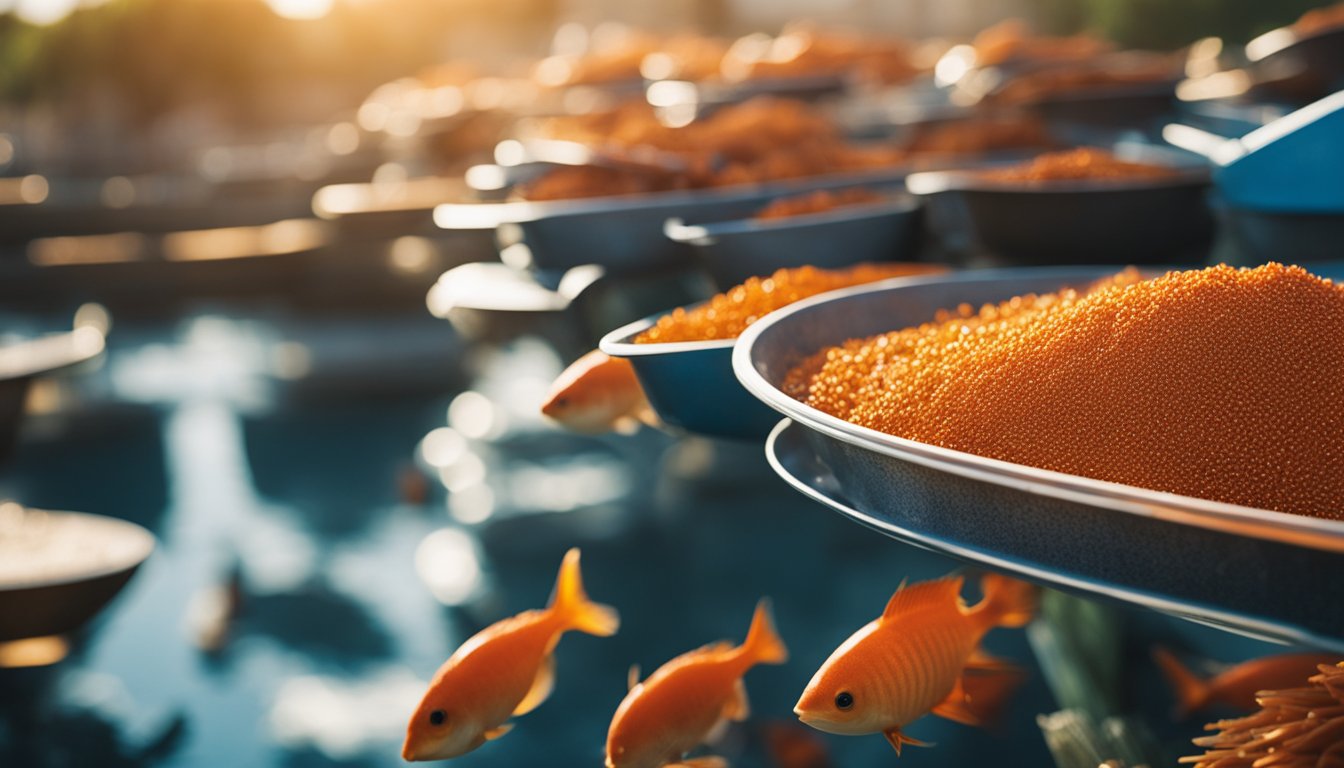
Astaxanthin is a potent antioxidant with numerous health benefits. This naturally occurring pigment can be found in various marine organisms and some fungi. In this section, we will discuss the natural sources and supplemental forms of astaxanthin available in the market.
Natural Sources
Astaxanthin can be derived from several natural sources, including a wide range of marine creatures. The primary source of astaxanthin is Haematococcus pluvialis, a type of microalgae that produces high concentrations of the pigment when subjected to stress. Other microorganisms, such as the yeast Xanthophyllomyces dendrorhous, also produce astaxanthin.
Many seafood options are rich in astaxanthin due to their diet of microalgae and krill. Some of the top sources of natural astaxanthin include:
- Salmon: Among different salmon varieties, sockeye salmon is known to possess the highest astaxanthin content.
- Shrimp: Astaxanthin is responsible for the reddish hue in cooked shrimp.
- Lobster: Similar to shrimp, lobster also gets its distinct coloration from astaxanthin.
- Trout: Trout are another good source of natural astaxanthin, as they feed on crustaceans and algae.
- Krill: These small crustaceans provide astaxanthin both as a food source and as a supplement derived from their oil.
- Crawfish, crab, and other crustaceans: In addition to the sources listed above, crawfish and crabs also contain astaxanthin due to their diet.
Supplemental Forms
Astaxanthin is also available in supplemental form, often extracted from Haematococcus pluvialis microalgae. These supplements undergo a process to ensure the astaxanthin is safe and pure for consumption. Astaxanthin supplements are available in various forms, such as:
- Capsules: Soft gel capsules are a convenient way to consume astaxanthin, providing a pre-measured dose and easy absorption.
- Powders: Astaxanthin powders can be mixed with water or added to smoothies for a potent antioxidant boost.
- Oils: Astaxanthin oil, often derived from krill, can be taken alone or combined with other oils, such as fish oil or flaxseed oil.
In conclusion, astaxanthin can be obtained through various natural sources, including seafood and microorganisms, as well as supplemental forms like capsules, powders, and oils. Incorporating astaxanthin-rich foods or supplements into your diet can contribute to better overall health and well-being.
Astaxanthin and Antioxidants
https://www.youtube.com/watch?v=HaQCK7QQ6jo&embed=true
Fighting Free Radicals
Astaxanthin is a powerful antioxidant that plays a crucial role in protecting our bodies from harmful free radicals. Free radicals are reactive molecules generated by our cells as a byproduct of normal cellular processes, but also from exposure to environmental pollution, UV rays, and other stressors. When they accumulate in excess, these free radicals can cause oxidative stress, damaging our cells and contributing to aging and various diseases.
As an antioxidant, astaxanthin works by neutralizing free radicals, helping to reduce oxidative stress and lowering the risk of age-related conditions. Astaxanthin has been linked to numerous health benefits, including support for a healthy heart, improved endurance and energy levels, and even enhanced fertility.
Studies have suggested that astaxanthin as an antioxidant can help protect against certain types of chronic disease, reverse skin aging, and alleviate inflammation in the body.
Comparative Antioxidant Strength
Astaxanthin’s antioxidant properties make it stand out among other antioxidants. It has been shown to possess the highest oxygen radical absorbance capacity (ORAC) – 100-500 times higher than α-tocopherol, a form of vitamin E, and 10 times higher free radical inhibitory activity than related antioxidants, like α-carotene and β-carotene.
Furthermore, astaxanthin’s unique molecular structure allows it to span the entire cell membrane, providing superior protection against oxidative damage in our cells. This enables astaxanthin to prevent lipid peroxidation, protecting cell mitochondria and supporting overall cellular health.
While there are plenty of antioxidants available to help protect our bodies, it’s clear that astaxanthin stands out as a powerful ally against oxidative stress, offering us the support we need in the fight against aging, inflammation, and chronic diseases.
Health Benefits of Astaxanthin
https://www.youtube.com/watch?v=8fJuGgmgK1Q&embed=true
Skin Health
Astaxanthin is known to have antioxidant properties that can help reverse skin aging and protect the skin from damage caused by free radicals. It is commonly found in dietary supplements aimed at improving skin health. Regular intake of astaxanthin supplements may help reduce the appearance of wrinkles and improve overall skin health.
Eye Health
In addition to its benefits for skin health, astaxanthin can also support eye health. This powerful carotenoid is believed to protect the eyes from oxidative stress and inflammation, possibly preventing or slowing the progression of age-related eye conditions such as macular degeneration and cataracts.
Cardiovascular Health
Astaxanthin’s antioxidant properties have been suggested to be cardioprotective in nature, possibly reducing the risk of atherosclerosis (hardening of the arteries). By eliminating free radicals that damage vascular tissues at the genetic level, astaxanthin may help promote cardiovascular health, lowering the risk of heart disease in the long run.
Immune System Support
Astaxanthin’s impact on the immune system has been observed in its ability to influence immune response in various ways. It may help activate white blood cells (T-cells) and other elements of the natural immune response, resulting in a stronger immune system and potentially helping protect against various infections and diseases.
Brain Health
Research suggests that astaxanthin’s benefits extend to brain health as well. Its antioxidant and anti-inflammatory properties might support cognitive health and overall brain function by protecting the brain from oxidative stress and inflammation. Thus, supplementing with astaxanthin may contribute to maintaining brain health and cognitive function as one ages.
Astaxanthin Dosage and Safety
https://www.youtube.com/watch?v=vzdS7uzUJKg&embed=true
Recommended Dosage
Astaxanthin is a powerful antioxidant that is commonly found in wild-caught salmon and other seafoods, as well as green algae. It is also available as a supplement for those looking to experience its numerous health benefits. Although there is no set dosage for astaxanthin, some studies have recommended daily doses of 4 milligrams. The US Food and Drug Administration (FDA) has approved doses up to 12 milligrams per day.
It is important to note that individual needs may vary, and it is always recommended to consult a healthcare professional before starting any supplementation, especially if you have an existing medical condition or are taking medication.
Side Effects and Risks
Astaxanthin is generally considered safe when consumed in moderate amounts through food sources or as a supplement. Doses of 4-18 mg daily have been reported to be well-tolerated by most adults. However, as with any supplement, there is the potential for side effects or interactions with other medications.
The long-term safety of astaxanthin supplements has not been thoroughly studied for children, pregnant women, and nursing mothers. It is advised that individuals in these categories consult their healthcare provider before starting an astaxanthin supplement to discuss potential risks and benefits, as well as any possible drug interactions. A safety review also emphasizes the importance of evaluating the maximum safe daily intake of astaxanthin, as discrepancies exist in the recommendations offered by different regulatory authorities.
In conclusion, astaxanthin is a beneficial carotenoid with numerous health advantages. When considering supplementation, it is essential to be aware of the recommended dosage, potential side effects, and any risks associated with its use. As always, consult a healthcare professional before beginning any new supplement regimen.
Interactions and Considerations
Interactions with Medications
Astaxanthin may interact with certain medications, so it is crucial to consult your healthcare provider before taking it as a supplement. For example, astaxanthin may lower blood pressure, which could be a concern for individuals already taking medication for high blood pressure, such as calcium channel blockers. Consequently, it is important to monitor blood pressure levels closely while using astaxanthin supplements.
Additionally, high doses of astaxanthin might also affect cholesterol levels. If you are already on cholesterol-lowering medications, it is essential to discuss with your healthcare provider to prevent potential interactions with drugs like statins.
Special Considerations
Astaxanthin has been studied for its possible positive effects on various health conditions, such as Alzheimer’s disease, diabetes, and male fertility. However, more research is needed to establish these benefits confidently. It is recommended to consult a nutrition expert or healthcare provider before implementing astaxanthin supplements into your diet, especially for pregnant or breastfeeding women.
Although astaxanthin is present in a variety of seafood such as salmon, it is also available as a supplement. When choosing a supplement, ensure it is derived from natural sources like Haematococcus pluvialis, a type of green algae and not from synthetic sources. Adequate consumption of Vitamin E is recommended along with astaxanthin, as Vitamin E may help improve its absorption.
Conclusion
In summary, astaxanthin has shown several potential health benefits, including support for the immune system, reduced risk of atherosclerosis, and improved liver function. Nevertheless, it is essential to consider any possible interactions with current medications and consult your healthcare provider to evaluate if astaxanthin is suitable for your specific situation. Always ensure you are consuming a natural and quality supplement to reap its advantages for overall wellness.
Frequently Asked Questions
What are the main sources of astaxanthin?
Astaxanthin is a type of carotenoid found naturally in wild-caught salmon and other seafoods, as well as green algae. Some of the best sources of astaxanthin include sockeye salmon, krill, red trout, algae, and shrimp. Astaxanthin can also be found in supplement form, most commonly derived from green algae.
What is the recommended dosage for astaxanthin supplements?
According to a study published in the Asia Pacific Journal of Nutrition, the recommended dosage for astaxanthin supplements is 8 milligrams per day for a duration of eight weeks to experience potential health benefits. However, it’s important to consult with a healthcare professional before starting any new dietary supplements.
Are there any side effects associated with astaxanthin?
Astaxanthin is generally considered safe, with a good safety profile at short-term daily doses of up to 100 mg and long-term daily doses between 8-12 mg. However, if taken in excessive amounts, astaxanthin may cause side effects such as red-colored stool and frequent bowel movements. If you experience any adverse effects, it’s important to discontinue use and consult a healthcare professional.
Can astaxanthin provide cardiovascular benefits?
Astaxanthin has been researched for its potential cardiovascular benefits, mainly due to its powerful antioxidant properties. These properties may help in reducing inflammation and oxidative stress that contribute to various heart-related issues. However, more research is needed to establish clear links between astaxanthin consumption and cardiovascular health improvements.
Is it safe for everyone to take astaxanthin?
While astaxanthin is generally considered safe for most adults, it’s crucial to consult with a healthcare professional before starting any new dietary supplements, especially if you are pregnant, nursing, have a pre-existing health condition, or are taking medications.
How long does it take to see the effects of astaxanthin?
The time it takes to see the effects of astaxanthin may vary from person to person, depending on factors such as individual health status, diet, and lifestyle. In general, the benefits of astaxanthin may become more noticeable after consistently taking the recommended dosage for several weeks. However, it’s essential to remember that supplements should be used in conjunction with a balanced diet and healthy lifestyle for optimal results.