
Elderflowers, derived from the elder plant (scientifically known as Sambucus), have been cherished for their health benefits and medicinal properties for centuries. These delicate, fragrant blossoms have not only been utilized as traditional remedies but have also found their way into the culinary world as a popular flavoring. Their use can be traced back to ancient civilizations, where people harnessed the power of elderflowers to address various ailments and improve overall health.

Today, elderflowers continue to gain recognition for their numerous health benefits, such as alleviating respiratory issues like sinusitis, bronchitis, and colds, as well as supporting a robust immune system. Moreover, these blooms are also known for their ability to ease constipation, combat joint inflammation, and freshen breath. As a versatile and bountiful plant, elderflowers are a valuable and potent addition to any natural wellness regimen.
Key Takeaways
- Elderflowers have a long history of use for their health benefits and medicinal properties.
- They can help alleviate respiratory issues, support immune function, and provide other health advantages.
- In addition to their medicinal applications, elderflowers are also popular in culinary use for flavoring.
Historical Use of Elder Flower
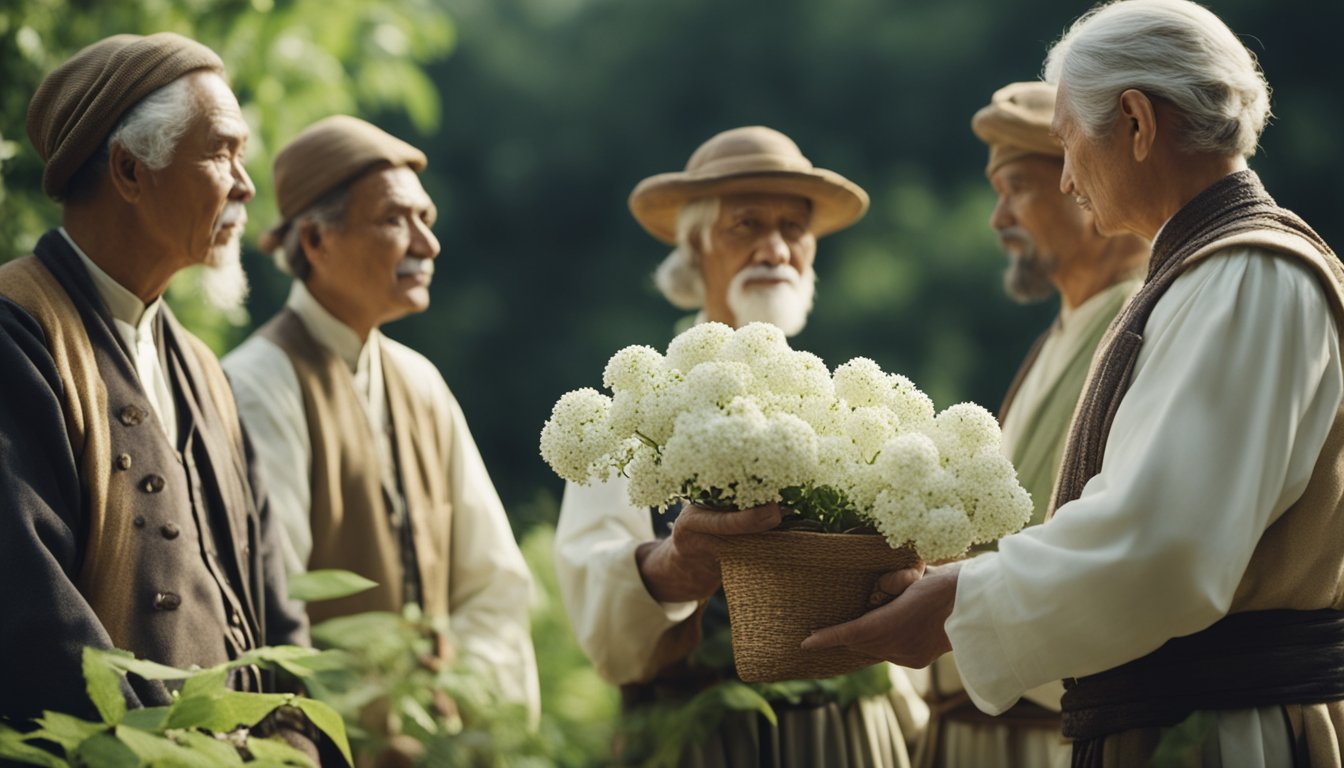
Elderflower, derived from the Sambucus nigra plant, has a rich history of being utilized for its medicinal qualities across Europe and North America. The elder, or black elder, has been commonly referred to in various traditional medicine texts as “the medicine chest of the country folk.”
In ancient times, herbal healers recognized the potential of elderflower for treating various ailments. Some of the most notable uses include treatment for allergies, asthma, common cold, and flu. This versatile plant gained popularity in rural communities, where people relied on its natural healing properties.
Throughout the centuries, elderflower continued to be a treasured herbal remedy. The flowers were transformed into various forms, such as teas, infusions, and topical applications. As a natural antihistamine, elderflower has been highly effective in alleviating seasonal allergy symptoms, particularly when taken prior to the appearance of pollen.
Moreover, elderflower has demonstrated its potential to soothe various skin conditions. It has been used as a remedy for conjunctivitis, to relieve red and itchy eyes, while its anti-inflammatory properties have made it an ideal solution for reducing acute joint inflammation, toothaches, and swelling.
When it comes to respiratory ailments, elderflower has been known to provide relief from colds, bronchitis, and even more severe illnesses like influenza. It has been used as an expectorant, diaphoretic, and antiviral agent to help alleviate symptoms and speed up recovery.
In summary, the historical use of elderflower spans thousands of years, and its applications as a natural and effective herbal remedy have been recorded in various traditional texts. Today, the value of elderflower remains prominent in modern herbal medicine, drawing from its rich history of treating a wide range of ailments.
Benefits and Medicinal Properties of Elder Flower
https://www.youtube.com/watch?v=DcxX0hy9dQM&embed=true
Elder flower, scientifically known as Sambucus, is a versatile plant with numerous health benefits. This plant has been used in traditional medicines for centuries, and it is still popular today due to its various medicinal properties. Here are some of the health benefits associated with elder flower consumption:
Boosting the Immune System
Elder flower is rich in vitamins and antioxidants that help strengthen the immune system. The elderberry fruit, in particular, has been found to have antiviral properties which make it effective in fighting cold and flu viruses. Moreover, the antioxidants in elder flower also help protect the body from the damage caused by free radicals, thereby promoting overall health. A cup of elderflower tea can be an excellent addition to your daily diet to boost your immunity and stay healthy.
Inflammation and Pain Relief
Elder flower is known for its natural anti-inflammatory properties, which can help in reducing inflammation and soothing pain. Consuming elder flower, either as a tea or in other forms, can help alleviate joint pain, toothaches, and swollen body parts. Besides, elder flower has been used as a natural remedy for arthritis and other inflammatory conditions.
Digestive Health
Elder flower has mild diuretic and laxative properties that aid in promoting digestive health. It helps in relieving constipation and improving the overall function of the digestive system. Furthermore, the natural fibers in elder flower can help maintain a healthy gut and support regular bowel movements. Incorporating elder flower into your diet as a tea or supplement can be an excellent way to improve intestinal health.
Respiratory Health
Elder flower has been traditionally used to support respiratory health. Its beneficial effects on the respiratory system include reducing runny noses (catarrh), managing allergies, and supporting the management of fever. Additionally, elder flower can help alleviate sinusitis, rhinitis, bronchitis, and other respiratory issues. Consuming elderflower tea regularly during allergy season may help reduce symptoms and provide relief.
In summary, elder flower offers a plethora of health benefits, from boosting the immune system to supporting digestive and respiratory health. The medicinal properties of this plant make it a valuable natural remedy for a range of ailments. Elderflower tea or supplements can be easily integrated into your daily wellness routine to reap the benefits of this amazing plant.
Culinary Uses of Elder Flower
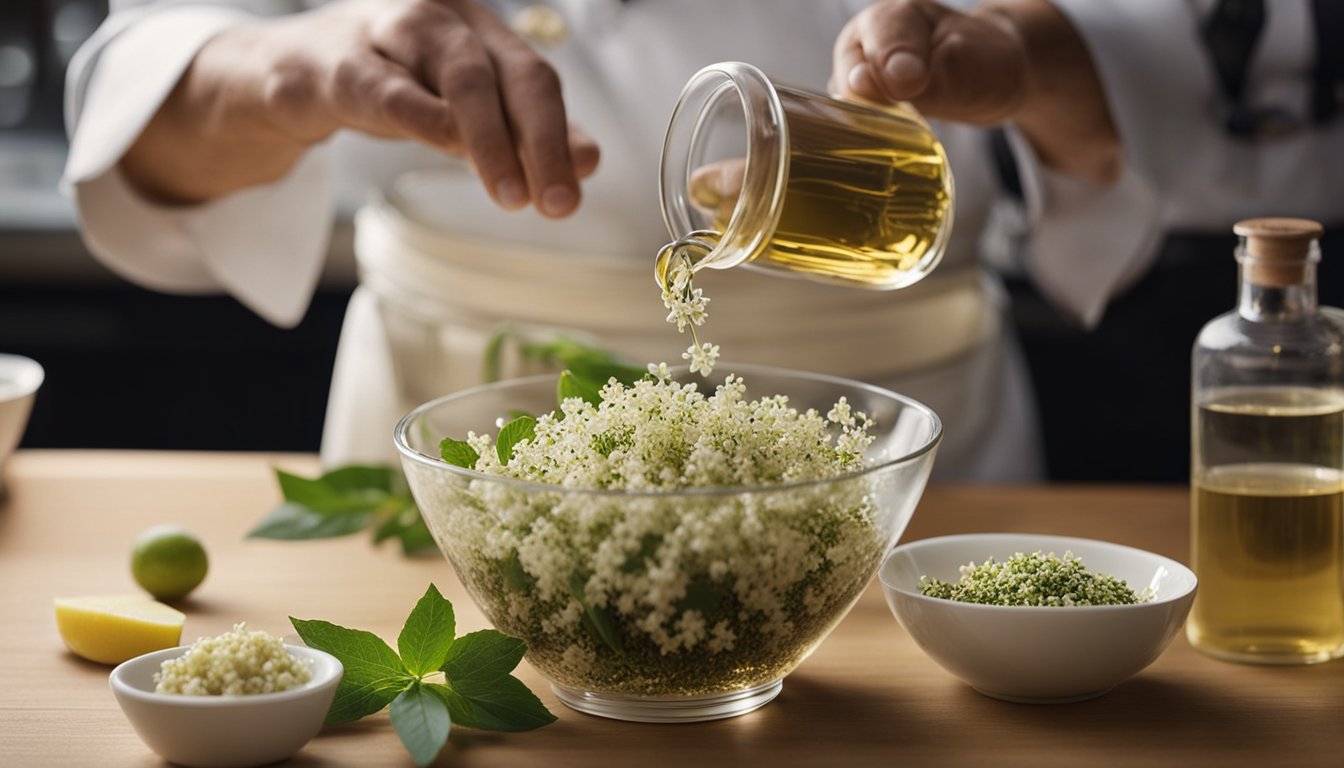
Elderflowers have long been admired for their culinary versatility and delicate, natural sweetness. They can be used in various food applications, including syrups, gin infusions, flavored oil, and even whole fruit dishes. The aromatic blooms lend an enchanting flavor to recipes while delivering wholesome goodness.
One of the most popular uses of elderflowers is in making elderflower cordial, a sweet and fragrant syrup that can be mixed with water or other beverages for a refreshing drink. The cordial can also be used as a base for cocktails, adding a unique twist to classics like the Gin & Tonic or the Prosecco-based Hugo. Moreover, elderflower infusion can yield a delightful elderflower gin, perfect for elevating your next favorite cocktail.
In the realm of desserts, elderflowers are a star ingredient. They can be incorporated into an array of baked goods, such as lemon elderflower cake, elderflower-infused panna cotta, or shortbread cookies. The subtle floral note enhances the overall taste and presentation of these treats. For inspiration, look to these delicious elderflower cake recipes.
For those who prefer to keep their elderflowers intact, dried elderflowers can be utilized as a garnish or as an integral part of dishes. For example, elderflowers can be sprinkled onto salads, used as a topping for yogurt, or steeped in hot water to create a soothing and fragrant elderflower tea.
In addition to their role in sweet recipes, elderflowers have a place in savory dishes too. Infused elderflower oil can be drizzled over pasta, vegetables, or on top of grilled fish for a touch of fragrant elegance. Elderberries, the fruit of the same plant, can also be used as a tart and nutritious addition to dishes like pies or preserves, extending the culinary potential of this versatile plant.
No matter what type of dish you prefer, elderflowers can be a delightful and alluring addition to your culinary repertoire. From beverages to desserts, and even savory creations, their delicate flavor profile and health benefits make them a valuable, palate-pleasing ingredient.
Potential Side Effects and Precautions
General Precautions
Elderflower, though offering numerous health benefits, may also cause some side effects if consumed in large quantities or inappropriately. Some of these side effects include nausea, vomiting, weakness, dizziness, numbness, and stupor. To avoid these adverse reactions, it’s important to stick to the appropriate dosages and consult a healthcare professional if you’re unsure about your intake.
Pregnant and breastfeeding women should exercise caution while using elderflower, as not enough research has been conducted to confirm its safety during pregnancy and lactation. Individuals with allergies should also be cautious, as elderflower may cause allergic reactions in some people.
It is worth noting that the leaves, stems, and unripe berries of the elder tree can be toxic if ingested. Do not consume these parts of the plant, as it can lead to stomach upset, fever, and other serious complications. Additionally, avoid consuming elderflower products with alcohol, as it can negate the health benefits and potentially cause complications.
Interactions with Diabetes Medication
Elderflower has been found to possess properties that can help reduce inflammation and blood sugar levels, which might be beneficial for those with diabetes. However, when combined with diabetes medication, elderflower can potentially lead to excessively low blood sugar levels (hypoglycemia). This effect may be due to elderflower’s potential to increase insulin production, the hormone responsible for regulating blood sugar levels.
Those who are on diabetes medications should monitor their blood sugar levels closely when consuming elderflower products. It is recommended that diabetic individuals discuss the use of elderflower with their healthcare provider before starting any new supplements or natural remedies to avoid complications or potential interactions.
In conclusion, while elderflower boasts a variety of health benefits, it is essential to be aware of the potential side effects and precautions associated with its use, particularly for specific populations such as pregnant women, people with allergies, and those with diabetes. As always, consulting with a healthcare professional before incorporating new supplements or remedies into your routine remains the safest approach.
How to Grow and Harvest Elderflowers
https://www.youtube.com/watch?v=18wYO5UxTAU&embed=true
Elderflowers are a valuable resource for creating herbal remedies and flavorful dishes. Understanding how to properly grow and harvest these delicate flowers ensures that both their beauty and benefits will be preserved.
Elderflowers bloom from the Elder plant, typically showing white clusters of flowers. These plants can be grown from seedlings or cuttings. To establish a healthy elder plant, it is essential to provide suitable soil conditions and adequate sunlight. Elder plants thrive best in moist, fertile soil with a pH between 5.5 and 6.5. They can tolerate partial shade but grow most optimally in full sun.
Planting elder seeds or cuttings during early spring is recommended. Seedlings will require proper spacing of about 6-10 feet apart, allowing adequate room for growth. It is important to keep the soil consistently moist and apply a layer of mulch to retain moisture and suppress weeds. Elder plants are relatively low maintenance, only needing an annual pruning to remove dead or weak branches and encourage a more bush-like growth.
As the elder plant matures, it will start to produce its characteristic white clusters of flowers, known as elderflowers. Elderflowers typically bloom during late spring to early summer. To harvest these delicate blooms, follow these steps:
-
Choose the right time: Harvest elderflowers when they are fully opened, fresh, and free of any browning or damage. This is usually in the morning hours, after the dew has dried but before the sun becomes too hot.
-
Select healthy clusters: Look for flower clusters that are bright and white, emitting a sweet fragrance. Avoid picking flowers with any signs of wilt or discoloration.
-
Gentle removal: Carefully remove the flower clusters from the plant using scissors or garden shears, being mindful of the delicate nature of the blooms.
-
Rinse and dry: After collecting the flower clusters, gently rinse them under cool water to remove any dirt and insects. Spread the clusters on a clean towel or drying rack, allowing them to air-dry.
Elderflowers can be used fresh in recipes or as a component in herbal remedies. They can also be stored for later use by drying or freezing. By following these simple steps and providing proper care for the elder plant, you can enjoy the numerous benefits and uses of elderflowers. Gardening Know How offers a more detailed elderflower harvest guide that further expands on these tips and techniques.
Conclusion
Elderflower has been used for centuries to treat a variety of ailments such as flu, constipation, and joint inflammation1. It is a highly nutritious plant, rich in vitamins, minerals, and other beneficial compounds2. Here are some of its key benefits:
- Sinusitis & Rhinitis Relief: Elderflower is known to provide relief for those suffering from sinusitis and rhinitis3.
- Bronchitis Treatment: Its anti-inflammatory properties can help reduce mucus and improve respiratory health4.
- Cold & Flu Prevention: Elderflower can be used to alleviate symptoms and discomfort associated with cold and flu3.
Elderflower’s versatility allows it to be used in teas, wines, and cordials5, making it easy to incorporate into one’s daily routine. Remember to avoid making exaggerated or false claims about its benefits and to consult with a healthcare professional before starting any treatment.
With a confident, knowledgeable, neutral, and clear tone, it is evident that elderflower holds numerous health benefits. Adding this plant to one’s daily routine can provide support in maintaining and improving overall well-being.
Footnotes
Frequently Asked Questions
https://www.youtube.com/watch?v=DNd2k2YXqSU&embed=true
What are the main health benefits of elderflower tea?
Elderflower tea is known for its variety of health benefits. It is rich in vitamin C and antioxidants, which help support the immune system, and can also aid in relieving congestion, cold, and flu symptoms. Additionally, elderflower tea can have diuretic and mild laxative effects, making it useful for promoting digestive health.
How does elderflower syrup boost the immune system?
Elderflower syrup contains a significant amount of vitamin C, which is essential for a strong immune system. Vitamin C helps the body combat infections, aids in wound healing, and supports various cellular functions. Regular consumption of elderflower syrup may contribute to overall immune system health.
Can elderflower cordial help with respiratory issues?
Yes, elderflower cordial can help with respiratory issues. Elderflower has been traditionally used to relieve sinusitis, rhinitis, and bronchitis. Its natural anti-inflammatory and decongestant properties can help reduce inflammation and mucus production, improving respiratory health.
What makes elderflower a popular ingredient in skincare products?
Elderflower is popular in skincare products due to its soothing and anti-inflammatory properties. It is gentle on the skin and can help to alleviate redness and irritation. Additionally, elderflower is known for its astringent properties, which can help to tighten and tone the skin, improving its overall appearance.
How can elderflower help in reducing inflammation?
Elderflower contains various bioactive compounds and antioxidants, which have anti-inflammatory properties. These compounds can help alleviate inflammation in the body, improving the symptoms of various ailments such as joint inflammation, sore throats, and inflamed eyes.
Any potential allergic reactions to consuming elderflower?
While elderflower is generally considered safe when consumed appropriately, some individuals may experience allergic reactions to it. Symptoms may include itching, rash, or difficulty breathing. If you suspect an allergic reaction to elderflower, it is essential to discontinue its use and seek medical advice.