
Menopause is a natural phase in a woman’s life, marking the end of her reproductive years. One of the common challenges faced during this time is dealing with increased anxiety. This is primarily due to hormonal changes, as well as various physical and mental symptoms that accompany menopause.

Understanding the link between menopause and anxiety is crucial for developing effective coping strategies. During menopause, fluctuations in estrogen levels can have a significant impact on mood and mental well-being. Anxiety induced sleep disturbances can also exacerbate the problem, making it more difficult to manage daily activities and maintain a balanced lifestyle.
Key Takeaways
- Menopause is associated with hormonal changes that can contribute to increased anxiety levels.
- Physical and mental symptoms during menopause can further affect mental well-being.
- Adopting lifestyle changes and seeking appropriate support systems can help manage anxiety during menopause.
Understanding Menopause

Menopause is a natural biological process in a woman’s life. It marks the end of menstruation and fertility, typically occurring when you reach your late 40s to early 50s. Your body undergoes several hormonal changes during this transition, including a decrease in estrogen and progesterone levels.
As you approach menopause, you may experience perimenopause, a phase that can last for several years. During perimenopause, your hormone levels begin to fluctuate, causing a variety of symptoms. Some common symptoms of menopause include hot flashes, night sweats, sleep disturbances, vaginal dryness, and mood changes.
Your body’s response to these hormonal changes can differ from person to person. While some women may have minimal symptoms, others may experience more significant discomfort. Furthermore, menopause symptoms can be temporary or persist for an extended period, depending on your individual circumstances.
Managing the symptoms of menopause often includes a combination of lifestyle adjustments and medical treatments. Eating a balanced diet, engaging in regular exercise, and getting adequate sleep can help your body adjust to the changing hormone levels more effectively. In some cases, hormone replacement therapy may be recommended to alleviate specific symptoms.
As you go through this important life stage, understanding menopause and the hormonal changes associated with it will help you make more informed decisions about your health and wellbeing.
Understanding Anxiety during Menopause
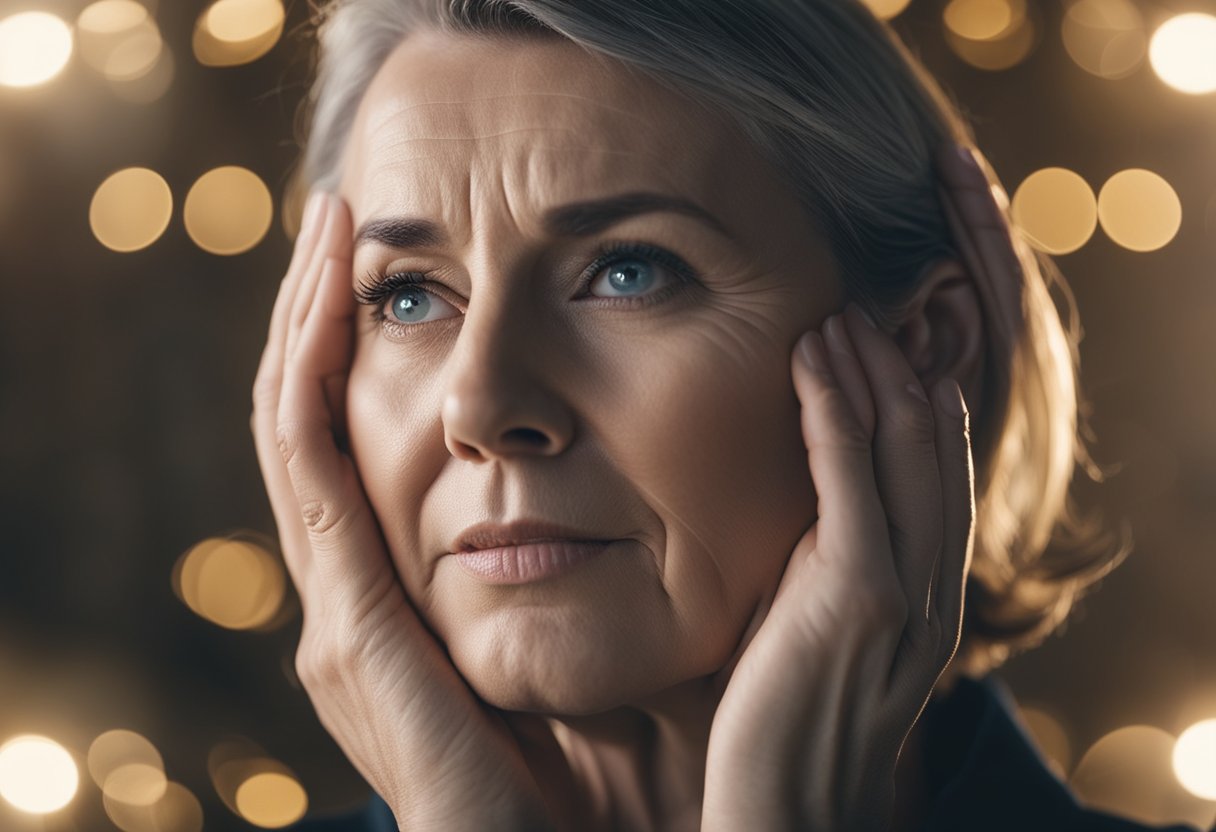
Experiencing anxiety during menopause is common for many women. As you go through this transitional phase of life, your body undergoes several hormonal changes that can impact your mood and emotions. It’s important to recognize the link between menopause and anxiety and learn how to manage it effectively.
During menopause, your body produces less estrogen, which can result in both physical and emotional symptoms. These hormonal imbalances can lead to mood changes, including feelings of anger, irritability, and even depression. One of the most common emotional side effects is anxiety, which can manifest in different ways, such as constant worry, fear, and sometimes an anxiety disorder.
Anxiety during menopause is not only caused by changing hormone levels, but also by other factors like life stresses and sleep problems. Sleep disturbances are common during menopause and can exacerbate your anxiety levels. As you struggle with restless nights, your emotional well-being might suffer, and you may find yourself dealing with mood swings and heightened irritability.
To cope with menopause-related anxiety, it’s crucial to maintain a healthy lifestyle that includes regular exercise, a balanced diet, and stress reduction techniques like meditation or deep breathing exercises. Also, don’t be afraid to seek support from friends, family, and professionals, as talking about your feelings can help you manage the emotional changes that come with menopause.
Remember, experiencing anxiety during menopause is natural, but by understanding the causes and learning how to manage it, you can navigate this phase of life with greater ease and confidence.
Physical Changes and Symptoms

During menopause, you may experience a variety of physical changes and symptoms due to hormonal fluctuations in your body. Some common changes and symptoms you might experience are hot flashes, vaginal dryness, night sweats, and weight gain.
Hot flashes are sudden feelings of warmth, typically felt on the upper body or all over. They can be accompanied by a red, flushed face and heavy sweating. Hot flashes can vary in intensity and duration but tend to become less severe as time goes on.
Vaginal dryness is another common symptom during menopause, which can result in discomfort during sexual activity. The drop in estrogen levels leads to thinning of the vaginal tissues and decreased lubrication. There are various treatments available for vaginal dryness, such as over-the-counter lubricants and prescription medications.
Experiencing night sweats is also quite common during menopause. Similar to hot flashes, they occur during the night and can cause excessive sweating which interrupts your sleep. You can try using moisture-wicking bed linens to help ease the discomfort of night sweats.
Menopause can also lead to weight gain, as hormonal changes can affect your metabolism, making it more challenging to maintain your current weight. It’s essential that you engage in regular physical activity and maintain a healthy diet to prevent excess weight gain during this period.
Remember, these physical changes and symptoms are a natural part of menopause, and there are various treatment options and lifestyle adjustments you can make to manage them. If you’re struggling with any of these issues, it’s essential to consult your healthcare provider for guidance and possible treatment options.
Mental Changes and Symptoms

During menopause, you may experience various mental changes and symptoms due to hormonal fluctuations. It’s important to be aware of these changes and understand their link to menopause. This will help you manage them better and maintain good mental health.
One common issue you may face is increased levels of stress. This can be attributed to the physical and emotional changes occurring in your body during menopause. Hormonal imbalances can lead to mood swings, irritability, and even anxiety. As a result, you might feel more stressed and overwhelmed than usual.
Mental health also plays a significant role during menopause. Many women experience symptoms of depression and anxiety, especially in the perimenopausal period. Hormonal shifts can cause temporary mood changes and contribute to depression. It’s crucial to seek help from a healthcare professional if you have severe or ongoing symptoms.
Memory problems and concentration issues are also common during menopause. You might find it harder to focus, experience “brain fog,” or have trouble remembering things. These cognitive changes are often caused by fluctuations in hormone levels and can lead to negative feelings about your mental abilities.
To cope with these mental symptoms, consider practicing relaxation techniques such as meditation and deep breathing exercises. Prioritize self-care and create a sleep schedule to ensure you get enough rest. Regular physical activity can also help relieve stress and promote better mental health.
In conclusion, recognizing and understanding the mental changes and symptoms that occur during menopause can help you manage them effectively. Reach out to your healthcare provider if you experience severe or ongoing issues, and prioritize self-care to support your mental wellbeing.
Hormone Fluctuations and Their Impact

During menopause, your body experiences significant changes in hormone levels, particularly estrogen and progesterone. These hormones play a crucial role in regulating your mood, and fluctuations can contribute to feelings of anxiety and depression. Understanding the effects of these hormone changes on your mental health can help you manage and alleviate related symptoms.
Estrogen affects the production of serotonin, a neurotransmitter that regulates mood, sleep, and appetite. When estrogen levels decline during menopause, it can lead to a drop in serotonin, which may cause mood swings, anxiety, and depression source. Progesterone, on the other hand, has a calming effect on the body, and fluctuations in progesterone can also exacerbate anxiety symptoms.
Menopause-related anxiety and depression can also be triggered by a lack of sleep. Hormone shifts often cause nighttime hot flashes or other sleep disruptions, making it difficult for you to get the rest you need source. Addressing sleep issues during menopause can positively impact your overall mental health and well-being.
One option for managing anxiety related to hormone fluctuations during menopause is hormone replacement therapy (HRT). HRT involves taking estrogen, progesterone, or a combination of both to help balance your hormone levels and alleviate menopause symptoms. However, HRT is not suitable for everyone and may come with potential risks and side effects. It is important to discuss your symptoms and risks with your healthcare provider to determine if HRT is the right choice for you source.
In conclusion, estrogen and progesterone fluctuations during menopause can significantly impact your mental health, leading to anxiety and depression. By addressing sleep issues and considering treatment options like hormone replacement therapy, you can better manage and alleviate these symptoms during this transitional period in your life.
Anxiety-Induced Sleep Disturbances
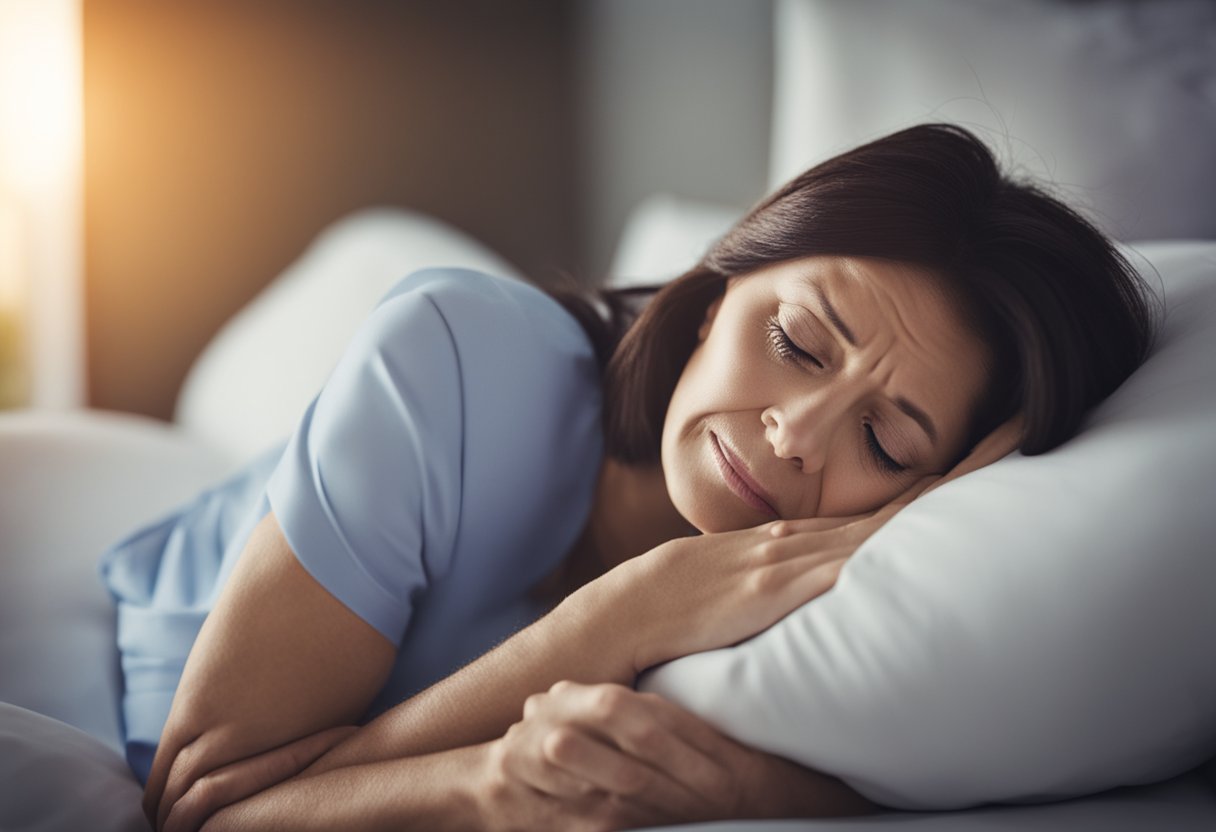
Experiencing menopause can contribute to a number of sleep disturbances in your life. As you navigate through this transitional phase, it’s important to understand how anxiety can affect your sleep and identify strategies to improve your sleep quality.
During menopause, your body undergoes hormonal changes that can trigger both physical and emotional symptoms. The relationship between anxiety, sleep, and menopause is complex. This period can lead to a heightened sense of anxiety for some women, which may further interfere with their ability to get adequate sleep.
One common sleep problem you may face during menopause is insomnia. Anxiety can exacerbate this issue, making it difficult for you to fall asleep, stay asleep, or get restful sleep. Frequent awakenings or early morning awakenings can leave you feeling sleep-deprived and struggling to function during the day.
Sleep disorders like sleep apnea and restless legs syndrome can also emerge or worsen during menopause. When compounded with anxiety, these sleep disturbances can have a significant impact on your overall well-being.
To reduce anxiety-induced sleep disturbances, consider some lifestyle changes:
- Practice relaxation techniques like deep breathing, meditation, or progressive muscle relaxation to help calm your mind.
- Establish a relaxing bedtime routine and maintain a consistent sleep schedule.
- Create a comfortable sleep environment that is dark, quiet, and cool.
- Get regular exercise to help release endorphins and tire your body out before bedtime.
By implementing these strategies, you can work towards improving your sleep quality and reducing the impact that anxiety has on your sleep during menopause. Remember, it’s essential to address any underlying anxiety or sleep issues with a healthcare professional to get the appropriate support and treatment.
Lifestyle Changes for Managing Menopause and Anxiety

Incorporating some lifestyle changes can help you manage menopause and anxiety more effectively. One of the most beneficial ways is to engage in regular exercise. It doesn’t have to be intense; even moderate activities like walking, swimming, or cycling can make a significant difference.
Yoga is another excellent option that can both reduce anxiety and improve your overall well-being. By practicing yoga regularly, you can increase flexibility, strength, and relaxation while also alleviating menopausal symptoms.
Nutrition plays a crucial role in overcoming anxiety during menopause. Focus on maintaining a balanced diet that includes healthy foods rich in essential nutrients, vitamins, and minerals. Emphasize whole grains, lean protein, fruits, vegetables, and low-fat dairy products while minimizing processed and sugary foods. Omega-3 fatty acids, magnesium, and B vitamins are especially beneficial for reducing anxiety.
Apart from these lifestyle choices, consider the following:
- Stress management: Learn how to manage stress through relaxation techniques like deep breathing exercises, meditation, or progressive muscle relaxation.
- Sleep hygiene: Endeavor to create a sleep-friendly environment by maintaining a consistent sleep schedule, avoiding stimulants (like caffeine) close to bedtime, and doing relaxing activities before going to bed.
- Social support: Maintain a close network of friends and family to rely on when you need emotional support. Staying socially active can reduce feelings of isolation and anxiety.
- Professional help: If your anxiety becomes overwhelming, don’t hesitate to seek the help of a mental health professional who can guide you through tailored techniques for managing menopause-induced anxiety.
By following these recommendations and adopting a healthier lifestyle, you are more likely to reduce anxiety and improve your overall well-being during menopause.
Support Systems and Mental Well-being
During menopause, it’s essential for you to have a strong support system to maintain your mental well-being. Surrounding yourself with understanding friends and family will make a difference in how you cope with anxiety during this time. These relationships offer a sense of belonging and can help you feel more confident about yourself. Working on your self-esteem and confidence will contribute to a more resilient attitude in dealing with menopausal anxiety.
Consider joining a support group. There are menopause-specific support groups where you can share your experiences with others going through similar situations. The feeling of camaraderie may provide a comforting environment for you to share your thoughts and feelings.
Practicing relaxation techniques such as mindfulness, meditation, or yoga can significantly impact your overall well-being. By dedicating time to these practices, you’re allowing yourself to decompress from stress, which helps reduce anxiety. Incorporating these methods into your daily routine can also lead to improved sleep and energy levels, further contributing to a more balanced emotional state.
Finally, maintaining open communication with your healthcare provider is beneficial. They can offer professional advice tailored to your needs and may recommend appropriate treatments for anxiety. Don’t hesitate to ask questions and seek their guidance, as they can be a valuable resource during your menopausal journey.
In summary, establishing supportive relationships, joining support groups, practicing relaxation techniques, and maintaining open communication with your healthcare provider are crucial for maintaining your mental well-being during menopause. Consider incorporating these strategies to reduce anxiety and nurture your emotional health.
How Functional Medicine Can Help
Functional medicine is an approach that focuses on identifying the root cause of health issues and providing personalized treatment plans. By working with a Functional Medicine Provider, you can address your menopause and anxiety symptoms more effectively as they tailor their approach to your unique needs.
Your journey begins by having a comprehensive consultation with a health professional, who will evaluate your physical health and identify any underlying health problems that may be contributing to your menopause and anxiety symptoms. They will recommend specific tests for a better understanding of your hormone levels, nutrient status, and other factors related to menopause.
A healthcare provider with expertise in functional medicine will develop a personalized plan for you, often including dietary changes and targeted supplements to address nutrient deficiencies. For instance, magnesium glycinate can work wonders for reducing anxiety when progesterone levels fall during menopause. Similarly, adaptogenic herbs like ashwagandha and rhodiola can help regulate cortisol levels, mitigating stress and anxiety symptoms.
In addition to nutrition, other aspects of your treatment plan may involve exercise, stress management techniques, and targeted therapies to address specific health problems. This comprehensive approach allows you to feel empowered and confident in your ability to manage your menopause and anxiety symptoms.
Remember, collaborating with a functional medicine provider gives you access to their wealth of knowledge and experience in addressing complex health issues. By addressing your menopause and anxiety symptoms at their root cause, you can improve both your physical and emotional well-being, making the journey through this life transition much smoother.
Conclusion
Menopause and anxiety are often interconnected, and understanding their relationship can help you manage their effects on your life. Hormonal changes during menopause, particularly fluctuations in estrogen levels, can lead to increased feelings of anxiety source. Factors like poor sleep quality and other biological risk factors related to menopause may also contribute to anxiety and depression source.
In order to better manage your anxiety during menopause, consider incorporating functional medicine approaches that focus on addressing the root cause of symptoms. This may involve working with your healthcare provider to develop a personalized plan that includes dietary, lifestyle, and supplement recommendations.
Some strategies to help cope with anxiety during menopause include prioritizing sleep, managing stress, and staying physically active. Practicing good sleep hygiene and aiming for 7 to 9 hours of sleep per night can improve sleep quality and decrease anxiety source.
Remember, it is essential to consult with your healthcare provider if you are experiencing severe anxiety and depression during menopause. They can help guide you on the most appropriate course of action, including possible medical treatments and additional support resources.
By addressing menopause and anxiety with a comprehensive and personalized approach, you can work towards minimizing their impact on your wellbeing and overall quality of life.
Frequently Asked Questions
What are some natural remedies for anxiety during menopause?
There are several natural remedies that can help alleviate anxiety during menopause. Practicing relaxation techniques, such as deep breathing exercises, meditation, or yoga, can help reduce stress and anxiety. Engaging in regular physical activity and maintaining a balanced diet rich in nutrients can also contribute to improved mood and overall well-being. Additionally, some women find relief from anxiety by using herbal supplements like black cohosh, passionflower, or valerian root. However, it’s essential to consult with your healthcare provider before starting any new treatment or supplement regimen.
What are the common emotional symptoms of perimenopause?
Perimenopause, the transitional period leading up to menopause, can cause various emotional symptoms due to hormonal fluctuations. Common emotional symptoms may include mood swings, irritability, anxiety, and depressive symptoms. Some women also experience changes in sex drive, difficulty with concentration or focus, and sleep disturbances during this time.
Can menopause lead to extreme anxiety?
Hormonal changes during menopause can affect the brain’s regulation of mood and may lead to increased anxiety for some women. While it’s common to experience mild to moderate anxiety during this period, in some cases, the anxiety can become extreme and may require professional help. If you feel that your anxiety is interfering with your daily life or causing severe distress, it’s essential to speak to your healthcare provider or a mental health professional for guidance.
Will anxiety decrease after menopause?
For many women, the anxiety experienced during menopause may decrease after reaching menopause, as hormone levels become more stable. However, the response to menopause is highly individual, and some women may continue to experience anxiety or other emotional symptoms. It’s essential to maintain open communication with your healthcare provider and seek support when necessary to cope with any ongoing emotional symptoms.
How does menopause affect relationships and emotions?
Menopause can bring various emotional and physical symptoms, which may impact relationships with partners, family members, and friends. The emotional symptoms may include mood swings, irritability, anxiety, and changes in sex drive. These experiences can affect your interactions and communications with loved ones. To navigate these changes, it’s crucial to keep communication open, work on maintaining intimacy, and consider involving your partner or family members in your menopause journey.
What are the best ways to cope with menopausal anxiety and stress?
Effective coping strategies for menopausal anxiety and stress can vary depending on your individual needs and preferences. Some helpful practices may include engaging in regular physical activity, practicing relaxation techniques like deep breathing exercises or mindfulness meditation, and ensuring you’re getting adequate sleep. It’s also essential to maintain a balanced diet and consider seeking support from friends, family members, or a mental health professional if needed. Lastly, staying informed and educated about menopause and its effects can offer a sense of empowerment and control, ultimately helping to reduce anxiety.