
Rosemary essential oil has grown in popularity due to its vast array of health benefits and uses. Extracted from the aromatic herb rosemary, this essential oil is known for its invigorating scent and numerous applications, ranging from skin and hair care to memory and cognitive function support. Its health benefits extend beyond beauty care, as it can also play a role in stress and mood regulation.
While rosemary essential oil offers many potential benefits, it’s important to know how to use it safely and effectively. This article will explore ten health uses for rosemary essential oil and provide guidance on proper usage, comparison with other essential oils, and potential side effects. Additionally, we’ll delve into its culinary uses and flavor profiles, adding yet another dimension to this versatile oil.
Key Takeaways
- Rosemary essential oil offers a wide range of health benefits, including skin and hair care and cognitive support.
- Proper usage, safety precautions, and understanding potential side effects are essential when incorporating rosemary oil into your routine.
- This versatile oil also has culinary applications, enhancing the flavor profiles of various dishes.
Fundamentals about Rosemary Essential Oil
Rosemary essential oil is derived from the leaves of the Rosmarinus officinalis plant, which belongs to the mint or Lamiaceae family. This essential oil is known for its various health benefits and is widely used in aromatherapy treatments. Its properties are attributed to the presence of several active compounds, such as carnosic acid, carnosol, rosmarinic acid, and a variety of terpenes like camphor and 1,8-cineole.
The use of rosemary oil as a therapeutic agent can be traced back to ancient Greece and Rome, where it was believed to improve brain function and memory. Today, it is used for a range of applications, such as stress reduction, immune system enhancement, and hair growth promotion. One of the reasons for its popularity is its ability to balance cortisol levels, which are associated with stress and anxiety. By helping to reduce cortisol, this essential oil may contribute to overall well-being and relaxation.
When using rosemary essential oil, it is important to ensure that the concentration is safe and suitable for the intended purpose. Generally, a small amount of the oil is diluted with a carrier oil to create a therapeutic blend that is gentle on the skin. The diluted blend can then be used for various applications, such as massage, inhalation, and topical application.
The antioxidant properties of rosemary oil are attributed to the presence of compounds like carnosic acid, carnosol, and rosmarinic acid. These antioxidants help to neutralize free radicals, which can lead to cellular damage and contribute to various health issues. Additionally, rosemary extract, which is obtained from the same plant, shares many of the same properties and is commonly used in dietary supplements and food preservation.
In summary, rosemary essential oil is a versatile natural remedy derived from the Rosmarinus officinalis plant, offering numerous health benefits due to its unique composition of compounds. By using rosemary oil safely and responsibly, one can take advantage of its therapeutic properties to improve overall well-being and address specific health concerns.
Rosemary Essential Oil for Skin and Hair
https://www.youtube.com/watch?v=aJFN8WHnMEA&embed=true
Rosemary essential oil offers several benefits for skin and hair health. When applied topically, this oil helps to rejuvenate the skin and hair by stimulating blood circulation, unclogging blocked pores, and providing essential nutrients. However, before using rosemary essential oil on the skin or scalp, it is necessary to dilute it with a carrier oil such as jojoba oil or coconut oil.
For skin care purposes, rosemary essential oil is known to help cleanse and gently exfoliate the upper layers of the skin, effectively removing oil, dirt, and debris from pores. This action not only promotes a healthier complexion but also tightens and tones the skin. Its antimicrobial and anti-inflammatory properties further help to maintain clear skin and reduce redness or irritation.
When it comes to hair health, rosemary essential oil has gained attention for its potential to stimulate hair growth as well as prevent premature graying and dandruff. Its ability to promote circulation in the scalp contributes to overall scalp health, effectively combating itchiness and dryness. Although some studies support these claims, it is essential to note that individual results may vary. To reap the benefits of rosemary essential oil for hair, apply a few drops, diluted in a carrier oil, to the scalp and gently massage it in, leaving it to work overnight before washing it out in the morning.
In conclusion, rosemary essential oil is a versatile and potent natural remedy for various skin and hair issues. To ensure safety and effectiveness, remember to always dilute the essential oil, perform a patch test before use, and consult a healthcare professional if you have any concerns or questions.
Memory and Cognitive Functions Benefits
https://www.youtube.com/watch?v=EAFz73IpTe4&embed=true
Rosemary essential oil has been found to provide various benefits for memory and cognitive functions. One of the most popular uses of this oil is to enhance memory and improve overall cognitive performance. It has been observed that inhaling rosemary oil can prevent the breakdown of certain memory-enhancing chemicals in the brain, leading to better memory retention and improved brain function.
In addition to memory enhancement, rosemary oil has also been linked to increased focus and concentration. The stimulating properties of the oil are believed to increase mental clarity and alleviate mental fatigue, thus helping individuals perform better in tasks that require a high level of alertness.
Rosemary oil has shown potential in reducing cortisol levels in the body. Elevated cortisol levels are often associated with prolonged stress, which, in turn, may negatively impact cognitive function. By reducing cortisol levels, rosemary oil can potentially provide a more stable environment for the brain to perform at its best.
Moreover, research has highlighted rosemary’s potential role in preventing Alzheimer’s disease and dementia. Although more studies are required to establish its effectiveness, evidence suggests that the use of rosemary oil and its extracts may boost memory and strengthen key brain pathways in these conditions.
In conclusion, incorporating rosemary essential oil into daily routines can potentially provide numerous benefits for cognitive functions and overall mental health. The effects on memory, focus, mental clarity, and cortisol levels make it an attractive option for those seeking to improve their mental performance and well-being.
Health Benefits Beyond Beauty Care
Rosemary essential oil is often associated with beauty care, thanks to its ability to promote hair growth and healthy skin. However, this oil offers an array of other health benefits that extend beyond beauty care. Rich in antioxidants and anti-inflammatory properties, rosemary oil can contribute to improved overall health and well-being.
One notable health benefit of rosemary essential oil lies in its potential to boost digestion. The oil aids in alleviating uncomfortable stomach ailments, such as cramps, constipation, bloating, gas, and indigestion1. This benefit can be attributed to its natural soothing properties, which can help restore balance to the digestive system.
In addition to its digestive benefits, rosemary essential oil also possesses an impressive antioxidant profile. Antioxidants help protect the body from the harmful effects of free radicals, which can contribute to chronic diseases and inflammation. The anti-inflammatory properties in rosemary oil can be particularly helpful for those dealing with arthritis and other inflammatory conditions2.
Moreover, rosemary essential oil has proven to be an effective antimicrobial and analgesic agent3. Its antimicrobial properties make it useful for fighting off infections, while its analgesic properties can act as a natural pain reliever. This versatile oil works wonders when it comes to alleviating various skin conditions and promotes wound healing.
One lesser-known benefit of rosemary oil is its potential to support liver health4. As a hepatoprotective substance, rosemary essential oil can help protect the liver from damage caused by toxins and other harmful substances. This, in turn, promotes optimal liver function and better overall health.
Lastly, rosemary essential oil is popularly used in aromatherapy for its calming and stress-relieving properties. The soothing aroma of rosemary can help reduce cortisol levels in the body, which aids in stress reduction and improved circulation. The increased blood flow can have a positive effect on blood vessels and overall cardiovascular health5.
In conclusion, rosemary essential oil offers a plethora of health benefits beyond beauty care. Its range of properties, such as antioxidant, anti-inflammatory, antimicrobial, and analgesic, make it a valuable and versatile natural health aid.
Footnotes
Role in Stress and Mood Regulation
https://www.youtube.com/watch?v=RTTGjoqaayA&embed=true
Rosemary essential oil has been recognized for its potential to help with stress and mood regulation. One of the primary ways it achieves this is through aromatherapy, which involves the inhalation of the oil’s scent. When inhaled, rosemary essential oil has been shown to decrease stress by reducing blood levels of cortisol. Cortisol is a hormone that plays a major role in stress response and an imbalance can lead to anxiety and mood disturbances.
Moreover, the anti-inflammatory, antioxidant, and neuroprotective properties of rosemary essential oil contribute to its overall stress reduction and mood regulation abilities. According to a research study, essential oils, including rosemary, have been found to successfully reduce anxiety and relieve pain when combined with conventional treatments.
In addition to stress relief and anxiety reduction, the use of rosemary essential oil can positively influence cognitive function. Its effects on memory, learning, and focus further contribute to its role in mood regulation. A well-functioning cognitive system can promote a greater sense of well-being, ultimately supporting mental and emotional stability.
To make the most of rosemary essential oil’s stress-relieving and mood-boosting properties, it can be administered through various methods like inhalation, direct skin contact, or oral consumption. For example, adding a few drops of rosemary oil to a bathtub or diffuser could promote a soothing atmosphere and help alleviate stress. No matter the method chosen, always respect the recommended usage guidelines to ensure safe and effective use of the essential oil.
In conclusion, rosemary essential oil offers potential benefits for stress relief, mood regulation, and cognitive function enhancement. Its various properties and usage methods make it a versatile option for those looking to improve their mental and emotional well-being.
Potential Side Effects
https://www.youtube.com/watch?v=1vuLggcLDLg&embed=true
Rosemary essential oil has various health uses, but it’s essential to be aware of the potential side effects and precautions when using it. When used appropriately, rosemary oil is generally considered safe for most people. However, there are certain risks and side effects that one should be mindful of.
When applied topically, rosemary oil may cause skin irritation, especially when it is concentrated or not diluted with a carrier oil. It’s vital to always dilute the oil before using it on the skin to minimize the chances of irritation or an allergic reaction1. People with sensitive skin or known allergies should perform a patch test before using rosemary essential oil for the first time. If any redness, itching, or swelling occurs, discontinue the use of the oil and consult a healthcare professional.
In some cases, rosemary essential oil may cause allergic reactions2. These can range from mild skin rashes to more severe and potentially life-threatening reactions, such as difficulty breathing or swelling of the face, lips, or tongue. Individuals with a history of allergies should use caution and consult with a healthcare professional before using rosemary oil.
It’s crucial to remember that not all rosemary oils are created equal. Some may contain additives or contaminants that can increase the risks of side effects. It is essential to choose high-quality, pure rosemary oil from a reputable supplier to ensure its safety and efficacy.
Pregnant women and people with epilepsy, high blood pressure, or taking certain medications should consult their healthcare provider before using rosemary essential oil, as it may interact with medications or have other potential health risks.
In conclusion, while rosemary essential oil has numerous health benefits, it’s vital to approach its use with caution and be aware of potential side effects and risks. By adhering to guidelines for proper dilution, patch testing, and consulting with healthcare professionals, one can safely benefit from this natural remedy.
Footnotes
Culinary Uses and Flavor Profiles
Rosemary is a versatile herb with a unique flavor, belonging to the mint family along with other herbs such as oregano, lemon balm, salvia, and marjoram. This evergreen plant has needle-like leaves that impart a delightful, pungent aroma and taste when used in various culinary applications.
As a popular herb in the culinary world, rosemary pairs well with different ingredients, offering an earthy and slightly bitter flavor. Its strong aroma adds depth to dishes, making it a commonly used herb in Mediterranean cuisine. Rosemary complements a myriad of dishes, such as roasted meats, vegetables, soups, stews, and even some desserts like cakes, pastries, and cookies.
In addition to flavoring food, rosemary can be used to make herbal teas. The infusion of rosemary leaves in hot water not only produces a pleasant, fragrant beverage but also provides potential health benefits and soothing effects for the drinker.
When using rosemary in cooking, it is essential to add the right amount to achieve the desired culinary experience. Too little may result in a dish that lacks flavor, while too much can make the meal overpowering. A general guideline is to use one teaspoon of dried rosemary or one tablespoon of fresh rosemary per serving, depending on the recipe.
Combining rosemary with other herbs from the mint family, such as oregano and marjoram, introduces an exciting blend of flavors that enhances the taste of various dishes. For instance, a mix of rosemary, oregano, and marjoram pairs exceptionally well with roasted chicken, grilled vegetables, or pasta sauces, contributing to a delightful overall flavor profile.
In summary, rosemary is a prominent culinary ingredient, extensively used for its distinct taste and aroma. Integrating rosemary with other herbs from the mint family elevates the flavor profiles in a variety of dishes, from savory entrees to aromatic beverages.
How to Use Rosemary Essential Oil
https://www.youtube.com/watch?v=c_2Weh-JJxM&embed=true
Rosemary essential oil is incredibly versatile and can be used in a variety of ways to promote health and well-being. To enjoy the benefits of rosemary essential oil, one can use it topically, as a massage oil, or even as a tonic.
When using rosemary essential oil topically, it is crucial to dilute it with a carrier oil such as coconut oil, jojoba oil, or olive oil. This is because essential oils are highly concentrated and can cause skin irritation if applied directly. A general guideline is to mix a few drops of rosemary essential oil with a carrier oil in a 1:1 ratio. Once appropriately diluted, the oil can be massaged onto the skin to improve circulation, reduce muscle tension, and support overall skin health. Some individuals choose to add rosemary essential oil to their facial skincare routine to help control excess oil and improve the appearance of their skin 10 Ways to Use Rosemary Essential Oil.
Another excellent way to use rosemary essential oil is by incorporating it into a massage oil. Adding a few drops of rosemary essential oil to a carrier oil can generate a powerful massage oil blend that may help alleviate stress, enhance cognitive function, and possibly support hair growth 14 Benefits and Uses of Rosemary Essential Oil. When massaging with rosemary essential oil, make sure to target areas affected by aches, pains, or inflammation for the best results.
Ingesting rosemary essential oil should only be done under the guidance of a qualified professional, as certain safety precautions need to be followed. When taken in the right doses, rosemary essential oil can act as a tonic to help support digestion and liver health. Ensure to consult with a healthcare provider before attempting to ingest any essential oil, including rosemary essential oil.
In summary, rosemary essential oil is a potent and versatile tool for promoting overall health and well-being. Whether used topically, as a massage oil, or as a tonic, this essential oil can provide numerous health benefits. Just remember to always dilute it with a carrier oil before applying it to the skin and consult a professional before ingesting it.
Comparison with Other Essential Oils
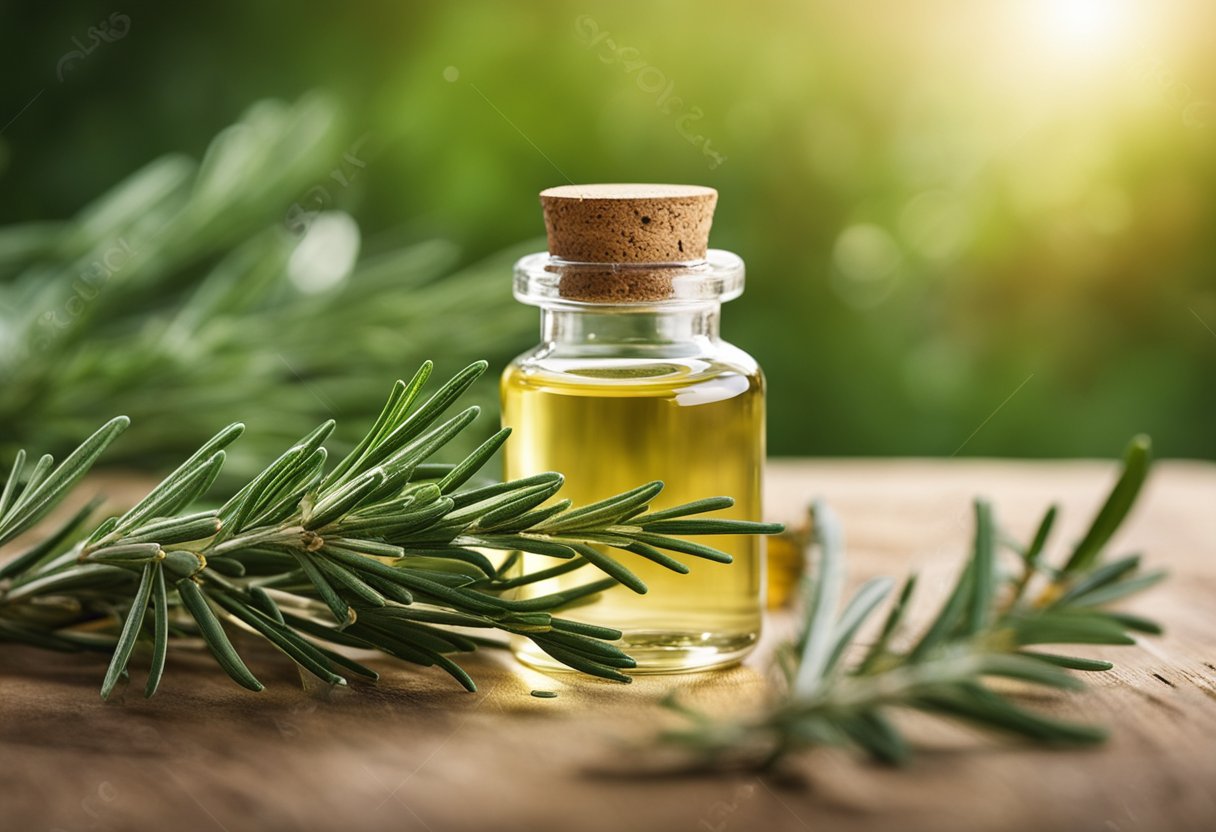
Rosemary essential oil has been widely used for various health benefits, but how does it compare to other popular essential oils? In this section, we will briefly discuss the similarities and differences between rosemary oil and other essential oils such as lavender, frankincense, and cedarwood.
Rosemary oil is known for its potential to improve brain function and support hair and scalp health. Similarly, lavender essential oil is praised for its calming and relaxing effects, often used to help with stress, anxiety, and sleep. While both oils come from plants native to the Mediterranean region, they have different chemical compositions and offer unique therapeutic properties.
Frankincense essential oil, derived from the resin of the Boswellia tree, has a rich history of use in spiritual and meditative practices. It is also known for its anti-inflammatory and immune-boosting properties. In contrast, rosemary oil is primarily valued for its cognitive and hair care benefits. However, both oils share antioxidant properties that help fight free radicals and support overall health.
Cedarwood essential oil, extracted from the wood of Cedar trees, has a warm, woody aroma and is known for its grounding and calming effects. It is often used in aromatherapy for relaxation and stress relief, similar to lavender oil. Cedarwood oil also has a long history of use in traditional medicine for treating various skin conditions, while rosemary oil is more focused on hair and scalp health.
In conclusion, rosemary essential oil, while sharing some similarities with lavender, frankincense, and cedarwood oils, stands out for its unique benefits in supporting cognitive function and hair care. Each essential oil has its specific properties and uses, providing a wide range of options for individuals seeking natural solutions to improve their overall well-being.
Conclusion
Rosemary essential oil offers a wide array of health benefits that can contribute to an overall improved wellbeing. For instance, the oil has been shown to support brain function by potentially enhancing cognition and memory.
Not only is rosemary essential oil beneficial for mental health, but it also possesses properties that can improve hair health. Regular application of the oil to the scalp can stimulate hair growth. Moreover, several store-bought shampoos contain rosemary oil as an active ingredient to address various hair concerns.
Additionally, inhaling rosemary essential oil has been found to help reduce stress levels by lowering the blood levels of stress hormones like corticosterone, which in turn, can also boost cognitive function.
It is important to remember that while rosemary essential oil carries many potential benefits, it is crucial to use it with caution and under the guidance of a healthcare professional. Including rosemary essential oil as part of a routine can indeed contribute to living a healthier lifestyle and maximizing its powerful advantages.
Frequently Asked Questions
https://www.youtube.com/watch?v=VNBlvxPmigo&embed=true
What are the benefits of rosemary oil for hair growth?
Rosemary essential oil can support hair growth by stimulating the scalp and improving circulation. This promotes stronger and healthier hair follicles, leading to thicker strands and reduced hair loss. Rosemary oil is also known for its anti-inflammatory and antimicrobial properties, which may help to maintain a healthy scalp environment.
How can rosemary essential oil improve brain health?
Using rosemary essential oil may support brain health by enhancing memory, focus, and overall cognitive function. This is due in part to its ability to lower levels of the stress hormone cortisol which can negatively impact cognitive processes. Additionally, its anti-inflammatory properties also contribute to proper brain function.
What are the potential side effects of using rosemary oil?
Rosemary essential oil is generally considered safe for most people when used correctly. However, some individuals may experience skin irritation or allergic reactions when applying it topically. It is essential to always use a carrier oil when applying rosemary oil to the skin and spot test for any adverse reactions. Additionally, rosemary oil may interfere with certain medications, so it is important to consult with a healthcare professional before incorporating it into your routine.
Can rosemary oil be applied directly to the skin?
It is not recommended to apply rosemary essential oil directly to the skin without diluting it first. To ensure safe application, mix the essential oil with a carrier oil, such as coconut or jojoba oil, at a ratio of 2-3 drops of rosemary oil per tablespoon of carrier oil. This will help to minimize the risk of skin irritation or allergic reactions.
How to use rosemary essential oil for facial care?
To incorporate rosemary essential oil into your facial care routine, simply add a few drops to your preferred carrier oil or unscented face cream. You can also mix 1-2 drops of rosemary oil with a small amount of carrier oil and apply it directly to any problem areas on your face, such as acne spots, to help reduce inflammation and improve overall skin health.
What are some medicinal applications of rosemary essential oil?
Rosemary essential oil has multiple medicinal uses due to its anti-inflammatory, antimicrobial, and antioxidant properties. These include easing digestive issues, relieving muscle and joint pain, and supporting respiratory health. Additionally, its antibacterial properties make it a natural solution for oral hygiene and dental health when used as a mouthwash or added to toothpaste.