
Dry brushing has gained popularity in recent years as a method of skin care and overall wellness. This ancient practice, common in Ayurvedic medicine and utilized by cultures such as the ancient Greeks and Japanese, involves using a natural bristle brush to gently massage the skin in a specific pattern. While it may seem like a simple routine, dry brushing offers a variety of benefits that can positively impact your health and appearance.
One of the most evident benefits of dry brushing is its ability to exfoliate rough, dry skin effectively. This helps unclog pores and remove dead skin cells, allowing for improved skin texture and appearance Cleveland Clinic. Moreover, the practice can aid in detoxifying the skin by increasing blood circulation and promoting lymph flow and drainage, which are vital components in maintaining a healthy immune system. Beyond its physical benefits, many enthusiasts also report a boost in energy and overall well-being following a dry brushing session.
Understanding Dry Brushing
https://www.youtube.com/watch?v=FeLHHKiYJgk&embed=true
The Technique
Dry brushing is a natural exfoliating technique that involves brushing the skin with a bristle brush to remove dead skin cells and promote a smoother skin texture. The process can also help boost circulation, stimulate the lymphatic system, and reduce cellulite 1. To effectively dry brush, start at your feet and move up the body in long, gentle strokes, moving towards the heart. This technique is best practiced before showering.
Brush Types
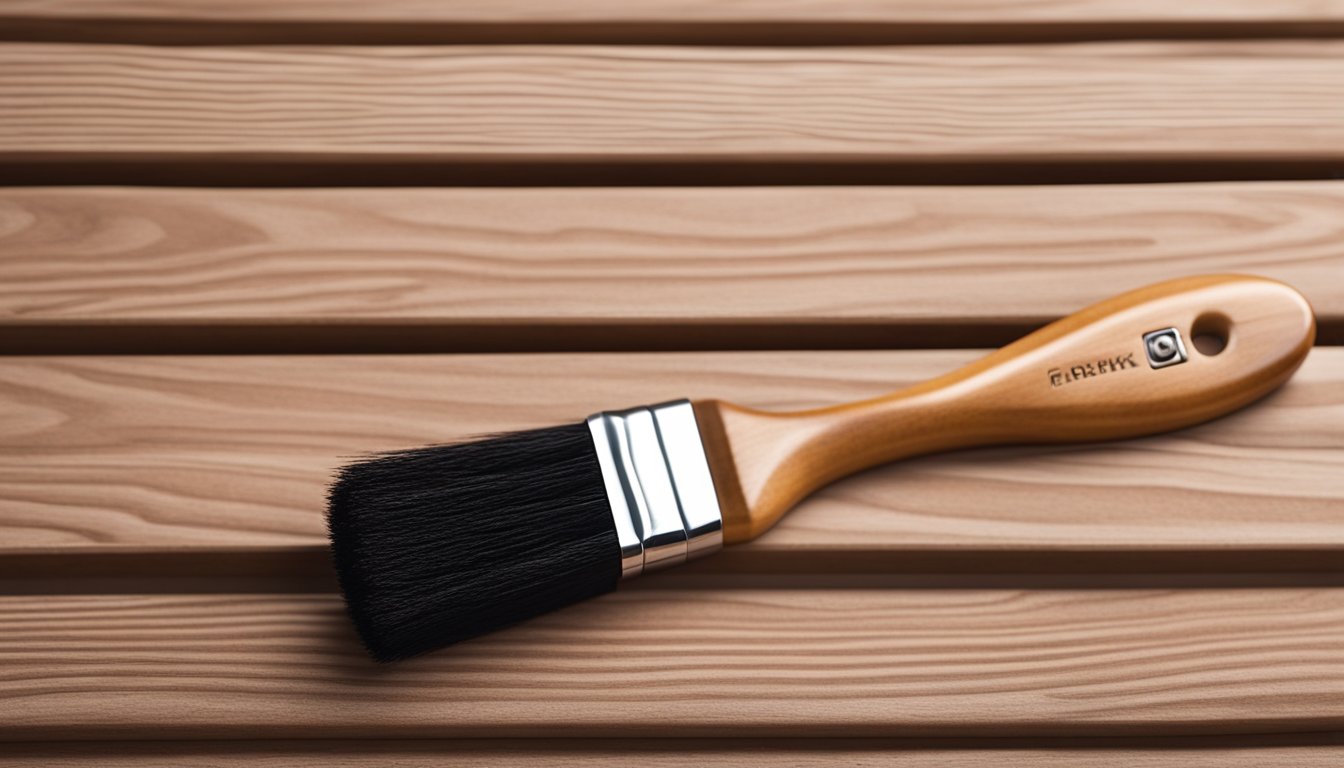
Choosing the right brush type is essential for an effective dry brushing experience. The most recommended brush for this technique is a natural bristle brush with firm bristles. These brushes are designed to enhance the exfoliating process while also being gentle on the skin. A board-certified dermatologist can provide guidance on the best brush to suit your skin type and personal preferences 2. Avoid using synthetic bristles, as they can be too harsh and potentially damage the skin.
In summary, understanding the technique of dry brushing and selecting the appropriate brush type are crucial steps in incorporating this skin-enhancing practice into your self-care routine. With this knowledge, you can confidently use dry brushing to improve your skin’s overall health and appearance.
Footnotes
Role in Skin Health
Exfoliation
Dry brushing is a popular technique that can contribute significantly to the health of your skin. One of the primary benefits is that it helps to exfoliate the skin by removing dead skin cells from the surface. This process leads to an improved appearance and prevents the buildup of dead skin cells. Regular exfoliation is essential for maintaining a healthy complexion, especially for those with dry or sensitive skin. It’s worth noting that dry brushing should be used cautiously on the face, as the skin is more delicate, and it’s typically better to use a specific facial exfoliating brush or tool.
Dry Skin and Other Conditions
Besides exfoliation, dry brushing can also alleviate other skin conditions. For instance, individuals suffering from eczema, psoriasis, or generally dry skin may find relief in dry brushing. This technique helps to unclog pores, which, in turn, allows the skin to breathe better and retain moisture more effectively. Keep in mind that for people with wounds, sunburn, or acne-prone skin, dry brushing may not be suitable, as it can potentially worsen these conditions. It’s crucial to always be gentle when dry brushing and to consult with a medical professional if you have specific skin concerns or skin types.
Cellulite and Appearance
While there is no definitive research to support the claim that dry brushing directly reduces cellulite, it’s believed that increasing blood circulation and promoting lymph flow/drainage during the process may provide some benefits in improving the appearance of cellulite. Additionally, by unclogging pores and sloughing off dead skin cells, the skin texture becomes more even and its overall appearance is enhanced. Ultimately, dry brushing can contribute to a healthy, radiant complexion.
Impact on Circulatory System
https://www.youtube.com/watch?v=StDWvO1-gTU&embed=true
Boosting Circulation
Dry brushing is widely known for its ability to stimulate the circulatory system and enhance blood flow. By moving the brush in gentle, circular motions across the skin, it helps to increase blood circulation, delivering essential nutrients and oxygen to the skin and other tissues. As a result, the body experiences improved metabolic function and revitalized skin appearance 1.
Lymphatic Drainage
Another major benefit of dry brushing is its positive impact on the lymphatic system. The lymphatic system is responsible for removing toxins and waste from the body, and healthy lymph flow is crucial for overall well-being2. Dry brushing promotes lymphatic drainage, as the brushing motion encourages the movement of lymph fluid towards the lymph nodes, ultimately supporting the body’s natural detoxification process3. Additionally, improved lymphatic drainage can lead to a reduction in inflammation and potential boost in immune function4. In summary, the practice of dry brushing not only supports blood circulation but also promotes healthy lymphatic drainage, making it a vital addition to any skincare or holistic wellness routine.
Footnotes
Dry Brushing and Detoxification
https://www.youtube.com/watch?v=btfrunNa2MI&embed=true
Elimination of Toxins
Dry brushing is known for its ability to help detoxify the skin by eliminating toxins and improving blood circulation. The mechanical action of dry brushing aids in exfoliating rough, dry skin and unclogging pores, which supports detoxification by promoting lymph flow and drainage1. As a result, the body can more efficiently remove cell waste, environmental toxins, and pathogenic organisms2.
This skin detoxification process helps reveal smoother and clearer skin, and may also reduce the appearance of cellulite. By increasing circulation and energy levels, dry brushing contributes to a natural rejuvenation process3.
Digestive Health
Although less commonly discussed, dry brushing may have an impact on digestive health. As the skin is the body’s largest organ, ensuring its optimal health by detoxifying it contributes to the overall well-being of the body.
The stimulation of the lymphatic system through dry brushing helps to efficiently remove waste products and supports the immune system4. Enhanced lymphatic drainage keeps the body’s systems working effectively, which may indirectly aid in digestive health. Additionally, the improved blood circulation resulting from dry brushing promotes nutrient absorption and oxygen transport, ultimately supporting a healthy digestive system5.
In conclusion, incorporating dry brushing into your daily routine can contribute to detoxification and digestive health by promoting the elimination of toxins, enhancing lymphatic drainage, and improving circulation.
Footnotes
Additional Benefits
Self-Care and Relaxation
Dry brushing is more than just a method to improve your skin’s appearance. It can also be a form of self-care and relaxation. By incorporating dry brushing into your daily routine, you are taking time for yourself and focusing on your personal well-being.
One of the key benefits of dry brushing is the massage-like experience it provides. The gentle pressure applied to the skin helps soothe tension and promotes mental relaxation. As a result, many individuals find the process to be invigorating and energizing.
Moreover, dry brushing can improve blood circulation, which contributes to overall health and vitality. The increased circulation can boost energy levels and leave you feeling refreshed and rejuvenated.
In summary, dry brushing is a versatile practice that offers not only physical benefits but also mental and emotional advantages. By integrating this simple technique into your self-care routine, enjoy a more invigorated and relaxed state of being.
How to Brush
https://www.youtube.com/watch?v=NyRF3vxZYe0&embed=true
Body and Face Brushing
To begin the dry brushing process, it is essential to choose an appropriate brush with natural, stiff bristles. Start by brushing your feet and legs in an upward motion, moving the brush towards your heart. This direction helps in promoting better blood circulation and lymphatic flow. When brushing the arms, begin at the hands and move up towards the shoulders. As for the torso, adopt a circular, clockwise motion. Ensure that you cover all parts of your body, including the back and neck, when dry brushing.
When it comes to face brushing, it is recommended to use a softer brush specifically designed for the delicate skin on the face. Be gentle and use circular motions to exfoliate and rejuvenate your facial skin.
Pressure and Direction
Applying the right amount of pressure during dry brushing is crucial. Start with light pressure and gradually increase as your skin becomes more accustomed to the brushing technique. Avoid brushing too hard, as it can cause irritation and damage to your skin. Pay attention to sensitive areas such as the neck, chest, and other parts with thinner skin, as they require a slightly lighter touch. Consistent and regular practice of dry brushing will lead to optimal exfoliating results and other potential benefits.
Possible Risks and Precautions
Avoiding Skin Damage
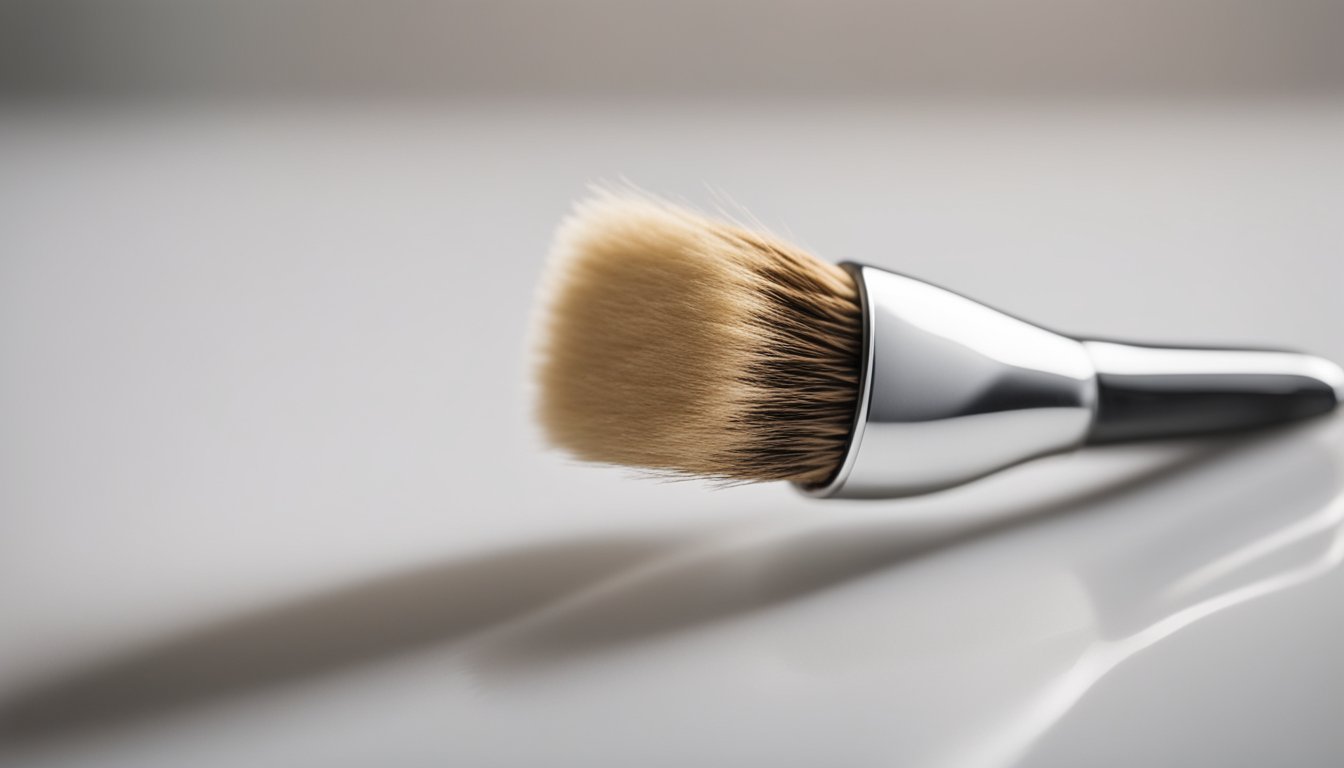
While dry brushing can have various benefits, it is essential to be cautious to avoid skin damage or irritations. Dermatologists recommend using a brush with soft, natural bristles to minimize the risk of causing abrasions or irritation to the skin. It is crucial to brush gently in a circular motion, particularly on areas with sensitive skin.
Individuals with skin conditions like rashes, warts, or moles should be cautious when dry brushing, as it may aggravate the area or even cause infection. It is necessary to always keep the brush clean and dry to prevent potential bacteria buildup, which could lead to skin issues.
When to Avoid Dry Brushing
Some situations call for avoiding dry brushing altogether. People with extremely sensitive skin or conditions such as eczema or psoriasis should consult a dermatologist before considering this technique, as it could lead to further irritation or inflammation.
If you have an open wound or abrasion, it is best to avoid dry brushing the affected area, since it can slow down the healing process and increase the risk of infection. Similarly, one should avoid brushing over sensitive areas such as the genitals or around the eyes.
In conclusion, while dry brushing can offer numerous benefits, it is essential to take necessary precautions and seek professional advice if needed. Being aware of the potential risks and employing proper techniques can help users experience the full range of improvements that dry brushing can provide.
Post Brushing Care
Showering and Moisturizing
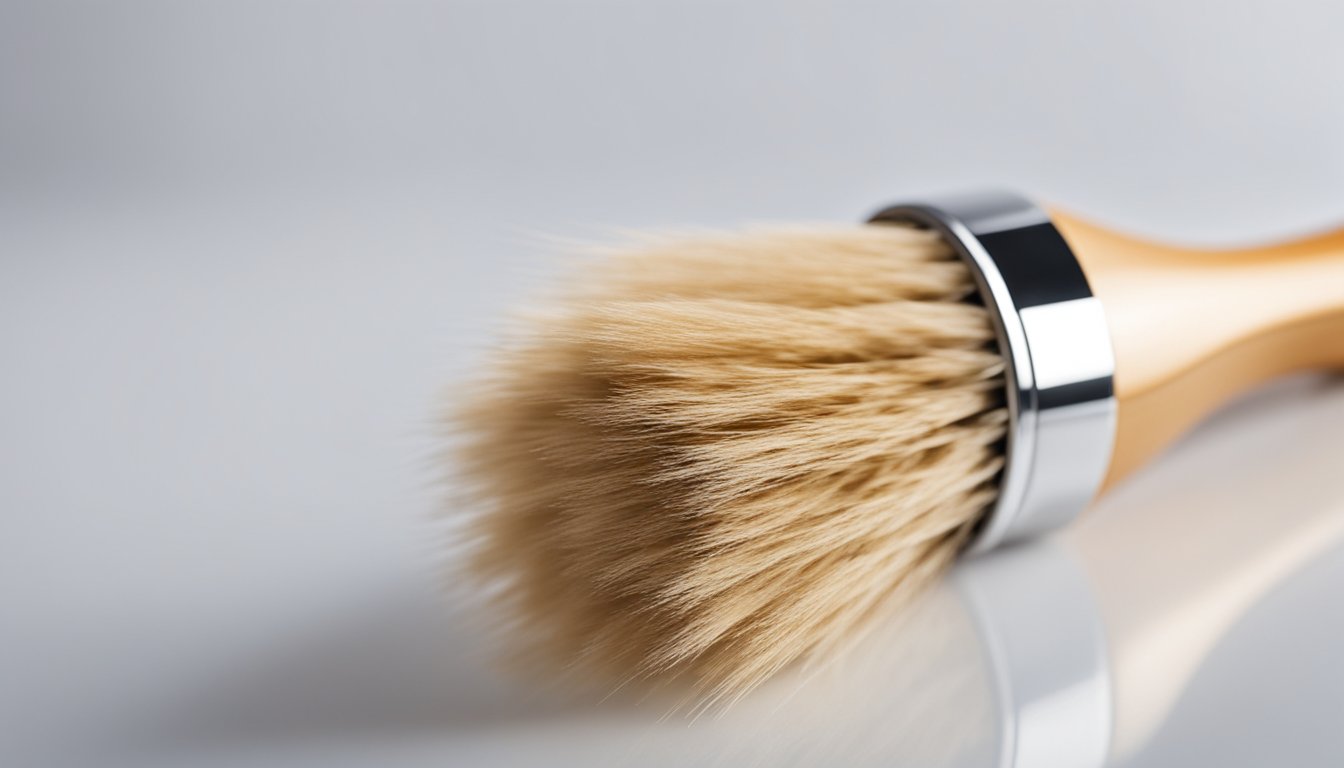
After completing your dry brushing session, it is recommended to take a shower to rinse away the loosened dead skin cells. Opt for warm water instead of hot, as extreme heat can strip the skin of natural oils and cause further dryness. A gentle body wash can be used with a washcloth to cleanse your skin thoroughly.
Once you’ve finished showering, pat your skin dry with a soft towel, and immediately apply a moisturizer to lock in the hydration. For an added spa-like experience, consider using a body oil such as coconut oil, which offers excellent moisturizing properties and can soothe inflammation. Alternatively, you can use a lotion specifically formulated for post-dry brushing care to keep your skin smooth, soft, and healthy.
Brush Maintenance
Taking proper care of your dry brush is essential to prevent the buildup of bacteria, mildew, or other undesirable substances on the bristles. After each use, gently tap the brush or comb through the bristles to remove any leftover debris.
It is important to periodically clean your dry brush thoroughly. To do this, create a mild solution of water and a gentle soap. Dip the bristles into the solution, swirl them around, and then rinse with clean water. Avoid submerging the entire brush, as this can damage the handle and cause the bristles to loosen.
To dry the brush, gently shake off any excess water and place it in a well-ventilated area, with the bristles facing down. This will allow the brush to dry naturally and maintain its effectiveness. Depending on the frequency of use, most experts recommend replacing your dry brush every 6-12 months.
Understanding the Evidence
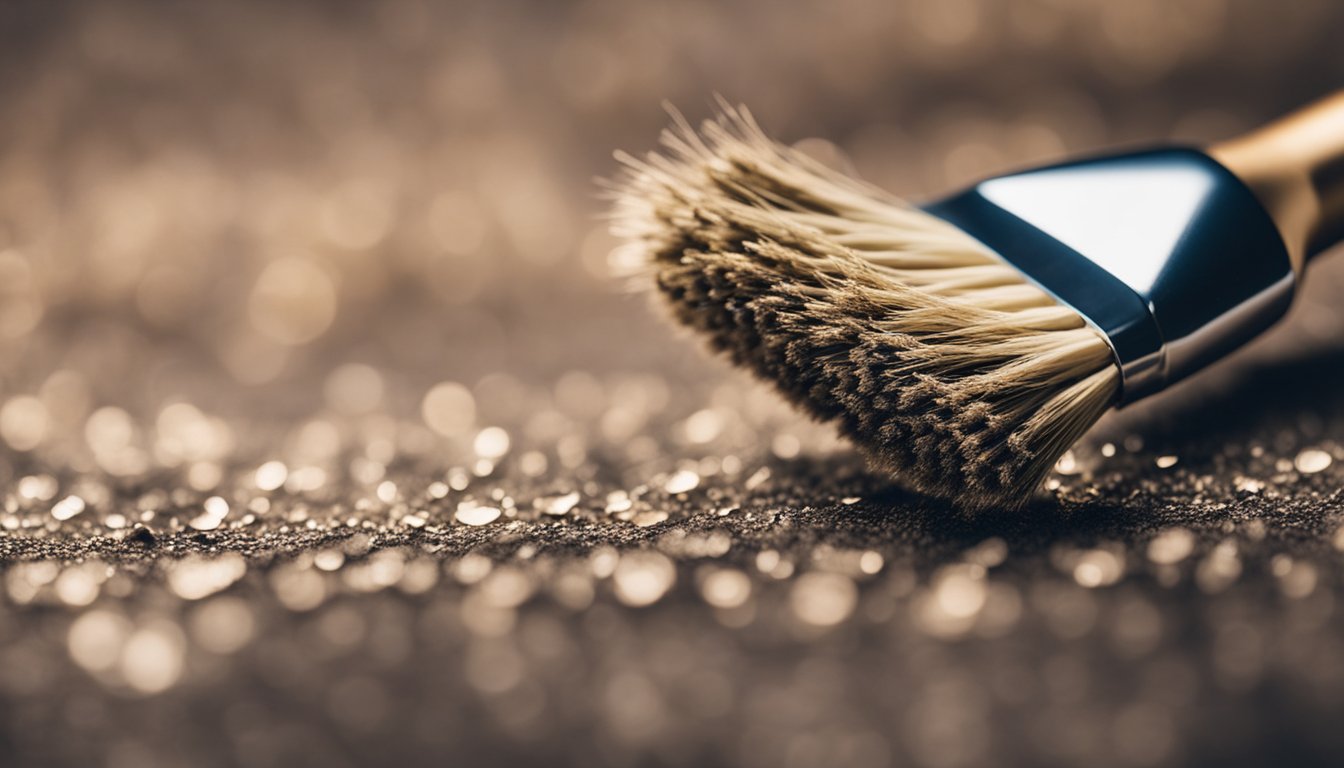
Dry brushing is a popular technique that has gained attention in recent years due to its potential health benefits. One of the most widely recognized benefits of dry brushing is its ability to exfoliate the skin. This process can help remove dead skin cells and unclog pores, resulting in a smoother, more radiant skin appearance.
The technique also claims to have internal health benefits. Some proponents suggest that dry brushing may be effective in stimulating the lymphatic system, which plays a crucial role in the immune system. By increasing blood circulation and promoting lymph flow, it is thought to help the body naturally detoxify and remove unwanted waste.
In addition to these potential benefits, there are other claims that dry brushing can help with pain and improve the production of natural oils. These latter claims, however, lack substantial scientific evidence to back them up. It is important to approach these assertions with a healthy skepticism, as more research is needed to fully understand their validity.
While not all estheticians promote dry brushing as a must-have technique, some do recommend it for specific skin types and conditions. For instance, individuals with dry or rough skin may notice a significant improvement after dry brushing. Furthermore, there is anecdotal evidence to suggest that dry brushing can have a plumping effect on the skin, albeit temporary, improving skin’s overall appearance.
In summary, there is some support for the benefits of dry brushing related to skin exfoliation and potential lymphatic system stimulation. However, other claims, such as pain relief and the support of natural oil production, need more substantial scientific evidence. When considering incorporating dry brushing into your self-care routine, be sure to consult with a healthcare professional or an experienced esthetician to ensure that the practice is safe and suitable for your skin type and needs.
Conclusion
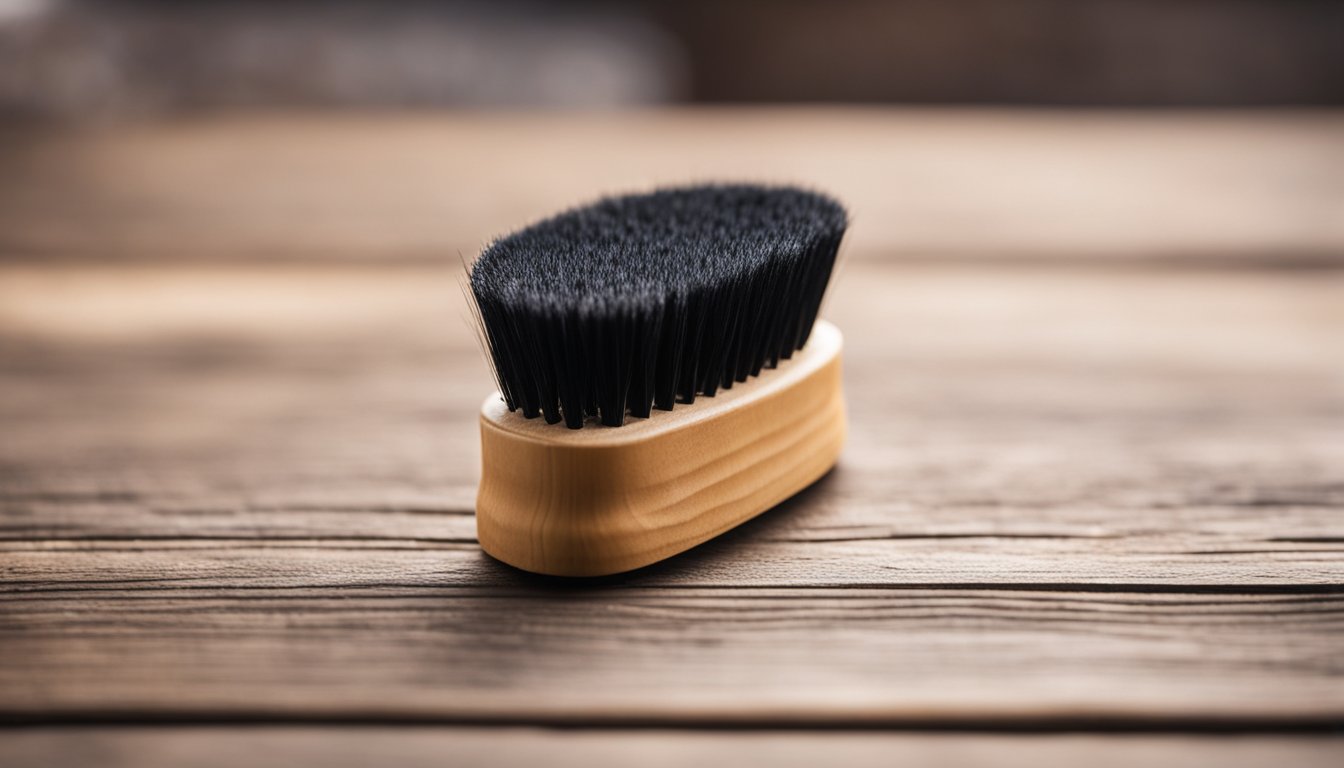
Dry brushing is a popular skincare technique that offers numerous benefits. One of the main advantages of dry brushing is its ability to exfoliate the skin, removing dead skin cells and unclogging pores. This can lead to an overall improvement in skin texture and appearance.
In addition to exfoliation, dry brushing can help stimulate blood circulation and promote lymphatic drainage. By improving blood flow and aiding in the removal of waste products from the body, dry brushing may contribute to healthier skin and increased energy levels.
It’s important to note that while many people praise the benefits of dry brushing, scientific evidence supporting these claims is limited. Nonetheless, experts in the field agree that this practice can be beneficial for certain aspects of skin health.
In conclusion, incorporating dry brushing into a skincare routine can provide various benefits such as skin exfoliation, improved circulation, and enhanced lymphatic function. It is essential, however, to approach this practice with realistic expectations and understand that its benefits may vary between individuals.
Frequently Asked Questions
What are the main benefits of regular dry brushing?
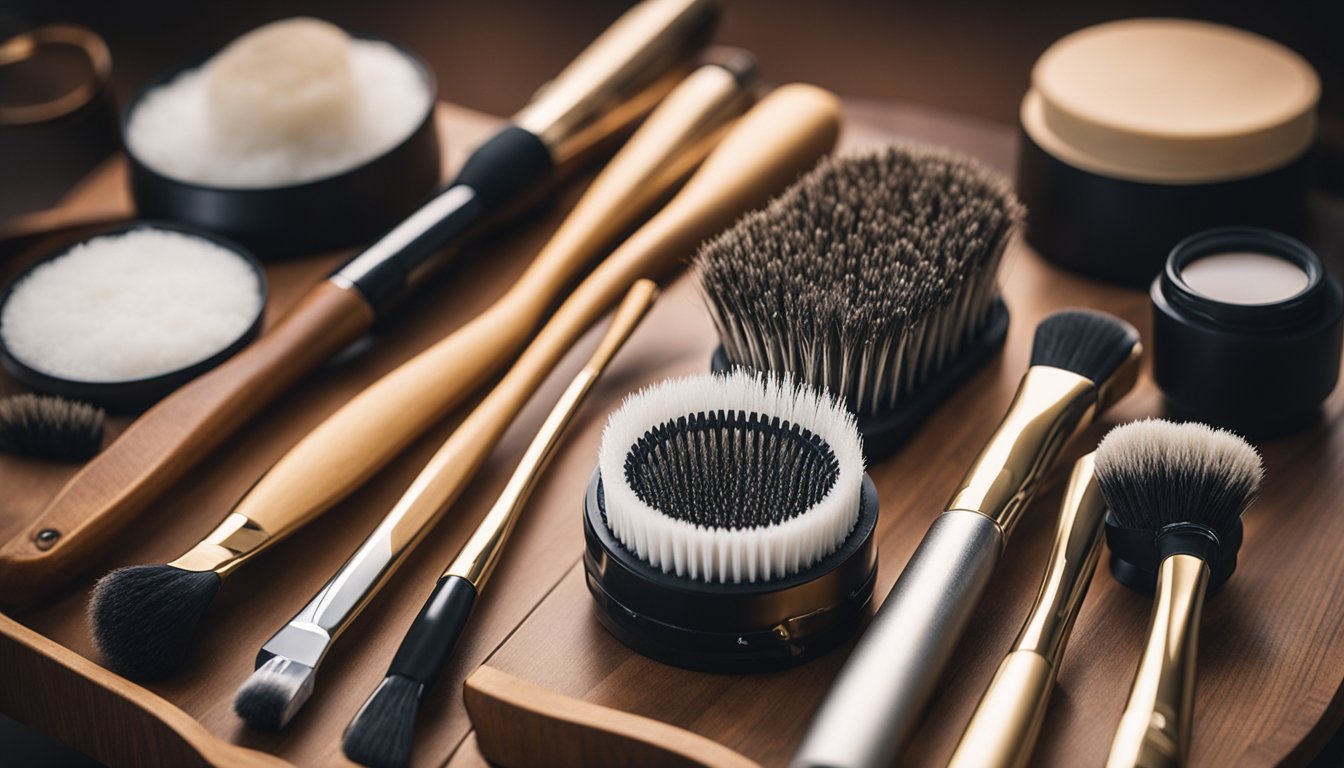
Dry brushing offers several benefits, such as stimulating the lymphatic system, exfoliating the skin, and increasing circulation and energy. Regular practice may even help reduce the appearance of cellulite and facilitate toxin removal.
How does dry brushing improve skin health?
The mechanical action of dry brushing effectively exfoliates rough, dry skin. This process unclogs pores, promotes cell renewal, and leaves the skin looking fresher and healthier.
Does dry brushing aid in lymphatic drainage?
Yes, dry brushing can stimulate the lymphatic system. By promoting circulation and exfoliating the skin, it aids in the drainage of toxins and waste from the body, which is an essential function of the lymphatic system.
How often should I practice dry brushing for optimum results?
As you age, your skin may require more exfoliation. It is generally recommended to practice dry brushing once or twice a week for optimal results. However, listening to your body and adjusting the frequency as necessary can help maintain skin health.
Can dry brushing reduce cellulite appearance?
There are claims that dry brushing can help reduce the appearance of cellulite by stimulating circulation and breaking down fat deposits. However, it’s essential to note that these claims are not scientifically proven, and individual results may vary.
What precautions should be taken while dry brushing?
It is crucial to use a brush with soft, natural bristles and avoid excessive pressure during the process. Dry brushing should be done with gentle, upward strokes towards the heart. If you experience irritation, redness, or discomfort, it is best to stop dry brushing and consult a dermatologist for guidance.