
High blood pressure, also known as hypertension, is a common health condition where the force of blood against your artery walls is high enough that it may eventually cause health problems, such as heart disease. There are numerous factors that contribute to high blood pressure, some of which are within your control, while others are not. Understanding these factors can help you manage or even prevent hypertension. Lifestyle choices such as diet and physical activity play a significant role, but genetics, age, and certain medical conditions can also influence your blood pressure levels.
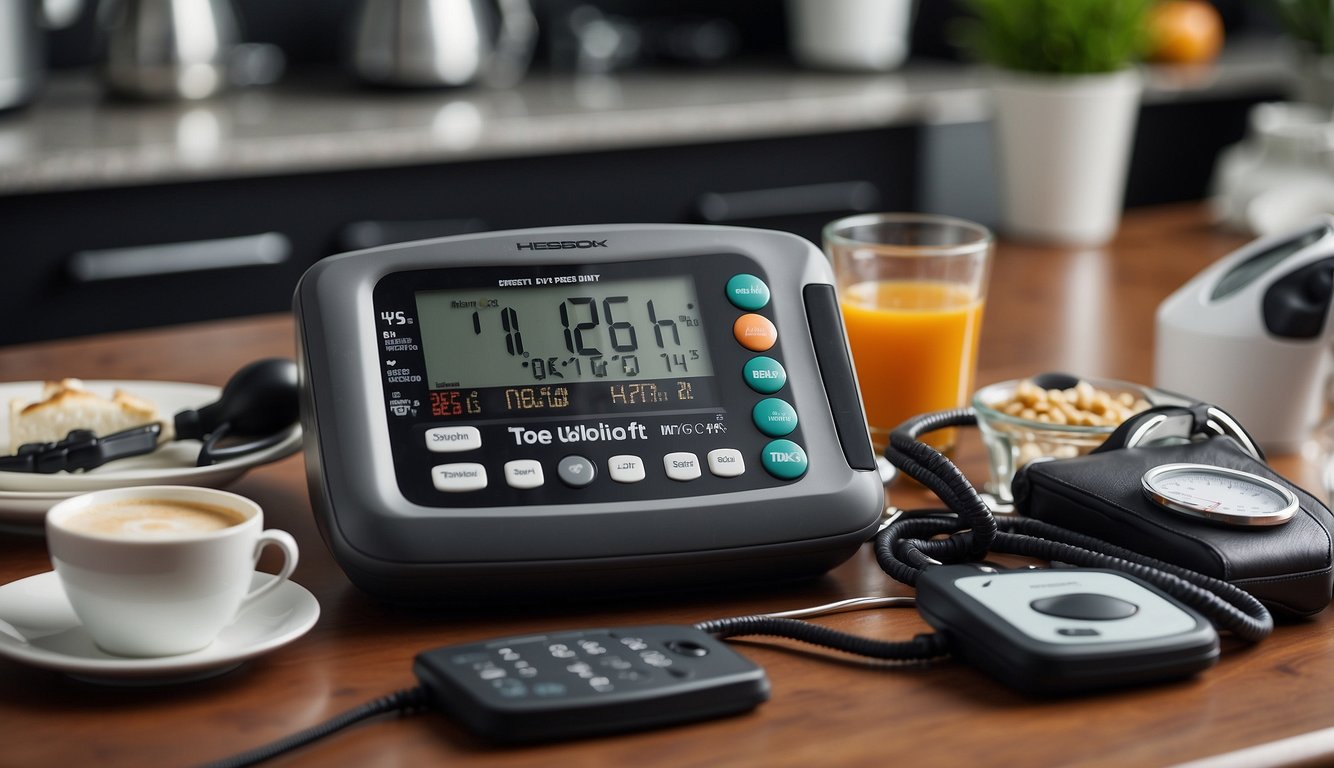
Treatment for high blood pressure typically involves a combination of medication and lifestyle modifications. Medications can effectively lower blood pressure when lifestyle changes alone are insufficient, but they’re most effective when paired with heart-healthy changes in your life. From dietary adjustments, such as reducing salt intake, to regular physical activity and weight management, each action can contribute to maintaining optimal blood pressure. Additionally, understanding the impact of other health conditions like diabetes and obesity is crucial, as they can exacerbate hypertension. Regular monitoring, along with proactive healthcare engagement, is key to managing high blood pressure.
Key Takeaways
- Lifestyle modifications and treatment are both key to managing high blood pressure.
- Various factors, including diet, activity level, and other health conditions, affect blood pressure.
- Regular monitoring and healthcare engagement is essential for prevention and early detection.
Understanding High Blood Pressure
High blood pressure, also known as hypertension, can lead to serious health complications if left unchecked. It’s important to understand what constitutes high blood pressure, recognize the potential symptoms and complications, and know what the numbers in your blood pressure readings signify.
Defining Hypertension
Hypertension is when your blood pressure, the force of your blood pushing against the walls of your blood vessels, is consistently too high. High blood pressure means that your heart has to work harder than normal to circulate blood through your blood vessels.
Symptoms and Complications
Frequently, hypertension presents no noticeable symptoms. However, when signs do occur, they could include headaches, shortness of breath, or nosebleeds. Unfortunately, high blood pressure can lead to various complications like heart disease, stroke, and kidney failure. These complications arise due to the long-term strain on your cardiovascular system.
Blood Pressure Readings Explained
Your blood pressure reading has two numbers: systolic pressure, which is the higher number, and diastolic pressure, the lower one. Normal blood pressure ranges below 120/80 mm Hg. Elevated blood pressure ranges from 120-129/<80 mm Hg. Stage 1 hypertension ranges from 130-139/80-89 mm Hg, and Stage 2 includes readings of 140 or higher/90 or higher mm Hg. It’s crucial for your health to keep these numbers in check.
Risk Factors for Hypertension
Understanding why you might be at risk for high blood pressure, also known as hypertension, is crucial for prevention and management. Your genetics, age, and daily habits all play a role in your blood pressure levels.

Genetic Influences
Your family history is a significant indicator of your potential to develop hypertension. If high blood pressure is common among your relatives, you have a higher likelihood of developing it. The interplay between multiple genes from both your parents contributes to your genetic risk.
Age and High Blood Pressure
As you age, your blood vessels naturally become less flexible, which can contribute to increasing blood pressure levels. Although hypertension is more typical in older adults, children and teens are also at risk, particularly if they’re living with overweight or obesity.
Lifestyle and Environmental Factors
Your lifestyle choices have a significant impact on your blood pressure. Key factors include:
- Diet: A diet high in salt can lead to increased blood pressure, while a balanced diet rich in fruits and vegetables can help reduce it.
- Weight: Being overweight or obese places additional strain on your heart, which can raise your blood pressure.
- Physical activity: Regular exercise helps maintain a healthy heart and blood vessels.
- Alcohol and tobacco use: Excessive drinking and smoking can lead to hypertension.
- Stress: Chronic stress can contribute to temporarily heightened blood pressure levels, and if unmanaged, it may have long-term effects.
It’s important for you to understand these risk factors as some can be managed with lifestyle changes, offering you a level of control over your blood pressure and overall health.
Diet and Nutrition

Your eating habits play a crucial role in regulating your blood pressure. Certain nutrients have a significant impact on vascular health, and a balance of these can either raise or lower your blood pressure.
Salt Intake and Its Effects
Excessive salt intake is closely linked to high blood pressure. The sodium found in salt increases the amount of water retained in your body, leading to higher blood pressure. It is recommended to limit your sodium intake to under 2,300 milligrams a day, with an ideal target of less than 1,500 milligrams for most adults.
The Role of Potassium
Potassium helps to counteract the effects of sodium and eases tension in your blood vessel walls. Having a diet rich in potassium can be beneficial in controlling blood pressure. You can find potassium in foods such as bananas, oranges, and leafy green vegetables. Include a variety of fruits and vegetables in your diet to ensure adequate intake of potassium.
Balanced Diet for Blood Pressure Control
To control your blood pressure through diet, adopt a healthy eating plan that includes a variety of nutrient-rich foods. A balanced diet includes:
- Fruits and vegetables: Aim for 4-5 servings each per day.
- Whole grains: Look for whole-wheat bread, brown rice, and oatmeal.
- Lean proteins: Select skinless poultry and fish.
- Low-fat dairy: Choose milk, yogurt, and cheese with less fat.
By reducing your salt consumption, eating potassium-rich foods, and following a balanced diet, you create a healthy lifestyle that supports optimal blood pressure levels.
Lifestyle Management

Proper lifestyle management is fundamental in the prevention and control of high blood pressure. Focusing on physical activity, stress management, and moderating alcohol and tobacco usage can lead to significant improvements in your blood pressure levels.
Physical Activity Benefits
Incorporating regular exercise into your daily routine can lower blood pressure by improving heart health and weight management. Aim for at least 150 minutes of moderate-intensity aerobic activity per week or 75 minutes of vigorous-intensity aerobic activity, supplemented by muscle-strengthening activities on two or more days a week. A consistent exercise regimen has been shown to decrease systolic blood pressure by an average of 4-9 millimeters of mercury (mm Hg), which can be as effective as some blood pressure medications.
- Aerobic Exercises: brisk walking, jogging, swimming, or biking
- Strength Training: lifting weights or bodyweight exercises
Stress Management
Managing stress is a critical component of a healthy lifestyle. Chronic stress can contribute to high blood pressure and adopting techniques to reduce stress levels can have a positive effect.
- Relaxation Techniques: meditation, deep breathing exercises, and yoga
- Time Management: setting realistic goals and prioritizing tasks to avoid overcommitment
Alcohol and Tobacco Usage
Modifying your alcohol and tobacco intake is another key element in controlling high blood pressure. Excessive alcohol consumption can raise your blood pressure over time, while smoking immediately raises it temporarily.
- Alcohol Consumption: Limit intake to no more than one drink a day for women or two drinks a day for men.
- Smoking Cessation: Avoiding tobacco altogether or quitting smoking can significantly reduce blood pressure and improve overall cardiovascular health.
By actively engaging in physical activity, managing stress, and moderating alcohol and tobacco use, you can create a sustainable healthy lifestyle that contributes to lower blood pressure and better well-being.
Impact of Other Health Conditions
High blood pressure doesn’t exist in a vacuum; underlying health conditions often play a significant role in its development. Conditions such as diabetes, kidney disease, and cardiovascular diseases can both contribute to and exacerbate hypertension.
The Interplay with Diabetes
If you have diabetes, your body’s inability to effectively use insulin can lead to high blood sugar levels, which, over time, can damage your blood vessels and the nerves that control your heart. These complications can increase the risk of developing high blood pressure.
Kidney Disease Contributions
Your kidneys help to regulate blood pressure by controlling the amount of fluid stored in your body and the levels of various essential salts. When you have kidney disease, this balancing act is disrupted, which can lead to high blood pressure. This in turn can cause further damage to your kidneys, creating a dangerous cycle.
Cardiovascular Diseases and High Blood Pressure
Heart disease covers various conditions that affect your heart’s functions, such as coronary artery disease, which can lead to heart attacks and strokes. High blood pressure can cause the walls of your blood vessels to thicken and narrow, making your heart work harder to pump blood. This increased effort can weaken your heart over time and contribute to heart failure—a form of cardiovascular disease.
Medications and Treatments
Managing high blood pressure often involves the use of medications. These medications work in different ways to lower blood pressure. Understanding the common treatments and medications can help you discuss your options with your healthcare provider.
Common Antihypertensive Drugs
-
Calcium Channel Blockers: These medications, such as amlodipine, work by relaxing the muscles of your blood vessels. They may also slow your heart rate, which can reduce blood pressure and decrease your risk of stroke.
-
Diuretics: Often called water pills, diuretics like hydrochlorothiazide help your kidneys remove extra water and salt from your body, which lowers your blood volume and pressure.
-
Angiotensin II Receptor Blockers (ARBs): ARBs, including medications like losartan, block the action of angiotensin II, a chemical that narrows blood vessels.
-
Angiotensin-Converting Enzyme (ACE) Inhibitors: ACE inhibitors help relax blood vessels by preventing the formation of the chemical angiotensin II.
-
Beta Blockers: These reduce your heart rate and output of blood, which lowers blood pressure.
-
NSAIDs: Non-steroidal anti-inflammatory drugs can raise your blood pressure; therefore, be cautious with their use, especially if you’re on antihypertensives.
-
Birth Control Pills: These can also raise blood pressure in some women. If you’re considering birth control pills, have a discussion with your healthcare provider about their implications for blood pressure.
New Developments in Hypertension Treatment
Innovations in hypertension treatment are always emerging. New drug classes and combination therapies aim to provide more effective control with fewer side effects. Researchers also explore how genetic factors can influence your response to blood pressure medications, leading to more personalized medicine approaches. If you’re interested in the latest treatments, staying in touch with advances in the field and consulting with your healthcare provider can be beneficial.
Monitoring and Health Care
Managing your high blood pressure effectively involves regular interactions with health care professionals and systematic health monitoring. Staying on top of these two elements is crucial for early detection and effective treatment of high blood pressure.
Regular Blood Pressure Checks
Having your blood pressure checked regularly is a fundamental part of monitoring your health. Screening should typically occur:
- At least once every two years if your blood pressure is less than 120/80 mm Hg.
- Once a year if your blood pressure is between 120/80 mm Hg and 139/89 mm Hg, indicating prehypertension.
Blood pressure measurements can be done at a doctor’s office, at home, or at a pharmacy. When measuring blood pressure at home, it is essential to use a validated device and follow the operating instructions carefully to ensure accurate readings.
Working with Your Doctor
Collaborating with your doctor is vital to manage your blood pressure. Here are specific actions you should take:
- Schedule regular visits for blood pressure measurements and treatment adjustments.
- Discuss any new symptoms or changes in your health, as they could affect your blood pressure or the effectiveness of your current treatment.
- Maintain open communication about your health care concerns, medication side effects, and any difficulties with prescribed lifestyle changes.
By actively engaging in your health monitoring and working closely with your doctor, you can manage your blood pressure more effectively and reduce the risk of complications.
Prevention and Early Detection
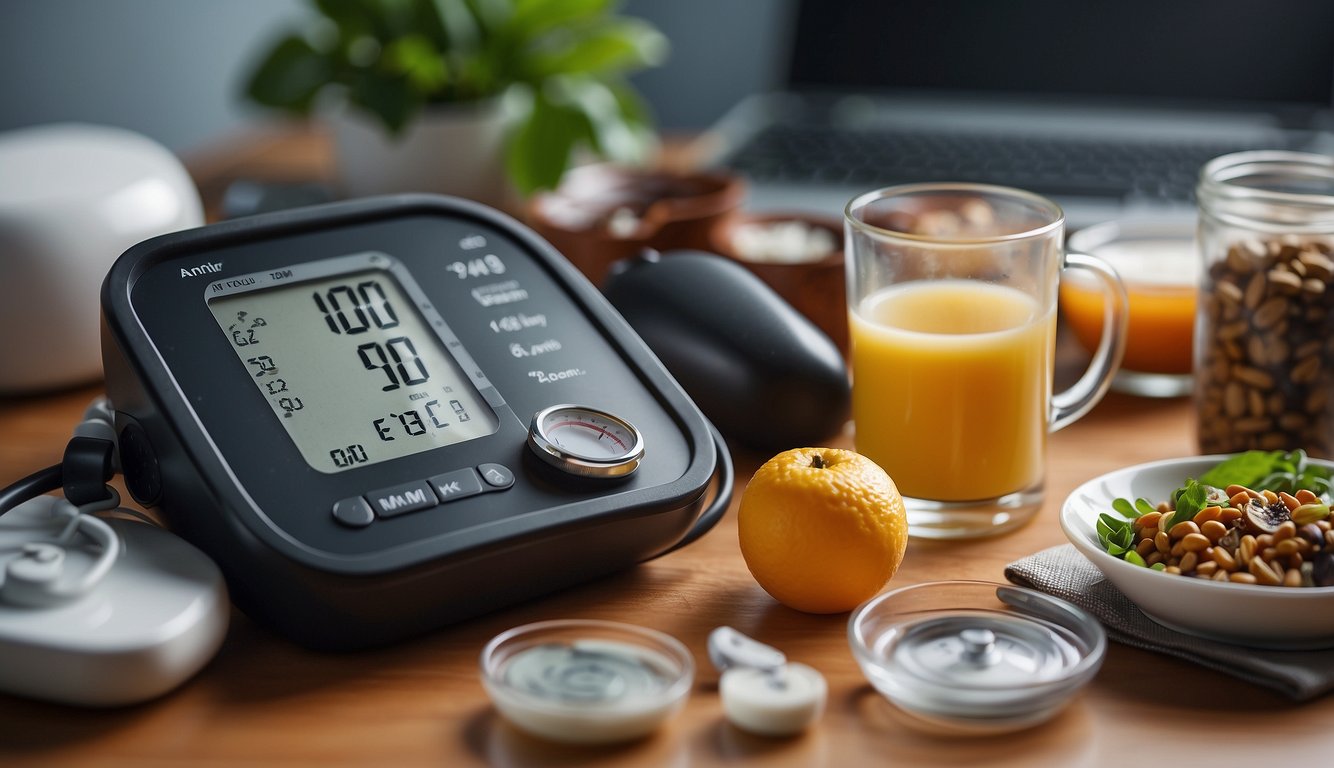
Effective management of high blood pressure hinges on early detection and proactive prevention strategies. Implementing healthy lifestyle changes and engaging in regular physical exercise can significantly bolster your cardiovascular system and maintain normal blood pressure.
Importance of Early Screening
Detecting high blood pressure early can halt the progression to Stage 1 or Stage 2 hypertension, serious conditions that elevate the risk of stroke and heart disease. It’s crucial for you to undergo regular blood pressure screenings, as high blood pressure often presents no symptoms yet still requires attention and management.
Creating a Prevention Plan
To prevent high blood pressure, incorporate a healthy lifestyle into your routine, emphasizing dietary choices rich in fruits, vegetables, and whole grains, and limiting sodium intake. Consistent physical exercise is also key to strengthening your cardiovascular system and maintaining a blood pressure within the normal range. Regular monitoring and lifestyle audits can ensure you remain on track and make necessary adjustments to your prevention plan.
Frequently Asked Questions
High blood pressure is a multifaceted condition that can be affected by various factors and lifestyle choices. Understanding these can help you manage or prevent hypertension.
What factors contribute to elevated blood pressure levels in young adults?
Young adults may experience elevated blood pressure due to obesity, a high-sodium diet, lack of physical activity, and stress. Genetics also play a role, making some individuals more susceptible to hypertension.
How can high blood pressure suddenly spike?
Sudden spikes in blood pressure, known as hypertensive crises, can be caused by certain medications, non-adherence to a hypertension treatment plan, or an underlying condition. Secondary causes include kidney disease and endocrine disorders.
What lifestyle changes can lower hypertension risks?
To lower your risk of hypertension, adopt a diet low in salt, rich in fruits and vegetables, maintain a healthy weight, commit to regular physical activity, and moderate alcohol consumption. Quitting smoking also plays a critical role in reducing blood pressure.
In what ways does gender specifically influence hypertension risk?
Gender can influence the risk of hypertension, with males showing higher rates in younger age groups, while women are more likely to develop hypertension after menopause. Hormonal factors and lifestyle habits contribute to these differences.
What symptoms might indicate a critical level of hypertension?
Symptoms indicating a critical level of hypertension can involve severe headaches, difficulty breathing, nosebleeds, and significant anxiety. However, hypertension is often asymptomatic until it reaches a life-threatening stage.
When is it necessary to seek emergency care for hypertension?
Seek emergency care for hypertension if your blood pressure exceeds 180/120 mm Hg or if you experience symptoms like chest pain, blurred vision, weakness, or difficulty speaking. This could signify a hypertensive emergency requiring immediate medical attention.