
Brain-Derived Neurotrophic Factor (BDNF) is a remarkable protein that plays a key role in the nervous system. It supports the survival, growth, and differentiation of neurons during brain development, and continues to maintain the health and function of mature neurons in the adult brain. As part of the neurotrophin family, BDNF is essential not just for early neurological development but also for learning and memory throughout life.
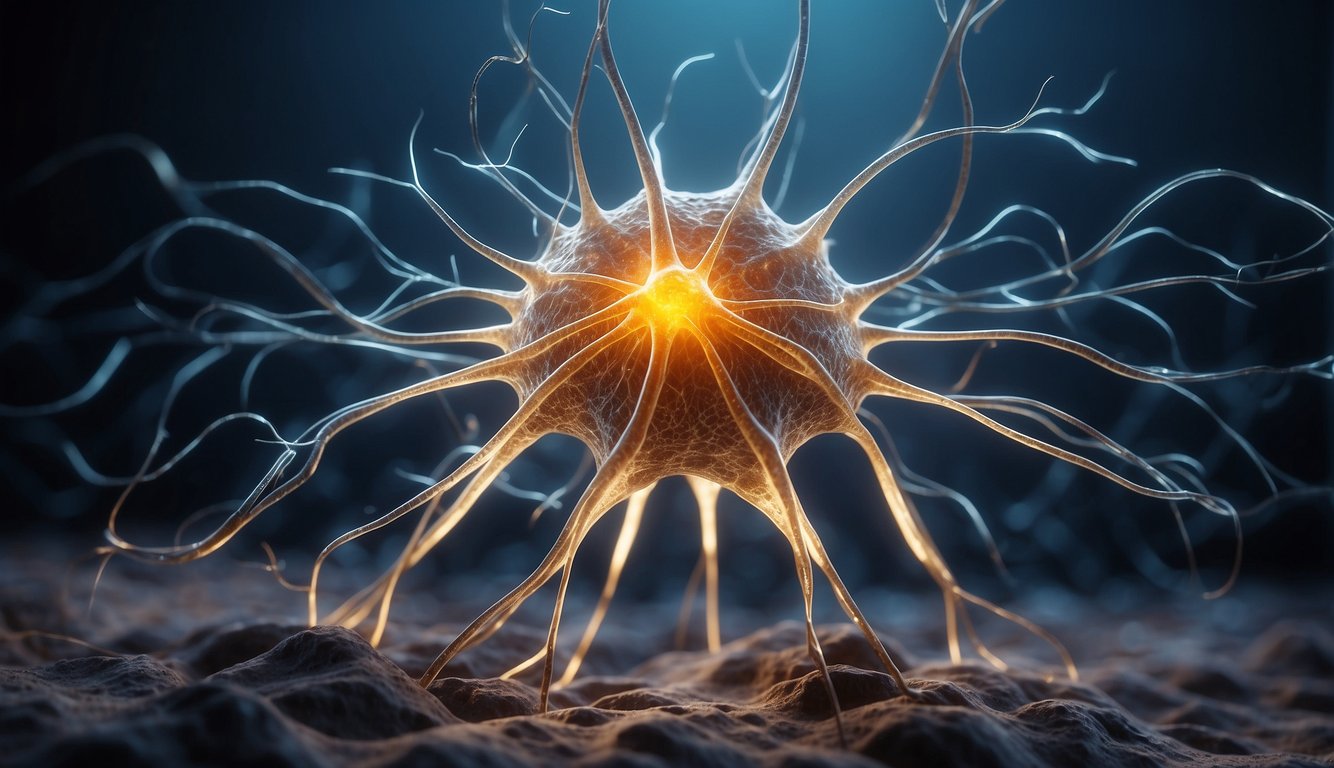
Constantly active in the background of neural activity, BDNF is critical in synaptic plasticity, which is the ability of synapses to strengthen or weaken over time. This plasticity underlies learning and memory. BDNF is also notable for its part in neurogenesis, the creation of new neurons in the brain. Moreover, fluctuations in BDNF levels have been associated with various neurodegenerative and psychiatric disorders, highlighting its potential as a target for therapies aimed at these conditions.
Key Takeaways
- BDNF supports neuron development and helps maintain neuronal function.
- It is critical for learning and memory due to its role in synaptic plasticity.
- BDNF levels correlate with the health of the brain and are linked to various neurological disorders.
BDNF Gene Structure and Expression

In understanding your body’s neurological health, Brain-Derived Neurotrophic Factor, or BDNF, plays a crucial role. It’s essential to comprehend the structure and regulation of the BDNF gene to appreciate how it impacts brain function and overall health.
Genetic Regulation of BDNF
Your BDNF gene exhibits a complex regulation pattern, crucial for its diverse role in neuronal development and synaptic plasticity. The human BDNF gene is comprised of multiple 5′ exons linked to their corresponding promoters and one 3′ exon. This structure facilitates the generation of various BDNF mRNA transcripts through alternative splicing, a process integral to the gene’s versatile expression. For example, Promoter I, and Promoter IV are known to be actively involved in regulating BDNF expression. These promoters respond to different stimuli, ensuring that BDNF is produced where and when it’s needed.
Methylation, a chemical modification where methyl groups are added to the DNA molecule, can modify the activity of the BDNF gene without changing its sequence. This can impact gene expression levels, playing a pivotal role in both normal neuronal function and the development of neurological disorders.
Promoters and Single Nucleotide Polymorphisms
Variations in the non-coding regions of the BDNF gene, particularly within its promoters, can have significant impacts on your brain’s health. Promoter IV is particularly notable because it contains a single nucleotide polymorphism (SNP) known as rs6265, also referred to as Val66Met. This SNP is associated with altered brain anatomy and memory function, and it has been studied extensively in the context of neuropsychiatric disorders.
Furthermore, the BDNF gene can undergo bidirectional transcription, a process where both the conventional gene and its opposite strand are transcribed. This mechanism further adds to the complexity of BDNF gene expression and regulation. It’s important for you to know that these genetic variations, including the presence of specific SNPs, may influence your neurological health and susceptibility to certain conditions.
BDNF and Neural Development
Your understanding of Brain-Derived Neurotrophic Factor (BDNF) is crucial as it significantly influences the development and complexity of the nervous system. BDNF plays a pivotal role in both the growth and the differentiation of new neurons and synapses.
BDNF in Nervous System Development
BDNF is essential during the nervous system development, guiding the differentiation of stem cells into neurons—this process is known as neurogenesis. It further supports the survival and maturation of neurons as they form the intricate networks characteristic of a healthy brain. BDNF’s role extends to dendritogenesis—the formation of dendrites—which increases the synaptic connections between neurons, enriching the neural circuitry.
Influence on Neurons Growth
Your neurons rely on BDNF to extend their axons and dendrites, the processes that allow them to communicate with other nerve cells. BDNF promotes axonal growth and branching, which are necessary for the transmission of electrical signals throughout the body. By influencing the length and complexity of dendrites, BDNF directly affects the number of potential synaptic connections a neuron may form, impacting how well your nervous system processes and transmits information.
BDNF’s Role in Synaptic Plasticity
Brain-Derived Neurotrophic Factor (BDNF) plays a pivotal role in modulating your brain’s ability to form and reorganize synaptic connections in response to experiences and learning, a phenomenon known as synaptic plasticity.
Long-Term Potentiation and Depression
Long-term potentiation (LTP) and long-term depression (LTD) are critical mechanisms through which synaptic plasticity manifests in your brain. BDNF is integral to the enhancement of synaptic strength that characterizes LTP. When you learn something new, BDNF supports the strengthening of synapses, this is activity-dependent synaptic plasticity. Conversely, LTD, the process of synaptic weakening, also involves BDNF signalling, allowing your neural networks to diminish connections that are less used or no longer needed.
Synaptogenesis and Stability
Synaptogenesis—the formation of new synapses—is another important aspect where BDNF exerts its influence. BDNF promotes the formation and specialization of synapses during brain development and learning. Furthermore, synapse stability is essential for the maintenance of long-term connections and is supported by ongoing BDNF signaling. This means BDNF is not only involved in creating the synaptic connections that define learning but also in ensuring their longevity and proper function.
By understanding your brain’s utilization of BDNF in regulating synaptic plasticity, you gain insight into the foundational processes that underlie learning and memory.
The Impact of BDNF on Neurodegenerative and Psychiatric Disorders
Your understanding of Brain-Derived Neurotrophic Factor (BDNF) is critical as you explore its influence on both neurodegenerative and psychiatric disorders. BDNF plays a vital role in neuronal survival, maintenance, and plasticity which, when disrupted, can be integral to the progression of these conditions.
BDNF in Alzheimer’s and Parkinson’s Disease
BDNF has been identified as a pivotal element in the development and progression of Alzheimer’s disease and Parkinson’s disease. In Alzheimer’s disease, reduced BDNF levels correlate with cognitive decline and neuron loss. Moreover, BDNF therapies are currently being explored to slow or reverse the disease’s effects, as it offers potential for neuron regeneration and cognitive function improvement. Here is a study on the role of BDNF in Alzheimer’s.
Conversely, for Parkinson’s disease, BDNF is vital in dopaminergic neuron protection. The loss of these neurons characterizes the disease, suggesting a therapeutic significance for BDNF in halting or modifying disease progression. Investigations indicate that increasing BDNF levels could protect against neuronal death and thus ameliorate symptoms.
Association with Depression and Schizophrenia
In terms of psychiatric disorders, BDNF levels have been extensively studied in individuals with depression and schizophrenia. A notable association exists where low BDNF serum levels are found in those experiencing depression. Elevating BDNF levels could potentially lead to amelioration of depressive symptoms. Indeed, common antidepressants have been shown to increase BDNF as part of their action. Research disclosing BDNF’s role in depression suggests that managing BDNF levels may be a therapeutic target for treatment.
Similarly, schizophrenia, a complex psychiatric disease, shows associations with BDNF expression alterations. These alterations are linked to disruptions in neuroplasticity, contributing to the cognitive and memory deficits characteristic of schizophrenia. Insights into BDNF’s influence on schizophrenia inform potential interventions targeting BDNF pathways as part of comprehensive treatment strategies.
Neurotrophin Receptors and Signaling Pathways
Neurotrophins utilize specific receptors to initiate intricate signaling pathways crucial for your brain’s development and function. Understanding these pathways offers insights into how neurotrophins like Brain-Derived Neurotrophic Factor (BDNF) influence neuronal health and cognitive processes.
TrkB and p75NTR Receptors
Brain-Derived Neurotrophic Factor (BDNF) interacts with two primary neurotrophin receptors: the high-affinity receptor tyrosine kinase B (TrkB) and the low-affinity p75 neurotrophin receptor (p75NTR). BDNF’s connection with TrkB is essential for initiating signal transduction mechanisms that lead to neuronal survival, differentiation, and synaptic plasticity. The Role of Brain-Derived Neurotrophic Factor Signaling in Central Nervous System Disease Pathogenesis outlines this high-affinity interaction.
Conversely, p75NTR, while capable of binding neurotrophins like BDNF with less affinity than TrkB, plays a supporting role that can modulate TrkB’s effects and also activate signaling pathways that influence cell survival and apoptosis.
Signaling Cascades
Upon BDNF binding to TrkB receptors, a cascade of signal transduction events unfolds, primarily through the MAPK signaling pathway. This pathway involves a sequence where BDNF activates TrkB, leading to the phosphorylation of tyrosine residues and subsequent activation of downstream effectors like MAPK/ERK. These phosphorylation events essentially turn on various cellular mechanisms that support neuronal health and plasticity.
When BDNF binds to the p75NTR, though the affinity is lower, the receptor can still significantly influence the neural tissue by activating or inhibiting secondary messengers, thus affecting neuron survival and death decisions — making it an important player in neural development and injury responses. The Recent Advances on the Role of Brain-Derived Neurotrophic Factor (BDNF) covers the salient features of this signal transduction.
Through these receptors and signaling pathways, BDNF exerts its influence on your nervous system, highlighting the importance of these molecular interactions for maintaining neurobiological balance and facilitating learning and memory.
Biological Functions and Effects of BDNF
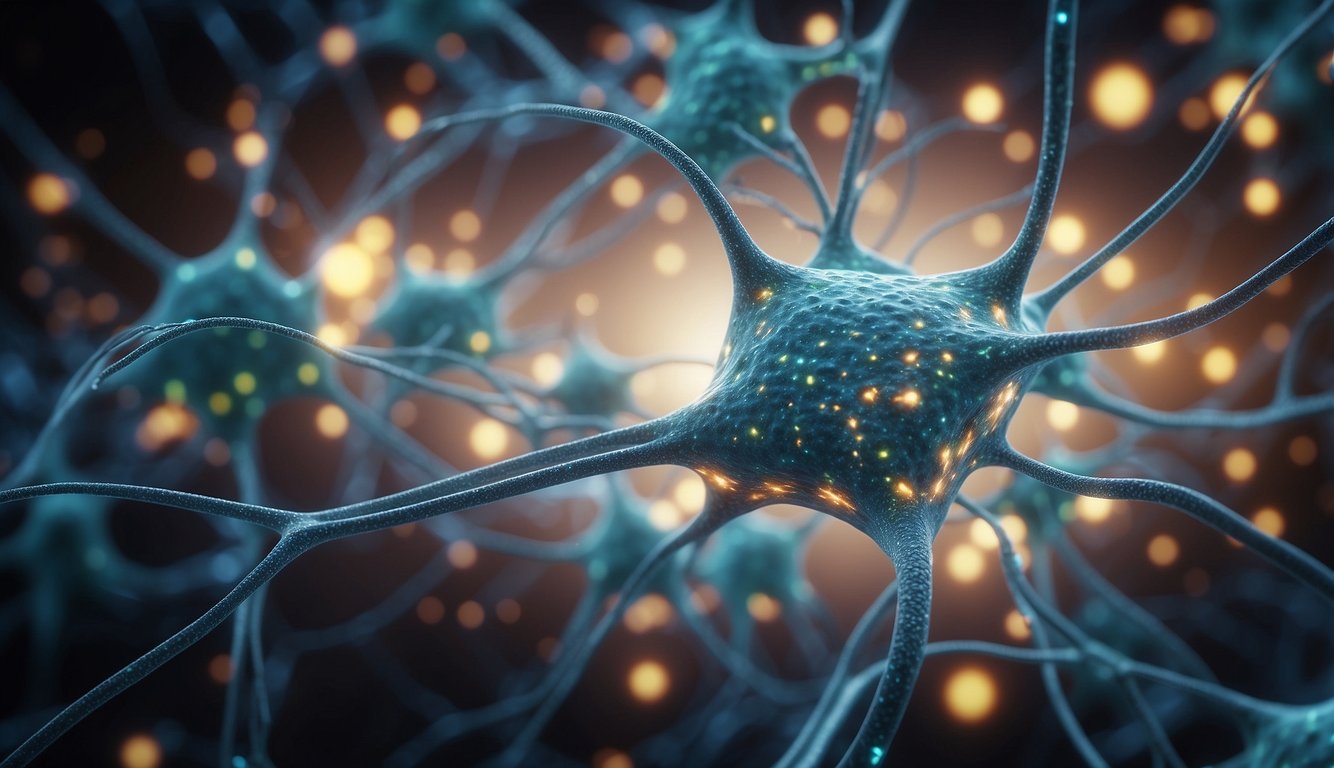
Brain-Derived Neurotrophic Factor (BDNF) has vital roles in the development and function of the central nervous system (CNS), particularly with regard to your memory and cognition.
BDNF in the CNS and PNS
BDNF is a key protein that promotes the survival, differentiation, and growth of neurons in both the central nervous system (CNS) and the peripheral nervous system (PNS). In the CNS, BDNF exerts considerable influence in regions such as the hippocampus, cortex, amygdala, and striatum.
In your hippocampus, BDNF helps support spatial memory processes, fundamental for navigation and understanding of your environment. In the cortex, modifications in BDNF levels are associated with the plasticity of your brain, affecting learning, and higher-level thinking. When looking at the amygdala, it’s clear that BDNF is crucial for your emotional learning and the processing of certain memories. Finally, the striatum benefits from BDNF’s role in motor function and reward-related learning.
Influence on Memory and Cognition
BDNF is deeply integrated with your cognitive functions. It’s well demonstrated that BDNF enhances synaptic plasticity, which is crucial for your learning and the retention of new information. BDNF’s effects on the hippocampus, a region integral to forming and accessing memories, suggest that it also plays a part in long-term potentiation—the strengthening of synapses over time, which underlies long-term memory.
Your ability to learn and retain information can be attributed, in part, to BDNF’s role in modifying synaptic strength, thus impacting cognitive function. It is essential for maintaining neuroplasticity, which allows your neurons to adapt in response to new learning experiences and memory formation.
External Factors Influencing BDNF Levels

Your brain’s health is significantly impacted by external elements, among which physical activity and dietary habits are paramount. At the same time, environmental pressures and various neurotrophins also play critical roles. Understanding these factors can help you make informed decisions to maintain or improve brain function.
Physical Exercise and Diet
Physical Exercise: Engaging in regular physical exercise has been recognized for its potent effect on enhancing BDNF levels in your brain. Exercise stimulates the production of this neurotrophic factor, which supports neuronal growth and the maintenance of brain health.
- Aerobic exercises, such as running and swimming, are particularly effective at increasing BDNF levels.
- Even moderate activities, like brisk walking, can have beneficial effects.
Diet: Your dietary choices are equally influential on BDNF levels.
- Foods rich in omega-3 fatty acids (like salmon and flaxseeds) are known to support BDNF production.
- Conversely, high-fat diets, especially those leading to obesity, may negatively impact these levels.
Environmental Stressors and Neurotrophins
Stress: Exposure to stress has a profound impact on BDNF expression. Chronic stress can decrease the expression of BDNF, which in turn may affect memory, mood, and susceptibility to mental health disorders.
- Stress management techniques such as meditation, deep-breathing exercises, and yoga can help mitigate these effects.
Environment: The environment you’re exposed to on a daily basis, including pollutants and toxins, can alter BDNF levels. Certain neurotrophins can mediate the body’s response to these environmental factors, helping to maintain neural integrity against potentially harmful substances.
- It’s vital to create, as much as possible, a clean and safe environment to encourage optimal brain health.
Advanced Research and Potential Therapies

Recent studies have paved the way for groundbreaking treatments involving Brain-Derived Neurotrophic Factor (BDNF). You will discover how these advancements are influencing the development of novel antidepressants and the potential that gene therapy holds for future medical interventions.
Novel Antidepressants Targeting BDNF
You may find it fascinating that BDNF plays a crucial role in the treatment of depression. Research has shown that antidepressants can increase BDNF levels, which in turn helps alleviate depressive symptoms. A new class of antidepressants is being developed to specifically target BDNF pathways in the brain. For instance, substances that elevate BDNF’s precursor, proBDNF, and its prodomain, are being tested for their neuroprotective effects. These advanced compounds aim to activate BDNF receptors, which could offer a more effective treatment for depression with fewer side effects.
- Potential Benefits:
- Enhanced neuroplasticity
- Decreased depressive symptoms
- Improved neuroprotective effects
Gene Therapy and Future Directions
Looking ahead, gene therapy stands out as a cutting-edge therapeutic direction. Through the manipulation of your genetic material, scientists aim to directly increase the production of BDNF in the nervous system. This approach could potentially address neurological conditions at their root. Moreover, understanding the role of epigenetics in BDNF expression is also a key focus. It offers a glimpse into how external factors can modify gene expression without altering the DNA sequence. This could lead to personalized treatments that adapt to the individual epigenetic modifications influencing BDNF levels.
- Gene Therapy Goals:
- Enhancing the production of BDNF
- Targeting specific genetic mechanisms
- Personalizing treatment based on epigenetic factors
These therapeutic strategies signify hope for individuals dealing with neurodegenerative diseases and afflictions such as depression, offering a promise of a healthier, more resilient brain. As research advances, your understanding of these therapies will likely expand, leading to a new era of treatment possibilities.
Frequently Asked Questions

In this section, you’ll find targeted information addressing common queries about Brain-Derived Neurotrophic Factor (BDNF), from dietary impacts to its role in mental health.
What foods are known to boost Brain-Derived Neurotrophic Factor levels?
To support BDNF levels, focus on foods rich in omega-3 fatty acids like salmon, flaxseeds, and walnuts, along with whole grains, eggs, and green tea, which have been associated with increased production of this protein.
Which supplements may increase Brain-Derived Neurotrophic Factor production?
Certain supplements, such as curcumin and green tea extract, may help elevate BDNF production due to their antioxidant properties and impact on overall brain health.
How does Brain-Derived Neurotrophic Factor contribute to neurological function?
BDNF plays a significant role in neuronal survival, growth, and synaptic plasticity, which is essential for learning and memory processes. It also acts as a neurotransmitter modulator and is crucial for long-term cognitive function.
Can exercise influence the levels of Brain-Derived Neurotrophic Factor, and if so, how?
Regular physical activity is shown to increase BDNF levels, with aerobic exercise having a particularly strong effect on enhancing neuroplasticity and cognitive function through BDNF modulation.
What is the relationship between Brain-Derived Neurotrophic Factor and depressive disorders?
Low levels of BDNF have been linked with depression, suggesting that boosting BDNF through lifestyle changes and treatments might improve symptoms and support recovery in depressive disorders.
In what regions of the brain is Brain-Derived Neurotrophic Factor primarily produced?
BDNF is widely produced in the brain with notable concentrations in the hippocampus, cortex, and basal forebrain, areas involved in higher cognitive functions and memory.