
Black Cohosh, a perennial herb native to North America, has gained substantial attention for its healing properties, particularly among women dealing with menopausal symptoms. As a dietary supplement, it has been used for centuries in various cultures for its potential role in alleviating discomforts associated with women’s reproductive health. Today, its popularity persists as an herbal remedy, with many individuals turning to it for natural support during the transition of menopause.

The appeal of black cohosh lies in its complex array of active compounds, which may interact with estrogen receptors in the body. While not a replacement for estrogen, these interactions are believed to offer therapeutic effects that can help manage a range of menopausal symptoms. Understanding the appropriate dosage and safety of black cohosh is crucial, as it ensures that the benefits are maximized while minimizing potential risks. Indeed, assessing its place among other remedies offers valuable insights for those considering black cohosh as part of their wellness routine.
Key Takeaways
- Black cohosh may offer natural relief for menopausal symptoms.
- Its active compounds interact with the body’s estrogen receptors.
- Proper dosing and safety knowledge are essential for effective use.
Historical Uses of Black Cohosh
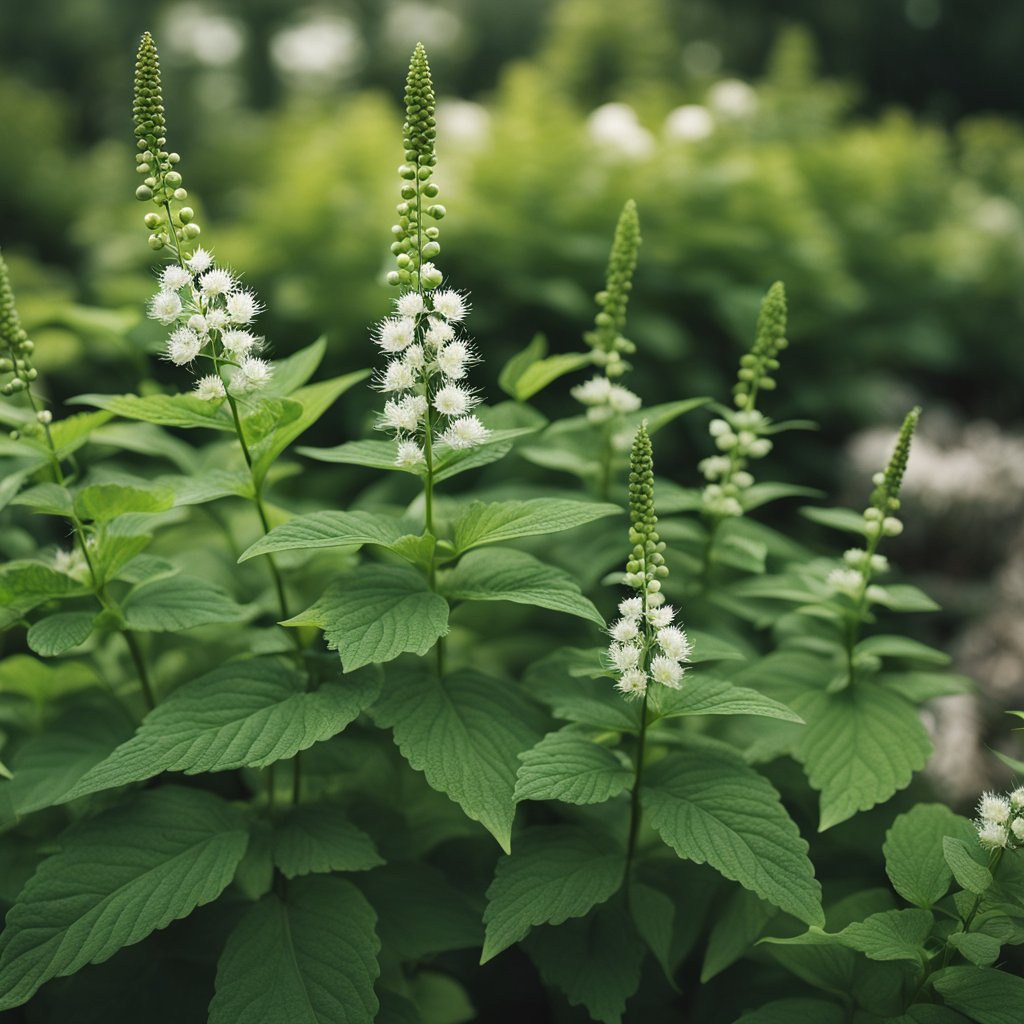
Black cohosh, known scientifically as both Actaea racemosa and Cimicifuga racemosa, has served as a traditional remedy long before modern medicine acknowledged its potential. As a member of the buttercup family, this plant’s enduring relevance is rooted in its diverse applications across various cultures.
Ancient Remedies and Folk Medicine
In folk medicine, black cohosh was commonly utilized as a remedy for various ailments. The root, sometimes referred to as snakeroot or black bugbane, was especially valued. Native American peoples historically used black cohosh to address women’s health issues, such as easing childbirth and menstrual pain. They also employed it to treat other conditions ranging from sore throat and arthritis to malaise and even snake bites.
Cultural Significance
Beyond its medicinal uses, black cohosh held significant cultural importance. For some tribes, it was a plant that carried spiritual symbolism and was used in ceremonies. As you delve into historical texts, you will find references to the black cohosh plant in the context of traditional healing practices. Its widespread applications reflect a profound respect and knowledge of natural remedies among indigenous cultures, passing down their understanding through generations.
Understanding Menopause

Menopause is a natural phase in your life marking the end of your menstrual cycles. It’s diagnosed after you’ve gone 12 months without a menstrual period and usually occurs in your 40s or 50s. During this transition, understanding the changes your body goes through and the symptoms you might experience is essential.
Phases of Menopausal Transition
Perimenopause: This precedes menopause and is the time when your body begins its transition. You might notice menstrual irregularity as your hormone levels start to fluctuate.
Menopause: This phase occurs when you haven’t had a period for 12 consecutive months. Your ovaries produce less estrogen and progesterone, and menstruation ends.
Postmenopause: The years following menopause when menopausal symptoms ease for most but the risk of certain health issues increases due to lower hormone levels.
Common Symptoms
- Hot Flashes: Sudden feelings of warmth over the body, particularly the face, neck, and chest, which can lead to sweating and sometimes chills.
- Night Sweats: Severe hot flashes during sleep can disrupt your rest and are a common menopausal symptom.
Menopausal symptoms vary widely; some may also experience mood changes, vaginal dryness, and sleep disturbances. Hormone therapy may alleviate symptoms for those with severe discomfort.
Active Compounds and Mechanisms
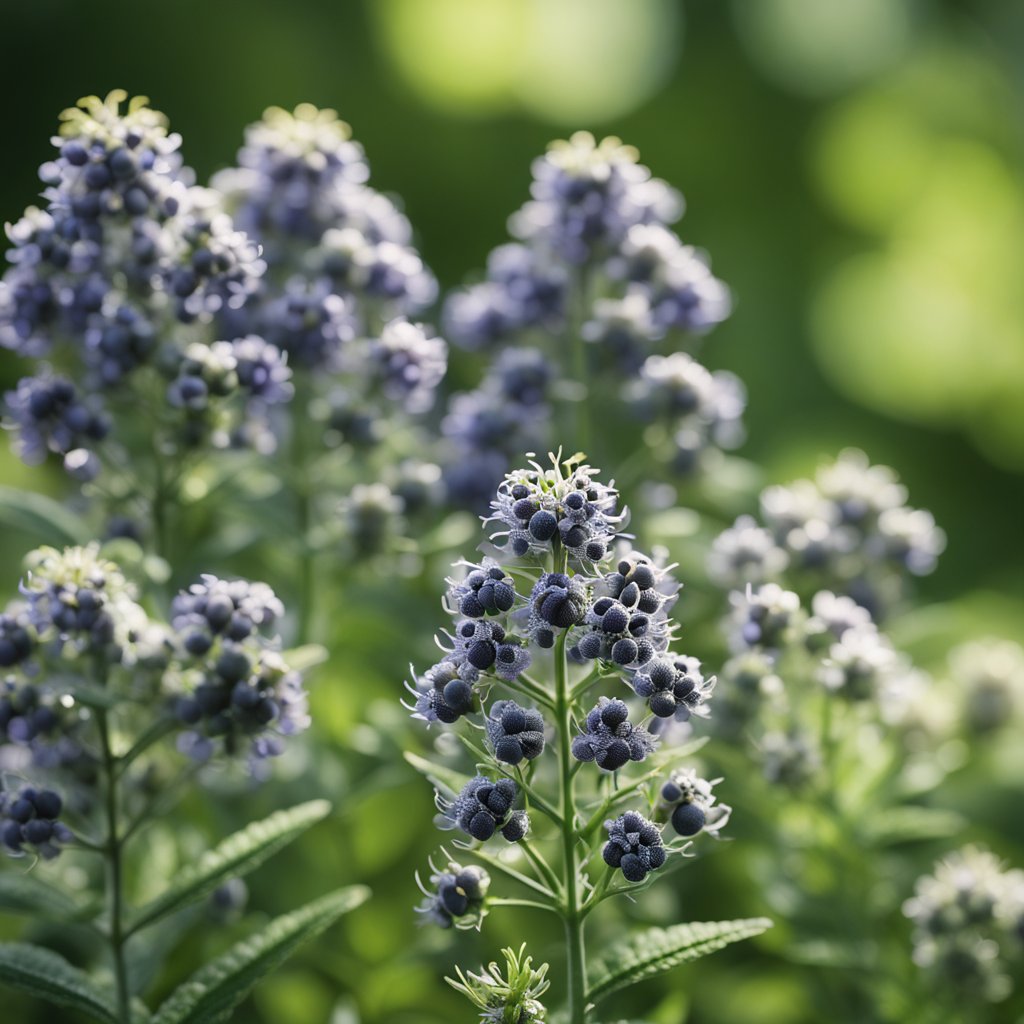
Black Cohosh is valued for its potentially therapeutic properties, which are attributed to a range of active compounds that exhibit various biological activities. Understanding these compounds and their mechanisms will deepen your insight into how Black Cohosh may influence health.
Isoflavones in Black Cohosh
Black Cohosh contains isoflavones, which are plant-derived compounds that can exert estrogenic activity. Isoflavones are believed to play a key role in the plant’s effects on the body. They are similar in structure to human estrogen and can bind to estrogen receptors, influencing the balance and effect of hormones.
Phytoestrogens and Hormonal Activity
Your body’s response to Black Cohosh can be influenced by phytoestrogens, plant-based chemicals that mimic estrogen at a cellular level. These substances can function as a selective estrogen receptor modulator (SERM), meaning they may selectively stimulate or block estrogen receptors. The phytoestrogens found in Black Cohosh could exhibit a dualistic nature, offering estrogenic support when your estrogen levels are low and counteracting estrogen when levels are high. Additionally, components like triterpenes may contribute to an anti-inflammatory effect, potentially providing relief from symptoms associated with menopause and other inflammatory conditions.
Therapeutic Effects on Menopause

Black Cohosh has gained attention for its potential benefits in managing symptoms associated with menopause. This section delves into its impact on vasomotor symptoms, sleep quality, and emotional well-being.
Easing Vasomotor Symptoms
Black Cohosh may influence your body’s opioid receptors, which could contribute to a pain-relieving effect. This is relevant for you if you’re experiencing vasomotor symptoms such as hot flashes and night sweats. Research suggests that Black Cohosh can reduce the frequency of these discomforting symptoms, making it a helpful herbal ally during your menopausal transition.
Sleep Improvement
If you’re struggling with sleep disturbances during menopause, Black Cohosh might be of interest. While not a sedative, its potential to alleviate vasomotor symptoms can lead to better sleep quality. By reducing night sweats and hot flashes, it may help you experience fewer interruptions and enjoy a more restful night.
Mood and Emotional Well-being
Menopause can be an emotional rollercoaster, often accompanied by mood swings, anxiety, and even depression. Some evidence indicates that Black Cohosh can play a role in improving emotional well-being. Its use has been associated with a general reduction in irritability and mood disturbances, providing a more stable emotional state during this challenging time.
Dosage Guidelines and Safety
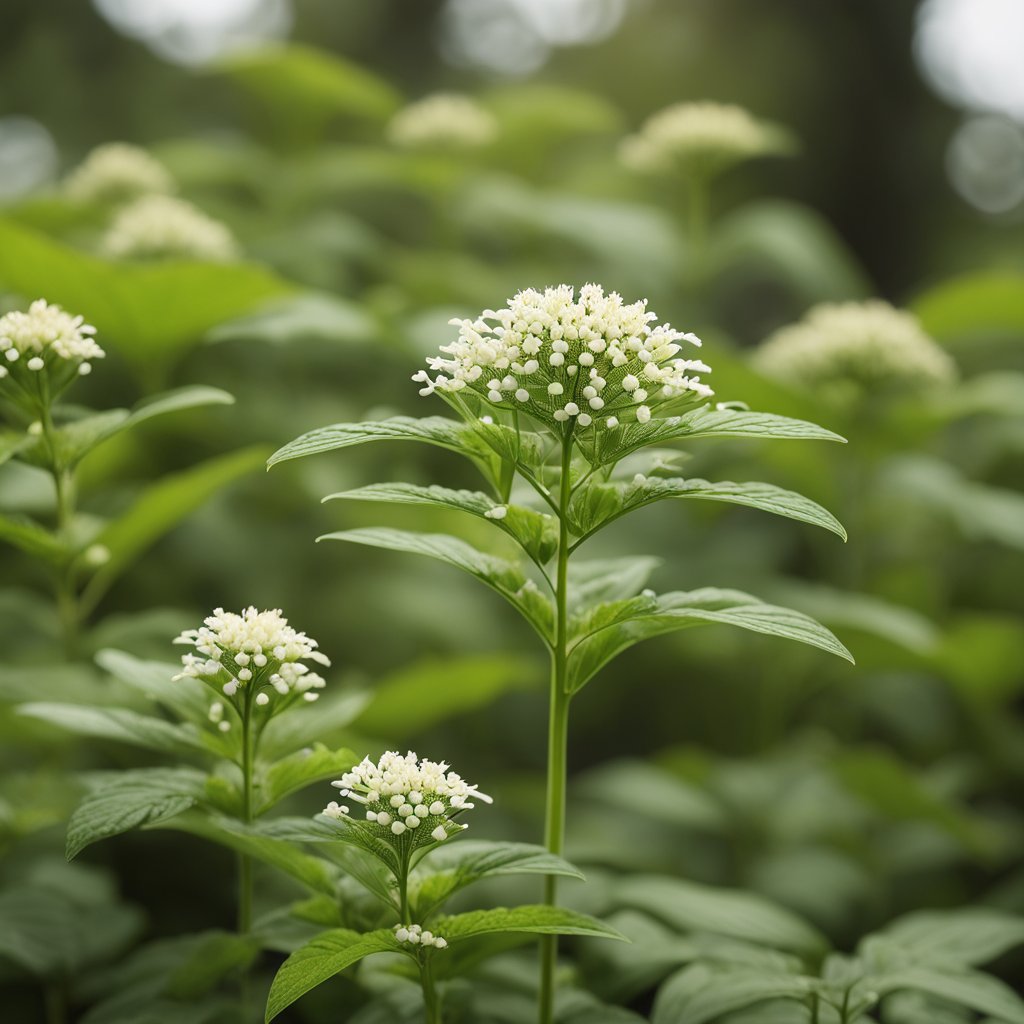
When considering black cohosh for menopausal symptoms, accurately determining the appropriate dosage and understanding potential side effects are paramount for safe use.
Assessing the Optimal Dosage
The recommended dosage of black cohosh may vary depending on the specific product and the reason for use. However, some studies have utilized dosages ranging from 20 to 40 milligrams taken once or twice daily. It’s important to note that the United States Pharmacopeia has developed quality standards for black cohosh, and products with their verification mark may provide a higher confidence in product consistency.
Understanding Side Effects
Black cohosh is generally considered safe, but, like all supplements, it may cause side effects in some individuals. Common side effects can include:
- Stomach upset
- Headaches
- Rash
More serious, but less common, side effects may include liver damage. Monitor liver function if you experience symptoms of liver trouble, such as jaundice or dark urine. It’s imperative to report any adverse effects to your healthcare provider immediately. Regular monitoring of your symptoms and side effects can help in safely managing the use of black cohosh.
Comparative Analysis with Other Remedies
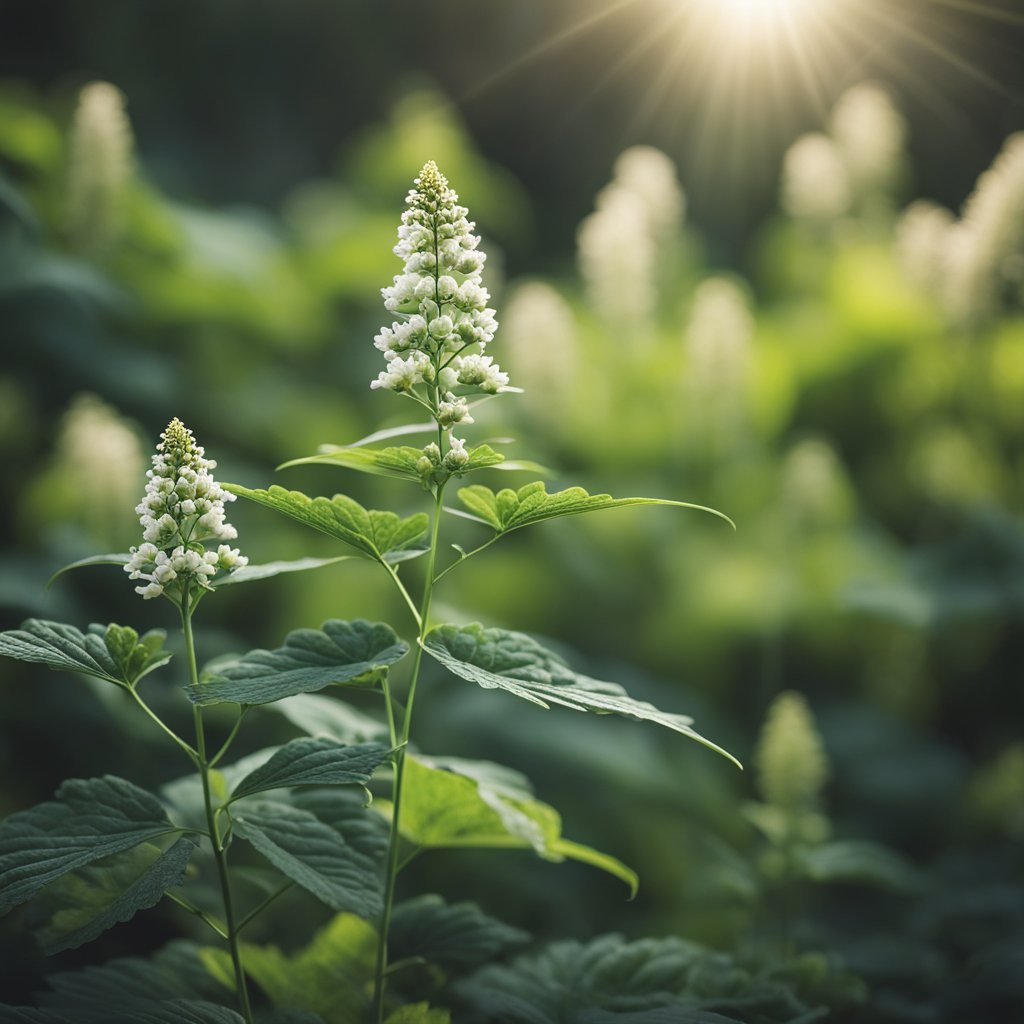
When considering the use of black cohosh for managing symptoms such as those associated with menopause, it’s important to review how it compares to other remedies like red clover and hormone therapy.
Red Clover Versus Black Cohosh
Red clover is a botanical like black cohosh, but they contain different types of phytoestrogens. Red clover is rich in isoflavones, which act as a selective estrogen receptor modulator (SERM), making it somewhat similar to estrogen in your body. In contrast, black cohosh has been shown to bind to your body’s opioid receptors, which may help it to reduce muscle aches and body pains commonly associated with menopause. Unlike red clover, black cohosh does not function like a SERM, and it doesn’t mimic estrogen to the same extent, which may be preferable depending on your health profile.
Hormone Therapy Options
When comparing black cohosh to conventional hormone therapy options, you have to consider the different objectives and potential risks. Hormone therapy often involves medications that are meant to replace hormones your body no longer makes after menopause. These can be highly effective but also come with risks, such as an increased chance of certain types of cancer or cardiovascular issues. Black cohosh, while not as potent as hormone therapy, is a dietary supplement that some women use as a natural alternative to manage menopausal symptoms. It is crucial to note that, as with any supplement, the efficacy and safety of black cohosh are still under investigation, and it should be used with caution and under the guidance of a healthcare professional.
Role in Women’s Reproductive Health
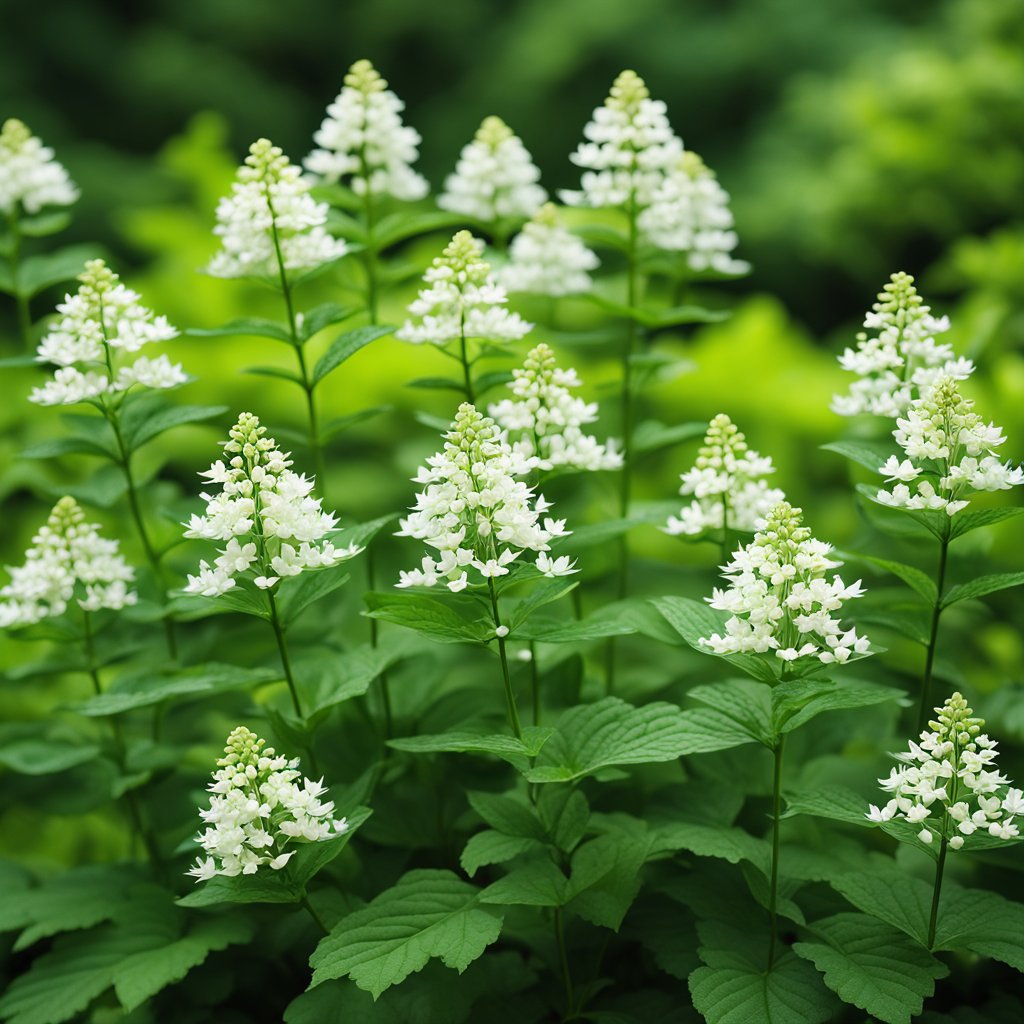
Black Cohosh is a plant historically used to aid various aspects of women’s reproductive health. This section will explore how it may affect fertility, considerations during pregnancy, and its potential benefits concerning premenstrual syndrome (PMS) and menstrual health.
Effects on Fertility
Your fertility can be influenced by numerous factors, including hormonal balance. Black Cohosh is thought to play a role in regulating menstrual cycles, which could potentially enhance your chances of conceiving. It is often utilized as an herbal supplement to support overall reproductive health, but it’s important to consult healthcare professionals before taking it for fertility purposes.
Considerations for Pregnant Women
If you’re pregnant or considering pregnancy, exercising caution with herbal supplements like Black Cohosh is crucial. Limited and conflicting evidence exists regarding its safety, and it has been suggested that Black Cohosh may be associated with an increased risk of miscarriage. Avoid using this herb during pregnancy or while breastfeeding without the advice of your healthcare provider.
PMS and Menstrual Health
For those struggling with PMS and menstrual discomfort, Black Cohosh might provide some relief. It has been recognized for its potential to alleviate symptoms such as mood swings, bloating, and cramps. Some women find that incorporating this herb into their routine helps to manage the physical and emotional challenges associated with their menstrual cycle. However, its effectiveness can vary, so track your symptoms and consult with a healthcare professional to determine if it’s a suitable option for you.
Black Cohosh and General Well-being
Black Cohosh is well-regarded for its potential to enhance your physical well-being, with particular emphasis on musculoskeletal health and anti-inflammatory properties.
Supporting Musculoskeletal Health
When you face musculoskeletal pain, be it from daily activity, exercise, or conditions such as arthritis, Black Cohosh may provide relief. This herbal supplement interacts with your body’s opioid receptors, which can result in a painkilling effect. Specifically, its benefits extend to potentially reducing muscle aches and body pains that women often experience during menopause Cleveland Clinic Health.
Anti-inflammatory Properties
Black Cohosh contains compounds that may exhibit anti-inflammatory actions. For you, this could mean an alleviation of inflammation-related discomfort. Due to its potential anti-inflammatory effects, Black Cohosh is commonly included in dietary supplement regimens aimed at combatting inflammation-associated symptoms. It’s critical for you to consult a healthcare provider before incorporating this supplement into your diet, as individual needs and responses can vary NIH Office of Dietary Supplements.
Frequently Asked Questions
Below are some targeted questions to help you better understand the use and effects of black cohosh, a herbal remedy often utilized for female health concerns.
What are the health benefits of black cohosh for women?
Black cohosh is frequently used for its potential ability to ease menopausal symptoms. It has been associated with a reduction in hot flashes and improvements in mood disturbances.
Can black cohosh be taken both in the morning and at night, and which is more effective?
You can take black cohosh both in the morning and at night. The effectiveness may vary individually; however, taking it at night may be beneficial for improving sleep quality due to its sedative effects.
What are some common side effects associated with black cohosh?
Common side effects you might experience include gastrointestinal discomfort, headaches, and dizziness. It’s important to monitor your body’s response when starting black cohosh.
What is the recommended dosage of black cohosh for adults?
The recommended dosage often ranges from 20 to 80 milligrams per day. Always adhere to the instructions on the product label or consult with a healthcare provider.
How does black cohosh influence estrogen levels in the body?
Black cohosh is thought to act as a phytoestrogen, though it may not increase estrogen levels but bind to estrogen receptors, potentially altering the function of estrogen in the body.
Are there any contraindications for taking black cohosh on a daily basis?
Avoid using black cohosh on a daily basis if you have a liver disorder, are pregnant or breastfeeding, or if you are taking medications that affect liver enzymes. Regular consultation with your healthcare provider is advisable before starting black cohosh.