
Panax ginseng, often referred to as Asian ginseng, is a plant whose root is celebrated for its potential healing properties. In the realm of herbal and alternative medicine, this adaptogen has been harnessed for thousands of years, particularly within traditional Chinese medicine, to support health and wellbeing. Its reputation stems from a rich historical context where it has been utilized to reinforce the body’s resistance to stress and to enhance overall vitality.

The root of Panax ginseng contains a complex mixture of active compounds including ginsenosides which are believed to contribute to its health benefits. As a widely respected herbal medicine, it has been researched for its numerous therapeutic applications. While it’s sought after for its ability to boost the immune system and improve cognitive function, Panax ginseng is also explored for its role in disease treatment and its influence on various health markers. In consuming this herbal remedy, understanding the recommended dosage and administration methods, as well as adhering to safety precautions, is imperative for harnessing its potential benefits responsibly.
Key Takeaways
- Panax ginseng is a valued adaptogenic herb with historical significance in traditional Chinese medicine.
- Active compounds like ginsenosides in ginseng may bolster immunity and enhance mental and physical wellness.
- Responsible usage, including appropriate dosing and attention to safety, is crucial when incorporating ginseng into your health regimen.
History and Traditional Use
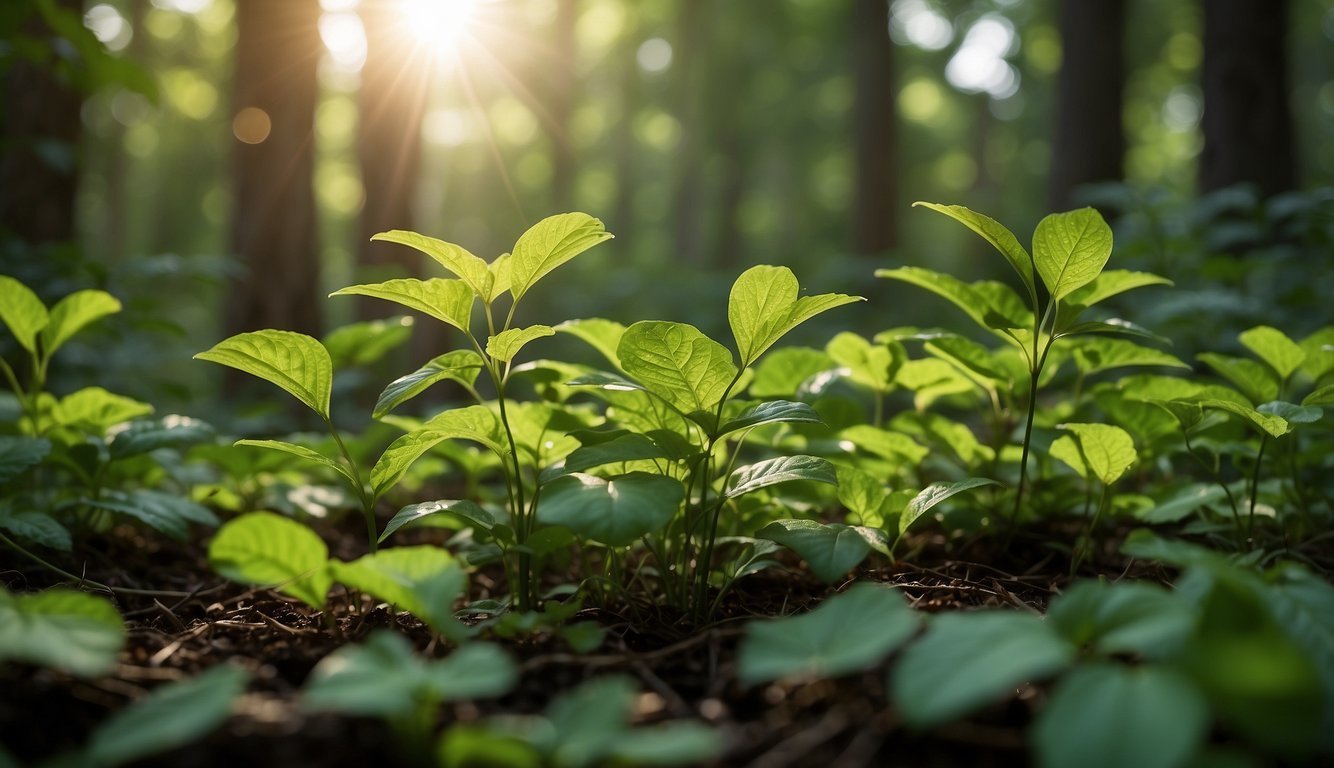
Panax ginseng, commonly known as Asian ginseng, has been a cornerstone in traditional Chinese medicine for centuries. You may find it interesting that the term “Panax” is derived from the Greek word for “all-healing,” reflecting the broad medicinal applications attributed to this herb.
Historically, ginseng has been utilized to replenish Chi, the vital energy that flows through your body, reinforcing its status as a potent tonic. Asian ginseng was highly esteemed in ancient societies, particularly in China, Korea, and Japan, where it was first discovered over 5,000 years ago in the mountains of Manchuria, China.
| Dynasty | Use of Ginseng |
|---|---|
| Shennong Era | Recorded as a healing herb |
| Han Dynasty | Valued for vitality and longevity |
| Ming Dynasty | Sold as a precious commodity |
In these periods, ginseng’s use extended beyond health and into the realm of spirituality and ritual. The herb was believed to possess protective qualities and was employed in various ceremonies.
Your understanding of ginseng’s application in traditional Chinese medicine would not be complete without recognizing its purported ability to improve mental clarity, boost energy levels, and support immune function. Its holistic approach to well-being underscores the philosophy of balancing bodily systems, a principle at the heart of traditional Chinese medicine.
Today’s research gives credence to some of these historical uses, examining the bioactive compounds, especially ginsenosides, which contribute to its pharmacological effects. While these properties continue to be studied, the enduring legacy of ginseng in traditional medicine is a testament to its perceived efficacy throughout history.
Classification and Types
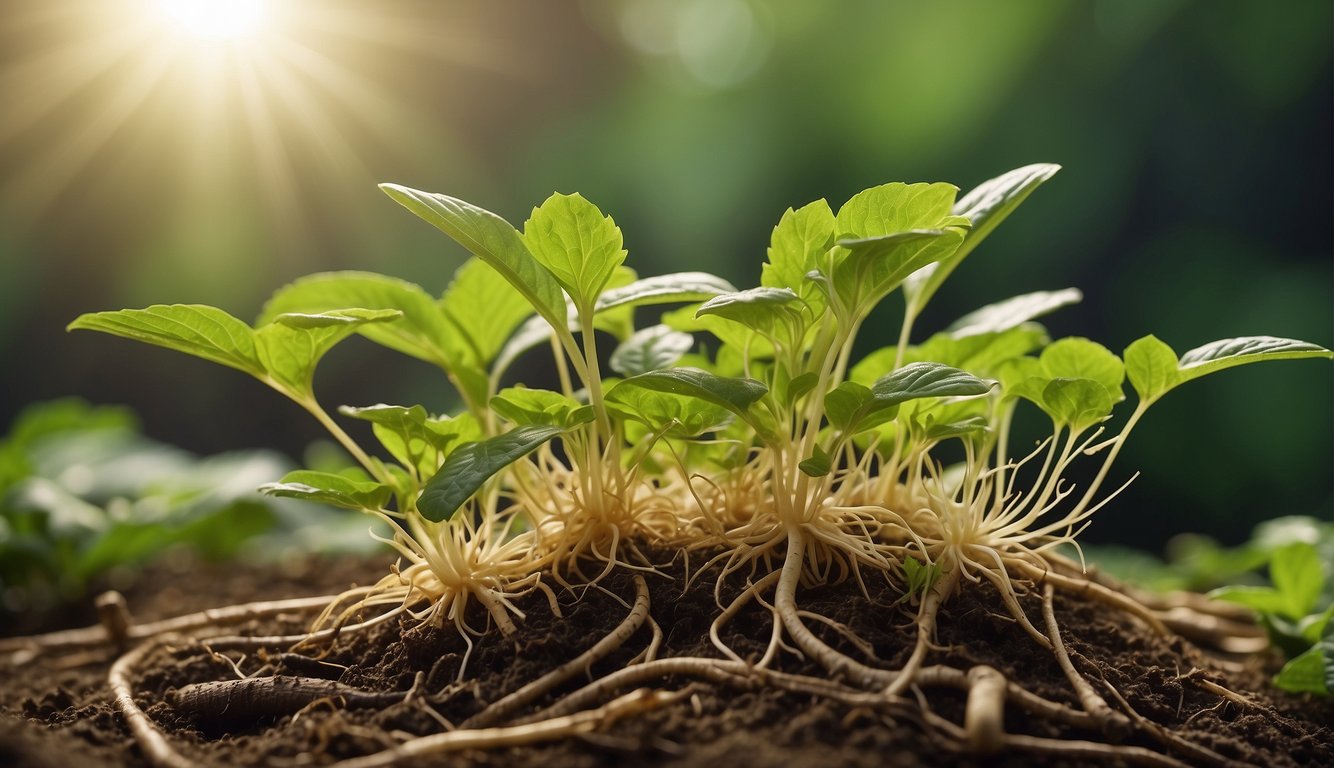
Panax ginseng, commonly known as Asian ginseng, harbors a rich variety within its species including types such as Korean, American, and red ginseng. Each type possesses distinct characteristics that contribute to its healing properties.
Comparison of Panax Ginseng Varieties
Panax Ginseng is the overarching species commonly associated with traditional herbal medicine. Most notably, there are two main varieties often discussed:
-
Korean Ginseng (Panax ginseng): Native to Korea and northeastern China, Korean ginseng is highly valued and often referred to as true ginseng. It’s known for its warming properties and is traditionally used to revitalize energy. Its botanical classifications point to its unique place in the plant kingdom.
-
American Ginseng (Panax quinquefolius): This variety grows mainly in North America and is considered cooler compared to its Korean counterpart, therefore, it’s typically used for calming and cooling the body.
In addition, there is a processed form known as:
- Red Ginseng: When Panax ginseng undergoes a steaming and drying process, it becomes red ginseng. This procedure alters the chemical composition and enhances certain healing properties. Due to the processing method, red ginseng is thought to have increased strength and efficacy in comparison to the white (unprocessed) ginseng.
It’s important to note that the term “ginseng” is derived from the Greek word ‘Panax’, meaning “all-healing”. While these varieties share the common moniker of ginseng and belong to the same family, their therapeutic benefits may vary based on their distinct ginsenoside profiles, which are the active compounds responsible for their medicinal effects.
Active Compounds in Ginseng

You’ll discover that ginseng contains multiple active compounds contributing to its therapeutic effects. Ginsenosides are the standout ingredients, renowned for their wide-ranging health benefits.
Ginsenosides
Ginsenosides are the primary active ingredients of ginseng and have drawn extensive research for their role in health and disease. These compounds are unique to the Panax species and are believed to combat oxidative stress due to their antioxidant properties. They have been positively associated with anti-inflammatory, anti-cancer, and vasorelaxation effects. With over 40 identified ginsenoside compounds, their versatile pharmacological portfolio is one of the reasons ginseng is greatly valued in herbal medicine.
Polysaccharides
Polysaccharides in ginseng contribute significantly to its immune-boosting abilities. These long-chain carbohydrates bolster your immune system and have shown potential in disease prevention. While not as extensively studied as ginsenosides, ginseng polysaccharides are nonetheless important active ingredients that support overall health and well-being.
Phenolic Compounds
Compounds such as flavonoids and phenolic acids form a part of ginseng’s potent phenolic compounds. Although present in smaller quantities than ginsenosides and polysaccharides, these compounds also exhibit antioxidant activities. They contribute to the protective effects of ginseng against oxidative damage and play a supporting role in maintaining cellular health.
Health Benefits
Panax ginseng is celebrated for its potential to enhance various aspects of your health, specifically in areas such as cognitive function, immune system strength, sustained energy and stamina, as well as regulating blood sugar and reducing inflammation.
Cognitive Function
Panax ginseng may enhance your brain function, including memory and mood. Studies have suggested that ginsenosides, the active compounds in ginseng, could aid in protecting your brain against free radical damage. For more details, visit Verywell Health.
Immune System Boost
You might experience an immune system boost by incorporating Panax ginseng into your routine. It’s been linked to improved immune markers in individuals, indicating a more robust defense against pathogens. See Healthline for evidence.
Energy and Stamina
Fending off fatigue is another potential benefit of Panax ginseng. If you often feel tired, ginseng could offer a natural way to improve energy levels and stamina, making it a popular choice for those who seek a natural energy boost.
Blood Sugar Regulation
Managing blood sugar levels is crucial for your health, and Panax ginseng may assist in the regulation of glucose levels. This herbal remedy might influence how your body produces insulin and metabolizes glucose, aiding in blood sugar control.
Anti-Inflammatory Effects
Lastly, Panax ginseng possesses anti-inflammatory properties. This could help reduce inflammation in your body, which is linked to a variety of chronic diseases. The reduction of inflammation is critical in maintaining health and preventing certain conditions related to persistent inflammation.
Therapeutic Use in Disease

Panax ginseng has a storied history of medicinal use, and recent studies have begun to elucidate its therapeutic roles in various diseases. As you consider integrating it into your health regimen, it’s important to understand its potential applications in disease management.
Cancer Treatment Support
Compounds in Panax ginseng, notably ginsenosides, have been identified to exhibit anti-cancer properties. They appear to aid in apoptosis, or programmed cell death, of malignant cells and may hinder the spread of cancer. It’s also suggested that these compounds can boost the efficacy of chemotherapy and radiation therapy while potentially reducing their side effects. For instance, ginseng may help in ameliorating fatigue associated with cancer treatment.
Diabetes Management
Your blood glucose levels could be influenced by the regular intake of Panax ginseng. Research has pointed out its anti-diabetic effects, especially in type 2 diabetes, thanks to its ability to improve insulin sensitivity and pancreatic cell function. This herbal adjunct might help in managing your blood sugar levels more efficiently.
Cardiovascular Health
If you’re concerned about heart health, Panax ginseng’s vasorelaxation properties might be beneficial. The active ingredients, ginsenosides, play a role in antioxidation and anti-inflammatory processes that are crucial for maintaining healthy blood vessels and improving circulation.
Implications for Erectile Dysfunction
Erectile dysfunction (ED) is a complex condition that could be influenced by your vascular health. Panax ginseng has shown potential in improving symptoms of ED by promoting nitric oxide synthesis in the blood vessels, leading to improved blood flow. This could be particularly helpful if you are looking for support in sexual health.
Dosage and Administration
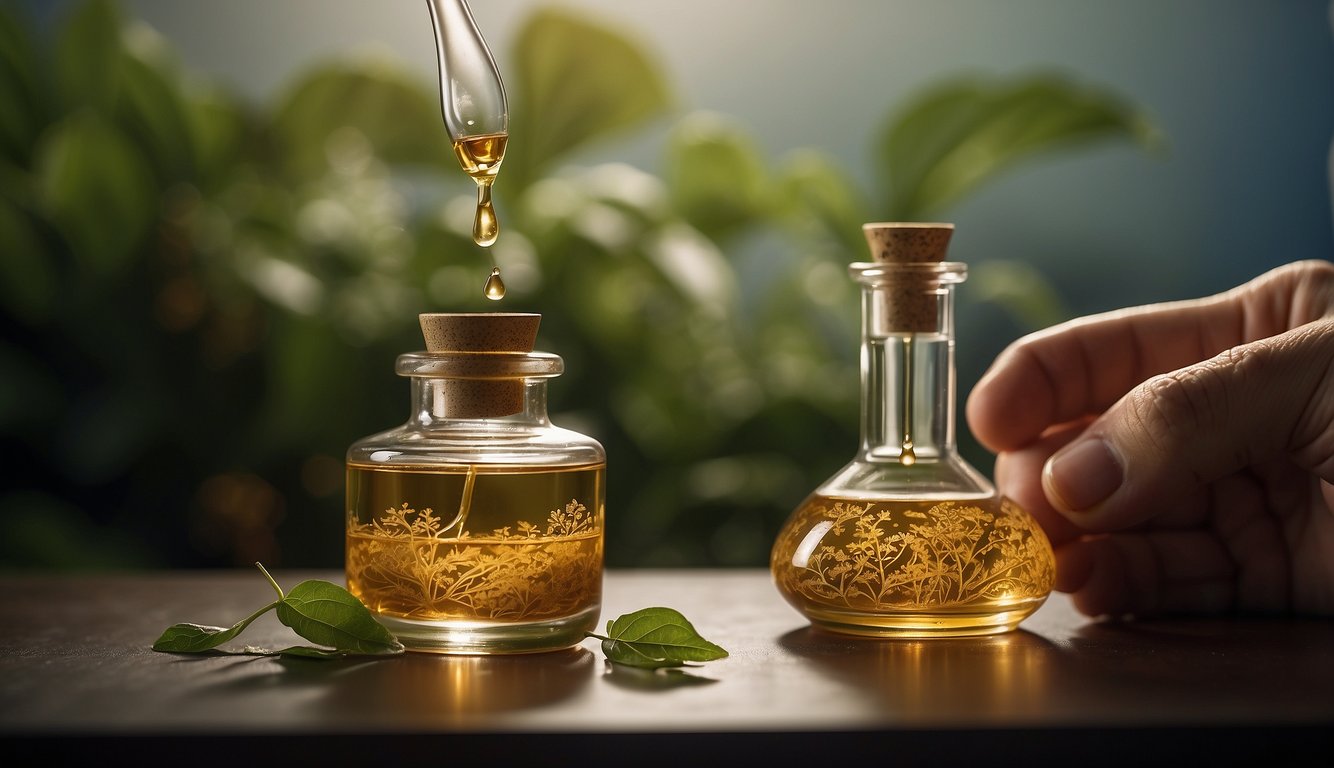
When considering Panax Ginseng for its health-promoting effects, it is crucial to focus on the appropriate form, dosage, and duration of use. The right amount can vary widely depending on the specific type and preparation of ginseng you are using.
Forms of Panax Ginseng
Panax Ginseng is available in several forms, each suited for different methods of consumption and purposes. You can typically find it in forms such as:
- Extract: A concentrated form that can be diluted with water or another liquid.
- Tea: Loose leaves or in tea bags, steeped in hot water.
- Tablet/Capsule: Compressed or encapsulated powder for oral administration.
- Powder: Loose powder form that can be mixed into food or drinks.
Recommended Dosages
For Panax Ginseng, dosages can depend on the form of ginseng and the issue being addressed. However, here are general guidelines:
- Extract: Standardized to contain a percentage of ginsenosides, with common dosages around 200 to 400 milligrams per day.
- Tea: Typically, one cup of tea made from 1 to 2 grams of dried root, consumed daily.
- Tablet/Capsule: Often found in 100 to 500 milligram doses, taken once or twice daily.
- Powder: Can be taken in 1 to 2 gram doses per day.
Always refer to the manufacturer’s instructions for the specific Panax Ginseng product you are using.
Duration of Use
The duration of Panax Ginseng use often depends on what it’s being utilized for. Short-term use is generally considered safe for most adults, while long-term use should be approached with caution. It is typically recommended to:
- Use for periods of 8 to 12 weeks followed by a break.
- Consult with a healthcare provider for long-term use plans, especially if you are taking medications or have underlying health conditions.
Safety and Precaution
When considering the use of Panax ginseng, it’s important to be well-informed about its safety profile and potential risks. You’ll find evidence on the responsible use, the side effects to watch for, and how it interacts with medications. It’s crucial to consult your doctor, especially if you have certain health conditions or are on medication.
Potential Side Effects
Panax ginseng is generally safe for most people when taken by mouth appropriately, short-term. Some side effects that have been reported include:
- Insomnia
- Headaches
- Digestive issues
High doses or long-term use can lead to more serious side effects, such as increased heart rate, high or low blood pressure, and in some rare cases, liver damage. It’s recommended to adhere to the dosage instructions or the advice of a healthcare provider.
Interactions With Medications
You should be aware of how Panax ginseng might interact with other medications you’re taking. It can affect blood clotting and may interact with drugs that also influence bleeding, which includes:
- Anticoagulants (e.g., warfarin)
- Antiplatelet drugs (e.g., aspirin)
Moreover, ginseng can alter the effectiveness of certain medications, like those for diabetes and antidepressants. It may also have an effect on the way your body processes various cancer treatments, potentially influencing their efficacy. Always discuss with your doctor before combining ginseng with any medication.
Ginseng in Food and Beverage
As an ingredient in food and beverages, Panax ginseng is often found in trace amounts and generally believed to be safe. However, high concentrations, such as those found in supplements, merit cautious use. If you consume ginseng through these means, monitor your intake to avoid excessive consumption which could lead to adverse effects.
Contraindications
Certain individuals should avoid using Panax ginseng entirely or exercise caution:
- Pregnant or nursing women
- Children
- Those with hormone-sensitive cancers
If you have an autoimmune disease or a bleeding disorder, seek advice from your doctor before using ginseng. Your safety is paramount, and professional medical advice is indispensable in these situations.
Research and Studies
Research on Panax ginseng has revealed its potential benefits in improving various health conditions through its biologically active components, notably ginsenosides. You’ll find that studies have explored antioxidant properties, immune function, and more.
Evidence-Based Effects
Antioxidant Benefits: Ginseng’s ability to act as an antioxidant helps control vasomotor function and improves cardiac function. Research indicates that components in ginseng, including ginsenosides, contribute to these effects.
Immune Function: Studies demonstrate that ginseng potentially boosts immune function. This includes effects on immune system markers like tumor necrosis factor, suggesting a positive role in disease response.
Cognitive and Sexual Function: Ginseng has been shown to enhance cognitive function and has had a long history of being used to improve sexual function. However, robust clinical studies are necessary to substantiate these claims.
Current Clinical Trials
Clinical trials are an essential step in verifying the health claims associated with ginseng. Your access to ongoing research can be found via registries that list trials examining the effects of ginseng on various health outcomes, from immunity to cognitive function.
Future Directions in Ginseng Research
The promise shown by Panax ginseng in early studies has set the stage for future research directions. The goal is to determine how ginsenosides can be applied to health treatments and whether there are undiscovered benefits of ginseng that can be utilized. Emphasis is placed on understanding the exact mechanisms through which ginseng compounds interact with biological pathways.
Frequently Asked Questions
In this section, you’ll find specific information addressing some of the most common inquiries regarding the benefits and effects of Panax ginseng.
What potential benefits does Panax ginseng offer for male sexual health?
Panax ginseng is noted for potentially aiding in the improvement of male sexual function, including enhancements in erectile dysfunction (ED) when combined with other supplements like ginkgo leaf extract.
Can Panax ginseng improve female health, and what specific benefits does it provide?
For female health, Panax ginseng may offer benefits such as providing relief from menopausal symptoms and contributing to overall wellbeing.
How does Panax ginseng influence overall bodily functions?
Panax ginseng is categorized as an adaptogen, which might support the body in managing stress and stabilizing various bodily functions.
Is daily consumption of Panax ginseng recommended for its therapeutic effects?
While the therapeutic effects of Panax ginseng may be achieved with regular intake, recommended daily doses range from 200 milligrams to 2 grams of the root, varying according to individual needs and product specifications.
How soon can one expect to experience the effects after beginning to take Panax ginseng?
The full effects of Panax ginseng may take some time to manifest, often requiring consistent intake over the course of at least 30 days to build up in the body.
Does Panax ginseng play a role in managing inflammation in the body?
Panax ginseng might play a supportive role in the management of inflammation within the body, which is a critical component in various chronic conditions.