
Traditionally known as Peruvian ginseng, maca root is a natural herb hailing from the high Andes of Peru. Not to be confused with true ginseng, maca’s healing reputations reach back centuries, proving to be more than folklore for many who have found solace in its powers. This cruciferous plant, scientifically referred to as Lepidium meyenii, has garnered global attention for its potential to enhance vitality and well-being. Consumed as a food and supplement, maca root carries a complex nutritional profile, boasting a variety of vitamins, minerals, and phytonutrients.
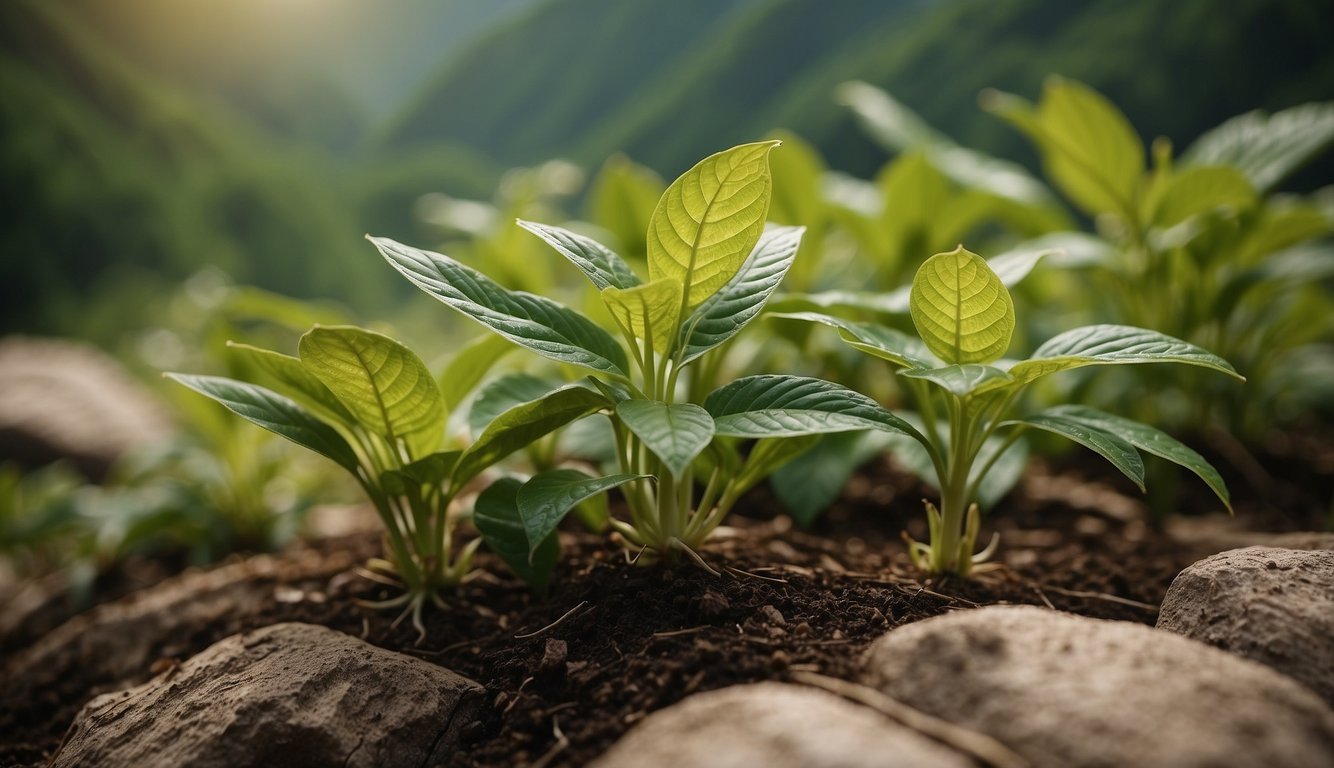
Understanding its popularity, it’s crucial to sift through the reputed benefits to identify what is underpinned by evidence. Peruvian ginseng’s effects on sexual and reproductive health have sparked significant interest, alongside its impact on cognitive function and emotional stability. While the adaptogenic nature of maca suggests it could aid in regulating stress and hormone levels, the concrete layers of its health benefits continue to unfold through scientific exploration. As with any supplement, it’s important to consider the safety profile, potential side effects, and appropriate dosages to ensure a responsible approach to incorporating maca into your wellness routine.
Key Takeaways
- Peruvian ginseng is celebrated for its adaptogenic qualities that may enhance general well-being.
- The root offers a rich array of nutrients and has been closely studied for its impact on sexual health and cognitive function.
- Responsible usage, considering suggested dosages and potential side effects, is crucial for safely integrating maca into your diet.
Historical Background of Peruvian Ginseng
You may often hear about Peruvian Ginseng and wonder about its storied past. With a history rooted deep in the Andean tradition, Peruvian Ginseng, commonly known as Maca or Lepidium meyenii, has been both a staple food and a medicinal herb.
Traditional Uses
Peruvian Ginseng, or Maca, isn’t actually a ginseng but shares similar reputation due to its purported health benefits. Indigenous peoples of the Andes have known of its effects for centuries. The root, often referred to in native terms as Ayak Chichira or Maino, held a pivotal place in traditional medicine. Your ancestors might have consumed it to enhance fertility, stamina, and energy. In Traditional Chinese Medicine, while not a classic herb, Maca has found a place for its adaptogenic-like properties, thought to balance the body’s systems.
Cultivation in the Andes Mountains
The cultivation of Peruvian Maca is as unique as the plant itself, deeply intertwined with the harsh climates of the Andes Mountains. At elevations between 3800 and 4500 meters, where few crops can survive, the hearty Maca plant thrives. The taxonomy of this plant has been a subject of debate, with some references made to Lepidium peruvianum as a synonym. Its growth cycle aligns with the Andean life, where your farming practices need to resist extreme conditions—rewarding you with a nutrient-rich root that has been a dietary cornerstone for generations.
Nutritional Profile and Active Compounds
Peruvian Ginseng, also known as maca root, is a powerful dietary supplement renowned for its rich nutritional profile. Containing a unique blend of bioactive compounds, it offers multiple health benefits.
Ginsenosides and Polysaccharides
Ginsenosides are the standout compounds in maca root, attributed with various health properties, from promoting antioxidation to combating free radicals. These molecules contribute to the plant’s adaptogenic effects, helping your body resist different stressors. Maca also contains significant amounts of polysaccharides, long-chain carbohydrates that support immune function and overall vitality.
Vitamins and Minerals Content
Maca root is dense in essential vitamins and minerals, providing you with a substantial nutritional boost. It includes:
- Vitamin C: crucial for immune health and antioxidation.
- Vitamin B6: supports energy metabolism and brain function.
- Iron: vital for blood health and oxygen transport.
- Potassium: necessary for proper muscle and nerve function.
- Copper: important for cardiovascular health and maintaining healthy bones.
Ingested as food or taken as a dietary supplement, Peruvian Ginseng may help fortify your diet with these vital nutrients.
Health Benefits
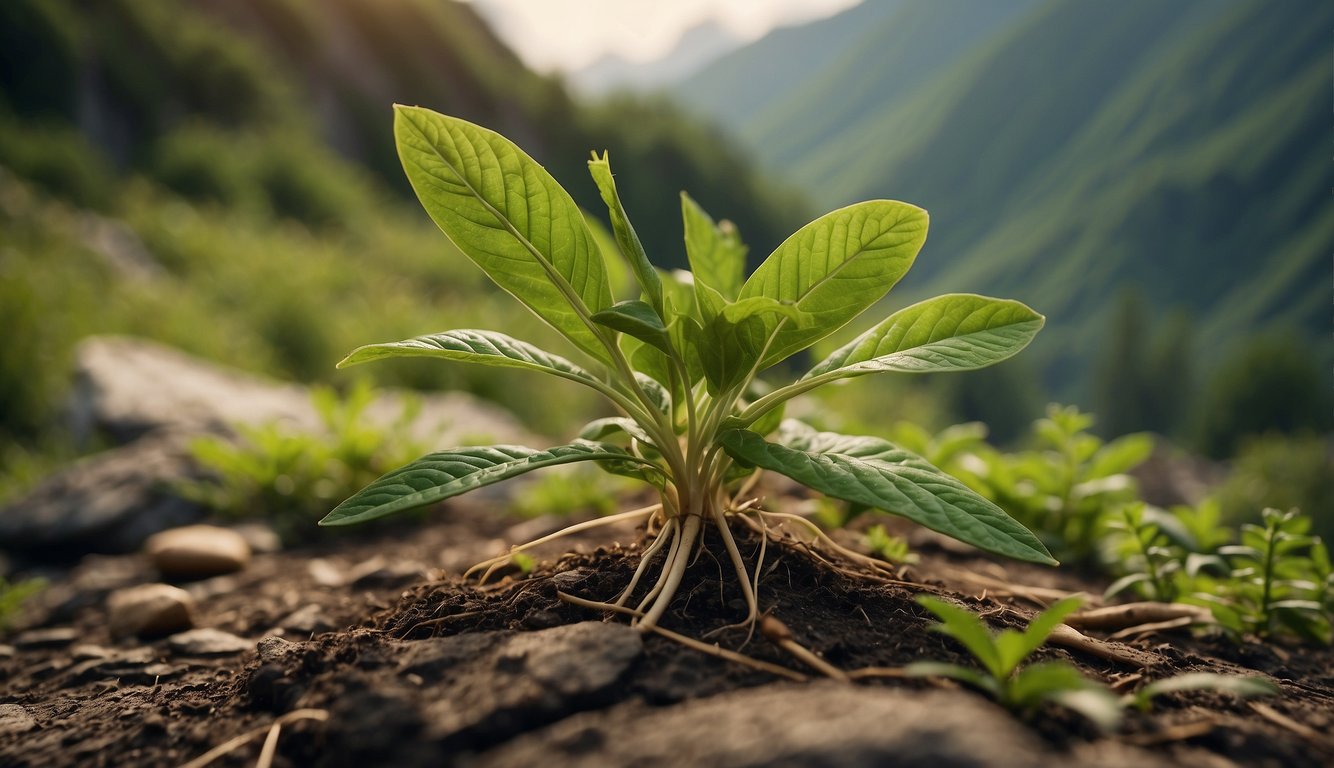
When exploring the healing properties of Peruvian Ginseng, also known as Maca, it’s important to understand the specific health benefits it offers. This revered root is traditionally used for its ability to support various aspects of your health, from bolstering the immune system to regulating blood sugar levels.
Immune System Support
Peruvian Ginseng is noted for its role in enhancing your immune system. The root contains key bioactive compounds that may help fortify your body’s defenses, providing resistance against common illnesses.
Energy and Stamina Enhancement
Regular consumption of Peruvian Ginseng might contribute to increased energy and stamina. This can prove beneficial if you frequently experience fatigue or require an endurance boost for day-to-day activities or exercise.
Blood Sugar and Insulin Regulation
The impact of Peruvian Ginseng on blood sugar and insulin regulation is of interest in nutritional research. It may help to stabilize blood sugar levels, which is crucial for managing energy swings and supporting overall metabolic health.
Anti-inflammatory Properties
Incorporating Peruvian Ginseng into your diet may offer anti-inflammatory properties. Such effects could potentially alleviate chronic inflammation-related conditions, contributing to your general well-being.
Cancer Fighting Potential
Compounds in Peruvian Ginseng have been examined for their cancer-fighting potential. While it should not be considered a cure, its antioxidant properties may play a role in a comprehensive approach to cancer risk reduction.
Sexual and Reproductive Health
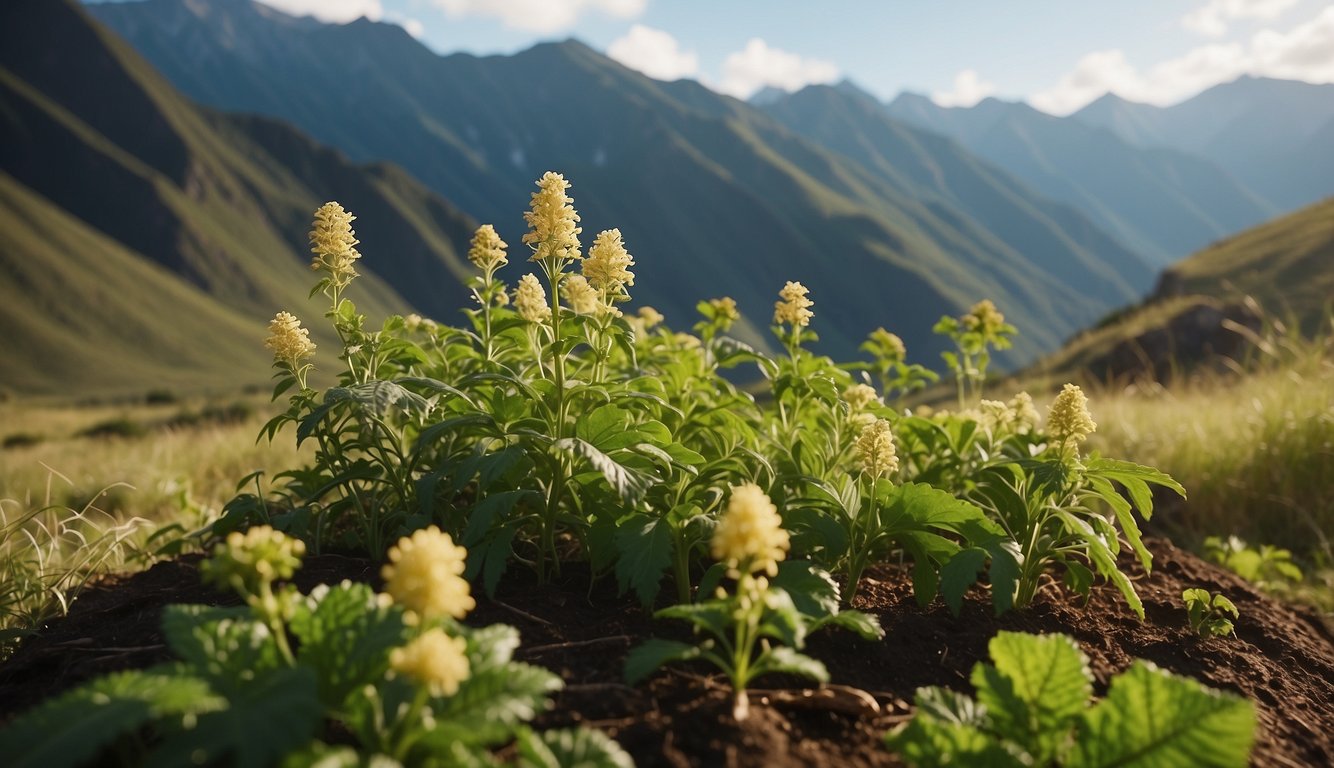
When considering the use of Peruvian Ginseng, often known as Maca Root, for sexual and reproductive health, it is important to understand its potential benefits. These include enhancements in libido, fertility adjustments, and menstrual cycle regulation.
Erectile Dysfunction and Libido
Peruvian Ginseng is recognized for its potential to support sexual function. You might find this root beneficial if you are experiencing low libido or erectile dysfunction. Studies indicate that ginseng can influence sexual arousal and combat sexual dysfunction. For instance, an overview of clinical studies revealed improvements in erectile function, suggesting that red ginseng, in particular, may have positive effects in this area.
Fertility and Hormone Levels
Your fertility may be positively influenced by Peruvian Ginseng due to its role in hormone balance. The root is thought to impact hormone levels, including testosterone, which is crucial for both male and female reproductive health. Some evidence points toward ginseng’s capacity to enhance sperm quality and count in males, potentially aiding in issues of male infertility.
Menstrual Cycle Regulation
For females, Peruvian Ginseng could play a part in regulating menstrual cycles and supporting overall reproductive health. It may assist with the development of egg follicles and regularize menstrual patterns, which are essential factors when you are trying to conceive. By balancing essential hormones, it can contribute to a more predictable menstrual cycle.
Cognitive and Emotional Well-being
Peruvian Ginseng, known for its adaptogenic properties, has shown potential in enhancing memory and cognitive function, while simultaneously acting as an ally in stress reduction and mood improvement. As you explore the benefits of this potent herb, you’ll find support for your emotional and mental health.

Memory and Cognitive Function
Peruvian Ginseng can be influential in bolstering your cognitive performance. Research suggests that components within the herb may enhance your memory and aid in maintaining cognitive functions, providing a natural boost to mental clarity and recall. Its active ingredients are believed to stimulate mental activity, which can be especially beneficial in the context of learning and cognitive processing.
Stress Reduction and Mood Improvement
Struggling with stress and fluctuating mood can affect your daily life and mental health. Peruvian Ginseng is credited with adaptogenic effects that could help in stabilizing your body’s response to stress. It’s known to assist in harmonizing the body’s systems, leading to a reduction in anxiety levels and improvement in overall mood. This makes it a potentially valuable natural treatment for those seeking to reduce stress and foster emotional well-being.
Safety Profile and Potential Side Effects
When considering the use of Peruvian Ginseng, also known as Maca root, it’s important for you to be aware of its safety profile and any potential side effects. Although generally considered safe, there are certain interactions and considerations to keep in mind.
Interactions with Drugs and Supplements
- Drugs: If you are currently on medication, Peruvian Ginseng may interact with them. For instance, it could alter the effectiveness of anticoagulants or blood pressure medications. It’s essential to consult your healthcare provider before combining it with prescription drugs.
- Supplements: Combining Maca with other herbal supplements that affect hormone levels, such as black cohosh or soy isoflavones, may lead to unpredictable effects. Be sure to discuss any supplement use with a professional.
Considerations for Specific Populations
- Pregnant Women: The safety of Peruvian Ginseng for pregnant women has not been thoroughly studied. As a precaution, if you’re pregnant, it’s advisable to avoid its use.
- Women with Hormone-Sensitive Conditions: If you have conditions like breast cancer, uterine cancer, or endometriosis, take caution as Maca may act like estrogen in your body.
Remember to always consult with a healthcare provider before adding new supplements to your regimen to ensure they are safe and appropriate for your unique health needs.
Different Forms and Uses
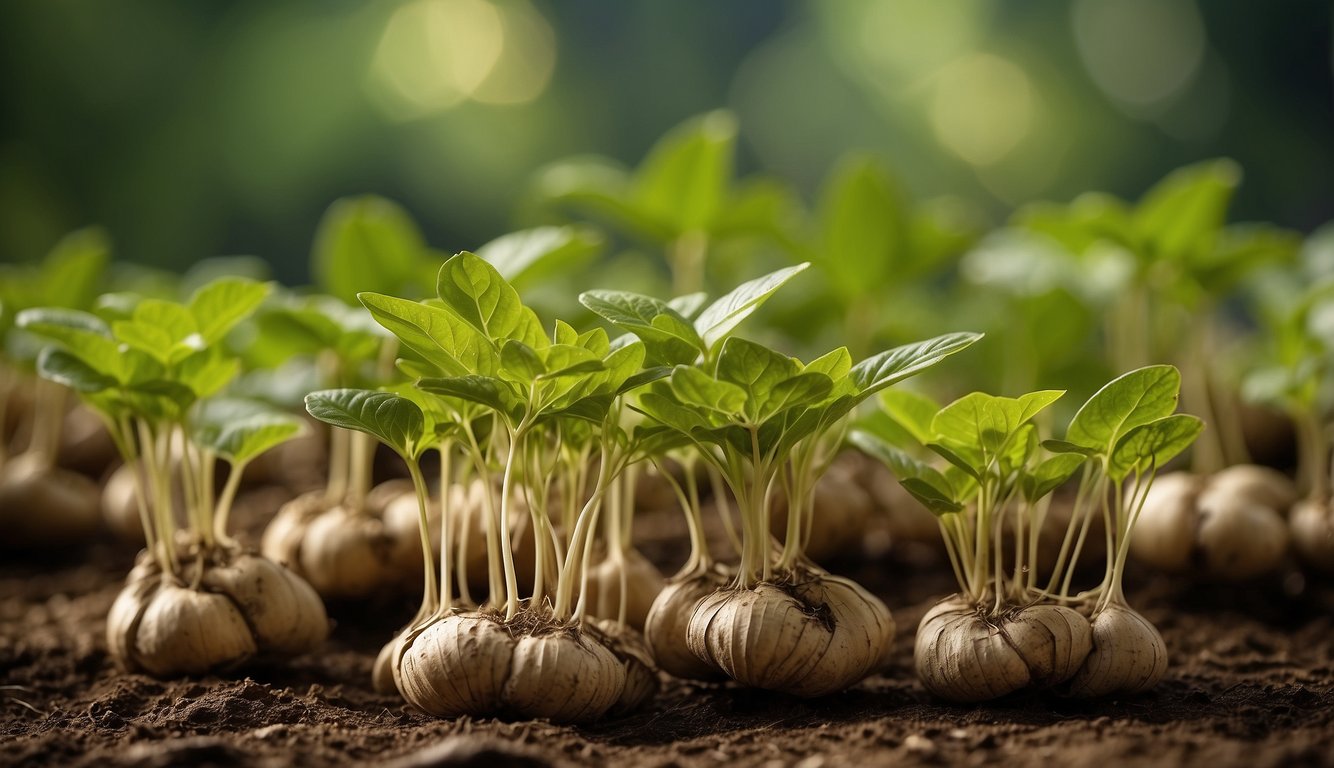
Peruvian Ginseng, also known as Maca, is a versatile herb that comes in several forms, each suited to different uses. Whether you prefer simple supplementation or incorporating Maca into your meals and drinks, there’s an option available to you.
Extracts and Powders
Extracts and powders offer a concentrated form of Maca, allowing you to incorporate the benefits of Peruvian Ginseng directly into your diet. You can easily add Maca powder to your smoothies or juice to start your day with an energizing boost. The extract, often available as a liquid, can be mixed into water or any beverage of your choice.
Capsules and Tablets
For those seeking convenience, Maca is also available in capsule and tablet forms. These ginseng supplements provide a no-fuss way to include Peruvian Ginseng in your daily routine, ensuring you receive a consistent and measurable dose without any preparation required.
Incorporation in Food and Beverages
Incorporating Maca into your food and beverages can be a delightful experience. You can sprinkle Maca powder into soups, add it to your baking recipes, or infuse it into tea for a warming drink. For a morning pick-me-up, consider enhancing your coffee with a teaspoon of Maca. Those looking for a refreshing option can blend it into homemade energy drinks.
Dosage Recommendations
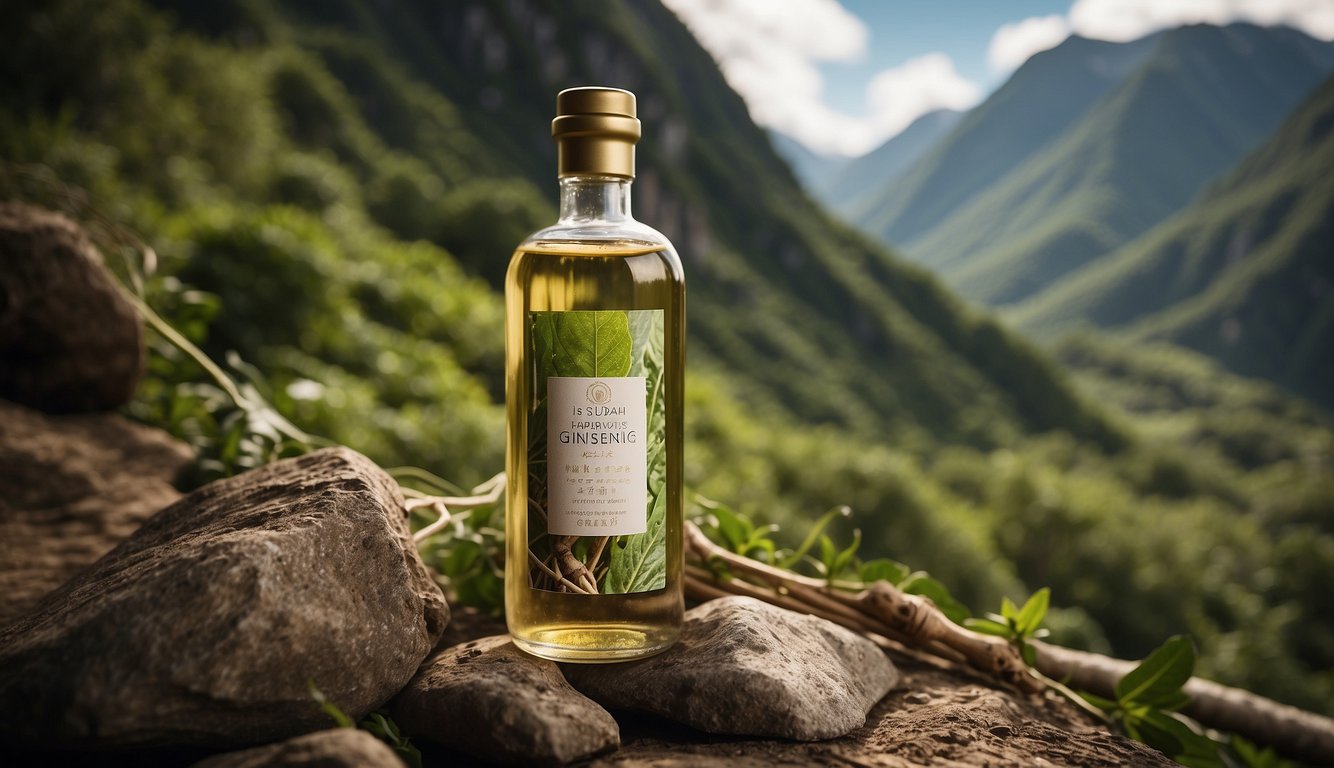
When considering the healing properties of Peruvian Ginseng, also known as Maca, it’s crucial to follow appropriate dosage guidelines to maximize benefits while maintaining safety.
Standard Dosage Guidelines
The recommended dosage for Maca root generally varies depending on the form it’s being consumed. For the dried crude root, you might find recommendations ranging from 1.5 to 3 grams daily. In the form of an extract, the dosage is typically lower, with a common range being 450 to 500 milligrams taken up to three times daily. These guidelines are primarily based on traditional uses and some clinical trials, as there is no official FDA recommended dosage for Maca. It’s important to note that while Maca is not NSF certified, it is still regarded as safe for consumption within the suggested dosage ranges.
Customization and Varied Use Cases
Your specific needs may dictate a different dosage of Maca. For instance, if you’re using it to enhance physical stamina or improve libido, the dosage and frequency might change. Start with the minimum suggested dosage and pay attention to your body’s response. Consult a healthcare provider to consider factors such as age, weight, and health status, which can all influence the appropriate dosage for you. Always ensure that any Maca products you use come from a reputable source to guarantee safety and efficacy.
Comparative Analysis with Other Adaptogens
When exploring the healing properties of Peruvian Ginseng (Lepidium meyenii), commonly known as Maca, it’s important to compare it with other adaptogens. You’ll discover differences in chemical composition, benefits, and traditional usage that make each adaptogen unique.
American Ginseng vs. Peruvian Ginseng
American Ginseng (Panax quinquefolius) is often praised for its therapeutic effects on the immune system and potential to reduce fatigue. Unlike its Asian counterpart, American Ginseng is typically milder and is believed to have cooling properties, as opposed to the warming effects of Asian Ginseng (Panax ginseng). It also tends to be favored for stress relief without overstimulation.
In contrast, Peruvian Ginseng is not a true ginseng but shares comparable adaptogenic qualities. Maca is known for enhancing energy, stamina, and sexual health. While American Ginseng contains ginsenosides, Peruvian Ginseng boasts a unique profile of macamides and macaenes, compounds responsible for its reputed health benefits.
Ashwagandha and Siberian Ginseng
Ashwagandha (Withania somnifera), also referred to as Indian Ginseng, is a powerful adaptogen famed for its stress-alleviating properties. It has been shown to reduce cortisol levels and combat stress-related outcomes like anxiety. Ashwagandha has a broad spectrum of health benefits, including supporting thyroid function and enhancing overall vitality.
Moving on to Siberian Ginseng (Eleutherococcus senticosus), which, similar to Peruvian Ginseng, is not a true ginseng. It’s known as an adaptogen that enhances physical performance and boosts immune response. Siberian Ginseng includes eleutherosides, not ginsenosides, which may contribute to increased endurance and mental clarity.
Each of these adaptogens offers unique benefits to your health and well-being. Whether your interest lies in boosting mental performance, supporting immune function, or improving stress resilience, understanding the specific properties of these adaptogens can guide you in selecting the right one for your needs.
Research and Studies
When you explore the healing properties of Peruvian Ginseng, also known as Maca, it’s crucial to understand that research in this area includes human clinical studies, extensive animal research, and cellular and molecular investigations. These studies focus on various health aspects ranging from combating fatigue to potential benefits against neurodegenerative diseases.
Human Clinical Studies
Peruvian Ginseng has been the subject of clinical trials aiming to assess its efficacy as a treatment for health conditions like fatigue, a common complaint in the modern age. In a randomized study, subjects consuming Peruvian Ginseng reported significant improvements in energy levels and stamina, suggesting that this root may benefit those seeking a natural solution for fatigue. Moreover, preliminary studies hint at its potential as an adjunct to antidepressants, potentially enhancing mood regulation.
Animal Research
Animal studies on Maca have provided valuable insights into its medicinal properties. Research involving rodents at high altitudes found that Peruvian Ginseng might help mitigate the stressors of harsh environments, which often induce symptoms like fatigue and lethargy. Furthermore, consistent with findings in human studies, animal models have suggested that Maca exhibits protective effects that might be beneficial for individuals with dementia or Alzheimer’s disease.
Cellular and Molecular Investigations
At the cellular level, investigations into Peruvian Ginseng have revealed a complex interplay of bioactive compounds potentially underpinning its health benefits. Ginsenosides, the active components, have shown promise in laboratory settings for their anti-inflammatory and antioxidant actions. Additionally, molecular studies have proposed mechanisms by which Maca extracts could offer neuroprotective benefits, holding therapeutic value for neurodegenerative conditions.
Frequently Asked Questions
In this section, you’ll find concise responses to common inquiries regarding the effects of Maca root, particularly known as “Peruvian Ginseng,” on both women’s and men’s health, its potential side effects, optimal consumption timing, and precautions.
What are the benefits of Maca root for women?
Maca root is reported to aid in alleviating symptoms of menopause and improving sexual function in women.
Are there any potential side effects for men consuming Maca?
Men might experience mild side effects such as jitters or mood swings upon consuming Maca, although these are generally uncommon.
What specific advantages does Maca offer to men’s health?
Maca is known to potentially enhance fertility and boost libido in men.
Can Maca root consumption result in adverse effects?
While Maca is largely considered safe, high doses may lead to insomnia and increased heart rate.
When is the optimal time to consume Maca root for maximum benefit?
Maca root can be taken at any time of day; however, some prefer to take it in the morning to utilize its energizing effects throughout the day.
Who may be at risk or advised against taking Maca supplements?
Individuals with thyroid issues should consult a healthcare provider before taking Maca due to its goitrogen content.