
Understanding the difference between saturated and unsaturated fats is crucial for maintaining a balanced diet and ensuring long-term health. Saturated fats are generally solid at room temperature and found in animal products and certain oils, while unsaturated fats are typically liquid and present in vegetable oils, nuts, and seeds. Your body needs both types in moderation, but the balance between them can significantly impact your health.

The consumption of fats is essential for various bodily functions, including nutrient absorption, cell growth, and energy provision. However, the type of fat you consume is important, as it influences heart health, cholesterol levels, and overall well-being. Saturated fats have been traditionally linked with higher levels of bad cholesterol, while unsaturated fats are associated with beneficial effects on heart health.
Key Takeaways
- Both saturated and unsaturated fats are essential for health, but they have different physical properties and health impacts.
- Unsaturated fats are often considered healthier for the heart than saturated fats.
- Moderation and balance in fat consumption are vital for a nutritious diet.
Understanding Fats

Fats play a crucial role in your nutrition, impacting everything from cell structure to energy storage. Understanding the diverse types of fats and their chemical structures can help you make informed dietary choices.
Types of Fats
Your diet incorporates various types of fats that affect your health in different ways. Saturated fats are found in meat, dairy products, and certain oils, and when consumed in excess, may elevate blood cholesterol levels, potentially increasing your risk of heart disease. Conversely, unsaturated fats are typically liquid at room temperature and consist of two subtypes: monounsaturated fats and polyunsaturated fats. These are present in foods like olive oil, nuts, and fish, and are beneficial for heart health when they replace saturated fats in your diet.
Trans fats, which are often the result of hydrogenation, converting liquid vegetable oils into more solid forms, have been closely linked to an increase in the risk of heart disease. Hydrogenation adds hydrogen atoms to unsaturated fats, altering their chemical structure. It’s advisable to limit your intake of both saturated fat and trans fat.
Chemical Structure
Saturated fats have no double bonds between their carbon atoms. They are “saturated” with hydrogen atoms, explaining why they are typically solid at room temperature. Meanwhile, unsaturated fats have one or more double bonds (monounsaturated fats have one, and polyunsaturated fats have more than one) leading to fewer hydrogen atoms attached to the carbon chain. This difference in saturation affects the physical nature of the fats and how they influence your cholesterol levels.
The fatty acids contained in dietary fats are essential as they are utilized by your body to create cellular structures and signaling pathways. While both types of fats are necessary, balancing your intake of saturated and unsaturated fats is key to maintaining optimal health.
Health Impacts of Fats

Your health can be significantly affected by the types of fats you include in your diet. Different fats have varied effects on cardiovascular health, cholesterol levels, and metabolism, with some fats promoting well-being while others increasing health risks.
Cardiovascular Health
Consuming unsaturated fats—found in olive oil, nuts, and fish—can offer health benefits for your heart by reducing inflammation and improving your overall cardiovascular health. The American Heart Association suggests that you incorporate these fats into your diet. Conversely, saturated and trans fats are harmful when consumed in excess, as they can increase the risk of heart disease by contributing to the build-up of plaque in your arteries.
Cholesterol Levels
Your cholesterol levels are directly impacted by the fats you eat. While LDL or “bad” cholesterol can be raised by saturated fats, leading to heightened cardiovascular disease risk, unsaturated fats can help balance the cholesterol by lowering LDL cholesterol and increasing HDL or “good” cholesterol. The FDA recommends monitoring your intake of saturated fats to manage cholesterol levels effectively.
Obesity and Metabolism
Fats play a crucial role in your metabolism. Too much saturated fat might not only lead to obesity but also disrupt the healthy balance of your metabolism. Alternatively, unsaturated fats can support metabolism and, as part of a balanced diet, help maintain a healthy weight. Remember, managing your energy balance is key, as all fats are calorie-dense.
Dietary Sources of Fats
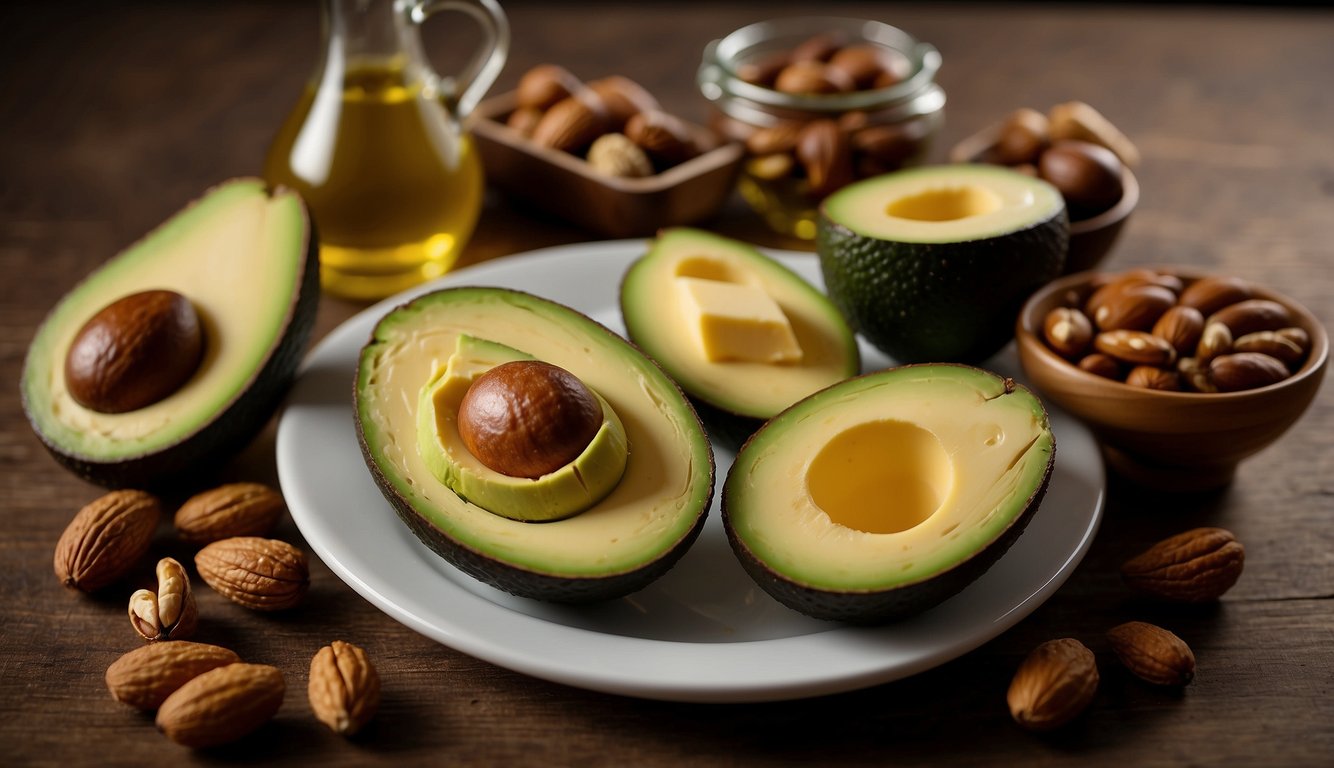
When considering your diet, it’s important to understand where your fats are coming from. There are two main categories based on their origin: animal-based and plant-based fats. Each type has distinct characteristics and sources.
Animal-Based Fats
Animal-based fats are primarily saturated fats, which means they tend to be solid at room temperature. Your typical sources of these fats include:
- Butter: Commonly used in baking and cooking.
- Dairy products: Such as cheese, cream, and whole milk.
- Meats: Especially red meat like beef and pork.
- Lard: Traditionally used for frying and making pastries.
These fats can be found in everyday foods like burgers, tacos, and sandwiches where they are often combined with other ingredients.
Plant-Based Fats
Plant-based fats mostly consist of unsaturated fats, which are usually liquid at room temperature. They’re found in a variety of sources:
- Oils: Like olive oil and coconut oil, which are versatile for cooking and dressings.
- Nuts: Almonds, pecans, and hazelnuts are not only good for snacking but also beneficial for your health.
- Avocado: A fruit rich in monounsaturated fats, perfect for spreads or salads.
- Seeds: Pumpkin and sesame seeds are packed with healthy fats and nutrients.
- Vegetable oils: Such as soybean, canola, and sunflower oil are common in kitchens for their neutral flavor and high smoke points.
Incorporating a mix of these sources can contribute to a balanced diet. Fish, particularly fatty varieties like salmon, are also high in beneficial unsaturated fats, specifically omega-3 fatty acids.
Comparing Saturated and Unsaturated Fats

When considering your dietary choices, it’s important to understand the differences between saturated, unsaturated, and trans fats, as each has unique properties and effects on your health.
Saturated Fats
Saturated fats are typically solid at room temperature and are found in animal products like red meat, poultry, and full-fat dairy. They can also be found in some plant-based oils such as coconut and palm oil. Your body needs some saturated fats, but consuming them in excess is linked to an increased risk of heart disease and high cholesterol levels.
Unsaturated Fats
Unsaturated fats are usually liquid at room temperature and mainly come from plant sources such as olive oil, avocado, and nuts. They can be further classified into monounsaturated fats (MUFAs) and polyunsaturated fats (PUFAs), which include essential fatty acids like omega-3 and omega-6. Unsaturated fats are considered beneficial for heart health when they replace saturated fats in the diet.
-
Monounsaturated fats: These fats can help reduce bad cholesterol levels, which can lower your risk of heart disease and stroke. They also provide nutrients to help develop and maintain your body’s cells. Foods rich in MUFAs include olive oil, avocados, and almonds.
-
Polyunsaturated fats: These include essential fats that your body can’t make itself, such as omega-3 and omega-6 fatty acids. Omega-3s support heart health, reduce blood pressure, and improve cell function, while omega-6s promote skin and hair growth, maintain bone health, regulate metabolism, and maintain the reproductive system. Good sources include fish, flaxseeds, and walnuts.
Trans Fats
Trans fats are the result of a process called hydrogenation, which turns liquid oils into solid fats, extending their shelf life. Often found in fried foods, baked goods, and processed snack foods, trans fats are associated with an increased risk of heart disease and should be kept to a minimum. Trans fats have been largely phased out of food products due to their adverse health effects.
Role of Fats in Nutrition

In understanding the role of fats in nutrition, it’s important to recognize how they contribute to energy levels and facilitate the absorption of essential nutrients in your body.
Energy Contribution
Your body uses fats as a dense source of energy; in fact, they provide approximately 9 calories per gram, making them the most energy-rich macronutrient compared to carbohydrates and proteins. This energy is crucial for your bodily functions and physical activities.
Nutrient Absorption
Fats play a pivotal role in the absorption of fat-soluble vitamins, including vitamins A, D, E, and K. Without sufficient fats, your body cannot properly absorb these vitamins and minerals, which are vital for maintaining your health. Additionally, fats aid in the transportation of essential nutrients throughout the body.
Incorporating Healthy Fats into Your Diet
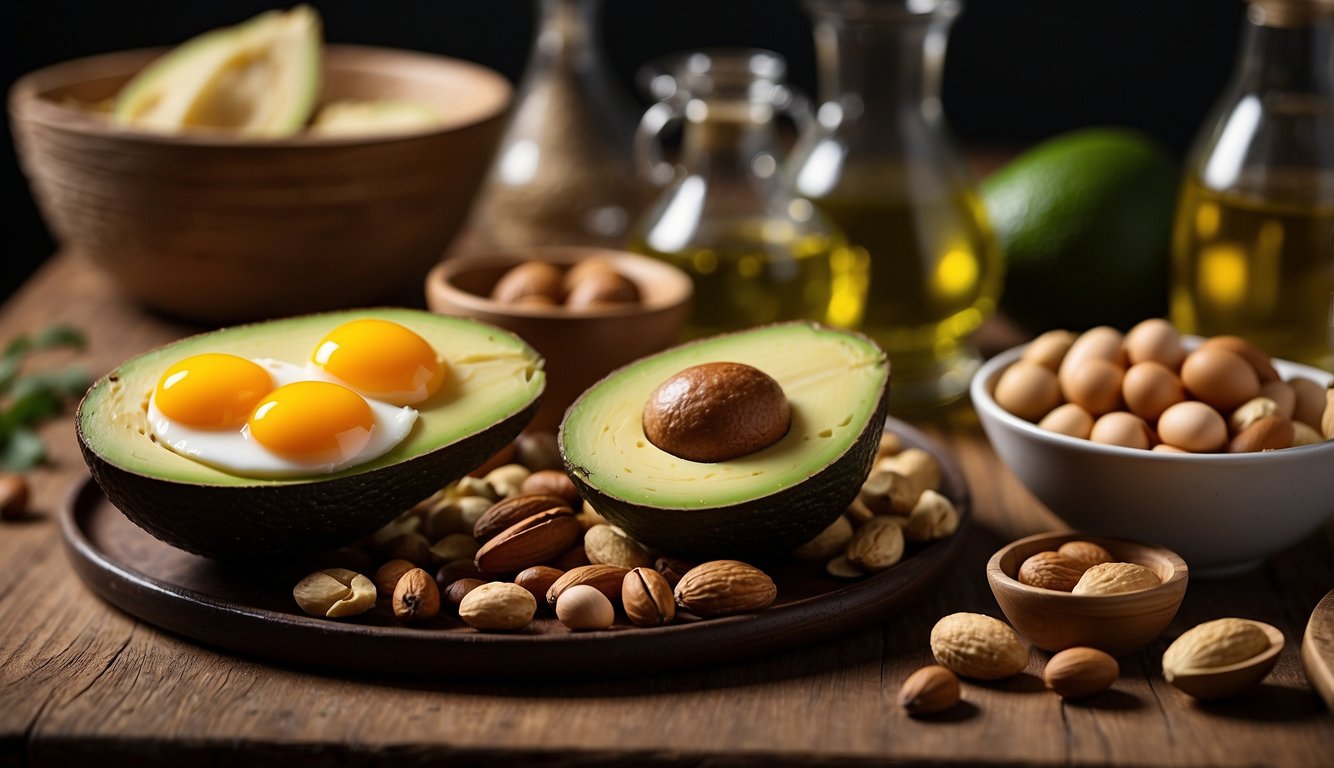
In navigating the landscape of dietary fats, understanding the balance and quality of fats you incorporate is key. This will not only align with the Dietary Guidelines for Americans but also support your overall health.
Recommended Intake
To meet your body’s needs and adhere to dietary guidelines, consumption of saturated fats should be limited to less than 10% of your daily caloric intake. Moderation is essential. Instead, focus on fats that are beneficial, such as omega-3 fatty acids, which you should aim to consume regularly. The Mediterranean diet is a good model to follow, emphasizing fats from fish, nuts, and olives known for their heart-healthy attributes.
- Saturated Fats: < 10% of daily calories
- Omega-3 Fatty Acids: At least two servings of fatty fish per week, or plant-based sources like flaxseeds or walnuts
Identifying Healthy Fats
Healthy fats mainly come from vegetables, nuts, seeds, and fish. These include monounsaturated and polyunsaturated fats, which can contribute to lowering the risk of heart disease. Look for foods rich in these fats as part of a Mediterranean or plant-based diet.
- Monounsaturated Fats: Found in olive oil, avocados, and certain nuts such as almonds.
- Polyunsaturated Fats: Includes omega-3 fatty acids, found in fatty fish like salmon and trout, and omega-6 fatty acids, found in certain vegetable oils.
Incorporate a variety of these foods into your meals to ensure a well-rounded intake of healthy fats.
Remember to check product labels, ideally opting for those with higher monounsaturated and polyunsaturated fats and lower in saturated fats. Integrating these healthy fats into your diet can be simple with a focus on balance and quality.
Fats and Food Industry

The food industry has a complicated relationship with fats. You’ll discover that both processed foods and food labels have been significantly influenced by shifts in understanding and regulations related to fats.
Processed Foods
When browsing the aisles, you’ll notice that many processed foods contain high levels of saturated fats, often stemming from dairy or meat sources. A notable concern in the past was the presence of partially hydrogenated oils — the main source of artificial trans fats. Due to their link to heart disease, the FDA took a firm stance, determining these oils as not “generally recognized as safe” for use in foods. This has led to a reformulation of many baked goods and snacks you may be familiar with, as manufacturers strive to eliminate these unhealthy fats.
Food Labeling
Understanding food labels can be an asset in navigating dietary choices. The FDA mandates the labeling of saturated and trans fats to help you make informed decisions. However, the term “fat-free” can be misleading as these products may be high in added sugars to compensate for flavor. You should scrutinize food labels, not only for fat content but also for overall nutritional value, ensuring a comprehensive approach to healthier eating habits.
Frequently Asked Questions

This section addresses your key concerns about saturated and unsaturated fats, including their differences, food sources, health impacts, and specifics about oils like olive oil.
What are the main differences between saturated and unsaturated fats?
Saturated fats have no double bonds between the carbon atoms in their fatty acid chains and are typically solid at room temperature. In contrast, unsaturated fats contain at least one double bond in their structure and are usually liquid at room temperature.
Can you list common foods that are high in saturated fats and those high in unsaturated fats?
Common foods high in saturated fats include butter, cheese, red meat, and coconut oil. Foods like olive oil, avocados, nuts, and fatty fish are rich in unsaturated fats.
What distinguishes monounsaturated fats from polyunsaturated fats?
Monounsaturated fats contain one double bond in their fatty acid chains, while polyunsaturated fats have two or more. Olive oil is a well-known source of monounsaturated fats, whereas omega-3 and omega-6 fats in fish and some plants like flaxseeds are polyunsaturated.
Why are unsaturated fats considered healthier than saturated fats?
Unsaturated fats are considered healthier because they can help reduce bad cholesterol levels in your blood, which lowers the risk of heart disease and stroke. In particular, polyunsaturated fats provide essential fats that your body needs but can’t produce itself.
What is the impact of trans fats on health compared to saturated fats?
Trans fats are considered the worst type of dietary fat. Unlike saturated fats, which may have some neutral or potentially negative effects depending on intake levels, trans fats increase bad cholesterol, reduce good cholesterol, and are linked to a higher risk of heart disease.
Is olive oil classified as a saturated or unsaturated fat, and what does this imply for its health benefits?
Olive oil is classified as an unsaturated fat, specifically a monounsaturated fat, which is beneficial for heart health. Regular consumption of olive oil can improve your cholesterol profile and provide antioxidants that combat inflammation.