
Bergamot essential oil, derived from the peel of the citrus fruit Citrus bergamia, is a remarkable and versatile substance cherished for its numerous health benefits. Known for its distinctive citrusy fragrance, bergamot oil is not only a popular ingredient in perfumes and colognes but also has a range of therapeutic properties that can benefit your well-being.
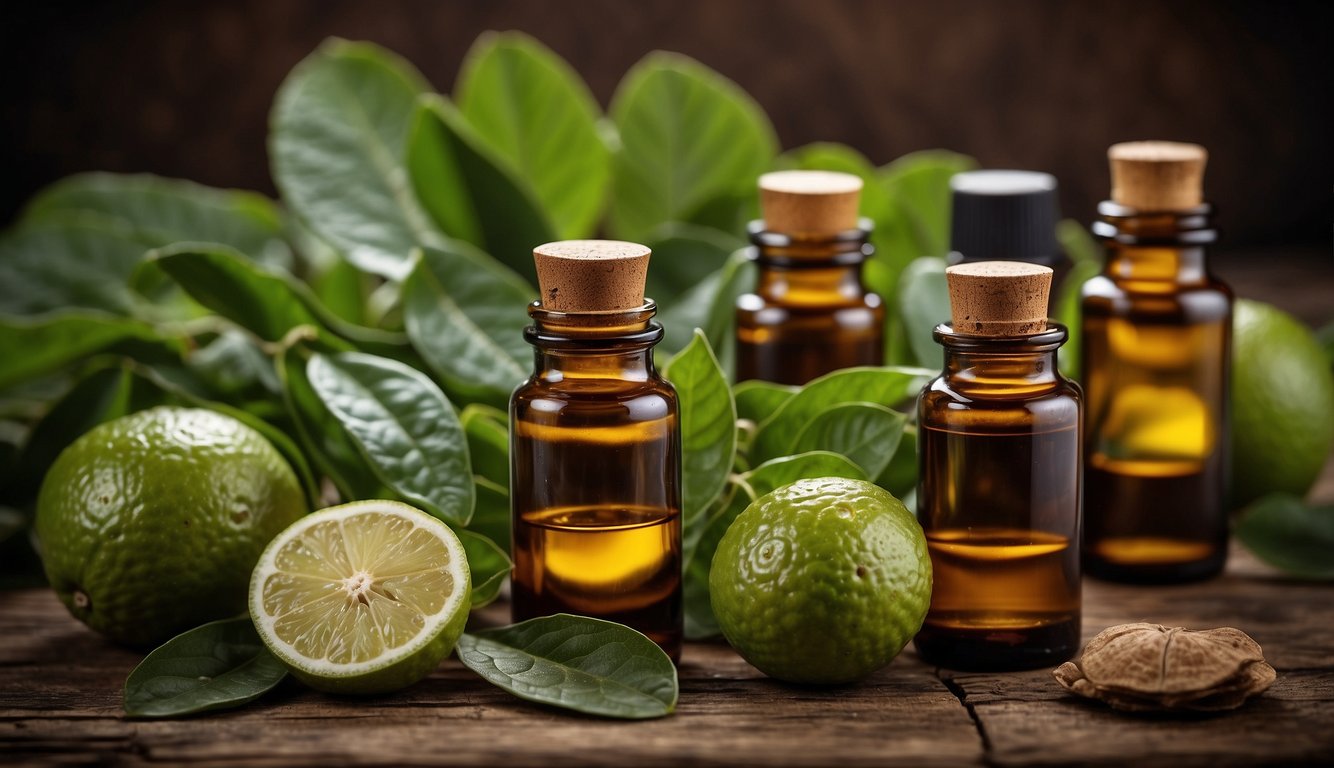
The oil is commonly used in aromatherapy to reduce stress and improve mood due to its uplifting scent. Beyond its aromatic uses, bergamot essential oil has demonstrated benefits when applied topically or used in other applications. For example, its antibacterial properties make it helpful in skin care for reducing acne and promoting skin healing. Moreover, it supports digestive health and has been associated with pain relief. With its varied uses, bergamot oil is a valuable addition to your home wellness toolkit.
Historical Background of Bergamot Oil
Bergamot essential oil has a rich history, rooted deeply in the traditions of various cultures for its unique citrus scent and health benefits. As you explore its past, you’ll find that bergamot oil is as intriguing as the uses it’s touted for today.
Origins and Cultivation
Bergamot oil is derived from the rind of the bergamot orange, a fragrant citrus fruit. The origin of this plant is a fascinating tale of cross-cultural fertilization, with most historians agreeing that it is a hybrid of lemon and bitter orange. Your journey into the world of bergamot oil takes you to the sultry climes of Italy, specifically to Calabria, where the majority of the world’s bergamot oranges are cultivated. The fruit’s cultivation eventually spread to other parts of the Mediterranean, including areas of Turkey, but the ideal growing conditions in Southern Italy remain unmatched.
Traditional Uses and Significance
For centuries, bergamot oil has woven its way into the fabric of various cultural practices and traditional applications. It was prized for its soothing scent and has been used in folk medicine to address numerous health concerns. Beyond its medicinal uses, bergamot has a prestigious place in the culinary world; most notably, it’s the distinguishing flavor in the renowned Earl Grey tea. The oil’s use extended into the realm of perfumery, offering a distinct, citrusy top note to numerous fragrances. Its significance transcended practical uses, often being associated with wealth and a sign of opulent taste, especially in regions of Southeast Asia where it was traded and highly valued.
Properties of Bergamot Essential Oil
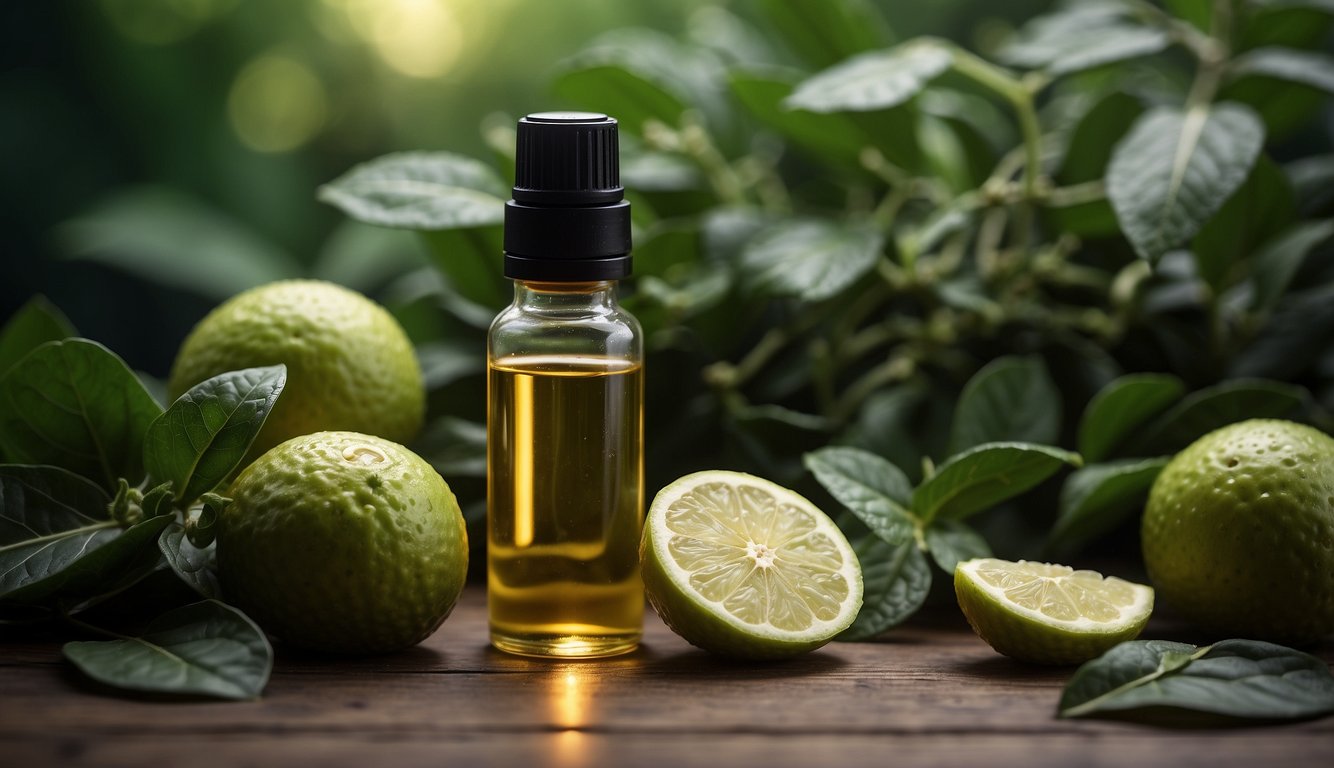
In the realm of essential oils, bergamot has a celebrated spot, known for a unique composition that contributes to its versatile therapeutic uses. You’ll uncover how the specific chemical makeup determines the potential benefits for your health and wellness.
Chemical Composition
Bergamot essential oil is prized for its rich and complex chemical structure that includes a variety of compounds contributing to its health benefits. Two key constituents are:
- Limonene: Often associated with the oil’s characteristic citrus scent, limonene has demonstrated antibacterial properties.
- Linalyl acetate and linalool: These compounds are responsible for some of the oil’s more soothing characteristics, playing a role in its anti-inflammatory and analgesic effects.
A brief outline of the core components can look like this:
- Linalool: Soothing, may reduce stress.
- Limonene: Uplifting, antibacterial.
- Linalyl acetate: Enhances relaxation, may alleviate pain.
Characteristics and Quality
The quality of bergamot oil is discerned through its physical and aromatic characteristics.
- Color: Light greenish-yellow, reflecting its vibrant citrus origin.
- Consistency: Thin and fluid, which indicates purity and ease of application.
- Aroma: Fresh, citrusy and with a slightly floral note that’s both uplifting and calming.
You’ll find that high-quality bergamot oil is often cold-pressed, a method maintaining the integrity of these properties. Ensure that your oil is free from additives or dilutions to experience its full benefits.
Health Benefits of Bergamot Oil
Bergamot essential oil is renowned for its wide range of therapeutic properties. From enhancing your mood to promoting skin health, its benefits may impact many aspects of your well-being.
Mental and Emotional Well-being
Anxiety: If you’re experiencing anxiety, the scent of bergamot oil may have a calming effect. Research suggests that compounds like alpha-pinene and limonene in bergamot oil can promote relaxation.
Depression and Stress: With its unique citrus scent, inhaling bergamot oil might help alleviate symptoms of depression and reduce stress. Its mood-lifting properties are linked to its ability to improve blood circulation and stimulate hormonal secretions.
Skin and Hair Care
Skin Health: Bergamot oil’s anti-inflammatory properties can assist in managing skin conditions such as acne. Applying bergamot oil with appropriate dilution may help heal and prevent breakouts.
Hair Vitality: For hair care, bergamot oil can add shine and promote the overall health of your hair when incorporated into your routine.
Respiratory Health
Respiratory Support: If you’re dealing with congestion or respiratory discomfort, bergamot oil may serve as a decongestant. Its benefits extend to possibly aiding in the reduction of mucus and relieving respiratory issues.
Digestive System Support
Digestion: Bergamot oil might support your digestive system by stimulating the production of digestive juices, which can help facilitate digestion and decrease discomfort.
Topical and Aromatherapy Applications
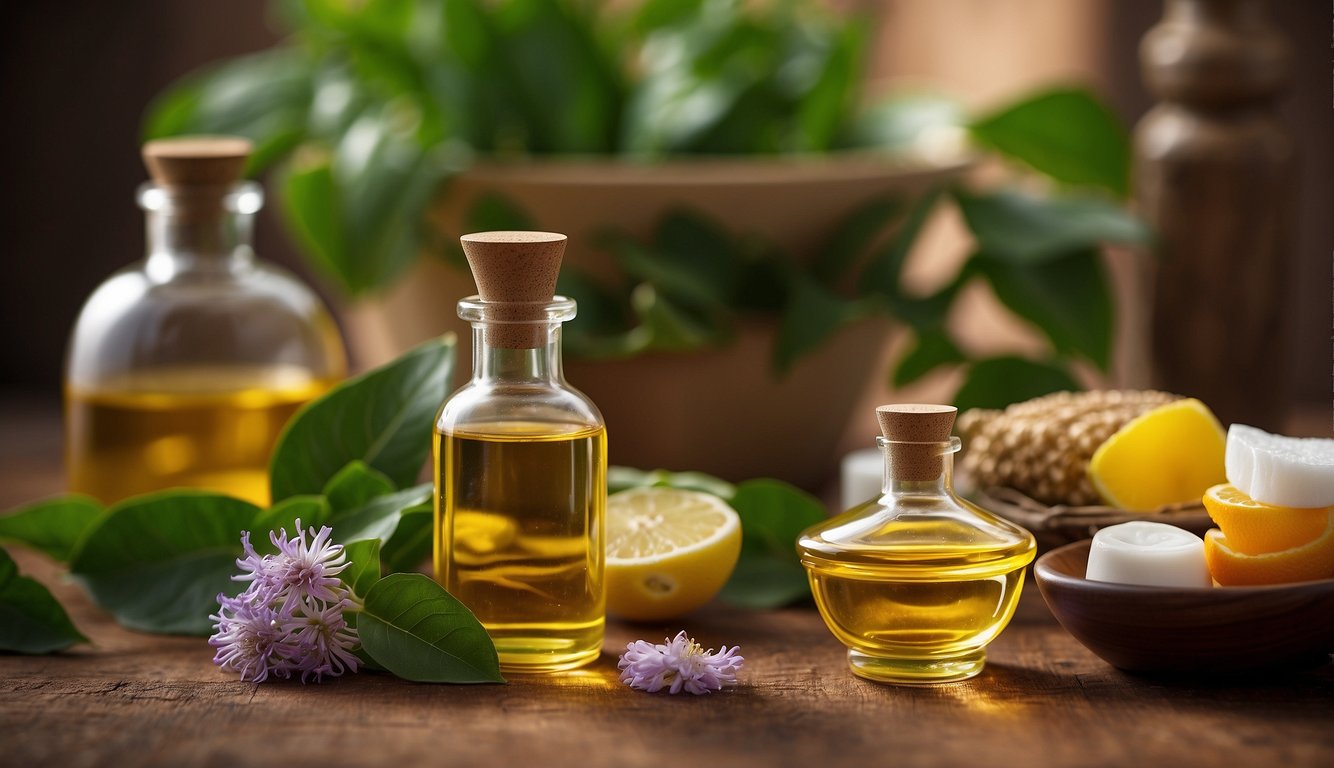
Bergamot essential oil, when used topically or through aromatherapy, can become a vital part of your wellness routine. Ensuring it’s properly diluted with a carrier oil like coconut oil and correctly applied or diffused, you can harness its potential benefits for pain relief, skin health, and emotional well-being.
Massage and Pain Relief
When experiencing muscle pain or tension, consider using bergamot oil as part of a massage blend. Mix about 15-30 drops of bergamot essential oil with a preferred carrier oil, such as coconut oil, to create a soothing massage oil. This blend can help alleviate pain and boost circulation.
Skin Treatment Regimens
For your skin care, bergamot oil can be a refreshing addition. It’s known for its antiseptic properties, making it suitable for treating and preventing skin issues when added to skin treatment regimens. Always ensure to use the non-phototoxic Bergamot FCF Essential Oil, as this is safe for the skin even when exposed to sunlight. Apply 2-5 drops of bergamot oil blended with a base product like tea tree oil for added antibacterial protection or lavender oil for enhancing healing and calming skin irritation.
Aromatherapy Practices
Bergamot oil can uplift your mood or assist with relaxation when used in aromatherapy practices. Add several drops to a diffuser, and let the citrusy fragrance enhance the ambiance of your space. This can potentially aid in reducing stress and providing a calming effect. Bergamot is also said to stimulate hair growth when used in hair care products, but be mindful to not apply it directly to your scalp without proper dilution.
Internal Uses and Effects
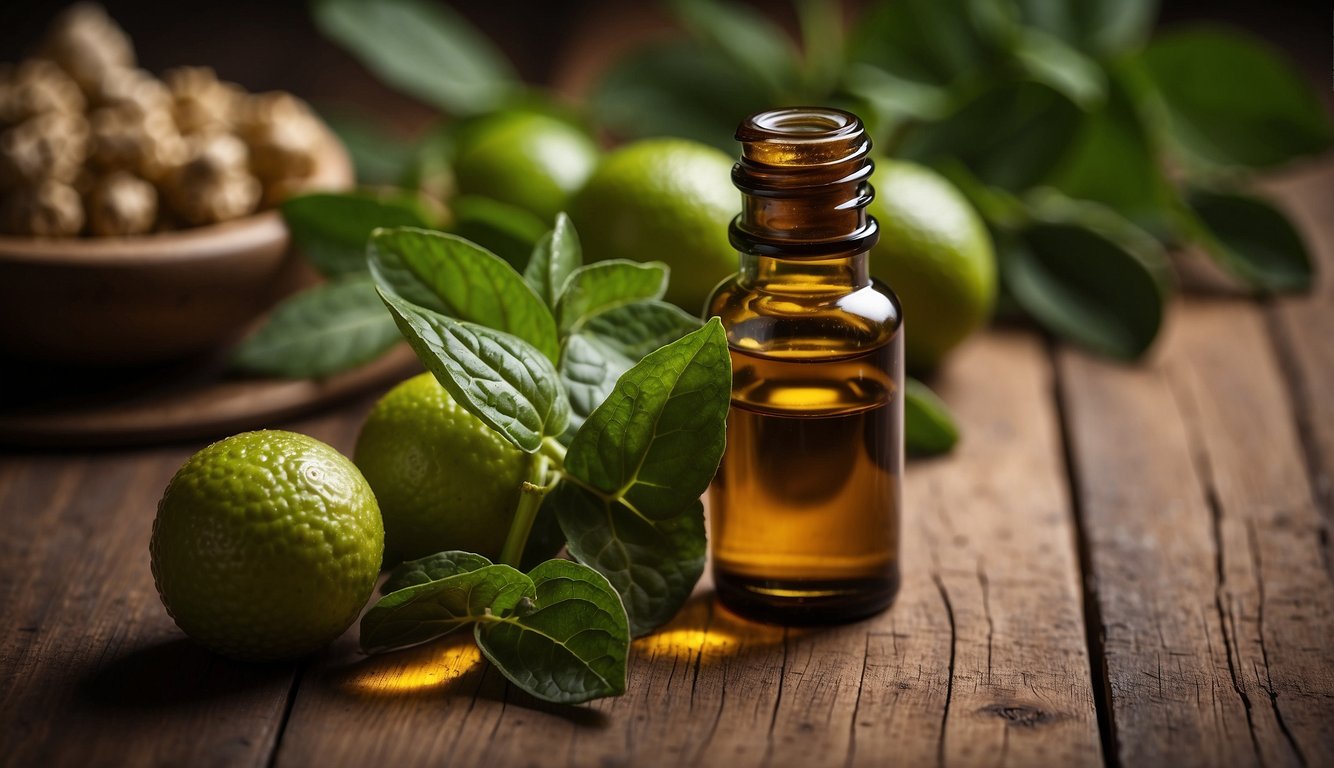
Bergamot essential oil is not just popular for its fragrance; it also contains properties that can be beneficial when used internally. Specifically, it can assist with digestive health and may have a role in managing cholesterol and blood pressure levels.
Digestive Aid
Your digestive system may benefit from the antispasmodic properties of bergamot essential oil. It can potentially relax the muscles in your digestive tract, helping to ease spasms that cause discomfort. Traditionally, in practices like Chinese Medicine, bergamot has been used to promote the flow of digestive juices, which can support digestion and alleviate symptoms like bloating and cramps.
Cholesterol and Blood Pressure Management
Studies suggest that bergamot essential oil might have a positive effect on your blood sugar levels and cholesterol levels. The compounds in bergamot oil can contribute to lowering LDL cholesterol (the ‘bad’ cholesterol) while increasing HDL cholesterol (the ‘good’ cholesterol), which leads to better cardiovascular health. It has been indicated that bergamot oil may also help to maintain blood pressure within the normal range, providing a holistic approach to managing heart health.
Please remember that while bergamot essential oil can be supportive of health, it should be used with caution and proper guidance, especially when taken internally. Always consult with a healthcare professional before undertaking any significant changes to your health regime.
Bergamot in Products and Industry
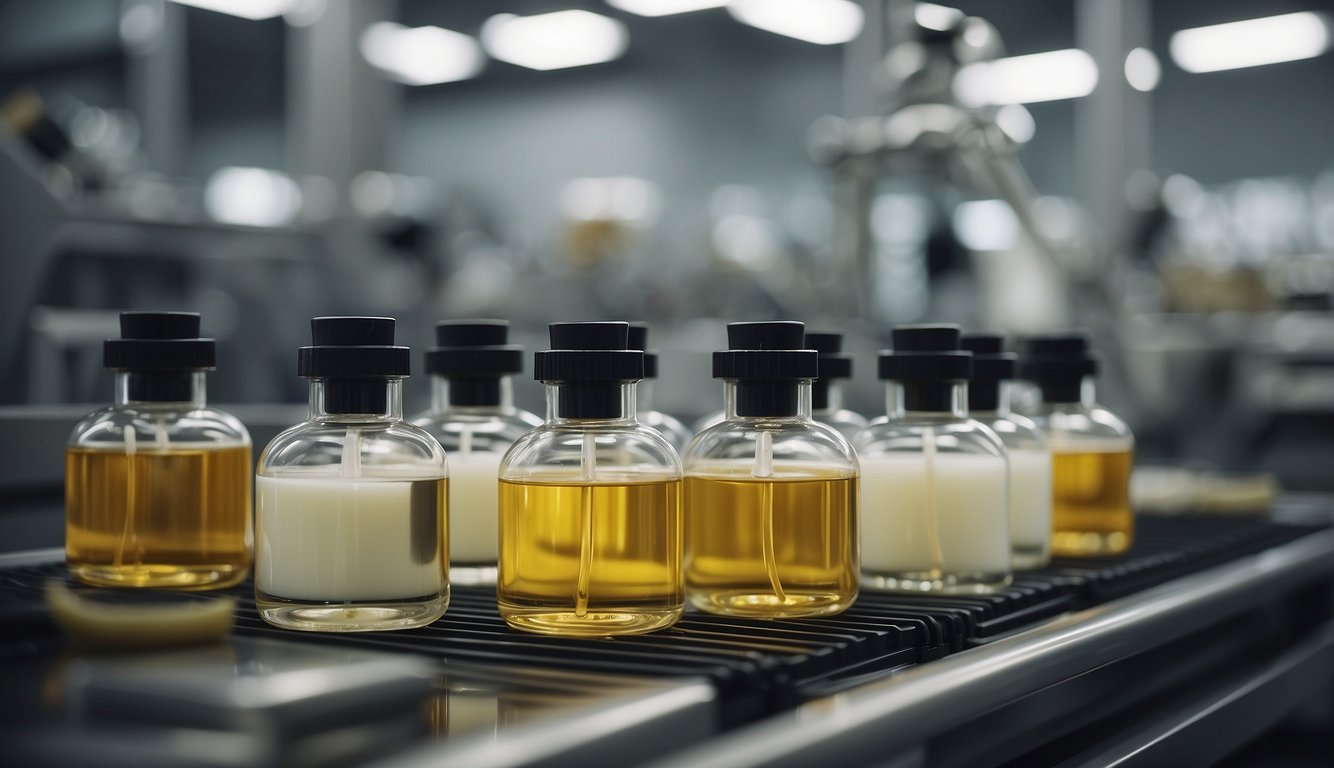
Bergamot essential oil is not only revered for its aromatic profile but also its versatile application across various industries. From enhancing products with a distinct citrus scent to its use in natural remedies and gourmet foods, the influence of bergamot oil is widespread.
Perfumery and Fragrances
Perfumes: Bergamot oil is pivotal in perfumery, delivering a fresh and citrusy top note that is both enticing and uplifting. It’s a staple in many colognes and perfumes, where its sharp yet light scent is used to create a sophisticated olfactory experience.
Deodorants and Air Fresheners: Whether in natural deodorant or air fresheners, bergamot oil is chosen for its ability to neutralize odors and lend a clean, refreshing smell. Its presence in these products showcases bergamot’s dual nature of being both pleasant and functional.
Healthcare and Medicinal Products
Medicine: Bergamot oil features prominently in the complementary medicine sphere. Particularly, its perceived stress-relieving properties make it a desirable component in various medicinal products aimed at relaxation and mood enhancement.
Natural Healthcare Products: With an interest shifting towards more natural healthcare products, bergamot oil is frequently harnessed due to its reported antibacterial and anti-inflammatory qualities. This positions it as an attractive ingredient in the formulation of health-conscious remedies.
Food and Beverage Applications
Earl Grey Tea: Your favorite blend of Earl Grey tea owes its distinctive flavor to the infusion of bergamot oil. The oil’s spicy and citrus notes confer an exotic twist to this classic beverage loved by many.
Flavoring Agent: Beyond tea, bergamot oil finds its way into various culinary concoctions. Its use as a flavoring agent ranges from confectionery to savory dishes, where its unique taste complements and enhances food profiles.
The integration of bergamot oil into products you encounter daily underscores its importance and versatility in various sectors, impacting your sensory experiences and contributing to health and well-being without you even knowing.
Frequently Asked Questions
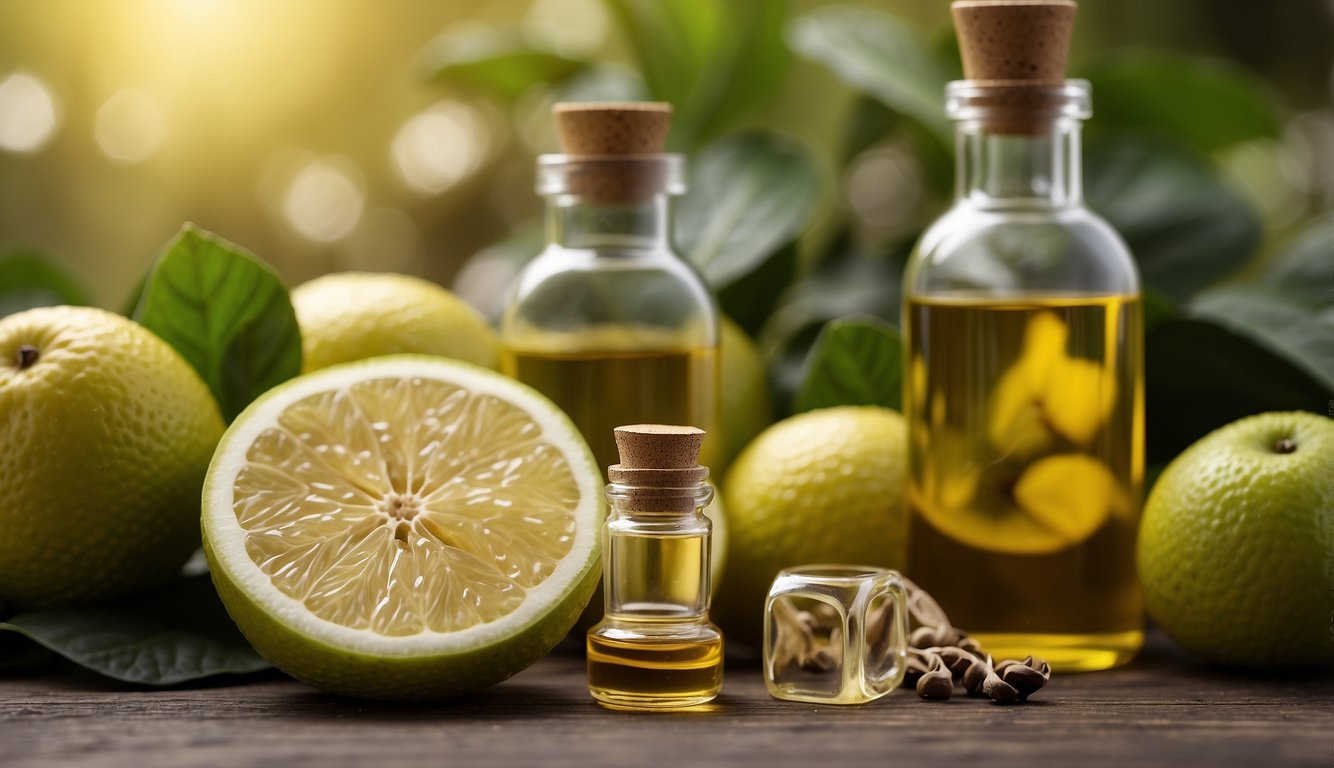
Bergamot essential oil is versatile in its uses and benefits. This section answers some of the most common queries regarding its application for hair and skin health, recognizing potential side effects, its spiritual and aromatherapy uses, and how it enhances beverages like tea.
How can bergamot oil improve the health of your hair?
Bergamot oil can support scalp health and give your hair a lustrous shine. When applied, it helps to balance the natural oils on your scalp, potentially promoting hair growth and reducing dandruff.
What are the benefits of bergamot oil for skin care and treatment?
Bergamot oil contributes to skin health through its antibacterial properties, which can help to manage acne. Its anti-inflammatory effects may also soothe irritated skin and expedite healing.
What are the potential side effects of using bergamot essential oil?
Despite its benefits, bergenmot oil can cause photosensitivity, leading to skin issues when exposed to sunlight. It’s crucial to dilute it with a carrier oil and avoid UV light exposure after application.
In what ways does bergamot essential oil offer spiritual upliftment?
The aromatic profile of bergamot essential oil is linked to emotional balance and spiritual well-being, providing an uplifting effect and helping to ease stress and anxiety when used in diffusers or during meditation.
How can bergamot essential oil be safely used in aromatherapy practices?
For safe aromatherapy use, diffuse bergamot oil in well-ventilated spaces, following dilution guidelines. Avoid applying it to the skin if you plan to go outdoors, as it can increase photosensitivity.
What are the notable health benefits of bergamot oil when added to tea?
When added to tea, bergamot oil may bring digestive benefits and help in relieving stress. Its calming properties can enhance relaxation and possibly aid in sleep quality.