Reiki is an ancient energy healing practice that originated in Japan, promoting relaxation, stress reduction, and overall well-being. Developed by Mikao Usui, it aims to improve the flow of energy around the body, enabling relaxation, relieving pain, and fostering the body’s natural self-healing abilities. This holistic healing method has been growing in popularity, with many individuals seeking alternative approaches to traditional health treatments.
The practice involves a trained Reiki practitioner placing their hands on or just above the patient’s body to channel and guide universal life energy, also known as “ki” or “chi,” to restore balance and optimize the body’s ability to heal itself. Reiki is a non-invasive method that can be beneficial to people of all ages and backgrounds.
Several studies have linked Reiki to a range of physical and emotional health benefits, including better sleep, improved mood, and pain relief. Apart from addressing various health ailments, Reiki also promotes a meditative state, stimulates the immune system, and fosters tissue and bone healing after an injury or surgery. As a result, many people are integrating Reiki into their overall wellness regimen for a more balanced and harmonious life.
Understanding Reiki
https://www.youtube.com/watch?v=n6WMuls7wD4&embed=true
Reiki is a traditional Japanese method of energy healing developed by Dr. Mikao Usui in the early 20th century. It focuses on the concept of “ki”, which is often described as universal life energy. Reiki practitioners believe that this energy flows through all living things and affects physical, emotional, and spiritual well-being. By manipulating and balancing the flow of ki, Reiki can provide relaxation, pain relief, and promote overall healing.
Usui Reiki, named after its founder, is the most widely practiced form of Reiki energy healing. It involves the laying of hands on or near the patient’s body, with the intention of channeling the universal life energy to restore balance and harmony. The practice is non-invasive and can be used alongside other medical treatments.
In Reiki sessions, the practitioner may focus on specific energy centers, known as chakras, to address particular areas of concern. The idea is to unblock and regulate the flow of energy through the body, which is believed to stimulate the body’s natural healing abilities. While Reiki is not a cure-all, many people have experienced relief from various ailments after undergoing Reiki sessions.
One of the key aspects of Reiki practice is the concept of “attunement.” This process involves an experienced Reiki master attuning the energy of a student or practitioner, allowing them to access the universal life force energy. Through attunement, a Reiki practitioner can strengthen their connection with the energy and enhance their ability to channel it effectively during healing sessions.
It’s important to note that while Reiki energy healing has its roots in Japan, it has grown and evolved internationally. Though adapted and modified by different practitioners, its core concept of harnessing universal life energy for healing remains central to the practice. Overall, Reiki serves as a gentle and holistic approach to well-being, working in tandem with modern medical practices to facilitate healing of the mind, body, and spirit.
The History of Reiki
https://www.youtube.com/watch?v=03_FwQihq_Y&embed=true
The practice of Reiki originated in Japan, founded by Dr. Mikao Usui in the early 20th century. Reiki is an energy healing technique, and the term itself is derived from two Japanese words: “rei,” meaning spiritual or universal, and “ki,” which translates to life energy.
Dr. Mikao Usui was a dedicated spiritual seeker who discovered Reiki during a period of fasting and meditation on Mount Kurama. He undertook this journey in search of a method for healing and self-improvement without the use of external tools or substances. His experience on the mountain led him to develop the unique healing system known as Usui Reiki.
After his discovery, Dr. Mikao Usui began to teach and share his knowledge of Reiki with others. Usui Reiki is a practice passed down from master to student through a lineage of Reiki Masters. Today, there are various forms of Reiki practiced globally, although the core principle remains focusing on channeling universal healing energy for the betterment of the individual and their environment.
In conclusion, Reiki is a spiritual healing practice with roots in Japan founded by Dr. Mikao Usui. Through his dedication to spiritual growth and the sharing of his knowledge, Reiki has evolved into a widely practiced form of complementary therapy. Reiki practitioners aim to provide healing and balance by channeling universal energy, staying true to the original teachings of Usui Reiki.
Reiki Process and Procedures
https://www.youtube.com/watch?v=tFwePqabDso&embed=true
Reiki Session Preparation
Before a reiki session begins, the practitioner often creates a peaceful environment to promote relaxation and positive energy. Soft lighting, calming music, and aromatic oils may be used. The client usually remains fully clothed during the treatment and lies down comfortably on a massage table.
The practitioner may perform a brief meditation and set an intention for the session, focusing on the client’s specific needs. They will also discuss any concerns or areas of focus the client may have. Clients are encouraged to relax, breathe deeply, and remain open to the experience.
Industry Practices
Reiki practitioners are trained in a variety of techniques to help transfer universal energy to the client. These techniques may include placing hands directly on or hovering above certain areas of the body, using a series of hand positions to channel energy. Some practitioners may also employ additional tools, such as crystals or essential oils, to enhance the flow of energy.
Reiki training typically involves three levels of attunement, with each level building upon the skills learned in the previous one. The attunement process is an integral part of reiki training and helps the practitioner become more receptive to universal energy, allowing them to effectively channel it during sessions. A reiki master is someone who has received the highest level of attunement and is qualified to teach and attune others.
During a reiki treatment, clients may feel warmth, tingling, or a sense of deep relaxation. Reiki sessions generally last between 45 minutes to an hour, and practitioners often recommend multiple sessions to address specific concerns or achieve desired results. Reiki is a complementary therapy and should not be used as a substitute for medical or therapeutic treatments; however, it may enhance the efficacy of other healing methods.
Benefits of Reiki
https://www.youtube.com/watch?v=duPnQFiVasQ&embed=true
Physical Health Benefits
Reiki is a non-invasive technique that can promote natural self-healing by stimulating the body’s immune system1. One of its well-known benefits is its ability to alleviate physical pain2. Whether the pain results from injury or pre-existing medical conditions, Reiki can help reduce discomfort and promote faster healing. It may also be useful in supporting recovery from surgery by fostering tissue and bone healing1.
This holistic treatment can also complement other medical treatments, working alongside conventional approaches to improve overall health and well-being. For instance, Reiki has shown potential in reducing the side effects of chemotherapy, such as fatigue and nausea3.
Mental Health Benefits
In addition to its physical health benefits, Reiki can also improve mental health4. By inducing a meditative state, this energy healing technique helps to relieve anxiety and stress5. Reiki practitioners believe that improving the flow of energy around the body can reduce anxiety symptoms and improve mood6.
Reiki may also be beneficial for individuals suffering from insomnia, as it can promote relaxation that’s essential for a good night’s sleep7. This relaxation effect also helps lower heart rate and reduce stress levels8.
Emotional Well-being
Reiki can have a profound impact on emotional well-being9. By clearing energy blockages, it can help individuals release negative emotions and attain a more peaceful state of mind9.
The focus on balancing energy also allows for addressing emotional issues at their core, making it an effective tool for personal growth and self-improvement10. As a result, those who regularly practice Reiki may experience increased emotional resilience and overall better quality of life.
Footnotes
Reiki and Other Therapies
https://www.youtube.com/watch?v=wDbQJMOzeB8&embed=true
Reiki is a form of complementary therapy, believed to improve the flow of energy around the body, enabling relaxation, relieving pain, and promoting healing. It should not be considered a replacement for traditional medical treatments or therapies, but rather as a supportive practice to enhance overall well-being 1.
Reiki vs. Acupuncture
Reiki and acupuncture are both therapies aimed at addressing imbalances in the body’s energy flow. However, they differ in their techniques and approaches. Acupuncture involves the insertion of thin needles into specific points on the body to stimulate the flow of energy or “qi.” It is often used to address pain, stress, and a variety of medical conditions 2. In contrast, Reiki practitioners use their hands to channel healing energy into a client’s body without any physical contact or invasive procedures. While some studies suggest that Reiki may help reduce pain and anxiety 3, more research is needed to fully understand its potential benefits in comparison to acupuncture.
Reiki and Yoga
Both Reiki and yoga are practices that focus on healing the body, mind, and spirit. While Reiki is a hands-on energy healing technique, yoga involves a series of physical postures, breath control, and meditation to promote relaxation, flexibility, and overall wellness 4. Combining Reiki with yoga may offer additional benefits, as Reiki can help to activate the parasympathetic nervous system, potentially enhancing the relaxation and stress-reduction effects of yoga.
Visiting a yoga studio that offers Reiki sessions alongside yoga classes could provide the opportunity to experience the complementary effects of both practices. Reiki may also be beneficial for coping with chronic conditions and for postoperative recovery 5, and combining it with a gentle yoga practice could potentially enhance these healing effects.
Footnotes
Reiki for Illness and Disease
https://www.youtube.com/watch?v=diD-i5dC3zU&embed=true
Reiki is a complementary healing practice that promotes natural self-healing and has been known to provide relief from various ailments. In recent years, Reiki has been used in conjunction with traditional medical treatments in hospitals and hospices to support patients dealing with illness and disease.
Cancer patients often undergo exhaustive medical treatments such as chemotherapy, radiation, and surgery. Reiki has been found to support the well-being of patients receiving these treatments by helping them relax, reducing pain, and promoting a sense of security and wellness.
Reiki has also been anecdotally reported to help alleviate anxiety and stress, which are common side effects of medical treatments. In fact, Reiki’s profound relaxation effects have been seen to alleviate anxiety and the perception of pain, leading to a feeling of psychospiritual well-being.
Managing blood pressure is crucial in the treatment of various illnesses, and Reiki may have beneficial effects on this aspect as well. Although more research is needed, the relaxing nature of Reiki could potentially contribute to reducing blood pressure by decreasing stress and promoting overall relaxation in the body.
Hospitals and hospices have begun to recognize the value Reiki can bring to their patients. By incorporating Reiki as an additional supportive treatment, they can provide a more holistic approach to healing which addresses both physical and emotional aspects of illness and disease.
While Reiki is not a replacement for traditional medical treatments, its ability to reduce pain, anxiety, and fatigue may provide much-needed relief for those suffering from illness and disease. Incorporating Reiki into a treatment plan can be a valuable addition for patients seeking a well-rounded approach to their overall well-being.
Reiki for Animals and Plants
https://www.youtube.com/watch?v=n-O91Omm31U&embed=true
Reiki is a natural healing method that promotes relaxation and overall well-being. Its benefits are not limited to humans, as both animals and plants can experience positive effects from Reiki treatments.
Animals are particularly receptive to Reiki energy, often showing a natural understanding of its benefits. As a non-invasive and gentle healing technique, it helps reduce stress and promote deep relaxation in pets. Regular Reiki sessions can improve an animal’s emotional state, supporting their health and strengthening the bonds with their caregivers.
In addition to emotional support, Reiki can also contribute to an animal’s physical well-being. It can be a helpful complementary therapy for animals experiencing health issues or recovering from illnesses. By balancing and harmonizing an organism’s energy, Reiki strengthens the natural healing properties of the body, potentially speeding up recovery processes.
Plants, on the other hand, may not seem like obvious recipients of Reiki, but they have been observed to respond positively to the energy. Reiki has been known to help plants grow stronger, healthier, and more resilient to diseases. Although research on how Reiki affects plants is limited, the practice has its share of supporters who have observed improvements in their plants’ health after applying Reiki energy.
In conclusion, both animals and plants can benefit from the healing effects of Reiki. Integrating Reiki into their care routines can lead to decreased stress levels, better overall health, and improved relationships between animals and their caregivers. Additionally, incorporating Reiki energy into plant care may result in healthier and more vigorous plants.
Criticisms and Misconceptions of Reiki
One common misconception about Reiki is that it is a religion. In reality, Reiki is a spiritual practice that is not connected to any religion. It is a form of natural healing that uses the energy in the universe to promote well-being, and anyone of any faith or from any background can practice Reiki.
Despite its growth in popularity and widespread use, Reiki continues to be met with some controversy. Critics argue that the healing benefits of Reiki could be attributed to the placebo effect, suggesting that patients experiencing improvements in their health might be due to their belief in the treatment rather than the actual practice. While skeptics often point to the lack of scientific evidence supporting the efficacy of Reiki, proponents of the practice emphasize the positive safety profile and the potential for stress reduction and relaxation.
Another critique of Reiki is its cost. Like any complementary health approach, Reiki sessions can be expensive, with practitioners charging varying fees for their services. Some people question whether the benefits of Reiki justify its cost. However, others argue that investing in one’s well-being and stress reduction is worth the financial commitment.
Reiki’s reputation as an energy-based therapy has also attracted criticism. Detractors argue that the concept of life force energy flowing through the body to facilitate healing is unfounded, and that Reiki practitioners’ claims of channelling this energy lack scientific evidence. Nevertheless, many who experience Reiki healing report both physical and emotional benefits, and the practice continues to gain mainstream acceptance as a complementary therapy.
In conclusion, while Reiki has faced criticisms surrounding its religious connotations, scientific validity, and cost, the practice remains widely adopted and embraced by many. As with any complementary therapy, it is important for individuals to carefully consider their options and consult with medical professionals to determine the most appropriate course of action for their specific needs.
Final Thoughts on Reiki
Reiki is a complementary healing practice that can contribute to an individual’s overall wellness by promoting relaxation, stress reduction, and symptom relief. Its gentle, non-invasive nature allows it to be safely incorporated into various lifestyle and healthcare routines.
When practiced consistently, Reiki has the potential to provide numerous positive benefits. It can help individuals achieve a more relaxed state, enhancing mental clarity and emotional well-being. This can lead to better decision-making, improved interpersonal relationships, and a general sense of balance in life.
In addition to its mental and emotional benefits, Reiki is believed to contribute to physical healing. It is thought to normalize the flow of life force energy within an individual, potentially promoting the healing of tissues and bones. However, it is important to note that Reiki should not be considered a replacement for professional medical treatment but rather a supportive therapy that complements conventional medicine.
For those interested in exploring Reiki as a healing modality, it is recommended to consult with a certified Reiki practitioner or attend a Reiki workshop. This can provide a deeper understanding of the practice, its principles, and techniques. As with any wellness practice, it is essential to approach Reiki with an open mind, patience, and commitment.
In conclusion, Reiki is a valuable addition to a holistic wellness approach that can lead to numerous mental, emotional, and physical benefits. By incorporating Reiki into one’s lifestyle, individuals may experience enhanced well-being and a renewed sense of balance in their lives.
Conclusion
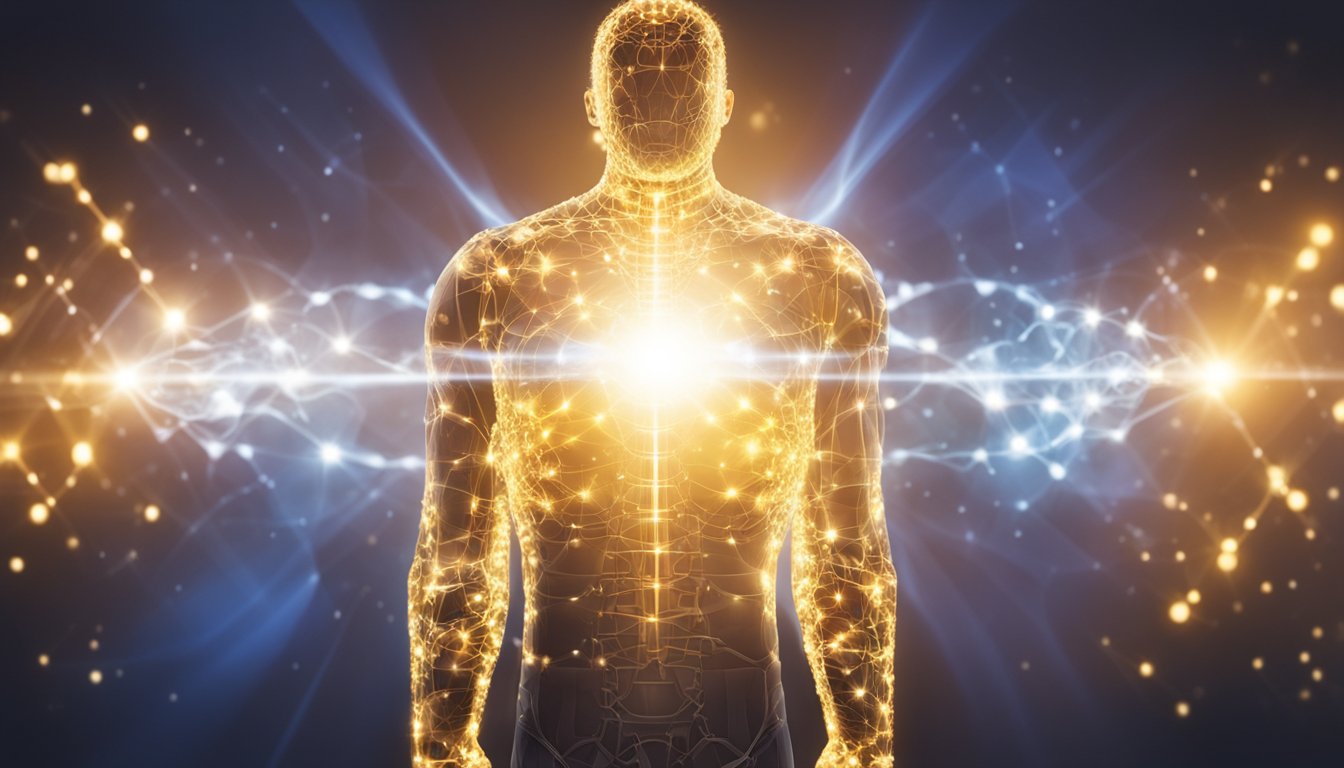
Reiki is a holistic healing practice that has been gaining more attention in recent years due to its numerous benefits. It is a safe, gentle, and profoundly relaxing modality to promote overall health and well-being1.
One of the most evident benefits of Reiki is its ability to reduce pain, anxiety, and fatigue2. Many individuals who practice or receive Reiki sessions experience a range of positive outcomes, such as improved relaxation, relief from stress, and an enhanced sense of well-being3. Additionally, Reiki can foster tissue and bone healing, as well as facilitate a meditative state4.
While there are debates about the effectiveness of Reiki, with some arguing that the benefits could be attributed to the placebo effect5, it is important to note that many individuals have experienced genuine benefits from this practice. Ultimately, it is a personal decision to explore the potential advantages of Reiki as a complementary healing modality.
In conclusion, Reiki holds significant promise as a natural and non-invasive healing technique, with the potential to bring both physical and emotional benefits to individuals seeking an alternative approach to their well-being6. As with any holistic health practice, it is essential to maintain an open mind and explore all available options for achieving optimum health and wellness.
Footnotes
Frequently Asked Questions
https://www.youtube.com/watch?v=eOCAlIZAzRk&embed=true
How does Reiki heal the body?
Reiki is a Japanese healing practice that aims to promote balance and remove blocked energy from the body. While the scientific evidence is still limited, anecdotal accounts and certain researchers suggest that Reiki can help people with sleep, pain, anxiety, and fatigue by inducing relaxation and tranquility source.
Can Reiki be compatible with religious beliefs?
Reiki is not considered a religion but rather a spiritual practice that can complement an individual’s religious beliefs. Its main focus is on healing, balance, and inner peace, which are concepts often found in various religious practices source.
What is the origin and history of Reiki?
Reiki originated in Japan in the early 20th century by Mikao Usui, a Japanese Buddhist. It was further developed and popularized by Hawayo Takata, a Hawaiian woman, who introduced it to the western world in the late 1930s. The practice has since evolved and spread throughout the world, adapting to various cultures and spiritual influences source.
How is the term Reiki pronounced?
Reiki is pronounced “ray-key,” with “rei” meaning universal, and “ki” meaning life energy. The practice involves channeling this universal life energy to promote healing and balance within the body source.
How often should someone receive Reiki sessions?
The frequency of Reiki sessions depends on the individual’s needs and preferences. Some people may benefit from weekly or monthly sessions, while others may choose to receive Reiki on an as-needed basis. It is important to consult with a qualified Reiki practitioner to determine the most appropriate schedule for each person source.