
Berberine, a compound found in several plants, has gained attention as a potentially effective natural treatment for diabetes, particularly for individuals with type 2 diabetes. This alkaloid is extracted from various plants including goldenseal, barberry, and Oregon grape, and has been used for centuries in traditional Chinese medicine for a variety of health conditions. However, recent research has shed light on the possible benefits of berberine for individuals with diabetes, as it seems to exhibit significant glucose-lowering effects.
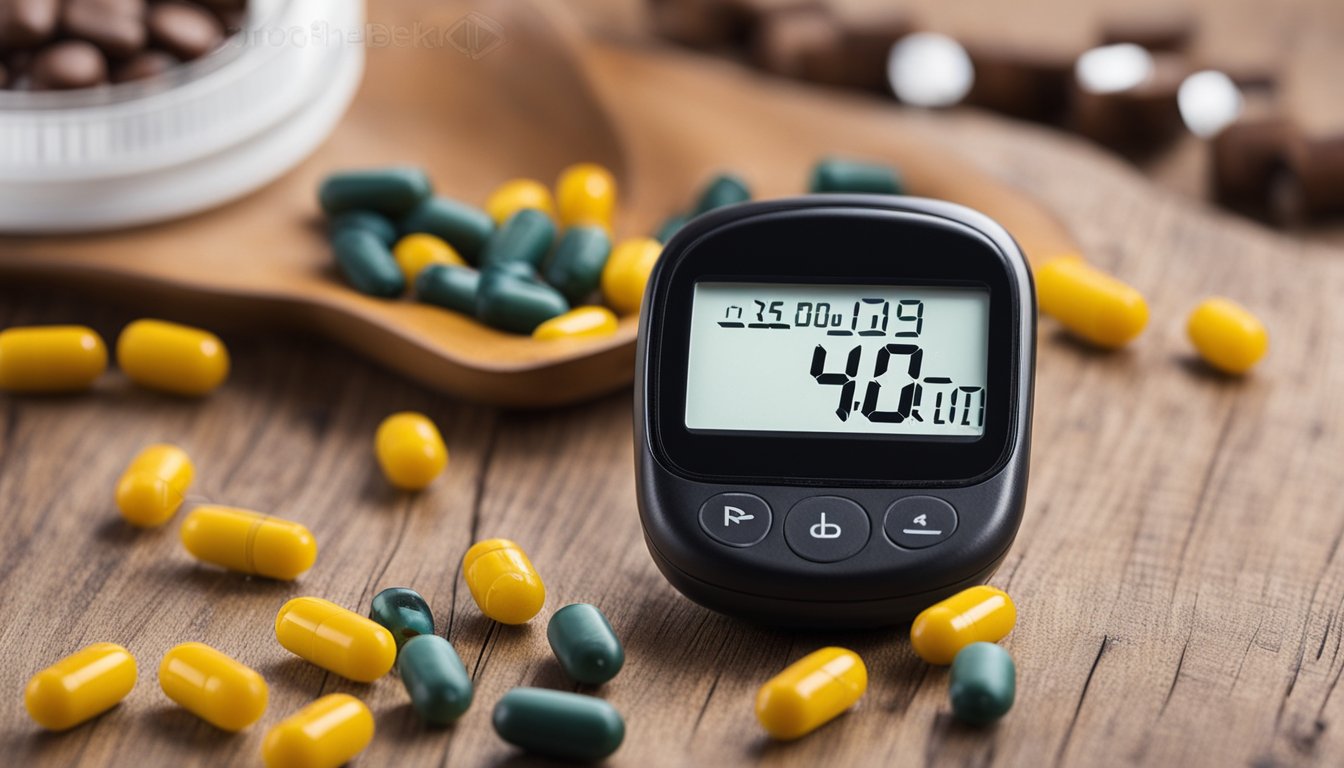
Studies have demonstrated that berberine has the ability to reduce blood sugar levels in people with type 2 diabetes, sometimes even proving to be as effective as conventional diabetes medications. These effects are attributed to berberine’s capacity to stimulate glucose metabolism by inducing glycolysis, which is the breakdown of glucose that releases energy necessary for the body’s cells. Importantly, berberine promotes insulin secretion under hyperglycemic conditions or in a high-glucose-dependent manner, meaning that it does not cause hypoglycemia when glucose levels are normal.
Given its promising effects on blood sugar regulation, berberine offers an alternative or supplementary option for diabetics. However, it is important to consult with healthcare professionals before integrating this supplement into a diabetes management plan, as it may interfere with certain prescription medications. Overall, the incorporation of berberine as an adjunct therapy for diabetes warrants further research to establish optimal dosages and understand potential long-term effects fully.
Overview of Berberine
https://www.youtube.com/watch?v=hqVxW7GsbTI&embed=true
Berberine is an alkaloid found in various plants of the Berberis genus, such as barberry, Oregon grape, tree turmeric, and goldenseal. These plants have a long history of use in traditional Chinese medicine and are known for their numerous health benefits. As an isoquinoline alkaloid, berberine is the primary active compound present in plants like Coptis chinensis, Rhizoma coptidis, Cortex phellodendri, and Hydrastis canadensis.
In recent years, research has shown that berberine has a significant impact on carbohydrate metabolism, making it a potential therapeutic agent for diabetes mellitus. Its effects on blood sugar levels can be compared to some conventional diabetes medications, which is why it has gained popularity as an alternative treatment for type 2 diabetes.
Berberine’s glucose-lowering effects occur under hyperglycemic conditions or in a high-glucose-dependent manner. This feature ensures that it does not cause hypoglycemia, a potentially dangerous drop in blood sugar levels. Moreover, berberine exhibits anti-inflammatory, neuroprotective, and hypolipidemic properties, making it a well-rounded supplement for improving overall health.
In addition to its potential benefits for diabetics, berberine has been used in traditional medicine to treat a variety of ailments, including digestive tract infections caused by Helicobacter pylori. Its versatile properties make it an exciting compound for further research and development in the field of natural medicine.
Overall, berberine’s proven efficacy in regulating blood sugar levels, combined with its wide range of health benefits, makes it a promising option for those seeking alternative treatments for diabetes and other health conditions.
Berberine Vs Metformin in Diabetes Management
https://www.youtube.com/watch?v=OGBzxRgoA7Y&embed=true
Berberine and metformin are both known for their potential in managing diabetes, specifically type 2 diabetes mellitus. Understanding the differences and similarities between these two substances can shed light on their respective roles in diabetes management.
Berberine is a natural alkaloid found in various plants, demonstrating a range of health benefits, including anti-inflammatory properties and hypolipidemic activities. Research indicates that it also significantly impacts carbohydrate metabolism, making it an attractive option for individuals with diabetes. On the other hand, metformin, also known as Glucophage, is a widely-prescribed synthetic oral medication for diabetes management. It is primarily used for lowering blood glucose levels in individuals with type 2 diabetes.
Both berberine and metformin work by influencing insulin sensitivity and insulin secretion, playing a role in glucose metabolism. They promote the body’s ability to utilize glucose and help regulate blood sugar levels. One of the key ways they do this is by reducing the amount of glucose produced in the liver through a process called glycogenolysis. They also aid in glucose uptake by muscle and fat cells to further improve overall glucose metabolism.
When it comes to effectiveness in lowering blood sugar, berberine has been found to have a notable impact, comparable to that of oral diabetes drugs like metformin and glipizide. Additionally, berberine reportedly has fewer side effects than its synthetic counterparts, making it a desirable option for those seeking a more natural approach.
It’s important to note that the use of berberine in place of or in conjunction with diabetes medications like metformin should be discussed with a healthcare professional, as each individual’s situation varies. Safety concerns, potential interactions with other medications, and the unique needs of the person with diabetes should all be considered before any changes to one’s treatment plan are made.
In summary, berberine has shown promise as a natural, effective alternative or supplement to synthetic diabetes medications like metformin. Both substances act on insulin sensitivity and glucose metabolism, which are essential components in managing type 2 diabetes mellitus. As with any changes in diabetes management, individuals should consult with their healthcare providers to ensure appropriate use and safety.
Benefits of Berberine in Diabetes Management
https://www.youtube.com/watch?v=V8Sp94c7ddA&embed=true
Berberine is a natural compound found in various plants and has been used in traditional medicine for centuries. Recent research has shed light on its potential benefits in managing diabetes, particularly type 2 diabetes.
One of the most notable effects of berberine in the context of diabetes is its ability to help regulate blood sugar levels. Studies have shown that berberine can lower fasting blood glucose, postprandial blood glucose, and HbA1c levels in patients with type 2 diabetes. By doing so, berberine can contribute to better overall glucose metabolism.
Berberine’s positive impact on glucose metabolism can be attributed to several factors. It has been found to increase insulin sensitivity, which translates to an enhanced ability of the body to use insulin to manage glucose levels. Moreover, berberine promotes insulin secretion in pancreatic β-cells, allowing the body to produce more insulin when needed. Lastly, it has been observed to stimulate glycolysis, the process by which the body breaks down glucose to produce energy.
Apart from its direct influence on glucose levels, berberine’s anti-inflammatory and antioxidant properties may also contribute to its potential benefits in diabetes management. Inflammation and oxidative stress are known to play a part in the development of insulin resistance and type 2 diabetes. Therefore, the anti-inflammatory and antioxidant properties of berberine may help reduce the risk of developing these conditions or alleviate their symptoms.
In summary, berberine can play a valuable role in diabetes management, especially for people with type 2 diabetes. Its ability to regulate blood sugar levels, increase insulin sensitivity, and exhibit antioxidant and anti-inflammatory properties make it a noteworthy natural supplement to consider for individuals managing diabetes.
Side Effects and Interactions of Berberine
https://www.youtube.com/watch?v=7bs4XexnqXg&embed=true
Berberine, a natural chemical compound found in various plants, is known to have potential health benefits, especially for people with diabetes. However, it is crucial to be aware of its side effects and interactions when considering it as a supplement.
One common side effect of berberine is gastrointestinal issues. These may include diarrhea, constipation, gas, and abdominal pain. Some individuals may also experience nausea and flatulence as a result of taking berberine. For most people, these digestive side effects are mild and temporary, but it’s essential to monitor your body’s reactions when starting any supplement.
Moreover, berberine has the potential to interact with some medications and other substances. As a diabetic, you should consult your healthcare provider before taking berberine, as it can influence blood sugar levels and may impact the efficacy of other diabetes medications you might be taking.
It is also worth noting that while rare, some people may experience infections when taking berberine. If you notice any unusual symptoms or worsening of your condition while using this supplement, it is advised to consult with a healthcare professional promptly.
In summary, while berberine may have potential benefits in managing diabetes, it is essential to consider the possible side effects and interactions. By staying informed and discussing your options with a healthcare provider, you can make the appropriate decision for your health needs.
Dosage and Safety of Berberine
Berberine has shown potential benefits for people with type 2 diabetes. In several studies, taking 600-2,700 mg of berberine daily has been found to lower fasting and long-term blood sugar levels by up to 20% and 12%, respectively 1. A common suggested dosage is 500 mg, taken 2 or 3 times a day 2.
Berberine appears to be relatively safe, but certain precautions should be taken. In some cases, its effectiveness may overlap with that of prescription medications, so it’s crucial to consult a healthcare professional before starting any berberine supplementation, especially if you are already taking medications for diabetes 2. Long-term use of berberine has not been thoroughly studied, and more research is needed to fully understand its safety profile.
Some possible side effects of berberine include gastrointestinal issues. In most cases, these side effects are mild and may go away over time as the body adjusts to the supplement. However, if side effects persist or worsen, it is essential to consult a healthcare practitioner.
It is also crucial to ensure that the berberine supplement is of high quality and is certified by a reputable organization, such as the National Sanitation Foundation (NSF), to ensure that it meets safety and quality standards.
In conclusion, berberine may offer potential benefits for people with type 2 diabetes. When taken at the suggested dosage, it appears to be safe for most individuals. However, it is essential to consult with a healthcare professional before starting any berberine supplementation and ensure the product is of high quality.
Footnotes
Berberine and Obesity
https://www.youtube.com/watch?v=d3YtRtFjdP0&embed=true
Berberine, a natural alkaloid found in various plants, has gained interest for its potential role in managing obesity and improving metabolism. This compound exhibits anti-inflammatory, neuroprotective, and hypolipidemic properties, making it a promising supplement for individuals struggling with weight-related issues 1.
Research indicates that berberine may influence lipid metabolism by regulating the expression of genes involved in fat storage and energy expenditure. It may increase the production of a molecule called AMP-activated protein kinase (AMPK), which plays a crucial role in managing energy balance and lipid metabolism 2. As a result, berberine could help promote fat reduction and improve overall metabolic health.
In addition to its effects on lipid metabolism, berberine has shown promising results in reducing body weight and enhancing insulin sensitivity. A study published in the journal Diabetes revealed that berberine significantly lowered fasting glucose, hemoglobin A1c (HbA1c), and 2-hour postprandial blood glucose3. These findings suggest that berberine may have a dual effect on obesity and diabetes, making it a valuable supplement for those with both conditions.
It’s crucial to note, however, that while berberine exhibits potential benefits for obesity and metabolic health, it should not be considered a magical weight loss solution. A healthy diet, regular exercise, and lifestyle modifications are still essential components of a successful weight loss plan. Furthermore, it’s important to consult a healthcare professional before using berberine or any supplement to ensure its safety and efficacy.
In conclusion, berberine offers a promising avenue for supporting weight loss and improving metabolic health, particularly for individuals with obesity and diabetes. By targeting lipid metabolism and enhancing insulin sensitivity, this natural alkaloid may provide a helpful addition to a comprehensive weight management plan.
Footnotes
Berberine and Heart Disease

Berberine is a natural compound found in various plants and has been used in traditional medicine for centuries. Recent research has shown that berberine has potential in the treatment of cardiovascular diseases, including heart disease. It helps in regulating blood pressure, improving lipid metabolism and exerting cardio-protective effects.
One of the primary risk factors for heart disease is high cholesterol levels, specifically elevated low-density lipoprotein (LDL) cholesterol. Berberine has been found to have a positive impact on lipid regulation. Studies indicate that it can effectively reduce total cholesterol, LDL cholesterol, and triglycerides while also increasing high-density lipoprotein (HDL) cholesterol levels. This lipid-lowering effect of berberine can be beneficial for people with hyperlipidemia, with or without coronary heart disease or diabetes 5,6,24.
High blood pressure is another significant risk factor for heart disease. Berberine has shown potential in managing blood pressure levels. Research suggests that its use may lead to a reduction in both systolic and diastolic blood pressure, contributing to a lower risk of developing cardiovascular complications 8,25,26.
In addition to its positive effects on cholesterol and blood pressure, berberine has demonstrated anti-arrhythmic properties and cardio-protective effects 1. These properties can assist in regulating heart rhythm and protecting the heart from damage, further reducing the risk of various cardiovascular diseases.
In summary, berberine holds promise as a natural therapeutic option for heart disease. Its ability to lower LDL cholesterol, reduce blood pressure, and provide cardio-protective effects make it a valuable addition to the arsenal of treatments for individuals at risk of cardiovascular complications. However, while the evidence supporting berberine’s benefits is growing, more extensive research is necessary to fully understand its potential and establish optimal dosing guidelines.
Berberine and PCOS
https://www.youtube.com/watch?v=Q0AttFTSBPw&embed=true
Polycystic ovary syndrome (PCOS) is a common hormonal disorder often characterized by insulin resistance, which can cause a range of symptoms, such as irregular periods, weight gain, and acne. Berberine, a natural compound found in some plants, has gained attention in recent years as a potential alternative treatment for PCOS.
One of the main benefits of berberine for PCOS lies in its ability to help manage insulin resistance. A study suggests that berberine is effective in improving endocrine parameters and insulin sensitivity in women with PCOS. This makes it a valuable option for those looking to improve their hormonal balance and overall health.
In addition to its effects on insulin resistance, berberine may also offer benefits for fertility in women with PCOS. Research has found that berberine can lead to improved fertility outcomes in PCOS women, making it a promising option for those who are trying to conceive.
Another potential advantage of using berberine for PCOS is its impact on body composition and lipid profile. According to a study, berberine may have a greater potential to reduce the risk of cardiovascular disease in PCOS patients compared to metformin, a commonly prescribed medication for insulin resistance.
While berberine seems to have promising effects on various aspects of PCOS, it is important to note that more research is needed to fully understand its effects and potential side effects. As with any supplement or treatment, it is crucial to consult with a healthcare professional before using berberine for PCOS management.
Berberine during Pregnancy
Berberine is a compound found in several plants, including goldenseal, Oregon grape, and barberry. It is commonly used to treat conditions such as diarrhea, diabetes, and high cholesterol 1. Some people also use it for weight loss. However, when it comes to berberine use during pregnancy, there are a few considerations to keep in mind.
Firstly, it is important to note that there is limited research on the safety of berberine during pregnancy. One author suggests avoiding herbs and products that contain berberine during pregnancy 2. This caution is due to the lack of conclusive evidence on its safety for pregnant women and their developing babies.
Additionally, it is crucial to consult with a healthcare professional before starting any supplement or medication during pregnancy. Berberine may interact with other medications, which can have unintended consequences for both the mother and the baby.
In summary, while berberine has been found to have potential benefits for diabetics, its use during pregnancy should be approached with caution. Until more research is available, it is best to consult with a healthcare professional and consider other alternatives for managing diabetes in pregnant women.
Footnotes
Berberine and Gut Microbiota
https://www.youtube.com/watch?v=PJUshMl0BNM&embed=true
Berberine is an active constituent found in some traditional Chinese herbs and has been shown to exhibit beneficial effects on type 2 diabetes (T2D) patients through modulating the gut microbiota. Researchers have discovered that berberine can potentially lower glucose levels in the body, making it a potential candidate for managing T2D.
Recent studies have conducted randomized, double-blind, placebo-controlled trials involving newly diagnosed T2D patients. These trials aim to understand the gut microbiome-related effects of berberine and the potential benefits of combining it with probiotics. The results suggest that both berberine and probiotics can improve glycemic control and other metabolic outcomes in T2D patients, which could lead to better management of the disease.
Berberine not only has potential benefits for T2D patients but also has been known to treat obesity, diabetes mellitus, atherosclerosis, and other metabolic diseases. Clinical trials have studied the use of berberine in treating cardiovascular, gastrointestinal, and endocrine disorders. Moreover, berberine has shown its effectiveness at standard doses with low toxicity.
The therapeutic effects of berberine in metabolic diseases, such as diabetes, can be attributed to its chemical composition. Belonging to benzylisoquinoline alkaloids, berberine has the ability to modify gut microbiota, leading to better control of blood glucose levels.
In summary, berberine’s effect on gut microbiota could potentially improve the management of type 2 diabetes, as well as other metabolic disorders. By modulating the gut microbiota, berberine may play a role in glycemic control and overall metabolic health.
Efficacy of Berberine as Hypoglycemic Agent
https://www.youtube.com/watch?v=BHkUed0DsZ0&embed=true
Berberine is a natural compound found in various plants, and it has been studied for its potential benefits for Type 2 diabetes patients. As a hypoglycemic agent, berberine has shown promise in regulating blood sugar levels and improving insulin sensitivity.
Research studies have investigated berberine’s efficacy in diabetes treatment, showing significant improvement in the patients’ blood glucose levels. One study conducted on adults with newly diagnosed Type 2 diabetes compared berberine to metformin, a widely used diabetes medication. The results indicated that the hypoglycemic effect of berberine was similar to that of metformin during a three-month trial.
Berberine’s positive impact on carbohydrate metabolism has also been demonstrated through research. This compound can help protect pancreatic β-cells and increase insulin sensitivity in peripheral tissues, making it a beneficial addition to diabetes management plans.
However, it is essential to note the lack of high-quality clinical trials that confirm berberine’s long-term effectiveness and safety for diabetes treatment. A systematic review acknowledged this limitation and emphasized the need for more robust research to validate berberine as a treatment for Type 2 diabetes mellitus.
In summary, berberine has displayed promising potential as a hypoglycemic agent for Type 2 diabetes management. Its ability to improve blood sugar levels, enhance insulin sensitivity, and impact carbohydrate metabolism has shown positive results in various studies. Nevertheless, more extensive and high-quality research is required to confirm its long-term efficacy and safety for diabetes treatment.
Evidence from Clinical Trials
https://www.youtube.com/watch?v=Vl5Y-xRBGgs&embed=true
Berberine is a natural compound found in plants that has demonstrated potential in treating diabetes through clinical research. Studies have shown that berberine can regulate glucose and lipid metabolism, exerting its effects under hyperglycemic conditions or in a high-glucose-dependent manner1.
A review of the research on berberine’s impact on carbohydrate metabolism revealed strong evidence supporting its use in the treatment of diabetes2. Several randomized controlled trials have also evaluated its ability to safely reduce blood glucose levels. In a pilot study, patients with type 2 diabetes were treated with berberine, and the results indicated that this compound was effective and safe3.
When evaluating the results of double-blind, placebo-controlled studies, berberine’s effectiveness shines through. In one study, patients who were not receiving other lipid-lowering therapies were given berberine at 500 mg twice daily for three months4. These patients experienced significant reductions in LDL, triglycerides, and total cholesterol from baseline, further highlighting the compound’s potential in treating diabetes and related conditions.
A recent meta-analysis of multiple randomized clinical trials found that berberine could improve obesity and hyperlipidemia by reducing triglycerides, total cholesterol, and LDL while increasing HDL5. The same analysis concluded that it could reduce insulin resistance, thus improving type 2 diabetes management, and also help in preventing diabetic encephalopathy.
Given the number of positive results from clinical trials, it can be reasonably deduced that berberine may be a valuable addition to a diabetic’s treatment plan. More research should continue to elucidate the optimal dosage and treatment duration for maximal benefits.
Footnotes
Berberine in Chinese Medicine
https://www.youtube.com/watch?v=_gt7guyj_B4&embed=true
Berberine is a naturally occurring alkaloid found in various plants, including those used in Traditional Chinese Medicine (TCM) such as Coptis Root and Phellodendron Chinese. For centuries, berberine has been an essential compound in treating various health conditions in TCM, mainly due to its physiological benefits and minimal side effects.
In TCM, berberine is primarily recognized for its antibacterial and anti-inflammatory properties. However, recent studies have highlighted its potential for treating type 2 diabetes. Research suggests that berberine may effectively lower blood sugar levels and could be as effective as some conventional diabetes medications like metformin and rosiglitazone(https://www.healthline.com/nutrition/berberine-diabetes). Among the several underlying mechanisms, berberine’s ability to improve insulin sensitivity and reduce insulin resistance is particularly noteworthy.
Moreover, studies have shown that berberine-containing Chinese herbal medicines have sustained antidiabetic effects by regulating hepatic gene expression(https://diabetesjournals.org/diabetes/article/61/4/933/15861/Sustained-Antidiabetic-Effects-of-a-Berberine). These findings suggest that berberine might be a potent alternative or complementary treatment for patients with type 2 diabetes.
Despite these promising results, caution should be exercised when using berberine for diabetes treatment, as it may cause side effects (https://www.medicalnewstoday.com/articles/325798) and interact with certain medications. As with any supplement, it is essential to consult a healthcare professional before incorporating berberine into your diabetes management plan.
In conclusion, berberine has a rich history in Traditional Chinese Medicine, and its potential use in treating type 2 diabetes offers a fascinating avenue for further research. With an increasing number of studies supporting its antidiabetic effects, berberine might soon become a promising complementary treatment option for individuals diagnosed with this chronic condition.
Supplement Forms of Berberine

Berberine is a plant-based compound that has gained popularity for its potential health benefits, particularly in managing blood sugar levels for diabetics. When considering berberine supplementation, it is essential to understand the various forms available and how they may cater to individual needs.
Capsules: One common form of berberine supplement is capsules. Capsules are preferred by many because they are easy to take, convenient to transport, and have a set dosage per serving. They typically contain a standardized extract of berberine, which ensures consistency and potency in each capsule.
Powder: Another form of berberine supplement is powder. Berberine powder can be more versatile, as it allows users to easily adjust the dosage and incorporate it into various meals or drinks. However, it may have a bitter taste, so it is often recommended to mix the powder with a flavored beverage or food to mask the taste.
It is important to note that the quality of berberine supplements may vary among manufacturers. To ensure the best results, opt for a reputable brand that has been tested for safety and efficacy. Additionally, consumers should consult a healthcare professional before starting any new supplement regimen, especially those with existing medical conditions or taking medications.
Consulting a Healthcare Provider before Using Berberine
It is essential that individuals with diabetes considering the use of berberine consult a healthcare provider beforehand. Berberine is a natural therapeutic substance found in various plants and has been associated with potential health benefits such as lowering blood glucose, cholesterol, and inflammation levels within the body ¹. However, its dosage and duration of use for specific conditions need to be better established.
When discussing the use of berberine with a healthcare provider, it is important to mention any existing medications being taken, as berberine can interact with certain medications ². This includes but is not limited to:
- Blood thinners
- Dextromethorphan (found in cough syrups like Robitussin)
- Tacrolimus (Prograf)
- Sedatives like phenobarbital and midazolam
Patient-provider communication is crucial in determining the suitability of using berberine alongside existing diabetes medication and assessing potential interactions. A healthcare provider can help individuals navigate these concerns to maintain optimal health.
Additionally, clinical studies have shown that berberine moderately lowers blood glucose levels, highlighting its potential benefits in the context of type 2 diabetes ³. However, the optimal dosage and duration of use remain under investigation. A healthcare professional can guide patients on appropriate berberine dosage for their specific needs and monitor its effects on blood glucose levels.
In conclusion, consulting a healthcare provider before using berberine is critical for individuals with diabetes to ensure its safe and effective use. Medical professionals can provide personalized guidance on dosage, potential drug interactions, and monitoring blood glucose levels for optimal management of diabetes.
Conclusion
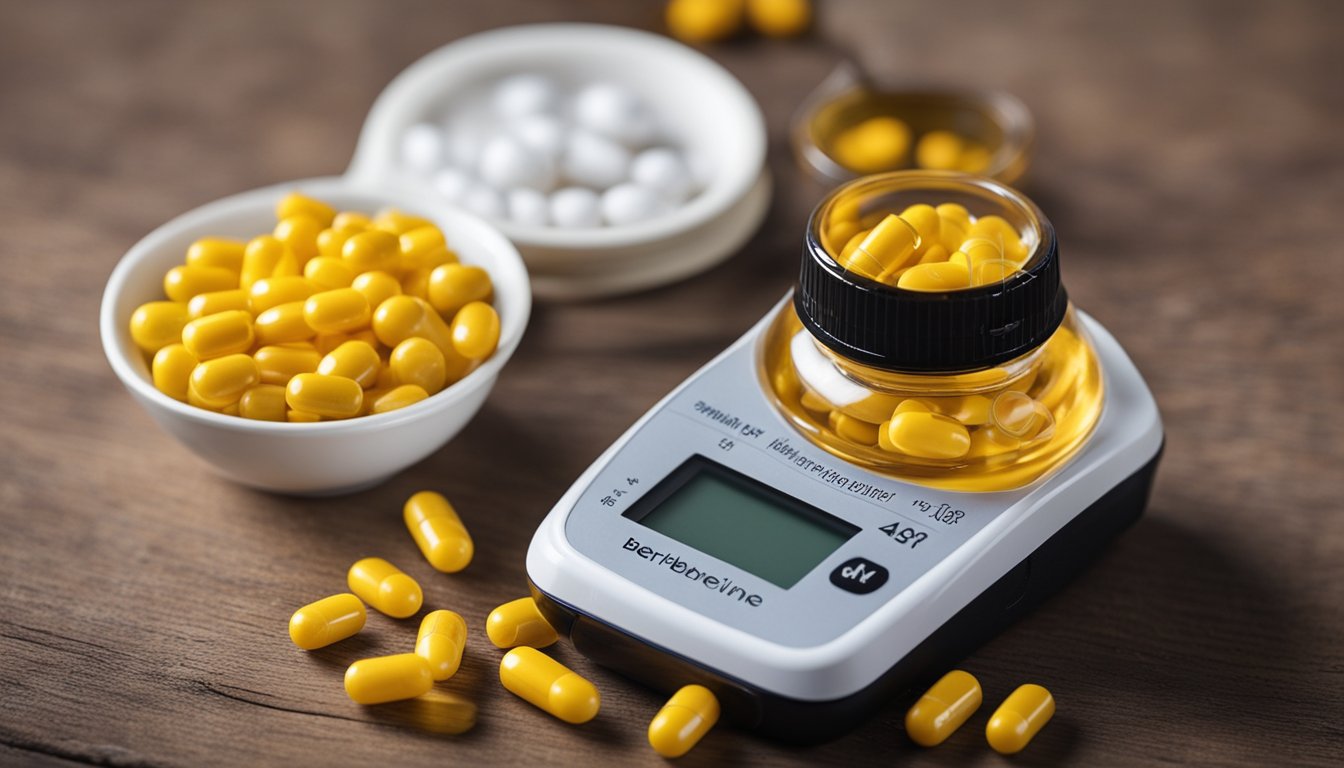
Berberine is an alkaloid found in plants known for its potentially significant effects on carbohydrate metabolism and glucose-lowering properties, making it a promising treatment option for individuals with type 2 diabetes1. As a natural compound, berberine may provide an alternative or adjunct treatment alongside conventional diabetes medications.
Research has shown that berberine can lower blood sugar levels and may be as effective as some conventional diabetes medications for individuals with type 2 diabetes2. Furthermore, treatment with berberine does not appear to increase the incidence of total adverse events or the risk of hypoglycemia3, suggesting that it may be a safe option for diabetes management.
When considering the appropriate dosage and recommendations for berberine use, it is important to consult with a healthcare professional, as individual needs may vary. However, current research provides a promising foundation for the potential benefits of berberine in the treatment of type 2 diabetes.
Footnotes
Frequently Asked Questions
https://www.youtube.com/watch?v=RX9K9_LW5WU&embed=true
What is the recommended dosage of berberine for diabetics?
The recommended dosage of berberine for diabetics may vary, but studies have shown that taking 600-2,700 mg of berberine daily can help lower fasting and long-term blood sugar levels by up to 20% and 12%, respectively1. Another study found that 500 mg of berberine twice daily for up to 3 months improved clinical markers like HbA1c2. It’s essential to consult a healthcare professional to determine the appropriate dosage for individual needs.
Are there long-term side effects of berberine?
While more research is needed to understand the long-term side effects of berberine, it’s generally safe and well-tolerated. Some common side effects may include gastrointestinal issues like diarrhea, constipation, and stomach cramps. It’s always important to discuss potential side effects and risks with a healthcare professional before starting any new supplement3.
How does berberine affect kidney function?
Information about berberine’s direct effect on kidney function is limited. However, since berberine has shown potential in lowering blood sugar levels and improving insulin sensitivity, it may indirectly contribute to maintaining healthy kidney function in diabetic patients by preventing the progression of diabetic nephropathy4. Again, it’s crucial to consult a healthcare professional before taking any new supplement.
What are the benefits of berberine for diabetes?
Berberine has demonstrated multiple benefits for diabetes management. It reduces blood glucose levels by increasing insulin sensitivity, stimulating glucose uptake in cells, and decreasing glucose production in the liver5. Additionally, it may improve lipid levels and help manage blood pressure, which are essential factors in maintaining overall health for people with diabetes3.
When is the best time to take berberine?
The best time to take berberine is about 30 minutes before meals6. Taking berberine with food can help improve its tolerability and possibly enhance its blood sugar and lipid-lowering effects post-meal. However, it can also be taken on an empty stomach if not causing gastrointestinal upset6.
Can berberine be taken before bedtime?
There is no specific recommendation about taking berberine before bedtime. It’s crucial to consider individual preferences and follow the given dosage instructions, which may suggest taking berberine before meals. As always, consult a healthcare professional for personalized guidance on berberine supplementation.