
Bone broth has been a staple in traditional cooking for centuries, and in recent times, it has gained significant attention from the wellness community. This newfound trendiness can be attributed to the various health benefits associated with its consumption, particularly its rich collagen content and the presence of vitamins and minerals. However, the question remains: are these benefits real or merely hype?

The process of making bone broth involves simmering animal bones, such as chicken, beef, or fish, for an extended period, ranging from 24 to 48 hours, allowing the release of nutrients and collagen into the broth. Many proponents of bone broth tout its potential advantages for skin health, overall nutrition, and even digestive support. With the growing popularity of bone broth, it’s essential to delve into the available scientific evidence to determine if these claims are valid or simply a result of clever marketing.
In this article, we will explore the various aspects of bone broth, examining its reported health benefits and whether there’s sufficient evidence to support them. We will also discuss the potential downsides and concerns surrounding bone broth consumption to provide a balanced and comprehensive perspective.
The Fundamentals of Bone Broth

Bone broth is a nutrient-rich liquid derived from simmering animal bones, typically chicken or beef, for an extended period. This process extracts essential nutrients like gelatin, amino acids, phosphorous, and other minerals, providing numerous health benefits when consumed regularly.
The cooking process for bone broth involves roasting the bones for enhanced flavor and then simmering them with a combination of water, vegetables, and spices. It is important to note that bone broth differs from regular broth or stock, as it requires a more extended cooking time to extract the maximum amount of nutrients from the bones. The final product should have a gelatinous texture when cooled, an indicator of the high gelatin content.
Gelatin, a natural byproduct of simmering animal bones, is rich in collagen and is believed to support healthy joints and skin. Bone broth also contains essential amino acids like glycine, proline, and glutamine, which are building blocks for proteins and have a myriad of health benefits.
Phosphorus, one of the nutrients present in bone broth, plays a crucial role in the formation of bones and teeth, as well as maintaining general body health. Other minerals found in bone broth include calcium, potassium, and magnesium, which contribute to overall wellness.
In conclusion, bone broth is not just a culinary ingredient but also a beneficial food with a wealth of nutrients. It can be consumed on its own or incorporated into various recipes, providing a flavorful base for soups, stews, and sauces. Whether you’re a food enthusiast or looking to improve your diet, bone broth offers a versatile and nourishing option.
The Cooking Process
https://www.youtube.com/watch?v=rhpgp776J0I&embed=true
The cooking process for bone broth involves simmering the bones and other ingredients for an extended period. Traditionally, this can range from 12 to 24 hours to extract the maximum nutrients and flavors from the bones. A homemade bone broth can be made using a slow cooker or a pressure cooker, depending on personal preferences.
To begin, gather the necessary ingredients: bones from a variety of sources (e.g., chicken, beef, or fish), water, vinegar, and seasonings such as salt, pepper, herbs, and spices. Vegetables like onions, celery, and carrots can also be added to the mixture to enhance the flavor and nutrient content of the broth.
Before adding the bones to the cooking vessel, they can be roasted to enhance the flavor. Place the roasted bones in the slow cooker or pressure cooker, along with the chosen vegetables and seasonings. Next, add enough water to cover the bones and a splash of vinegar. The vinegar helps to break down the bones and release more of their nutrients into the broth, including collagen and minerals.
Once all the ingredients are combined, set the slow cooker to low heat or the pressure cooker to high pressure. Allow the bone broth to cook for the desired duration, typically between 12 and 24 hours. The longer the simmering time, the richer the nutrients and flavors extracted from the bones.
During the cooking process, a layer of foam may form at the top of the broth, which can be skimmed off using a spoon. This removes any impurities that may have been released during the simmering process.
After the bone broth has finished cooking, strain the liquid to remove any solid ingredients, and let the broth cool. An optional step is to refrigerate the broth to solidify any excess fat, which can be easily removed before reheating and consuming.
In conclusion, the cooking process for homemade bone broth involves a long simmering time and a combination of carefully selected ingredients to extract the maximum nutrients and flavors from the bones. By following these steps, one can create a nutrient-rich bone broth that may offer various health benefits when consumed as part of a balanced diet.
The Nutritional Profile
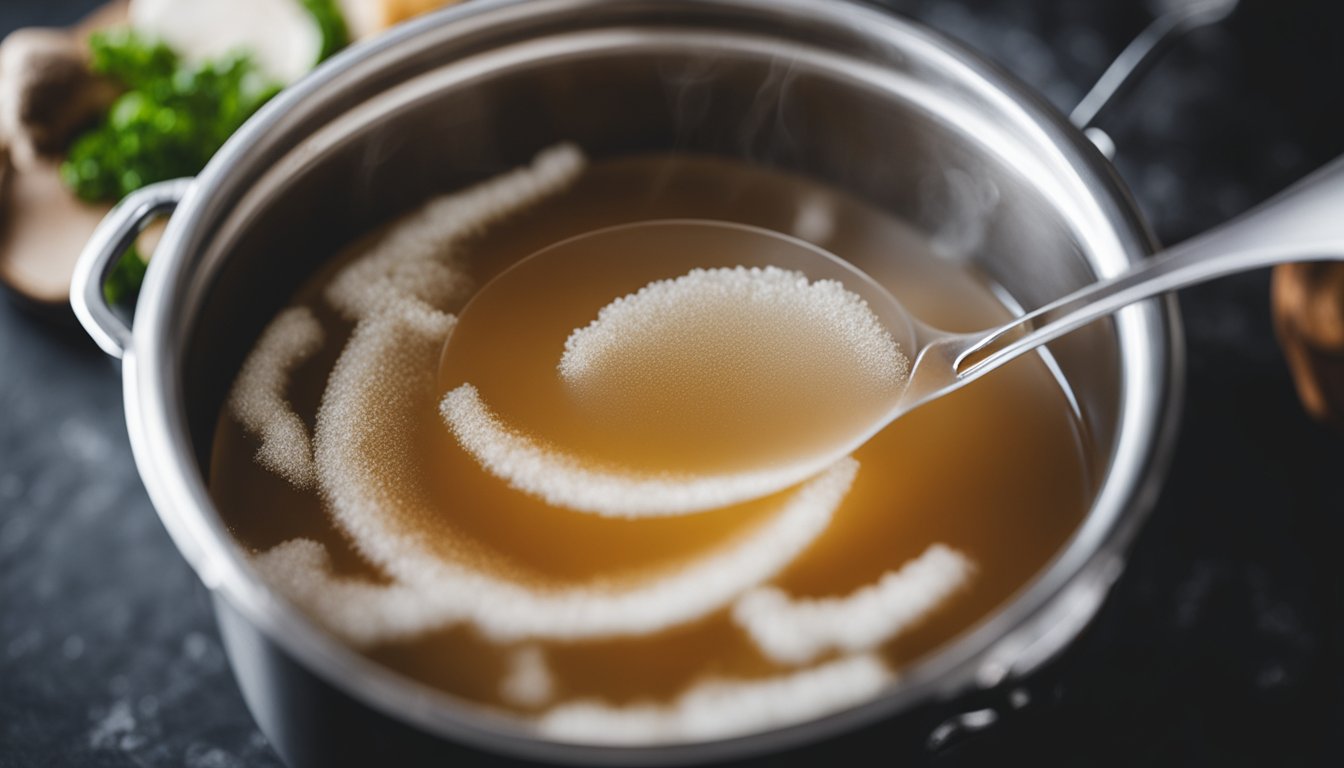
Bone broth is often praised for its rich nutrition profile. One of its main benefits is the presence of collagen, which is a protein that plays a crucial role in the structure of our skin, bones, and connective tissues. When bones are boiled for an extended period, collagen breaks down into gelatin, which, in turn, breaks down into amino acids like glycine. Glycine is an important nutrient for immune function, digestion, and maintaining a healthy central nervous system source.
In addition to collagen, bone broth is a good source of protein. This essential macronutrient helps the body build and repair muscles, regulate metabolism, and build strong tissues. The amount of protein in bone broth varies depending on the type and preparation, but it generally has about 4.7-6 grams per cup source.
When it comes to minerals, bone broth contains calcium, iron, sodium, potassium, and magnesium in varying amounts. Calcium and magnesium are essential for maintaining bone health, while iron is required for red blood cell production and the transport of oxygen. Potassium plays several roles in maintaining the body’s fluid balance and regulating blood pressure, while sodium is necessary for nerve function and muscle contraction source.
The number of calories in bone broth is relatively low, ranging from 31-86 calories per cup source, which makes it an ideal option for those looking for a nutrient-dense, low-calorie food. It is also worth noting that bone broth contains a minimal amount of fat, with just 0.2-2.9 grams per cup source.
In summary, the nutritional profile of bone broth includes:
- Collagen
- Protein
- Calcium
- Iron
- Sodium
- Potassium
- Magnesium
- Low calories
These nutrients contribute to the growing interest in bone broth as a wholesome addition to a healthy diet.
Health Benefits of Bone Broth
https://www.youtube.com/watch?v=2KPa4VHQ9nU&embed=true
Bone broth has gained popularity in recent years due to its potential health benefits. The broth is made from boiling animal bones and connective tissues, which are rich in nutrients like collagen, vitamins, and minerals. Many people consume bone broth to support various aspects of their health, including skin, joints, and digestion.
One of the primary benefits attributed to bone broth is its role in supporting skin health. Collagen in bone broth helps maintain skin elasticity, which in turn can contribute to a youthful appearance. Moreover, the high protein content of bone broth is believed to aid in weight loss, as it can help keep you feeling full for longer periods. This makes bone broth an attractive option for individuals pursuing low-calorie, high-protein diet plans.
Aside from skin health, bone broth is known to support joint health. The collagen, along with other components like chondroitin and glucosamine found in the connective tissues, helps in alleviating joint pain and inflammation. These nutrients can also promote healing and contribute to the long-term health of joints, making bone broth an option for those dealing with joint pain or aging concerns.
Another area where bone broth is praised for its benefits is digestive health. It is believed that the amino acids found in the broth, such as glutamine, can help soothe and repair the mucosal lining of the gut. This, in turn, can alleviate issues like leaky gut and reduce inflammation. Bone broth’s potential to support gut health may also have positive implications for individuals with diabetes, obesity, and heart disease, as better digestive health can contribute to overall well-being.
However, it is important to note that not all bone broth is created equal. Some studies have raised concerns about the presence of toxic metals like lead in certain bone broths. Therefore, it is essential to choose a high-quality source of bone broth to reap its potential health benefits while minimizing any risks associated with contaminants.
In summary, bone broth offers a variety of potential health benefits, ranging from improved skin and joint health to enhanced digestive well-being. Consuming this nutrient-rich concoction may provide a natural and convenient source of nutrients for supporting various aspects of health.
Bone Broth Varieties and Recipes

Bone broth can be made from different types of meats, from chicken to beef, and even fish. The flavor of the broth depends on the type of meat used and the vegetables simmered with it. A common practice when making homemade bone broth is to use organic ingredients to ensure high-quality and nutrient-dense results.
One popular recipe for making bone broth involves simmering bones, apple cider vinegar, and a variety of vegetables for 24 to 48 hours. This extended cooking time allows the collagen and gelatin to be released from the bones and cartilage, which can make homemade bone broth somewhat gelatinous in texture.
There are a few key points to consider when selecting bones for the broth. Beef and chicken bones are the most commonly used, but fish bones can also be a great option, especially for those looking for a lighter flavor. To ensure a rich and savory taste, it’s important to use a mix of bones, including marrow bones, joint bones, and even some meaty bones.
The vegetables used in the broth can be customized based on personal preferences, but usually include staple ingredients like onions, carrots, and celery. Some people also like to include herbs and other seasonings, such as thyme, rosemary, or garlic, to enhance the flavor further.
In addition to homemade bone broth, there are also premade options available. These are often found in shelf-stable packaging and can be an easy solution for those looking for a quick and convenient snack or meal addition. However, it’s essential to examine the ingredient list and look for options without artificial additives or preservatives. Organic, premade bone broths are often the best choice when it comes to quality and flavor.
In summary, bone broth can be made using various types of meat and vegetables. The key to a delicious and nutrient-rich broth is using quality bones, organic ingredients, and allowing it to simmer for an extended period. Whether making it at home or purchasing premade options, bone broth serves as a flavorful and nourishing addition to the diet.
Culinary Techniques and Pairings

Bone broth has gained significant popularity due to its potential health benefits and versatile culinary applications. Professional chefs and home cooks alike have found creative ways to use bone broth in various recipes, from classic soups to modern stir-fries.
In traditional soup recipes, bone broth serves as a nutritious and flavorful base. It can elevate familiar classics such as chicken noodle soup, adding depth and richness to the dish. Additionally, bone broth pairs well with a variety of soups, including vegetable-forward options for vegetarian consumers. The gelatin and nutrients it contains provide an extra level of nourishment and complexity.
Apart from soups, bone broth can be incorporated into a variety of dishes. For example, stir-fries can benefit from the addition of bone broth, as it imparts a rich, umami flavor and tenderizes the meat or vegetables being cooked. In recipes that call for stock or water, substituting bone broth can add a delicious twist, enhancing the overall taste and nutrition of the meal.
Furthermore, bone broth can be used to cook grains, rice, and lentils, replacing water for a more savory and nutrient-dense option. This technique creates a satisfying and nourishing base, perfect for family dinners or special occasions.
Reviews from both professional chefs and home cooks indicate that bone broth is a versatile and valuable ingredient in the kitchen. Its depth of flavor and potential health benefits make it a popular addition to various dishes, from soups and stir-fries to vegetarian options and nutritious family meals.
While the hype surrounding bone broth may continue to grow, it remains clear that it can bring both rich flavor and added nourishment to a wide range of culinary creations.
Addressing the Controversies

In recent years, bone broth has gained massive popularity, often being touted as a superfood with numerous health benefits. However, this supposed miracle cure has faced its share of skepticism and controversies, particularly regarding the validity of the hype surrounding it.
One of the primary sources of controversy stems from the lack of verifiable studies supporting the claimed benefits of bone broth. Several experts, including Dr. David Katz of the Yale University Prevention Research Center, have argued that the hype is based mostly on hearsay and anecdotal evidence, rather than scientific research source.
Another concern when it comes to bone broth is the potential for lead contamination. Some studies have shown that the prolonged boiling of bones could cause lead to leach into the broth source. While the levels found in these studies were below the EPA’s maximum contaminant level, consuming large quantities of bone broth could still pose some risk.
When discussing the mineral content of bone broth, a popular claim is that it is rich in iodine. While it is true that this essential nutrient can be found in bone broth made from fish or seaweed, the iodine content in broths made from land animals is negligible source. It’s crucial for consumers to be aware of this distinction to ensure they are getting the appropriate nutrients from their bone broth products.
Despite the controversies and skepticism, bone broth can still be considered a healthful food when consumed in moderation as part of a balanced diet. While it may not be a miracle cure-all, bone broth does contain essential nutrients, such as collagen, vitamins, and minerals, which can contribute to overall health source. As with any food, it is essential to be conscious of the quality of the ingredients and to remember that healthfulness is the result of a balanced and varied diet, rather than relying on a single food item for all nutritional needs.
Conclusion
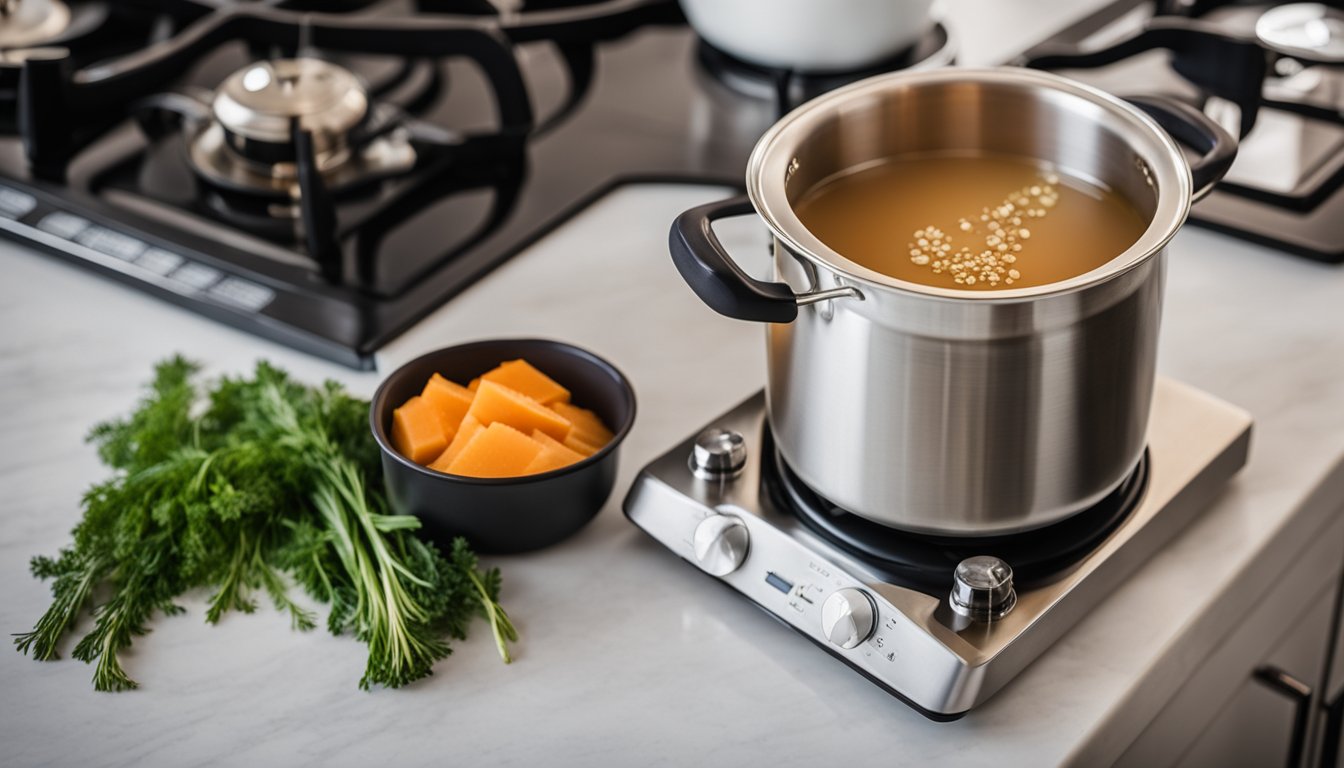
Bone broth has been a popular subject in recent years, with many people touting its potential health benefits. Research and expert opinions suggest that bone broth may provide some nutritional benefits, such as providing key nutrients like collagen, amino acids, and minerals. However, there is still much debate on whether it is significantly different from regular stock or if it stands up to all the hype surrounding it.
One factor to consider when discussing bone broth’s effectiveness is the quality of bones used. It is generally agreed that using bones from healthy, organically-reared animals can lead to a more nutritious broth. This can impact the potential benefits that can be reaped from consuming bone broth regularly.
It is important to approach bone broth with a balanced perspective, understanding that while it may offer some positive health benefits, it may not be a miraculous cure-all. Integrating bone broth into one’s diet can be a healthy addition, but it should not be considered a replacement for a well-rounded, nutritious diet.
In summary, while bone broth may have some nutritional benefits, it is crucial to maintain a balanced perspective on its potential health impacts. As with any food or supplement, it is essential to do thorough research and consult with health professionals before making significant dietary changes.
Frequently Asked Questions
https://www.youtube.com/watch?v=akZZVocJTrc&embed=true
Is bone broth nutritious?
Bone broth is often touted for its collagen content and the vitamins and minerals it may contain source. It can be a nutritious addition to a balanced diet, providing essential nutrients and amino acids. However, the specific nutrient content can vary depending on the bones used, the cooking time, and any additional ingredients.
What is the difference between kettle and fire bone broth and others?
Kettle and Fire is a popular brand of bone broth, known for its high-quality ingredients and slow-simmering process to extract maximum nutrients. Comparatively, other bone broth brands or homemade versions may have varying ingredient quality and cooking methods, which can impact the nutritional content and flavor.
Are there any potential risks associated with consuming bone broth?
While bone broth is generally safe to consume, it’s worth noting that it may contain heavy metals like lead if the bones used come from animals exposed to environmental contaminants source. Always opt for high-quality, organic sources to minimize this risk.
How does chicken bone broth differ from other varieties?
Different types of bone broth include chicken, beef, and fish. The main difference is the animal source used for the bones. Chicken bone broth typically has a milder flavor and may contain slightly different nutrients compared to beef or fish-based broths, depending on the specific ingredients used.
What are the pros and cons of bone broth powder compared to liquid?
Bone broth powder offers the convenience of a shelf-stable, easy-to-use format. You can mix it into various recipes or dissolve it in hot water to create instant bone broth. However, powder forms may have a shorter cooking time or different processing methods, which could impact the nutrient content when compared to liquid bone broths, made through slow-simmering methods.
What benefits can one expect from drinking bone broth regularly?
Consuming bone broth regularly may offer several potential health benefits, including supporting gut health, joint health, and skin elasticity, due to its collagen and essential nutrient content source. It can be a soothing, nourishing addition to one’s diet, especially during the colder months, but it’s not a cure-all and should be combined with a balanced diet and an overall healthy lifestyle for optimal results.