
BPC-157, short for Body Protection Compound, is a synthetic peptide that has garnered attention for its potential healing benefits. Composed of 15 amino acids, this peptide is a sequence that is similar to a part of a natural protein found in the human stomach. Interest in BPC-157 has spiked due to its purported abilities to enhance wound healing, promote muscle and tendon recovery, and potentially protect the nervous system. These effects have made it a subject of discussion among researchers and those looking to advance regenerative medicine.
While BPC-157 is not approved by the FDA, studies primarily in rodent models have shown promising results. The peptide’s mechanisms of action are believed to include the modulation of growth factors involved in angiogenesis (the development of new blood vessels) and the production of collagen, the protein that gives tissues their strength and elasticity. Its implications for use range from aiding in the recovery of soft tissue injuries to potentially providing relief in certain medical conditions affecting the digestive system. The safety profile, side effects, and optimal dosages are under continuous investigation, with emerging data providing insight into its therapeutic potential.
Key Takeaways
- BPC-157 shows potential in enhancing the body’s natural healing processes.
- Its regenerative effects may apply to soft tissues like muscles and tendons.
- Ongoing research is pivotal to understanding its safety and therapeutic applications.
Chemical Structure and Stability of BPC-157
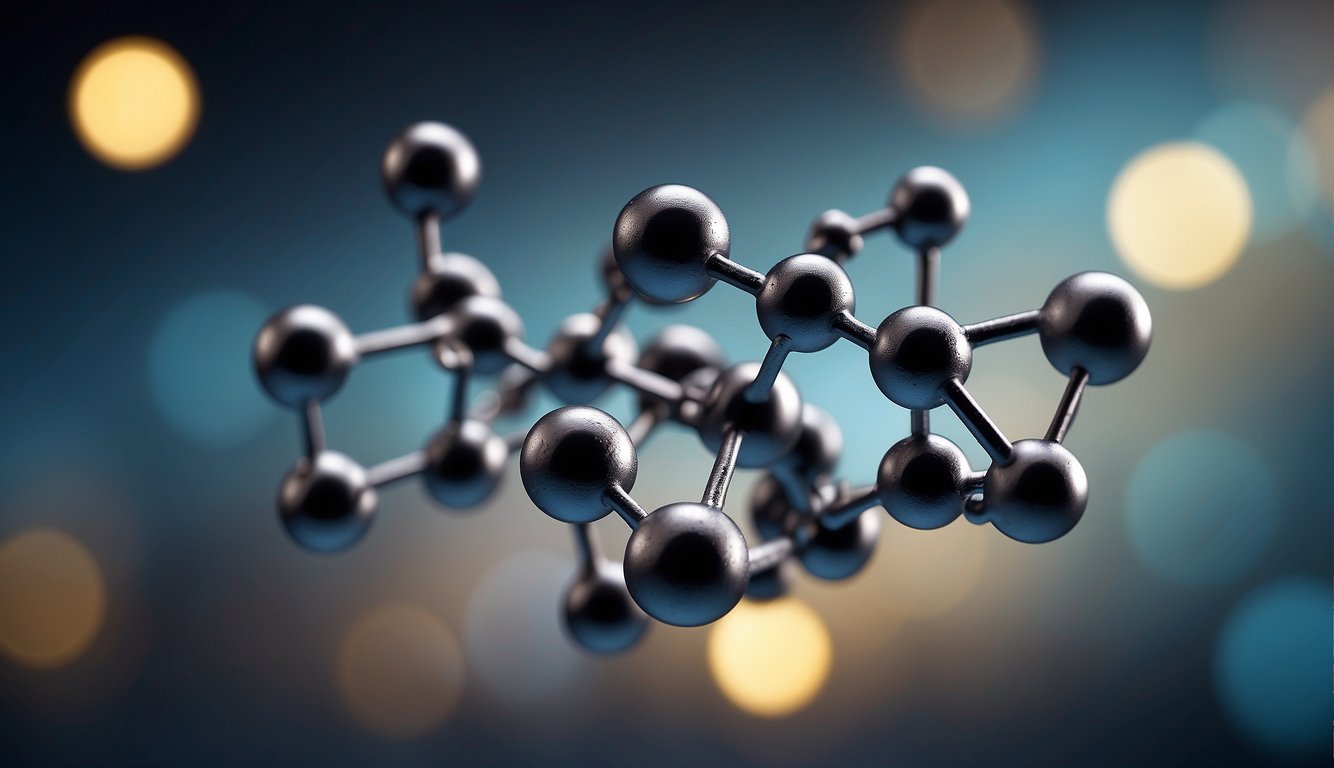
BPC-157 is a pentadecapeptide, which means it is comprised of 15 amino acids, and its unique sequence contributes to its high stability and potential therapeutic effects.
Amino Acids and Sequence
BPC-157, or Stable Gastric Pentadecapeptide BPC 157, is fundamentally a sequence of amino acids. The exact sequence is: Gly-Glu-Pro-Pro-Pro-Gly-Lys-Pro-Ala-Asp-Asp-Ala-Gly-Leu-Val. This peptide chain is the result of a particular amino acid sequence that provides both its structure and function.
Stability in Human Gastric Juice
Your body’s environments can be harsh on peptides, but BPC-157 exhibits an exceptional level of stability in human gastric juice. This trait enables the peptide you use for therapeutic purposes to remain intact, enabling it to potentially perform its healing properties in the gastrointestinal tract. This stability is one of BPC-157’s defining characteristics, setting it apart from many other peptides.
Biological Effects and Mechanisms
In exploring the landscape of BPC-157’s biomedical potential, you’ll find that its effects are closely tied to processes like tissue regeneration and cytoprotection. The following subsections will lay out the specific impacts of BPC-157 in these areas.
Tissue Healing and Regeneration
BPC-157 plays a notable role in tissue healing and regeneration. It has been shown to accelerate the repair of damaged muscles, tendons, and ligaments. This peptide acts by modulating the expression of growth factors, which are critical in the repair and regenerative processes. Its healing benefits have been observed not only in the gastrointestinal tract but also in other damaged tissues throughout the body.
Anti-Inflammatory and Cytoprotective Properties
The anti-inflammatory and cytoprotective qualities of BPC-157 are well-documented. It works by significantly reducing levels of pro-inflammatory markers in your body, leading to a decrease in inflammation and enhancement of the healing process. Moreover, studies have illustrated that BPC-157 exhibits strong cytoprotective activity, preserving cells and tissues from damage, particularly in the gastrointestinal system.
Angiogenesis and Nitric Oxide Synthesis
BPC-157 stimulates angiogenesis, the formation of new blood vessels, which is a vital step in tissue repair and regeneration. This is partly achieved by promoting an increase in nitric oxide synthesis. Nitric oxide is essential for endothelial cell proliferation and new blood vessel formation, and hence, it is intricately involved in the healing process. By improving angiogenic responses, the peptide supports better oxygen and nutrient delivery to injured tissues, facilitating faster recovery.
Healing Abilities in Different Tissues
BPC-157 exhibits a distinctive ability to enhance the healing of various tissues in the body. Researchers have observed its beneficial effects in the gastrointestinal system, the musculoskeletal system, and skin regeneration processes.
Effects on the Gut and Stomach Ulcers
BPC-157 is particularly noted for its protective effects on the gut. Studies have shown that it can significantly accelerate the healing process of stomach ulcers. For example, if you have been experiencing complications from ulcers, BPC-157’s ability to promote the repair of the gut lining could be beneficial. It may help maintain mucosal integrity and contribute to the healing of damaged tissue.
Impacts on Tendons and Joints
When it comes to musculoskeletal injuries, BPC-157 can play a critical role in tendon healing and joint health. It supports the proliferation of tendon fibroblasts and angiogenesis, which is the formation of new blood vessels. Such properties facilitate the repair and regeneration of tendons, potentially offering relief and improved function if you’re dealing with related injuries. The peptide also promotes the outgrowth of tendon explants, which can be linked to enhanced repair mechanisms within your joints.
Skin and Wound Healing
In the realm of skin regeneration and wound healing, BPC-157 has shown promise as well. If you suffer from skin injuries, the peptide can accelerate the healing process by stimulating the formation of granulation tissue and increasing collagen production. Moreover, its anti-inflammatory properties can reduce redness and swelling, making it a valuable ally in the management of both acute and chronic wounds.
Incorporating BPC-157 into treatment protocols may offer a multi-faceted approach to healing in these various tissues, aligning with its profile as a versatile regenerative agent.
Applications in Medical Conditions
Exploring the therapeutic potential of BPC-157, you’ll find its applications span various medical conditions. The peptide has been scrutinized for its healing properties and protective effects across different bodily systems.
Inflammatory Bowel Disease Therapy
If you suffer from Inflammatory Bowel Disease (IBD), BPC-157 might represent a promising treatment. Clinical evidence suggests BPC-157 can improve recovery from gastrointestinal ulcers and shows potential in addressing conditions related to IBD. Studies indicate that BPC-157 enhances the healing of the gastrointestinal tract, making it a beacon of hope for medical professionals seeking novel therapies.
CNS Disorders and Neuroprotection
When it comes to the Central Nervous System (CNS), BPC-157 offers neuroprotective benefits. Research highlights its ability to counteract damage following a reperfusion injury. This extends to potential applications in various CNS disorders, including possibly Multiple Sclerosis, due to the peptide’s systemic effects. The therapeutic properties may be crucial in the gut-brain axis, offering a new angle for CNS treatment regimes.
Musculoskeletal System and Sports Injuries
Your body’s response to musculoskeletal injuries, such as sprains or tears, is critical, especially if you are an athlete or physically active. BPC-157 has garnered interest due to its accelerated healing properties for tendon, ligament, and muscle injuries – notably reducing downtime. The peptide also shows potential for the future treatment of Arthritis, by possibly promoting joint health and mitigating the progression of damage. Explore accelerating healing to learn more about how BPC-157 could bolster your recovery plan.
Safety Profile and Side Effects
When you’re considering the use of BPC-157 Peptide, it’s crucial to understand its safety profile and the potential side effects that have been identified through scientific research.
Toxicity Studies in Animal Models
Toxicity: Extensive studies on BPC-157 have been conducted using animal models, particularly rats, to determine its toxicity levels and overall safety. The results have been promising, with a favorable safety profile emerging from preclinical studies. When administered to rats, BPC-157 did not show significant toxic effects on the liver or other organs, even at doses far exceeding the anticipated therapeutic levels. For more detailed information on these studies, visit Understanding the Safety Profile of BPC-157.
Known Adverse Reactions
Side Effects: While the therapeutic benefits of BPC-157 for humans are still under investigation, some side effects have been reported. These include:
- Mild gastrointestinal discomfort and irritation at the injection site.
- Headaches, although most cases are mild and resolve by themselves.
- Dizziness or feeling lightheaded after taking BPC-157, typically a transient issue.
To learn about individual experiences with BPC-157 side effects, one might consider anecdotal evidence provided by users, as in resources like BPC-157 Side Effects: Separating Fact from Fiction. Remember, it’s important to consult with a health professional before opting for BPC-157 use in your regimen.
Clinical Trials and Research
Your exploration into BPC-157 will reveal a series of clinical trials and concentrated research efforts that have highlighted this peptide’s potential. Authors and scientists have meticulously examined its effects, laying the groundwork for its future in therapeutic applications.
Notable Studies and Authors
- Sikiric and Rucman: These authors are pivotal in the investigation of BPC-157’s healing properties. Their studies form the cornerstone of understanding how BPC-157 operates on a cellular level.
- Seiwerth and Turkovic: Equally important, Seiwerth and Turkovic have contributed significantly to the body of knowledge with in-depth reviews and experimental findings.
The wealth of research has indicated limited adverse reactions to BPC-157, although it remains essential to further understand its mechanisms of action to fully unlock its therapeutic potential. Studies have also examined interactions with corticosteroids and the implications for soft tissue injury recovery.
Potential for Therapeutic Use
-
Ulcerative Colitis and Multiple Sclerosis: Trials have shown BPC-157’s promising results in the treatment of diseases like ulcerative colitis and multiple sclerosis. It is worth noting that no toxicity has been reported in these trials, with BPC-157 being heralded for its cytoprotective activity.
-
Wound Healing and Anti-Inflammatory Properties: The trials have demonstrated BPC-157’s ability to enhance wound healing processes and its anti-inflammatory effects across different organ systems. Its stability and protective nature make it a potential candidate for developing treatments aimed at various injuries and disorders.
Therapeutically, the scope of BPC-157’s efficacy encompasses a variety of uses. From its cytoprotective properties to its facilitation of angiogenesis, research is continuously uncovering new avenues for BPC-157 in medicine. Researchers and reviewers across the globe are building a foundation for BPC-157’s therapeutic application.
Administration and Dosage
When considering BPC-157 for therapeutic applications, understanding the proper methods of administration and dosage guidelines is crucial to ensure safety and efficacy.
Methods of Administration
The peptide BPC-157 can be administered in several ways, each with specific protocols. Injections are a common method, which can be either subcutaneous (under the skin) or intramuscular (directly into the muscle), enabling the peptide to enter your circulation quickly. Alternatively, BPC-157 is also available for oral intake in capsule or liquid form, which is a less invasive option and may be suitable for gastrointestinal issues.
- Injectable: Subcutaneous or Intramuscular
- Oral: Capsules or Liquid
Dosage Considerations and Guidelines
Determining the correct dosage of BPC-157 is essential, and it often varies depending on the purpose of use—whether therapeutic or prophylactic. Dosages are typically measured in micrograms (mcg) and can range widely. A standard starting point for most individuals is around 250 mcg per day, with some protocols suggesting doses up to 500 mcg to 1,000 mcg per day for more significant injuries or damage.
- Starting Dosage: Approximately 250 mcg/day
- Increased Dosages: 500 mcg to 1,000 mcg/day
Your specific needs and response to the peptide will dictate your ideal dosage, which should be approached with gradual increments to monitor effects. Always consult with a healthcare professional before beginning any new supplement regimen.
Frequently Asked Questions
In this section, you’ll find concise answers to common inquiries regarding BPC-157, a peptide known for its healing properties.
What are the potential benefits of taking BPC-157?
BPC-157 has been observed to support the healing of tissues like tendons, joints, and the digestive tract. It is also studied for its potential benefits in promoting tendon and bone healing.
Are there any known side effects associated with BPC-157 usage?
The side effects of BPC-157, particularly in human use, are not well established due to the lack of extensive human clinical trials, making its safety profile uncertain at this time.
What is the recommended dosage for BPC-157 to achieve optimal results?
Dosage for BPC-157 may vary depending on the form of administration and the specific condition being treated. It is recommended to consult with a healthcare professional for an appropriate dosage.
Can BPC-157 be taken orally, and is it as effective as other forms of administration?
While BPC-157 can be administered orally, different forms of administration may affect its efficiency. The effectiveness of BPC-157 when taken orally versus injected would depend on the intended use and tissue targeted.
How does BPC-157 influence weight loss efforts?
Current research on BPC-157 regarding weight loss is limited, so making precise claims about its role in weight management would be speculative.
How soon can one expect to see results after beginning BPC-157 supplementation?
Response time to BPC-157 supplementation may vary, as individual healing processes and responses to the peptide differ. Observable effects could range from days to several weeks.