
Boswellia, also known as Indian frankincense, is a resin that has made its mark not only in historical texts for its ceremonial use but also in the modern era of alternative medicine. Derived from the Boswellia serrata tree, this aromatic resin is tapped from the bark and then purified for various uses. It has been traditionally used in many cultures for its purported anti-inflammatory properties and is incorporated into different forms such as tablets, capsules, and topical creams to support health and wellness.

While research on boswellia’s health benefits is ongoing, its use in Ayurvedic medicine spans centuries, targeting ailments that range from arthritis to asthma. When considering adding boswellia to your wellness regimen, it’s crucial to understand the correct usage and dosage, while also being aware of its safety and potential side effects. The resin contains active compounds known as boswellic acids, which are believed to contribute to its anti-inflammatory effects. As with any supplement, choosing a high-quality product is key to ensuring both safety and efficacy.
Key Takeaways
- Boswellia is tapped from the tree bark and used for its potential health benefits.
- It contains boswellic acids which may have anti-inflammatory properties.
- Quality and correct dosage are important when using boswellia supplements.
Origins and Sources of Boswellia

Boswellia, commonly known as Indian frankincense, has a rich history and is primarily sourced from the dry mountainous regions of India, North Africa, and the Middle East. This resinous extract is tapped from the Boswellia serrata and Boswellia sacra trees, among other species within this genus.
Historical Use and Significance
Historically, Boswellia has played a crucial role in cultural and religious rituals. In ancient civilizations, particularly within the Middle East, the resin, often referred to as olibanum, was highly valued for its aromatic properties and was frequently used in incense and traditional medicines. Its significance extends to Ayurveda, an age-old Indian medical system, where Boswellia’s anti-inflammatory properties have been harnessed for thousands of years.
Major Sources and Varieties
India and Africa are major cultivators of Boswellia, with notable varieties such as Boswellia serrata predominantly found in India, and Boswellia sacra more commonly sourced from the Middle East, particularly in regions like Oman and Yemen.
- Boswellia serrata: This variety, also known as Indian frankincense, is harvested for its gum resin which is used in dietary supplements and aromatic products.
- Boswellia sacra: Sometimes called Omani frankincense, its resin is considered of superior quality, often employed in higher-end perfumes and traditional medicines.
Farmers tap the trees by making incisions in the trunk and collect the exuded resin, which after hardening, is processed for various uses. Each species offers different therapeutic and aromatic profiles, contributing to their diverse applications.
Botanical Profile

Boswellia trees are renowned for their unique aromatic resin, commonly known as frankincense. Understanding their physical characteristics and resin harvesting process is essential to truly appreciate this botanical marvel.
Plant Characteristics
Boswellia, a deciduous plant, thrives in arid, rocky regions. Its appearance is distinctive, with deciduous leaves and papery bark that can be effortlessly peeled away. The trees vary in height, generally between 2 to 8 meters, demonstrating a resilience to the harsh environments they grow in.
- Leaves: Small and deciduous
- Bark: Papery texture, easy to peel
- Height: Ranges from 2 to 8 meters
When you observe these trees, the complex adaptation to their environment is evident, allowing them to conserve water in arid conditions and thrive where few others can.
Harvesting the Resin
To obtain the treasured frankincense resin, a careful process is employed. Harvesters make incisions into the boswellia tree’s bark, from which the sap exudes. Initially, the sap is milky and sticky, but as it is exposed to the air, it hardens into resinous drops known as “tears.”
- Incision method: Tapping the bark
- Sap appearance: Milky and sticky
- Final form: Hardened resin, “tears”
The resin is then collected meticulously, ensuring the tree’s health is maintained, as this is not a one-time harvest—trees can produce resin multiple times throughout their life span.
Therapeutic Compounds and Effects
Boswellia has drawn interest for its therapeutic potential, primarily due to compounds known as boswellic acids. These active ingredients can influence inflammatory pathways in your body, offering potential health benefits.
Active Constituents
The most potent active ingredients in Boswellia are boswellic acids. Among these, acetyl-11-keto-β-boswellic acid (AKBA) is considered the most effective. Boswellic acids are responsible for the anti-inflammatory properties of Boswellia, making the extract a subject of interest for researchers and healthcare professionals looking into natural treatment options.
- Active Boswellic Acids:
- β-boswellic acid
- Acetyl-β-boswellic acid
- 11-keto-β-boswellic acid
- Acetyl-11-keto-β-boswellic acid (AKBA)
Research also indicates that Boswellia may exhibit antioxidant properties, which can contribute to its therapeutic effects by preventing oxidative stress in your tissues.
Mechanisms of Action
Boswellia’s mechanisms of action are mainly attributed to its inhibition of the 5-lipoxygenase (5-LO) enzyme. This enzyme plays a critical role in the production of leukotrienes, which are inflammatory molecules. By inhibiting 5-LO, boswellic acids help to reduce the synthesis of leukotrienes, thereby minimizing inflammation in your body.
- Inhibition Process:
- Boswellic acids block the 5-lipoxygenase (5-LO) enzyme.
- This blockage results in lower production of leukotrienes.
- Reduced leukotrienes lead to decreased inflammation.
Understanding these compounds and biological mechanisms is crucial if you’re considering Boswellia as a complement to your health regimen.
Health Benefits
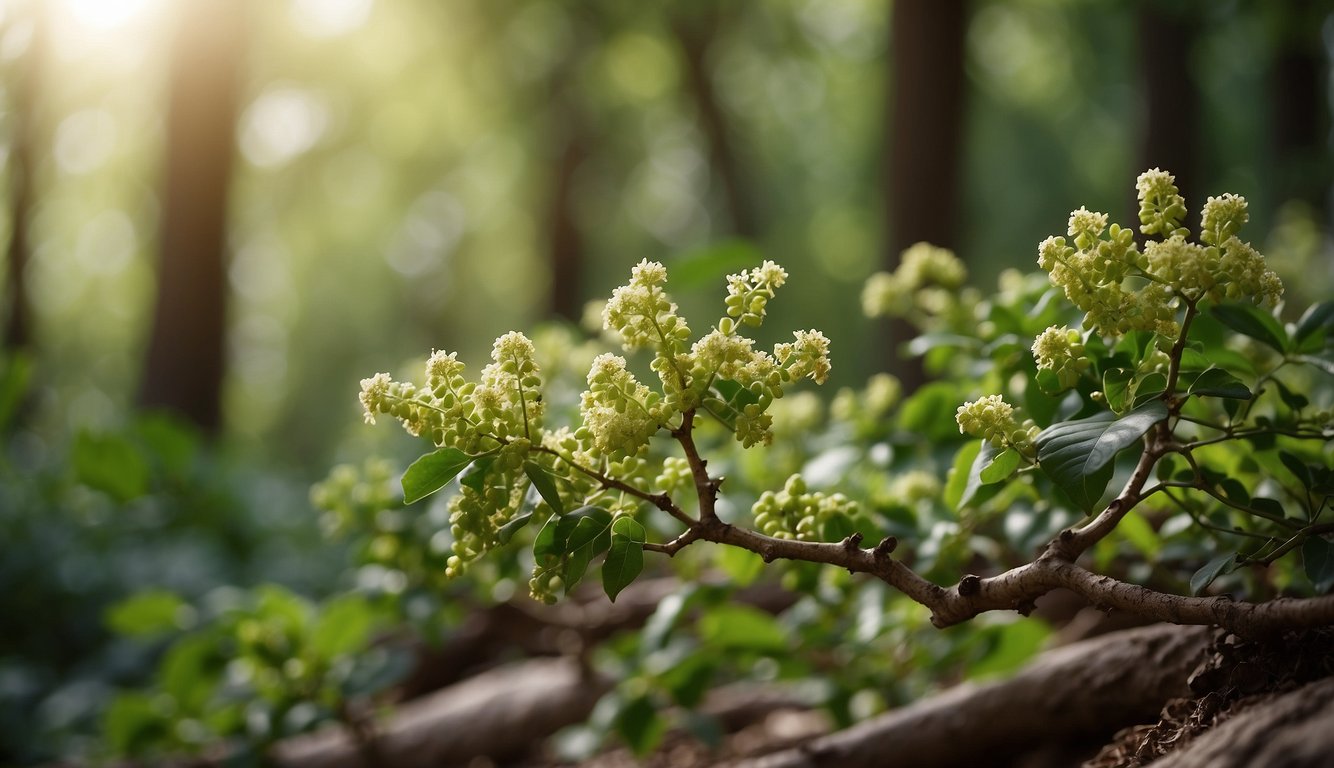
Boswellia, known for its remarkable anti-inflammatory properties, may provide you with relief from various chronic inflammatory issues. The resin, extracted from the Boswellia serrata tree, contains active compounds that can significantly impact your health, particularly in areas concerning joint and muscular support, respiratory health, and gastrointestinal relief.
Joint and Muscular Support
If you’re dealing with joint pain or stiffness, Boswellia might be a supportive natural therapy. It’s been prominently featured in studies targeting osteoarthritis (OA) and rheumatoid arthritis (RA), a form of arthritis where its anti-inflammatory effects can help reduce joint pain and improve mobility. For instance, Boswellia extracts are known to help lower inflammation that contributes to joint discomfort and swelling.
Respiratory Health
Your respiratory health can benefit from Boswellia’s potential to ease inflammatory conditions such as asthma. The extract works on different levels to improve lung function and reduce the frequency of asthma attacks. It handles this by interfering with cytokine production that raises inflammation, essential in asthma’s inflammatory response.
Gastrointestinal Relief
Boswellia may offer relief if you’re experiencing gastrointestinal issues like inflammatory bowel disease (IBD), which includes conditions like Crohn’s disease, colitis, and ulcerative colitis. It helps by reducing inflammation in the gut, offering a soothing effect that addresses the painful symptoms associated with these conditions. It’s worth considering Boswellia extracts for their roles in supporting the management of IBD symptoms.
Safety and Side Effects
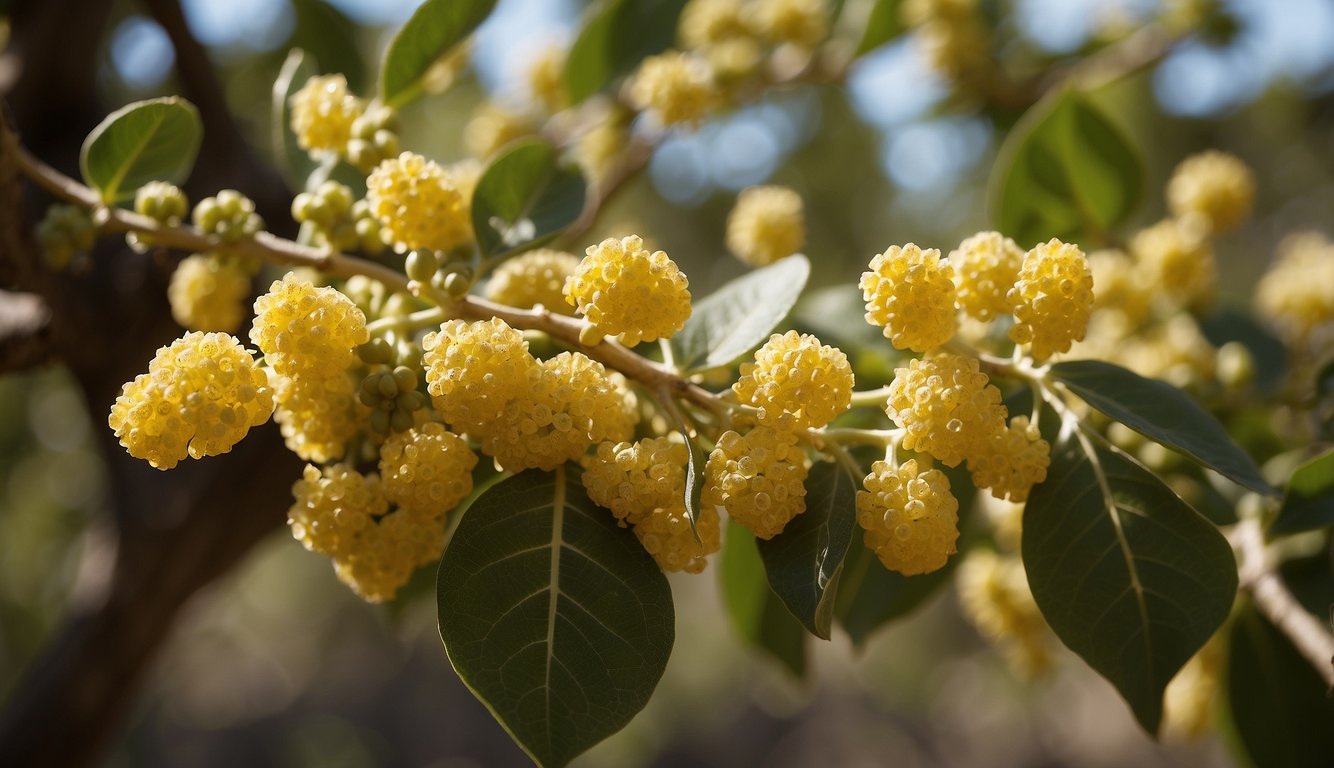
When considering boswellia as a supplement, it is important to be aware of its safety profile and potential side effects. Understanding the contraindications and possible adverse reactions is essential for a risk-free experience, especially if you are pregnant, breastfeeding, or have existing health conditions.
Contraindications
Boswellia is generally considered safe but should be avoided in certain situations. If you are pregnant, it’s advisable to refrain from taking boswellia due to the lack of sufficient studies to determine its safety in this condition. Similarly, for those who are breastfeeding, the effects are not well studied, and caution is advised.
Additionally, if you have a liver condition, it’s important to consult with your healthcare provider before using boswellia, as it may have potential interactions which could affect liver function. Underlying health conditions may also alter how your body processes this supplement.
Possible Adverse Reactions
Some individuals may experience side effects such as nausea, diarrhea, or other gastrointestinal issues when taking boswellia. While these side effects are often minimal, they can be bothersome.
Be mindful of drug interactions if you are already on medication, as boswellia could interact with a variety of medications. It’s significantly important to discuss with your healthcare provider to prevent any adverse effects related to interactions that could potentially risk your health or lead to a miscarriage.
Usage and Dosage
Before embarking on a regimen of Boswellia supplements, it’s essential for you to understand the various forms it comes in and the recommended intake to optimize benefits while minimizing risks.
Forms of Boswellia Supplements
Boswellia is available to you in several delivery methods. Each form offers you distinct concentrations and ways to use the supplement:
- Capsules & Tablets: These are the most convenient forms and contain a powdered version of Boswellia extract.
- Topical Creams: Boswellia-infused creams allow you to apply the extract directly to your skin.
- Essential Oil: The frankincense essential oil, derived from Boswellia, can be used for aromatic therapy or applied topically when diluted with a carrier oil.
Recommended Intake
When considering dosage, aim for the typically recommended 300 milligrams (mg) three times a day as a starting point. It’s important for you to tailor your intake based on your individual health needs and to consider the following:
- Safety: Boswellia is considered safe for most adults when taken in recommended amounts. It’s crucial, however, to monitor for any side effects.
- Medication Interactions: If you are on other medications, be aware that Boswellia may interact with them. Consult with a healthcare provider to ensure there are no contraindications.
- Dosage Adjustments: Depending on your response, your healthcare provider may adjust your dosage.
- Quality of Supplements: Opt for high-quality Boswellia supplements from reputable brands to ensure the safest and most effective experience.
Remember to always consult with your healthcare provider before starting new supplements to ensure they’re appropriate for you and to establish a safe and effective dosage plan.
Quality and Selection
When considering the addition of boswellia supplements to your wellness routine, it is crucial to focus on the quality of boswellia extract and the reputation of the product you choose. Accurate selection can lead to better results and assure you’re receiving a supplement worth your investment.
Evaluating Supplement Quality
To assess the quality of a boswellia serrata extract, first verify if the product has undergone rigorous testing. While the FDA does not approve supplements as it does medications, reputable companies adhere to good manufacturing practices (GMP). Check for GMP certification to ensure that the supplement was produced in a quality-controlled environment.
You should also look for standardized extracts which contain a guaranteed percentage of the active compound, boswellic acids. A standardized product provides a consistent dosage, which is beneficial for effectiveness and safety. Products which provide clear labeling and third-party testing marks tend to offer greater assurance of their quality.
Choosing the Right Product
Select a boswellia product by considering the reputation of the manufacturer and the intended use in Ayurvedic practices. Consult with your healthcare provider to discuss the appropriate dosage for your specific health concerns and to ensure that boswellia is a safe choice for you.
Furthermore, consider the source and potency of the boswellia serrata extract you’re looking to purchase. Look for reviews or clinical research related to the brand or product. Your choice should be informed by clear and trusted information regarding the efficacy of the extract and the reliability of the brand.
Scientific Research

Boswellia has been the focus of numerous scientific studies that investigate its potential health benefits, especially its anti-inflammatory effects that could influence conditions like arthritis and possibly cancer. This robust herb is also examined for its efficacy in clinical settings.
Clinical Trials
Arthritis: Boswellia’s effectiveness against arthritis symptoms has been clinically tested. You might find interest in a systematic review and meta-analysis which showed that Boswellia could serve as an anti-inflammatory and analgesic agent, making it a promising alternative for osteoarthritis treatment.
Anti-inflammatory Effects: The active component in Boswellia, known as acetyl-11-keto-β-boswellic acid (AKBA), is of particular interest to researchers due to its anti-inflammatory properties. Clinical trials investigating AKBA suggest that it can play a crucial role in reducing inflammation related to various diseases.
Emerging Studies
Cancer Research: Emerging studies are examining the potential cancer-fighting properties of Boswellia. While still in the early phases, these studies are looking into the mechanisms by which Boswellia could help inhibit cancer cell growth.
Phytomedicine: As a recognized phytomedicine, Boswellia is continually being studied for its broad pharmacological effects. While strong claims cannot be made without further evidence, the ongoing research in phytomedicine indicates a growing interest in Boswellia’s therapeutic potential beyond its traditional uses.
Recent engagement by institutions such as the Arthritis Foundation shows a trend towards acknowledging the potential benefits of herbal supplements like Boswellia in the management of chronic inflammatory conditions. However, always seek professional medical advice before integrating any supplement into your health regimen.
Frequently Asked Questions
Before diving into the specifics, it’s important for you to understand that Boswellia, also known as Indian frankincense, is an herbal extract with properties that may be beneficial for health, but it also comes with necessary precautions and guidelines for its use.
What are the potential health benefits of taking Boswellia?
Boswellia has been traditionally used in Ayurvedic medicine and is suggested to help reduce inflammation, which might benefit people with conditions like arthritis or asthma.
Are there any risks associated with Boswellia and liver health?
Although Boswellia is generally considered safe, some rare cases have suggested that there may be risks when used in high doses or over extended periods. It’s crucial to consider liver health before beginning any new supplement.
Can individuals with specific health conditions safely use Boswellia?
If you have a health condition, especially one related to the immune system or inflammation, Boswellia could potentially offer benefits. However, consult with a healthcare provider to ensure it’s appropriate for your specific situation.
Does Boswellia interact with blood thinning medications?
Yes, Boswellia may impact blood clotting and could interact with blood thinning medications. You should always talk to your doctor before combining it with other medications.
What are the recommended guidelines for Boswellia dosage and administration?
Dosage guidelines can vary, and there’s no one-size-fits-all answer. Factors like the form of Boswellia, the reason for usage, and your individual health should guide proper dosage and administration. Always follow product-specific recommendations and seek professional advice.
How does Boswellia influence cognitive function or neurological health?
Research on its impact on cognitive function or neurological health is limited, but some studies suggest that its anti-inflammatory properties could influence neurological health. More research is needed in this area to make definitive claims.