
Goldenseal is a perennial herb native to North America, renowned for its broad range of medicinal properties. Known scientifically as Hydrastis canadensis, it has a long history of use in traditional medicine, particularly among Native American cultures. With its distinctive yellow root, which contains a variety of alkaloids, goldenseal has been used to address numerous health conditions. The key compounds such as berberine and hydrastine are thought to be responsible for goldenseal’s therapeutic effects.

In modern herbal practice, goldenseal is sought after for its potential to support the digestive system, respiratory health, and skin integrity. It’s also used to promote the health of the reproductive and urinary systems. Although readily available in various formulations, including tinctures, capsules, and creams, it’s important to use goldenseal responsibly due to its potent nature and the precautions associated with its use. Noting the need for moderation and the possible side effects is as crucial as understanding goldenseal’s potential benefits.
Key Takeaways
- Goldenseal is valued in traditional medicine, especially in North America, for its broad-spectrum health benefits.
- This herb’s active compounds, such as berberine, contribute to its effectiveness in supporting digestive and respiratory health.
- When using goldenseal, one should consider appropriate dosages and potential side effects to ensure safe consumption.
Historical Significance

Goldenseal, often known as yellow puccoon, holds a significant position in traditional herbal medicine. Your exploration of its history reveals a rich legacy of use by Native Americans, and its eventual adoption into Western herbal practices.
Traditional Use by Native Americans
Goldenseal was a go-to remedy for the Native American tribes, utilized for various health concerns. The Cherokee, for instance, relied on it for treating cancer, snake bites, and as a general health tonic. Not just the Cherokee, various tribes considered the yellow root—a defining feature of goldenseal—as a treatment for skin diseases, eye irritations, and digestive problems. The Iroquois used it as a whooping cough remedy, a digestive aid, and for heart problems.
Integration into Herbal Medicine
As settlers observed the benefits attributed to goldenseal by Native American tribes, it found its way into American herbal remedy books. Known for its bright yellow root, goldenseal became a staple in early herbal remedies for its purported antimicrobial and anti-inflammatory properties. Early American herbalists integrated goldenseal into treatments for digestive issues, skin conditions, and as a dye due to its distinctive color, enriching the pharmacopeia of traditional herbal medicine.
Chemical Composition
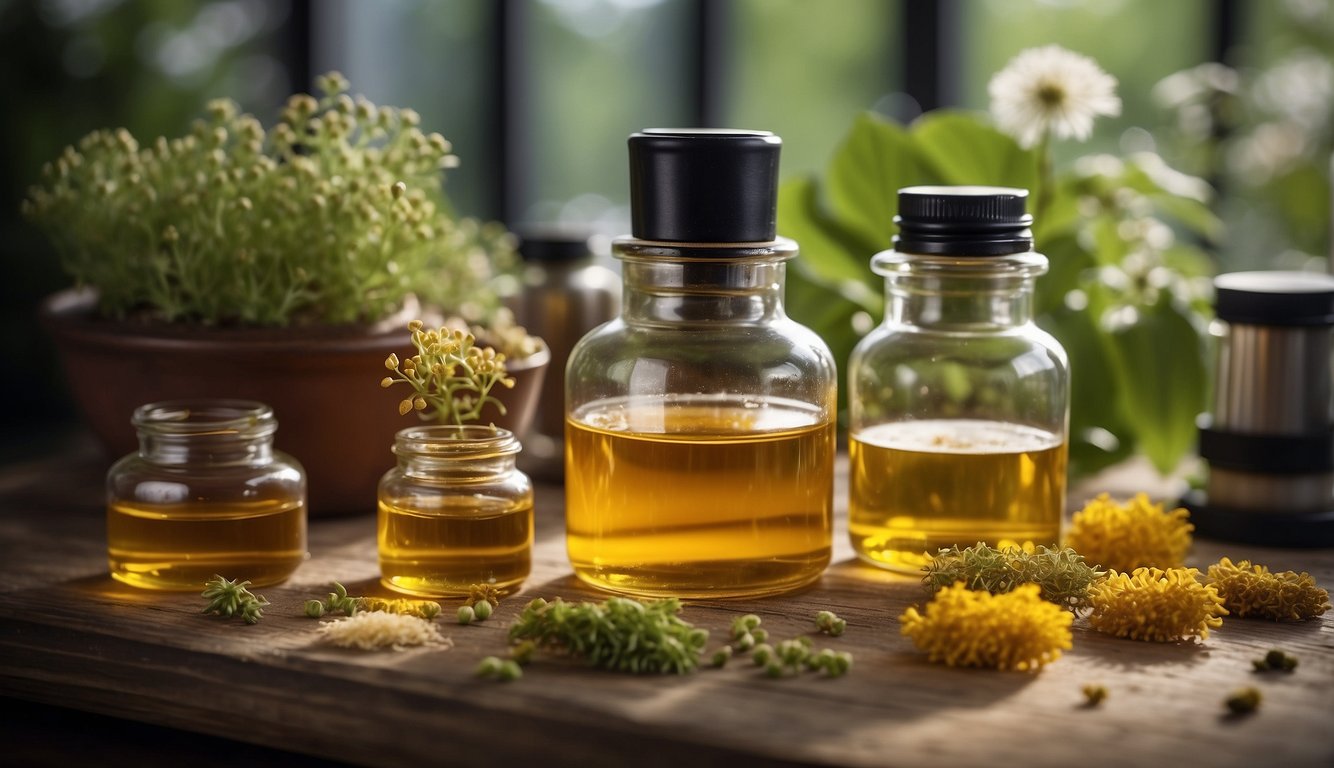
Your understanding of goldenseal’s healing properties hinges on its chemical composition, which is rich in beneficial alkaloids. These compounds are primarily responsible for the herb’s medicinal effects.
Alkaloids and Active Compounds
Goldenseal contains several alkaloids, which are nitrogenous organic compounds with significant pharmacological effects. The key alkaloids in goldenseal include berberine, hydrastine, and canadine.
- Berberine: This is the most studied alkaloid found in goldenseal. It is recognized for its antimicrobial and anti-inflammatory properties, as well as its potential in lowering blood sugar levels and improving heart health.
- Hydrastine: Found alongside berberine, this alkaloid may contribute to the herb’s therapeutic effects, especially in the circulatory and vascular systems.
- Canadine: Though less researched, canadine is another component that may play a role in goldenseal’s overall health-promoting profile.
Berberine and Other Notable Alkaloids
Berberine stands out among goldenseal’s alkaloids for its broad-spectrum therapeutic effects. It has been shown to exert multiple health benefits:
- Antimicrobial: It can fight a variety of microorganisms, including bacteria, viruses, fungi, and parasites.
- Anti-inflammatory: Berberine may help in reducing inflammation, a key factor in many chronic diseases.
- Cardioprotective: Studies suggest that berberine can improve heart health by reducing cholesterol levels and blood pressure.
- Gastrointestinal Protection: It may also protect the digestive system by supporting gut health and function.
In addition to berberine, hydrastine and canadine further complement the chemical composition that underscores goldenseal’s potential as a healing herb.
Therapeutic Effects
Goldenseal, a long-respected botanical, is renowned for its therapeutic effects, especially its anti-inflammatory, antibacterial, and immune system support properties.
Anti-Inflammatory Properties
Goldenseal is noted for its anti-inflammatory properties, which are primarily attributed to the presence of alkaloids like berberine. Such compounds can act on your body’s mucous membranes, potentially reducing inflammation and contributing to overall health benefits.
Antibacterial and Antimicrobial Activity
The plant’s root contains berberine, which has demonstrated antibacterial and antimicrobial activity. This means that when you use goldenseal, you may be helping to fight off various infections, as this component is hostile to many pathogens that cause illness.
Immune System Support
Supporting the immune system is another key benefit of goldenseal. Its phytochemicals, including the aforementioned alkaloids, may offer you immune support by enhancing the activity of your immune cells, offering a protective effect against microbial and viral threats.
Goldenseal and Digestion
Goldenseal is known for its potential to support your digestive health. It’s been traditionally used to help with various digestive disorders and assist liver function.
Digestive Disorders
If you’re experiencing digestive discomfort, goldenseal may help. It contains berberine, an active compound known for its antimicrobial properties that could potentially alleviate issues like diarrhea and constipation. Berberine in goldenseal can help normalize the digestive process and has been used to manage symptoms such as gas and an upset stomach.
- Diarrhea: Goldenseal’s berberine may help reduce the duration and severity.
- Constipation: It might aid in stimulating digestion and bowel movement.
- Appetite: Occasionally, goldenseal is used to promote appetite, though evidence is anecdotal.
- Gas: Its potential soothing effect on the digestive tract might reduce gas and bloating.
Liver Function and Detoxification
Your liver’s health is crucial for detoxification and digestion. Goldenseal is sometimes used as a detoxifying agent. This herb may support the liver’s ability to process and eliminate toxins due to its potential cleansing effects.
- Liver Support: Berberine’s properties might assist your liver in detoxification efforts.
- Detoxification: Historically, goldenseal has been used for its possible beneficial impact on the liver’s cleansing capability.
By utilizing goldenseal as part of your health regimen, you may support both your digestive system and liver function, although you should approach its use with the guidance of a healthcare provider, as scientific evidence is still evolving and its use is not without possible side effects or contraindications.
Respiratory and Skin Health
Goldenseal is recognized for its efficacy in treating several conditions affecting your respiratory and skin health. Its active component, berberine, plays a crucial role in these therapeutic effects.
Treating Respiratory Infections
Goldenseal has gained popularity for its ability to address respiratory tract infections. If you are battling the common cold or flu, goldenseal may help reduce your symptoms. The herb is known to soothe an irritated throat, which can be particularly comforting during a respiratory illness. In cases involving sinus conditions or allergies, it’s believed that goldenseal may help diminish inflammation, potentially providing relief from these ailments.
- Common Respiratory Conditions:
- Common cold
- Flu
- Sinusitis
- Allergic rhinitis
The antiviral and antibacterial properties attributed to goldenseal suggest its usefulness in fighting infections, although it’s important to consult healthcare professionals for severe cases. For more information, consider the insights on Healthline.
Benefits for Skin Conditions
When it comes to skin care, goldenseal’s antimicrobial and anti-inflammatory characteristics may be beneficial, especially for skin conditions like acne and psoriasis. Goldenseal can be applied topically in cream form, helping to combat bacterial skin infections that can lead to or exacerbate acne.
- Skin Conditions Addressed:
- Acne
- Psoriasis
- Skin infections
Additionally, for skin issues such as minor wounds or rashes, goldenseal’s soothing properties can promote healing. It is, however, crucial to approach skin treatment with caution and seek medical advice for serious skin conditions. Explore more on the topic from Healthy Focus.
Reproductive and Urinary Systems
Goldenseal is reputed to have therapeutic effects on the urinary and reproductive systems due to its antimicrobial and anti-inflammatory properties. Its use in these areas is becoming more popular as individuals seek natural remedies.
Urinary Tract Infections
For urinary tract infections (UTIs), goldenseal may be beneficial due to its active component, berberine, which can act as an antimicrobial agent. You might find relief from the discomfort of UTIs as goldenseal is said to help combat the bacteria responsible.
- Method of Use: Typically consumed as a tea or supplement.
- Precaution: Consult with your healthcare provider to ensure it is safe for you, particularly if you’re on medications or have health conditions.
Applications in Reproductive Health
With regards to reproductive health, particularly in the context of the vagina, goldenseal may be used to support a healthy vaginal flora. During pregnancy, however, it’s critical to consult a healthcare professional before using goldenseal, as its effects on pregnancy are not thoroughly understood.
- Vaginal Health: Can be applied as a topical formulation.
- During Pregnancy: Avoid self-medicating; professional guidance is essential.
Remember, while goldenseal shows potential, it is paramount to consult with a healthcare provider for personalized advice and to ensure its suitability for your specific health needs.
Goldenseal Formulations

When exploring the different ways you can incorporate goldenseal into your wellness routine, you’ll find that it is available in several forms, each offering specific application methods and concentrations. Understanding the difference between teas, tinctures, capsules, and extracts can help you choose the right formulation for your needs.
Teas and Tinctures
Goldenseal can be prepared as a tea using the dried leaves or root. This method allows you to extract the active constituents at a mild concentration, which can be soothing for digestive or respiratory concerns. To prepare, steep a teaspoon of goldenseal in a cup of hot water and drink it once it has cooled to a safe temperature.
Tinctures, on the other hand, are a more concentrated form of goldenseal and involve alcohol or glycerin. These are taken in small quantities, typically measured in drops, and can be directly placed under your tongue for quick absorption or added to a small amount of water.
Capsules and Extracts
For convenience and consistent dosing, capsules containing powdered goldenseal root or rhizome are widely available. These are particularly beneficial if you prefer not to taste the herb and desire a simple addition to your daily health regime.
Extracts are potent concentrations typically available in liquid form, sometimes also labeled as “liquid extracts” or “fluid extracts”. The extracts provide a strong dosage of goldenseal’s alkaloids like berberine and are used for their purported antimicrobial and immune-boosting properties. Remember to heed the recommended dosages on product labels, as the potency of extracts can vary significantly between brands.
Usage Precautions and Side Effects
When considering goldenseal, your safety is paramount. Be aware of potential side effects and drug interactions before use.
Important Safety Information
Goldenseal is typically considered safe for short-term use in adults at recommended dosages. However, extended usage may lead to digestive issues such as nausea, diarrhea, or constipation. It’s crucial to consult with a healthcare provider before taking goldenseal, especially if you are pregnant or breastfeeding, as it may pose risks. High doses are particularly dangerous, potentially leading to seizures, respiratory failure, and even coma.
Common Side Effects Include:
- Nausea
- Vomiting
- Irritation of mucous membranes
Special Precautions for:
- Pregnant Women: Avoid use, as goldenseal may affect the uterine muscles.
- Breastfeeding Mothers: Refrain from use, there is insufficient evidence to ensure safety.
Potential Drug Interactions
Goldenseal contains berberine, which can affect how your body processes various drugs.
Notable Interactions include:
- Medications that are changed by the liver: Goldenseal may alter the breakdown of these drugs, potentially increasing side effects.
- Blood-thinning medications: Using goldenseal with these drugs may increase the risk of bleeding.
Always consult with a healthcare provider before combining goldenseal with any ongoing medication regime.
Ingesting goldenseal in alignment with the recommended dosage is crucial to mitigate adverse effects. Remember, natural doesn’t always mean safe. Your diligence in understanding these precautions and side effects is key to harnessing goldenseal’s benefits while maintaining your health and well-being.
Frequently Asked Questions
In this section, you’ll find detailed answers to some common inquiries about goldenseal’s health implications, focusing specifically on its applications and safety considerations.
What are the benefits of goldenseal for skin health?
Goldenseal is known to have antibacterial properties that may benefit your skin health, particularly in healing skin issues such as rashes and minor wounds. It’s often found in topical creams and ointments.
What are the potential risks of consuming too much goldenseal?
Consuming too much goldenseal may lead to digestive issues, nervous system complications, and can interfere with the metabolism of various medications. It’s important to adhere to recommended dosages.
Can goldenseal be used as an antibiotic alternative?
Goldenseal contains berberine, a compound with antibiotic qualities, making it a popular alternative for treating bacterial infections, especially in the digestive system. However, it’s essential to consult healthcare providers before using goldenseal as an antibiotic.
In what ways can goldenseal powder be utilized?
Goldenseal powder can be used to make tinctures, capsules or teas, and these forms can be used to support digestive and respiratory health. It can also be applied topically as a paste to help with skin issues.
What is the recommended dosage for goldenseal to treat sinus infections?
The recommended dosage for treating sinus infections typically ranges from 250 to 500 mg of standardized goldenseal extract three times daily. It is important to consult with a healthcare provider for personalized advice.
Does goldenseal possess anti-inflammatory properties?
Yes, goldenseal is known to exhibit anti-inflammatory properties, which could be beneficial in alleviating inflammation-related symptoms in conditions such as respiratory infections or skin irritation.