Central Channel Breathing is a powerful technique that involves consciously directing the breath through the central channel of the body, from the crown of the head to the base of the spine. This practice is believed to promote a state of balance and harmony in one’s energy field, leading to a heightened state of consciousness and well-being. By focusing on the breath and its flow through the central channel, practitioners can connect to their inner energy centers and facilitate a deeper, more meaningful sense of connection with themselves and the world around them.
The central channel is often referred to as the energy pathway or ‘pranic tube’ which runs vertically through the center of the body, connecting various energy centers or chakras. Central Channel Breathing technique encourages the practitioner to breathe deeply and consciously, in a way that brings awareness to this central energy pathway. By breathing in this manner, it is believed that the individual creates an opportune environment for the free flow of energy or prana, leading to a state of harmony and balance within the body, mind, and spirit.
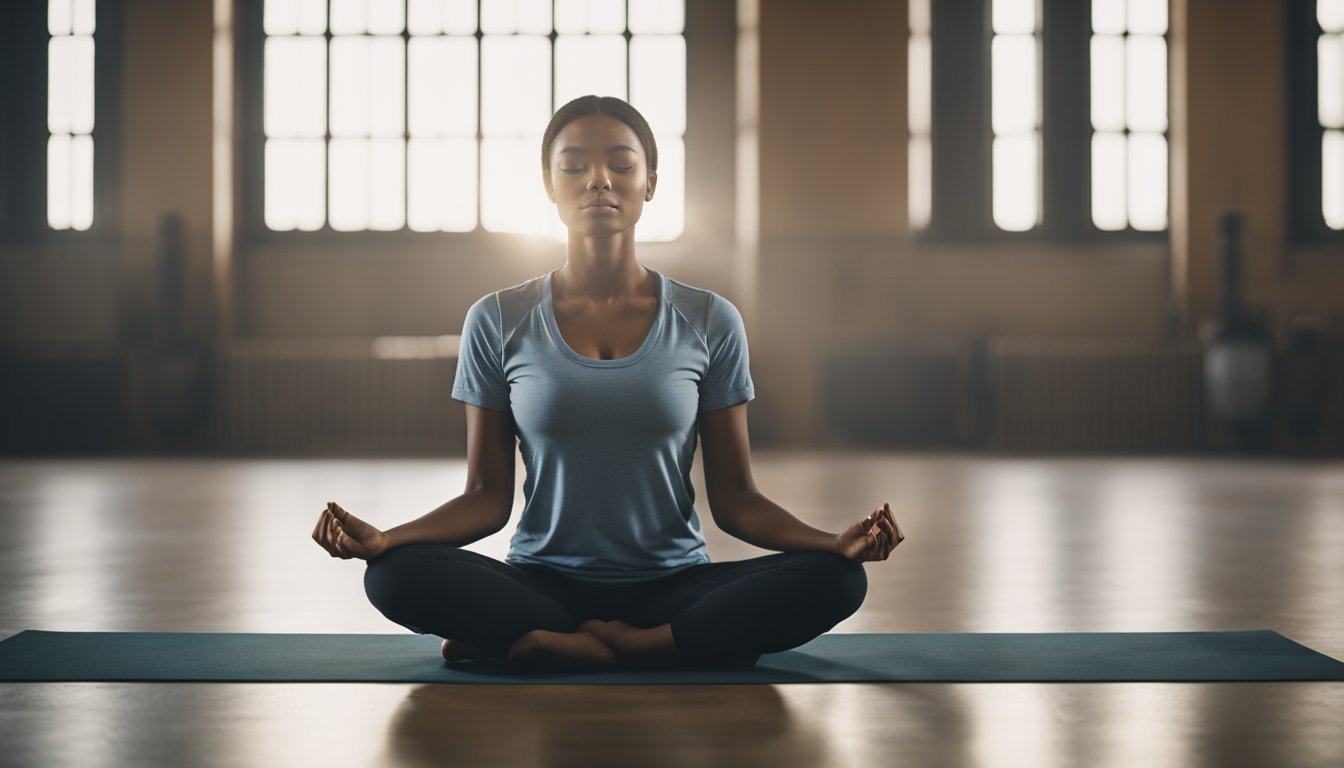
To practice Central Channel Breathing, one begins by sitting in a comfortable, upright position, with a relaxed yet alert posture. Focusing on the breath, the individual is guided to breathe through the nose, imagining the breath beginning about two inches above the head, and consciously directing it to flow through the center of the brain, throat, heart, and belly, before exhaling and grounding the breath into the earth. As one becomes more adept at this technique, they may experience an increased sense of well-balanced energy, heightened awareness, and spiritual alignment.
Understanding Central Channel Breathing
https://www.youtube.com/watch?v=MWX3SrEsd7Q&embed=true
Central Channel Breathing is a breathwork technique aimed at moving energy and consciousness up and down the central channel of the body. This practice is an effective method to enliven energy, reduce stress, and improve concentration. The focus and control required to perform Central Channel Breathing makes it a powerful exercise for anyone looking to enhance their well-being.
To begin Central Channel Breathing, it is essential to sit upright and focus on using the nose for inhaling and exhaling. The breath should start about two inches above the head and move consciously through the center of the brain, throat, heart, and into the belly. As you breathe in, allow your belly to expand, and as you exhale, direct the breath down through the central channel and into the earth source.
Some practitioners might incorporate the use of anchor points during Central Channel Breathing. This involves squeezing specific points in the body as one breathes in order to deepen their focus and enhance the energy flow source.
Central Channel Breathing can also be complemented by various meditation practices to improve spiritual alignment and bring a sense of calmness to the practitioner source.
When practiced consistently, Central Channel Breathing can offer numerous benefits to the practitioner, such as heightened energy, clarity of mind, and an overall sense of balance. By incorporating this powerful breathwork technique into one’s routine, it is possible to harness the potential of the central channel and elevate one’s consciousness.
Concept of Central Channel in Yoga
https://www.youtube.com/watch?v=k4dbYiHUggg&embed=true
The Central Channel, also known as the Sushumna Nadi, is a key concept within most schools of Yoga. This channel is considered the main energy pathway in the human body, playing a crucial role in one’s spiritual development and well-being. The Sushumna Nadi runs along the spine, starting from the base and extending to the crown of the head.
In traditional Indian medicine and spiritual practices, the Sushumna Nadi is believed to be the channel through which life force energy, or prana, flows within the body. This energy pathway is essential for maintaining balance and harmony between the two complementary aspects of our being – the active (Pingala Nadi) and passive (Ida Nadi) energies.
Practitioners work on activating and purifying the Sushumna Nadi to allow for the smooth flow of energy. This can be achieved through a combination of yoga postures, breathing exercises, and meditation practices. One effective method to stimulate the central channel is Nadi Shodhana Pranayama, also known as alternate nostril breathing. This practice helps to cleanse and purify the energy channels, promoting balance and fostering a deeper connection with one’s inner self.
Asanas, or yoga postures, that awaken the Sushumna Nadi focus on aligning the spine and opening the energy centers along this central channel. These postures may include standing, seated, and inverted poses, allowing for the release of any accumulated tension or blockages in the energy flow. Regular practice of these asanas promotes a strong and flexible spine, which supports the activation of the central energy channel.
In addition to physical practices, mantras or sacred chants are often used for Nadi purification. These powerful sound vibrations stimulate the subtle energies within the body, creating a resonant effect that harmonizes and aligns the Sushumna Nadi.
By understanding and incorporating the concept of the Central Channel in one’s yoga practice, practitioners can progressively unlock their true potential and experience an enhanced state of well-being, leading to a more balanced and fulfilling life.
Physiology of Breathing
https://www.youtube.com/watch?v=GD-HPx_ZG8I&embed=true
Breathing is a fundamental biological process necessary for life. It involves the continuous exchange of gases between our body and the environment. Breathing is divided into two main phases: inhalation and exhalation. During inhalation, oxygen-rich air is taken in through the nose and mouth, while exhalation involves the release of carbon dioxide from the body.
The physiology of breathing is a complex process regulated by various muscles and the nervous system. In central channel breathing, the breath is imagined to flow from about two inches above the head, through the center of the brain, throat, heart, and into the belly. The process begins with inhaling through the nose. As the air is inhaled, it passes through the nasal cavity, throat (pharynx), and into the lungs.
Inside the lungs, the oxygen is absorbed into the bloodstream, while carbon dioxide is released from blood cells and expelled from the body during exhalation. The process of energy exchange occurs in tiny air sacs called alveoli, where the surface area for gas exchange is maximized.
Breathing is controlled by the brain’s respiratory center, which regulates the rate and depth of breathing to meet the body’s oxygen demands and remove carbon dioxide. This balancing process ensures normal physiology is maintained. For instance, during physical exertion, the breathing rate increases to supply more oxygen to the working muscles and remove excess carbon dioxide produced by metabolism.
Central channel breathing aims to consciously control and direct the breath to specific areas of the body. This technique is thought to promote relaxation, improve mindfulness, and increase the flow of energy through the body. Practitioners focus on engaging the diaphragm and expanding the belly during inhalation to ensure they are taking deep, controlled breaths.
In summary, the physiology of breathing is a finely tuned process involving the coordination of muscles, blood vessels, and nerves. Central channel breathing aims to maximize the benefits of this process by focusing on intentional breath control to enhance energy flow and promote overall well-being.
Integration of Central Channel Breathing in Daily Life
https://www.youtube.com/watch?v=eLXib-M7y2I&embed=true
Central Channel Breathing is a powerful technique that can be easily integrated into daily life to enhance overall well-being. This practice involves moving energy up and down the central channel using the breath, directing it through the head, throat, heart, and into the belly link to search result. By developing awareness of the central channel, individuals can feel more connected to the earth, experience greater peace, and improve their ability to handle stress.
Parents, in particular, can benefit from incorporating Central Channel Breathing into their daily routines. As they juggle multiple responsibilities and face numerous challenges, this technique can provide a moment of stillness amidst the chaos. It allows them to reconnect with their inner peace, leading to improved emotional stability and stronger bonds with their children.
One way to incorporate this practice into daily life is through brief, focused sessions in the morning or evening. By setting aside just a few minutes each day for Central Channel Breathing, individuals can build the habit and reap its benefits consistently. Participants should start by sitting vertically, placing a hand on the belly, and consciously directing their breath along the central channel, as described in this resource.
In addition to formal practice sessions, Central Channel Breathing can be integrated into daily activities like walking, driving, or even engaging in conversation. By bringing awareness to the breath while performing these tasks, individuals can maintain their sense of peace and presence throughout the day.
In conclusion, Central Channel Breathing is a simple yet powerful technique that can be seamlessly integrated into daily life for enhanced awareness, peace, and connection to the earth. By making a conscious effort to develop this practice, individuals can forge a strong internal foundation and improve their overall well-being.
Influence of Central Channel Breathing on Energy Flow
https://www.youtube.com/watch?v=3JKz4V9V4Xk&embed=true
Central Channel Breathing is a powerful technique designed to enhance one’s energy flow and vitality. By focusing on the central channel within the body, practitioners can tap into their innate energy balance and reduce stress levels. This method of breathing plays a key role in aligning the body’s energy centers and improving overall well-being.
When practicing Central Channel Breathing, the individual breathes through their nose, imagining the breath starting about two inches above the head. They then consciously direct the breath through the center of their brain, down to their throat, heart, and finally into their belly. This process is repeated with each inhale and exhale, focusing on aligning the body’s energy centers.
Incorporating certain elements such as Mula Bandha, or root lock, can further enhance the effectiveness of this technique. The practitioner contracts specific muscles at the base of their pelvic floor, lifting them upward while performing the Central Channel Breath. This addition helps to access the second chakra energy, cultivate inner wisdom, and promote a sense of “trusting the gut.”
The consistent practice of Central Channel Breathing can provide numerous benefits, including:
- Enhanced energy and vitality
- Improved concentration and focus
- Reduction in stress and anxiety
- Better alignment of the body’s energy centers
- Promotion of inner wisdom and intuition
It is important to recognize that Central Channel Breathing is not a quick fix or an instant energy booster. Rather, it is a holistic practice that requires dedication and patience. Practitioners should approach the technique with a calm, balanced mindset, avoiding any exaggerated claims or false expectations.
Overall, Central Channel Breathing serves as a valuable tool in maintaining a balanced, healthy energy flow throughout the body. By harnessing the power of the breath and engaging in regular practice, individuals can experience increased vitality, improved well-being, and a heightened connection to their inner wisdom.
Dr. Sue Morter’s Perspective
https://www.youtube.com/watch?v=dVVj7nJbHaM&embed=true
Dr. Sue Morter is a renowned expert in the field of energy medicine, and she has developed a unique approach to achieving spiritual alignment through central channel breathing. This technique focuses on the power of breath to awaken and strengthen the body’s natural energy pathways. Dr. Morter believes that proper engagement of the central channel breath can lead to better physical, emotional, and spiritual well-being.
Central channel breathing is a crucial aspect of Dr. Morter’s Energy Codes teachings, which aim to help individuals reclaim their power, creativity, and healing ability through the activation of their energy systems. By practicing this form of breathwork, it is said that one can gain a deeper understanding of their energy dynamics and successfully improve their overall well-being.
According to Dr. Sue Morter, the central channel is a core energy pathway that runs through the center of the body, existing even before the nervous system takes form in the womb. This channel plays a vital role in the regulation of energy flow within the body. When one becomes proficient in using the central channel breath, they are able to achieve optimal energy balance, enhanced healing capabilities, and a greater sense of connection with their true self.
To practice central channel breathing, one should focus on their breath while visualizing a channel of energy running down the center of their body. As you inhale, imagine your breath traveling down this channel, connecting with your energetic core. As you exhale, see the energy flowing back up the channel and releasing through the crown of your head. With regular practice, this technique can help you to increase your awareness of your energy channels and restore balance throughout your entire system.
In conclusion, Dr. Sue Morter’s perspective on central channel breathing offers a powerful tool for those seeking to enhance their overall well-being and unlock their full healing potential. By focusing on activating the central energy pathway within the body, one can experience deep spiritual alignment and a profound sense of harmony throughout their entire being.
The Role of Apps in Learning Central Channel Breathing
https://www.youtube.com/watch?v=keEJqUTKCBs&embed=true
In today’s fast-paced world, individuals are increasingly turning to mobile applications (apps) as a convenient means to learn and practice various forms of meditation and breathwork. One such technique, the Central Channel Breathing, is also gaining popularity among those seeking to reduce stress, improve concentration, and balance their energy flow. Various apps available today can guide users through the process of Central Channel Breathing, making it accessible and easy to learn.
One of the key features of these apps is the focus on deep, slow, and controlled breathing, which plays a crucial role in Central Channel Breathing. By following the guided instructions on these apps, users can learn to direct their breath through the center of their body, passing through vital energy points from the head to abdomen as described by Dr. Sue Morter. As a result, users can experience increased energy levels and a sense of calmness.
Some apps incorporate interactive visualizations to help users gain a better understanding of the breathing process and ensure they are performing the technique correctly. In fact, a study published in ScienceDirect demonstrated that incorporating interactive visualizations into breath training apps could improve users’ effectiveness in achieving the desired deep and slow breathing.
Furthermore, these apps often offer a range of customizable settings to suit users’ individual needs, including the ability to adjust the duration, frequency, and intensity of the practice. This personalized approach can help users become comfortable with the Central Channel Breathing technique and gradually build towards mastery.
In conclusion, apps play a significant role in making Central Channel Breathing more accessible and convenient for those looking to improve their mental and physical well-being. By offering guided instructions, interactive visualizations, and customizable settings, these applications can help users of all skill levels unlock the benefits of this ancient breathwork practice.
Conclusion

Central Channel Breathing is a powerful technique that can bring numerous benefits to those who practice it regularly. By focusing on the central channel within the body, which is connected to several important chakras, this breathing technique can help balance energy and promote overall well-being.
Practicing Central Channel Breathing involves sitting upright and using the breath to guide energy up and down the central channel. This can have a profound effect on one’s mental, emotional, and physical health as it allows the body to tap into its natural healing abilities.
Incorporating Central Channel Breathing into a daily routine can also lead to improved focus, stress relief, and better breathing habits. This, in turn, enhances the efficiency of the body’s processes, including respiration and gas exchange, which are integral to maintaining overall health.
Moreover, this practice is not exclusive to a specific background or belief system, making it an accessible and beneficial technique for individuals of all walks of life. Central Channel Breathing can be easily incorporated into one’s daily routine, requiring only a few minutes each day to experience its positive effects.
In summary, Central Channel Breathing is a valuable practice that can significantly contribute to an individual’s overall well-being. By taking the time to focus on the breath and energy within the body, one can nurture a healthier and more balanced lifestyle.
Frequently Asked Questions

What are the benefits of Central Channel Breathing?
Central Channel Breathing is a versatile technique with numerous benefits, including stress reduction, mental clarity, and enhanced self-awareness. It allows for the release of trapped emotional energy and facilitates a deeper connection with oneself.
How does Central Channel Breathing affect the nervous system?
This breathing technique influences the nervous system by shifting the focus from the upper chest to the belly. Upper chest breathing, which is common when stressed, engages the fight-or-flight response via the sympathetic nervous system. By practicing Central Channel Breathing, one can achieve a more relaxed state by activating the parasympathetic nervous system.
Can Central Channel Breathing improve meditation practices?
Yes, it can improve meditation practices. Central Channel Breathing helps establish a deeper connection with oneself and increases overall self-awareness. By fostering this connection, meditation becomes more effective, and practitioners can better access deeper states of consciousness.
How is Central Channel Breathing different from other breathing techniques?
Central Channel Breathing differs from other techniques by focusing on specific anchor points called “chakras” while directing the breath into the belly. Thus, it combines aspects of both belly breathing and chakra-based mindfulness practices.
What are the steps to practice Central Channel Breathing?
- Sit comfortably in an upright position.
- Place a hand on the belly to encourage deep abdominal breathing.
- Focus on drawing the breath into the belly while holding central channel anchor points.
- Continue this practice, ensuring to remain mindful of the four chakra points (root, heart, throat, and third eye) throughout the breathing session.
For more information and guidance, you can refer to this Central Channel Breathing tutorial.
Are there any physical limitations or contraindications for Central Channel Breathing?
While Central Channel Breathing is generally safe for most people, those with breathing difficulties, heart conditions, or who are pregnant should consult a healthcare professional before starting this practice. If you experience any discomfort or pain while practicing, stop immediately and consult a professional.