
Adaptogens are a class of plants and mushrooms that have been found to help the body adapt and respond to various stressors, such as anxiety, fatigue, and overall imbalance. These natural substances work to promote a sense of wellbeing by managing both physical and mental stressors, ultimately bringing the body back into a state of balance or homeostasis. With a long history in traditional Chinese medicine and Ayurveda, adaptogens offer a natural approach to supporting overall health and wellness.

Incorporating adaptogens into one’s daily routine can offer potential benefits in dealing with stress, anxiety, and fatigue. These compounds can be found in various plants such as herbs in the Araliaceae, Asteraceae, Crassulaceae, and Schisandraceae families, with over 70 different plants and herbs falling under the adaptogen category. By increasing the body’s resistance and tolerance to stress, these powerful plant substances can help individuals navigate tense situations more effectively.
Furthermore, the use of adaptogens is not just limited to stress management. They have been studied for their potential health benefits, such as boosting energy levels, improving cognitive function, and supporting the immune system. As a versatile and natural approach to maintaining overall health, adaptogens represent an intriguing area of research and continued development in the fields of wellness and holism.
Understanding Adaptogens
https://www.youtube.com/watch?v=42Pa6bFQr20&embed=true
Adaptogens are a group of plants and herbs that are believed to help the body cope with stress and maintain balance. These natural compounds have been used for centuries in traditional medicine systems such as Chinese medicine and Ayurveda. In this section, we’ll explore the historical use of adaptogens and their role in the body.
Historical Use of Adaptogens
Adaptogens have a long history of use in various traditional healing systems, particularly in Asia and Europe. In Traditional Chinese Medicine and Ayurveda, adaptogens have been used to help maintain balance in the body and support overall well-being. Some of the most well-known adaptogenic herbs include Panax ginseng, ashwagandha, and Rhodiola rosea.
The concept of adaptogens was first introduced in the 1940s by Soviet scientists who were researching the potential benefits of these herbs on the human body. Since then, research on adaptogens has expanded, and their use has become more popular in Western countries.
Role in the Body
Adaptogens are thought to work by supporting homeostasis, a state in which the body maintains balance and stability. They may influence various systems, including the immune system, nervous system, and endocrine system.
Adaptogens may help regulate mood by influencing the production of hormones such as cortisol and adrenaline, which can affect stress levels. They are believed to help the body adapt to stress by increasing resistance and tolerance to tense situations.
Furthermore, adaptogens may support immune function by modulating the immune system and improving its ability to fight infections and maintain balance. Additionally, adaptogens can have a positive effect on the nervous system by promoting relaxation and focus.
In terms of metabolism, some adaptogens may help regulate blood sugar levels and support overall metabolic function. This can play a role in maintaining balanced energy levels, reducing fatigue, and supporting overall well-being.
It is important to note that while research on adaptogens has demonstrated promising results, more studies are needed to fully understand their potential benefits and mechanisms of action. As with any health supplement, it is essential to consult with a qualified healthcare practitioner before incorporating adaptogens into your wellness routine.
Common Types of Adaptogens
Rhodiola Rosea
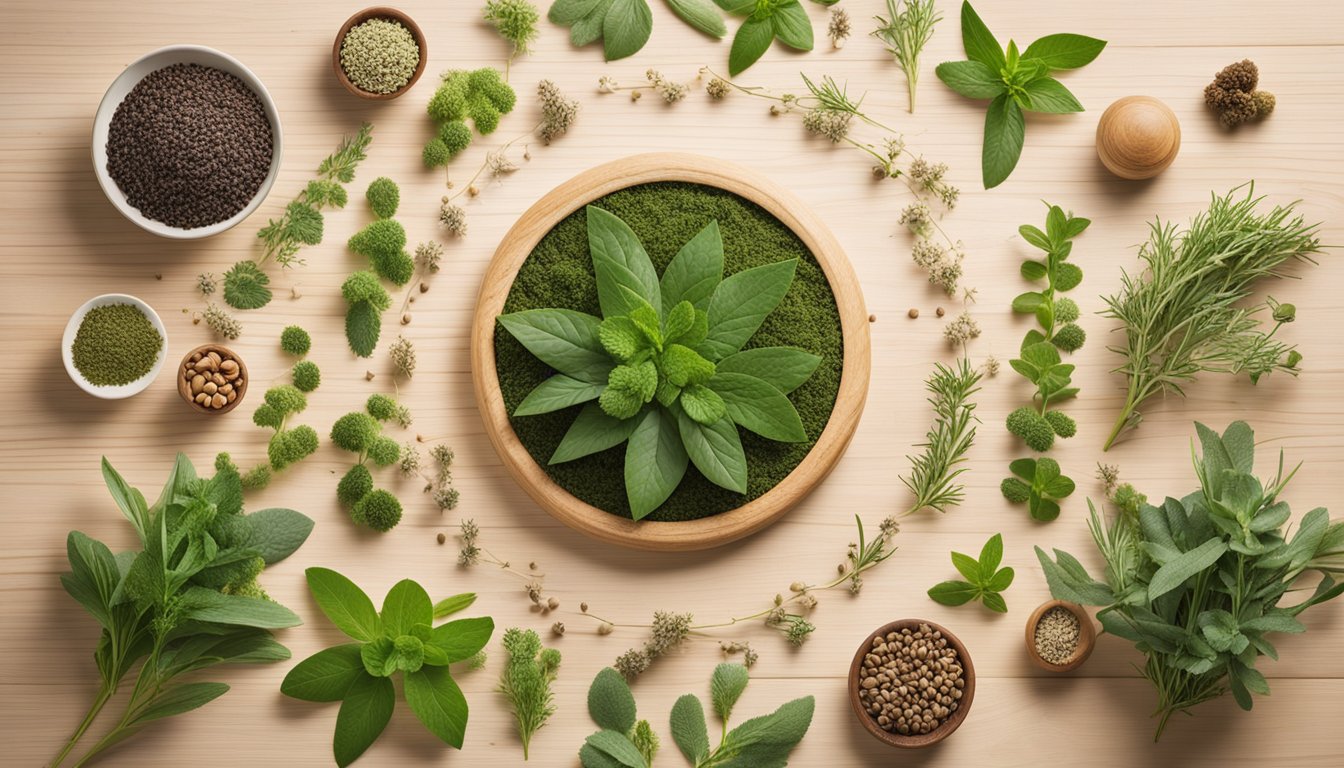
Rhodiola Rosea is a widely known adaptogen that grows in the high altitudes of Europe and Asia. This herb has been traditionally used to combat fatigue and improve mental performance. Scientists have investigated its ability to help individuals cope with stress, and modern supplements containing Rhodiola are popular for this purpose.
American and Asian Ginseng
Ginseng refers to a group of herbal remedies, the most popular being American Ginseng (Panax quinquefolius) and Asian Ginseng (Panax ginseng). Both types are known to help relieve mental and physical fatigue, improve energy, and enhance performance during stressful activities (Cleveland Clinic). While American and Asian Ginseng are closely related, they might have slightly different effects on the body.
Ashwagandha
Ashwagandha, also known as Indian Ginseng or Withania somnifera, is another adaptogen with a rich history in traditional Ayurvedic medicine. It is used to boost strength, vitality, and help the body cope with different kinds of stress. Ashwagandha is often found in supplements intended to promote relaxation and support a healthy stress response.
Eleuthero
Eleuthero, scientifically known as Eleutherococcus senticosus, is an adaptogen that shares some similarities with Ginseng. It is used to relieve stress and fatigue while improving immune function as an immune modulator (Cleveland Clinic). Eleuthero has been studied for its potential benefits, including enhancing mental and physical performance during times of high stress.
Others
There are various other adaptogenic herbs and mushrooms that can be found in supplements and traditional medicine practices. Some of these include:
- Holy Basil (Tulsi): An herb traditionally used in Ayurvedic medicine for reducing stress and promoting relaxation
- Schisandra (Schisandra chinensis): A berry that has been used in Traditional Chinese Medicine to protect the body against various stresses
- Astragalus: A root known for its immune-supporting properties
- Reishi (Ganoderma lucidum): A mushroom with potential antioxidant and anti-inflammatory benefits
These represent just a few examples of the wide variety of adaptogens available. While adaptogens appear to have potential health benefits, it’s essential to consult a healthcare professional before incorporating them into your daily routine.
Potential Health Benefits
https://www.youtube.com/watch?v=8YgmjT0OV3Y&embed=true
Adaptogens are herbal compounds with potential therapeutic properties, known for their ability to help the body maintain balance and adapt to various stressors. In this section, we will explore some of their potential health benefits.
Immune System Support
One of the notable benefits of adaptogens is their potential to support immune function. Chronic stress can negatively affect our immune system, making us more susceptible to illness and infection. Adaptogens may work to counteract these effects, thereby promoting immune health and overall wellness. For example, certain adaptogens can help strengthen the immune system by modulating the body’s response to stress.
Chronic Fatigue and Energy Balance
Another possible health benefit of adaptogens is their effect on chronic fatigue, energy balance, and endurance. Adaptogens may help the body maintain energy levels by regulating various physiological processes. For instance, some adaptogens can improve energy production, enhance focus, and support the body’s natural resilience to stress and fatigue.
Antioxidant and Anti-Inflammatory Effects
Adaptogens can also possess antioxidant and anti-inflammatory properties. These effects may contribute to their overall health benefits, especially in addressing stress-related conditions such as anxiety and mood imbalances. Antioxidants found in adaptogens can help protect cells from oxidative stress, while their anti-inflammatory properties can help the body’s inflammatory response, thus potentially improving overall wellness.
Mental and Emotional Benefits
https://www.youtube.com/watch?v=ntfcfJ28eiU&embed=true
Stress and Anxiety Relief
Adaptogens are a group of natural substances that help the body cope with different stressors, both physical and mental. One of their primary functions is to support the body’s resilience against emotional stress, which leads to relief from stress and anxiety. Products like Siberian ginseng, rhodiola, and schisandra have been shown to aid in mediating the body’s fight-or-flight response to stress.
These benefits may include improved sleep, increased energy levels, and enhanced immune function. Adaptogens work by balancing the body’s stress hormones, such as cortisol, to find an optimal state of balance. This can ultimately help to alleviate stress and anxiety, promoting a sense of calm and well-being.
Cognitive Performance and Mood Enhancement
In addition to stress relief, adaptogens have potential benefits on cognitive performance and mood. Some adaptogens, like ashwagandha, rhodiola rosea, and Siberian ginseng, have been reported to improve mental clarity, focus, and memory. This enhancement in cognitive performance may be due to the adaptogens’ ability to modulate neurotransmitter levels in the brain, such as dopamine and serotonin.
Adaptogens also possess antioxidant and anti-inflammatory properties, which can help reduce inflammation and oxidative stress in the brain. This, in turn, may contribute to improved mood, increased mental resilience, and better overall wellness.
Incorporating adaptogens into one’s daily routine may have a variety of potential benefits for both mental and emotional health, especially for those dealing with high levels of stress or anxiety. By supporting the body’s natural ability to adapt and maintain balance, adaptogens can play a role in enhancing mental performance, mood, and overall well-being.
Adaptogens and Hormone Balancing
https://www.youtube.com/watch?v=7FXC1n_cMgE&embed=true
Adaptogens are natural substances, such as plants and mushrooms, that help the body cope with stress and restore balance to various hormonal systems. They can be incorporated into daily routines through various forms, including powders, teas, coffee, smoothies, recipes, supplements, capsules, and tinctures. It is essential to consult with a doctor or naturopath before adding adaptogens to your routine, especially if you are on any medications. This section will cover the effects of adaptogens on thyroid hormones, adrenal support, and reproductive hormones.
Thyroid Hormones
Thyroid hormones play a crucial role in regulating metabolism, energy levels, and overall homeostasis in the body. Some adaptogens, such as Ashwagandha and Holy Basil, have been shown to support thyroid function by enhancing the conversion of T4 (inactive thyroid hormone) to T3 (active thyroid hormone). Including these adaptogens in daily routines can be achieved via the following methods:
- Adding powder form to smoothies or recipes
- Drinking teas, such as Ashwagandha tea or Holy Basil tea
Adrenal Support
Adrenal glands are responsible for producing stress hormones like cortisol and adrenaline. Continuous stress can lead to adrenal fatigue, resulting in various health issues. Adaptogens like Rhodiola and Siberian Ginseng can provide adrenal support and help the body deal with stress more effectively. To incorporate these adaptogens into daily use, consider:
- Adding Rhodiola or Siberian Ginseng powder to your coffee or smoothies
- Using tinctures in water or other beverages
- Taking them in supplement capsules
Reproductive Hormones
Reproductive hormone imbalance can have significant effects on fertility, libido, and menstrual cycles. Adaptogens like Maca and Chasteberry can help balance reproductive hormones and support overall hormonal health. You can add these adaptogens to your daily routine through the following means:
- Using Maca powder in smoothies, coffee, or recipes
- Drinking Chasteberry tea
- Taking supplements in capsule form
Incorporating adaptogens into your daily routine can be a natural way to support hormone balance and cope with stress. Consult with a healthcare professional before using these natural substances to ensure safety and maximize benefits.
How to Use Adaptogens
https://www.youtube.com/watch?v=FoCpMFCjkio&embed=true
Adaptogens are natural substances that can help the body adapt to stress and promote overall well-being. They can be found in various forms such as powders, teas, capsules, and tinctures. To get the most benefits from adaptogens, it’s important to know how to incorporate them into your daily routine.
In the Kitchen
Incorporating adaptogens into your daily meals is a simple way to start experiencing their benefits. Some popular options include adding adaptogen powders to:
- Teas: Mix adaptogen powder into your favorite cup of tea, either hot or cold.
- Coffee: Blend a small amount of adaptogen powder into your morning coffee to give it an extra boost.
- Smoothies: Incorporate adaptogens into your smoothies for added nutrition and stress relief.
- Recipes: Adaptogens can be included in various recipes like energy balls, soups, and salad dressings for added flavor and benefits.
In Supplement Form
If you prefer taking supplements, there are several forms available to choose from:
- Capsules: Adaptogens can be taken conveniently in capsule form, making it easy to follow the recommended dosage provided on the label.
- Powders: Adaptogen powders can be easily mixed into your drinks or meals as mentioned earlier.
- Tinctures: Tinctures are liquid extracts that can be consumed directly or mixed with water, juice, or tea.
Always consult the label for proper dosing instructions and choose a reputable brand to ensure the quality and effectiveness of the product.
Seeking Medical Advice
Before adding adaptogens to your daily routine, it’s essential to seek medical advice from a healthcare professional. Although adaptogens are generally considered safe, it’s important to consider how they may interact with any existing medications or underlying health conditions you may have.
Talk with your doctor or a naturopath to determine which adaptogens are best suited for your needs and to ensure the correct dosage for maximum effectiveness. Remember to always listen to your body and adjust your adaptogen use accordingly.
Potential Side Effects and Interactions
Common Side Effects
Adaptogens are generally well tolerated; however, there are some potential side effects to be aware of. These may include allergic reactions, abdominal pain, constipation, nausea, and diarrhea. Some individuals may also experience mild side effects such as dry mouth, upset stomach, or headaches. It is important to note that side effects vary based on the specific adaptogen being consumed, and each person may react differently. Pregnant and breastfeeding women should exercise caution when using adaptogens, as their safety during pregnancy and lactation is not well established.
Drug Interactions
Although adaptogens are generally regarded as safe, they do have the potential to interact with medications. It is important to discuss the use of adaptogens with a healthcare professional, especially if you are taking prescription medications, as some adaptogens may impact the effectiveness of medications or increase the risk of side effects. In order to avoid any potential adverse reactions, always consult with your doctor before combining adaptogens with prescription medications or other supplements.
When using adaptogens, it is crucial to have a clear understanding of the purpose and specific effects of the chosen adaptogen on your body. Be sure to maintain a balanced approach, using them as complementary resources to support overall health and wellness.
Ongoing Research and Regulatory Status

Adaptogens are a class of herbs and supplements that are believed to have stress-balancing properties, helping normalize and strengthen the body’s functions and systems. There has been a growing number of studies seeking to better understand the mechanisms and potential benefits of adaptogens. The research in the field is ongoing, with many articles discussing their impact on the immune-neuro-endocrine system and the hypothalamic-pituitary-adrenal axis.
As researchers continue to investigate adaptogens, they have identified various plant species that exhibit adaptogenic properties. Some of the most commonly mentioned plants include Ashwagandha, Rhodiola Rosea, and Panax Ginseng. It is crucial to note that the scientific evidence supporting adaptogen use is still limited, with some studies facing methodological challenges, sample size limitations, or insufficient standardization.
In the United States, the Food and Drug Administration (FDA) oversees the regulation of dietary supplements, which may include some adaptogenic products. However, the FDA does not review dietary supplements in the same way it does medications. Supplements are not required to undergo the same rigorous pre-market testing for safety and efficacy. Instead, the responsibility lies with the manufacturers and distributors of these products to ensure they are safe and properly labeled.
Though the term “adaptogen” was coined relatively recently, in 1947 by Soviet scientist Lazarev, the use of plants with adaptogenic properties has a long history in various traditional medical systems. Consequently, the demand for these products has grown worldwide, necessitating increased regulatory oversight by governing bodies to ensure public safety.
In conclusion, while adaptogens hold promise for enhancing the body’s resilience to stress, additional research is needed to validate their efficacy and establish standardized guidelines for their use. The regulatory landscape must also evolve in tandem with ongoing research to ensure adaptogenic products are safe, effective, and labeled accurately.
Conclusion

Adaptogens are a group of plants and mushrooms that have been gaining attention in the wellness community due to their ability to help the body respond to stress, anxiety, fatigue, and overall health. They work by modulating the body’s hormonal and physiological functions, supporting adrenal function, and boosting the immune system, among other benefits ^1^.
In recent years, a growing number of studies have focused on evaluating the efficacy and safety of adaptogens, as evidenced by the increasing research in this area ^2^. This has led to a better understanding of the advantages of including adaptogens in one’s daily routine for achieving balance and resilience against various stressors.
By incorporating adaptogens into a healthy lifestyle, individuals may experience improvements in their overall well-being, including better stress management, enhanced cognitive function, and increased physical endurance. However, it is essential to remember that adaptogens should be used as a complementary approach to other health-promoting practices, such as proper nutrition, regular exercise, and adequate sleep.
In summary, adaptogens have shown promise as a means of enhancing wellness and balance in the body. As research continues to expand our understanding of these natural substances, their potential to contribute to overall health will likely become increasingly apparent.
Frequently Asked Questions

How do adaptogens function in the body?
Adaptogens are a unique class of plants that support the body’s ability to handle stress, regulate cortisol, and maintain overall balance. They work by interacting with the body’s stress response systems, promoting resilience and helping us adapt to physical and emotional challenges source.
What are some common adaptogenic herbs?
Some commonly used adaptogenic herbs include Ashwagandha, Rhodiola, Ginseng, Holy Basil, and Cordyceps. These herbs and mushrooms are rich in active ingredients that can impact how the body deals with stress, anxiety, and fatigue source.
What are the differences between adaptogens and nootropics?
While both adaptogens and nootropics aim to enhance mental and physical well-being, they function differently. Adaptogens target the body’s stress response systems, while nootropics focus on improving cognitive performance, such as memory, creativity, and motivation, by optimizing brain function.
Are there any adaptogens for anxiety relief?
Yes, some adaptogens such as Ashwagandha and Rhodiola are known for their potential anxiety-relieving effects. They can help in dealing with stress and anxiety by interacting with the body’s stress response systems source.
What are some potential side effects of adaptogens?
As with any supplement, adaptogens may have potential side effects. Some people may experience allergic reactions, gastrointestinal issues, or even sleep disturbances. It is essential to consult with a healthcare professional before adding adaptogens to your routine.
Who should avoid taking adaptogens?
Individuals with specific health conditions, pregnant or nursing women, and those taking medications should consult with their healthcare providers before using adaptogens. This is to ensure their safety and prevent any potential interactions or complications.