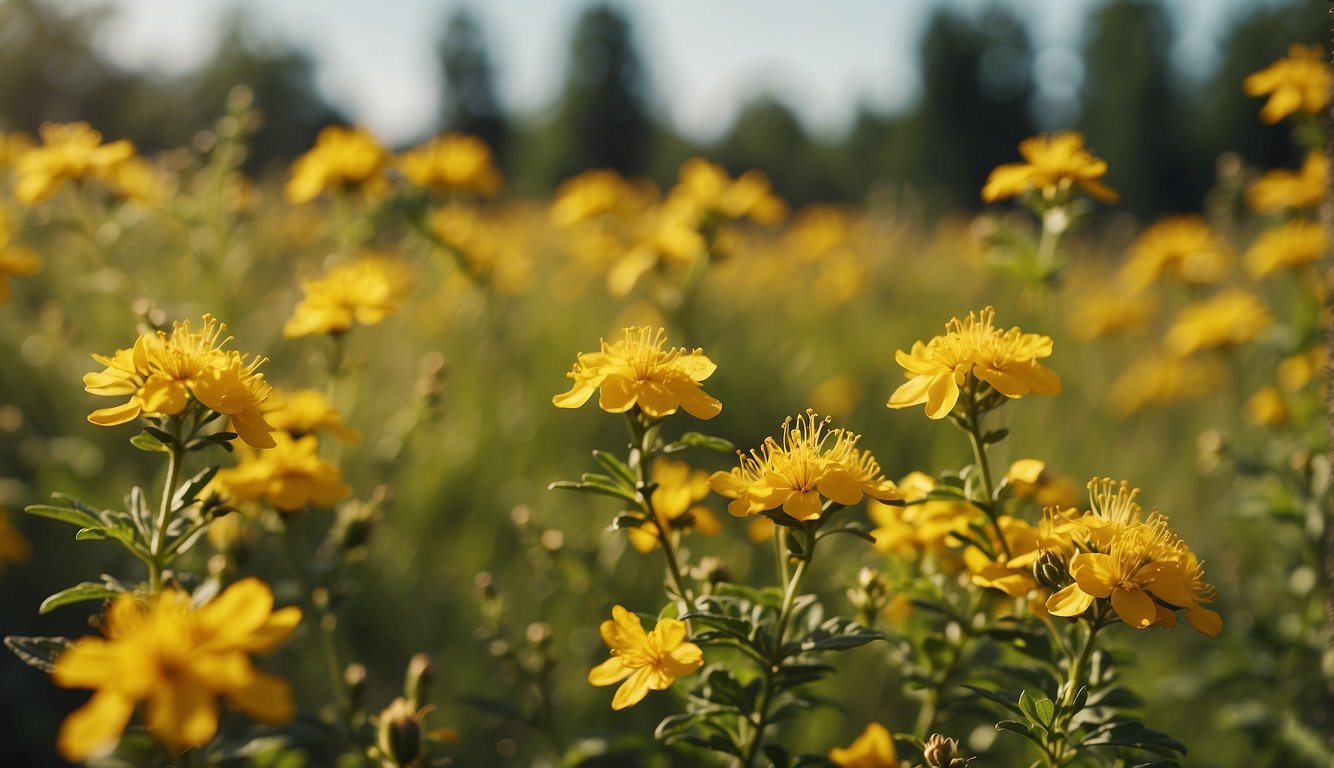
St. John’s Wort, known by its scientific name Hypericum perforatum, is a plant with a rich history of medicinal use. Native to Europe but found throughout the United States as a common wildflower, this herb has captivated the attention of herbalists, doctors, and pharmacists for centuries. The plant’s bright yellow flowers and its reputed healing properties have led to its widespread use as a natural remedy for a variety of ailments.
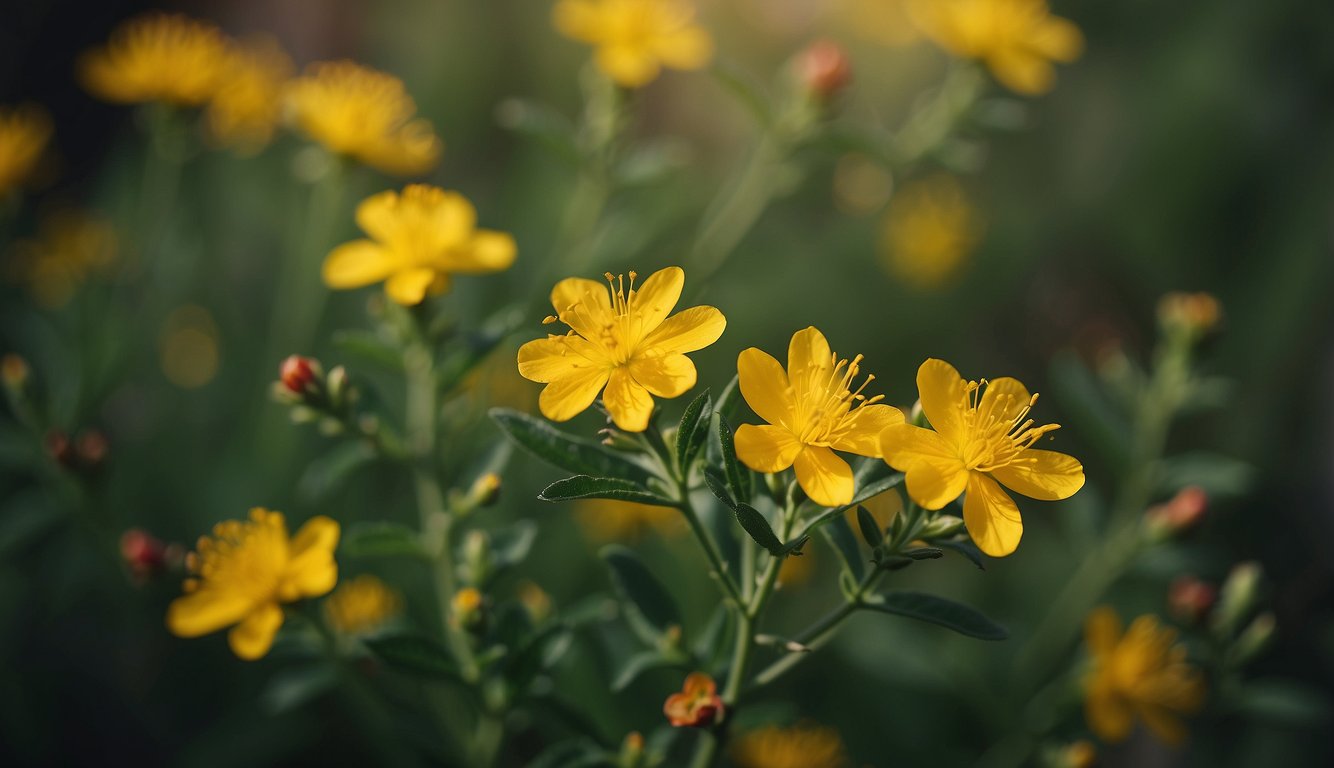
Your exploration into the healing properties of St. John’s Wort will uncover how this plant has been traditionally used to soothe a myriad of conditions, from skin issues to mood disturbances. Clinical studies have investigated the chemical constituents of the herb, revealing a complex makeup that includes flavonoids, hypericin, and hyperforin, which contribute to its therapeutic effects. As a natural remedy, St. John’s Wort has been most commonly associated with the treatment of depression and anxiety, offering a potential alternative to conventional medications for some individuals.
Key Takeaways
- St. John’s Wort has a longstanding history as a natural remedy for various health conditions.
- The plant contains active compounds like flavonoids that contribute to its medicinal properties.
- It is often used to help manage mood disorders, notably mild to moderate depression.
Botanical Profile of St. John’s Wort
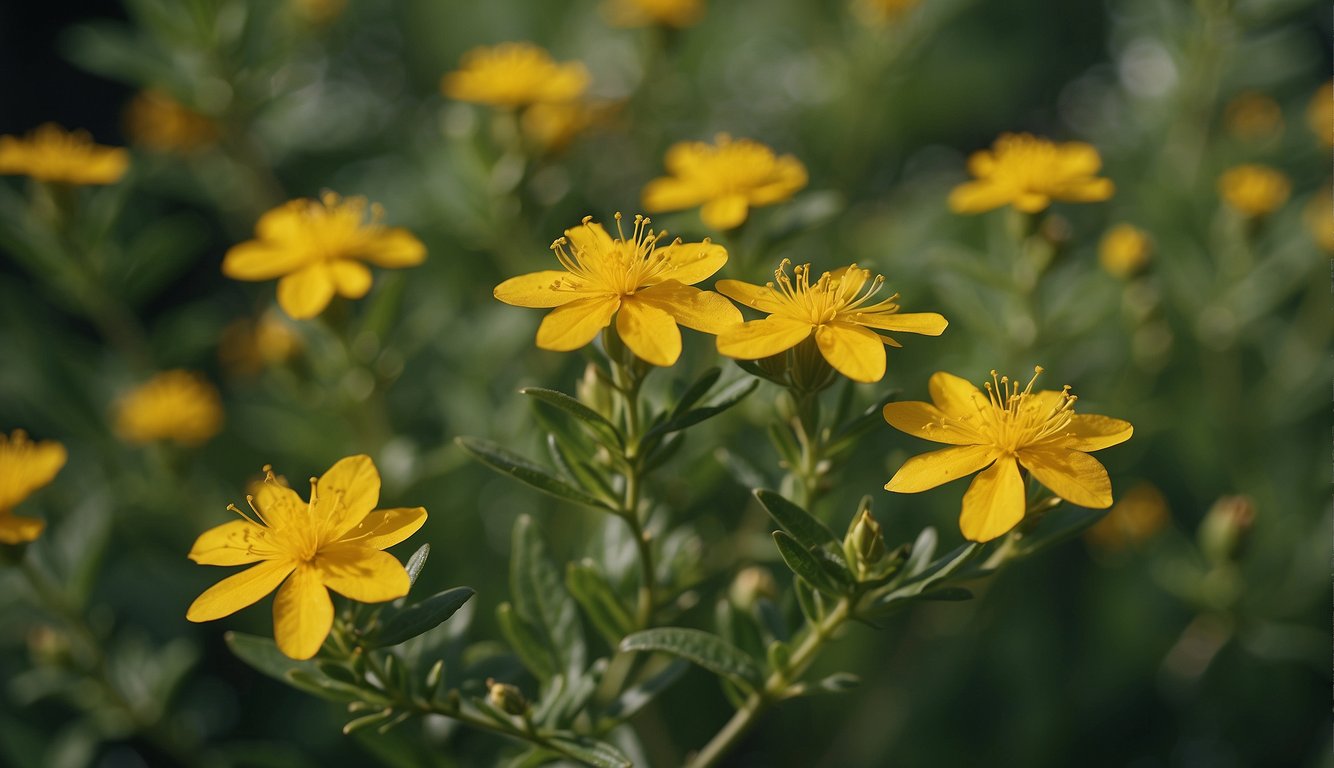
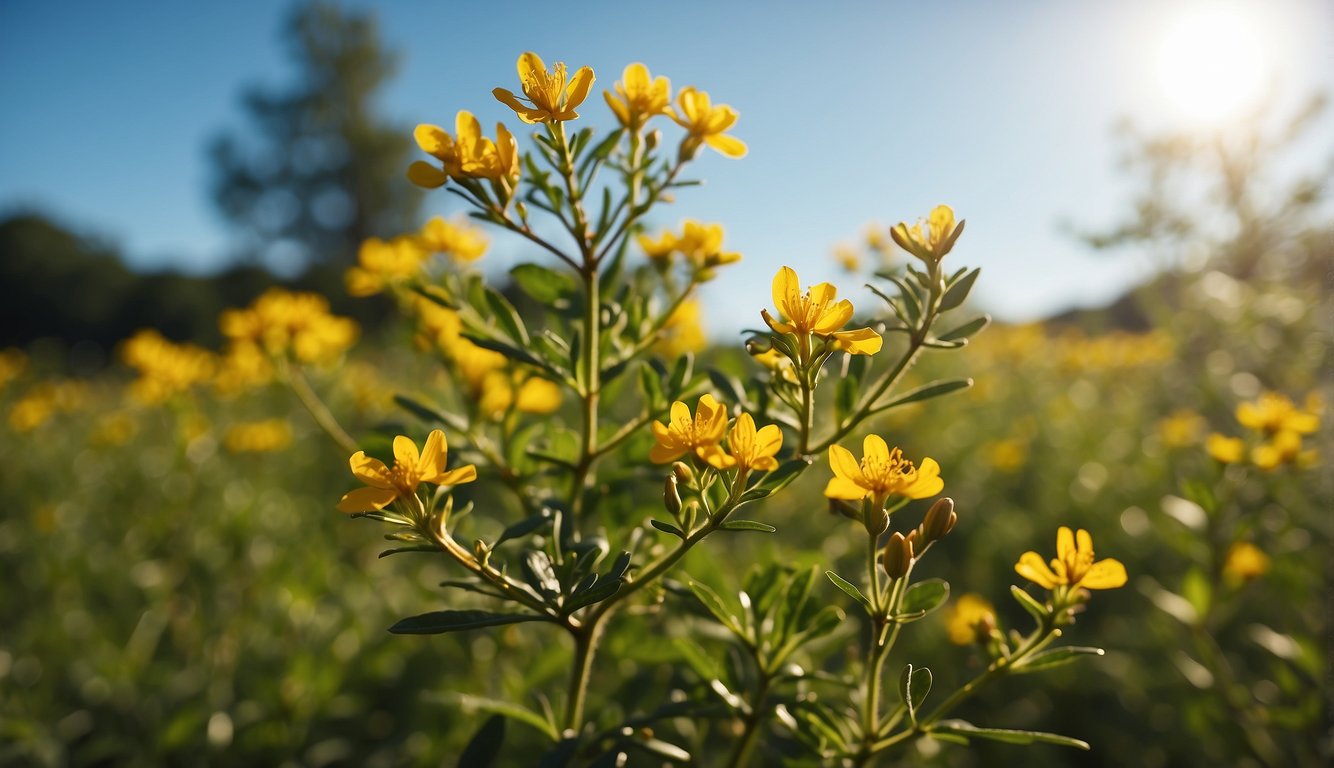
St. John’s Wort, scientifically referred to as Hypericum perforatum, is a perennial plant known for its medicinal qualities. You’ll recognize it by its distinctive yellow flowers which bloom from late spring to early fall. The flowers typically have five petals with conspicuous black dots along their margins and are abundant on the ends of its branches.
The leaves of Hypericum perforatum are another identifying characteristic you’ll easily spot. They are small, oval, and appear to be perforated with tiny holes when held up to the light. These are not actual holes but translucent oil glands which contribute to the plant’s medicinal properties.
Here’s a brief overview of its botanical aspects:
- Scientific Name: Hypericum perforatum
- Common Names: St. John’s Wort, Goatweed, Klamath Weed
- Plant Family: Hypericaceae
- Native Regions: Europe and Asia, but now found globally in temperate climates
| Botanical Part | Description |
|---|---|
| Flowers | Bright yellow with five petals and black-dotted margins. |
| Leaves | Small, oval, with oil glands that appear as holes. |
Your understanding of St. John’s Wort begins with its botanical profile, which lays the groundwork for exploring its therapeutic applications. Recognizing its signature yellow flowers and perforated leaves allows you to identify this beneficial herb in the wild or in gardens.
Historical and Traditional Uses
St. John’s Wort has a storied past, deeply rooted in European tradition and heralded for its therapeutic properties. This herb has had a diverse range of applications throughout history, from treating ailments to serving cultural functions.
Cultural Significance
St. John’s Wort holds significant cultural importance in Europe, where it is often associated with John the Baptist. The plant’s bright yellow flowers and the timing of its bloom led to its connection with the feast day of John the Baptist. Your understanding of St. John’s Wort is enhanced by knowing that it was considered to have protective qualities, with many believing it could ward off evil spirits.
Historical Remedies
In the realm of traditional medicine, St. John’s Wort has been a versatile remedy. You might find it intriguing that historical documents indicate its use for healing wounds and relieving kidney troubles. Moreover, it was commonly used to address nervous disorders, and as research suggests, to counteract depression. It’s noteworthy how the herb’s historical usage parallels its modern applications.
Chemical Constituents and Properties
St. John’s Wort, your natural option for various health concerns, is powered by a rich blend of chemical constituents. Each compound plays a specific role, contributing to the herb’s healing capabilities.
Active Compounds
St. John’s Wort contains potent active compounds that serve as the backbone of its therapeutic effects. Hyperforin and hypericin are the most prominent. Hyperforin is believed to be primarily responsible for the herb’s antidepressant effects. On the other hand, hypericin was originally thought to be the main active ingredient, but recent studies suggest its role is less significant than hyperforin. Beyond these, flavonoids within St. John’s Wort offer a range of health benefits, owing to their antioxidant properties.
Pharmacological Actions
The pharmacological actions of St. John’s Wort are varied and significant. The presence of hyperforin is associated with antidepressant activity, possibly by acting in a manner akin to SSRIs (Selective Serotonin Reuptake Inhibitors). This results in increased levels of serotonin, dopamine, and norepinephrine in the brain, enhancing your mood. As an antioxidant and anti-inflammatory, St. John’s Wort supports your body’s defense against oxidative stress and inflammation. Additionally, the herb exhibits antiviral and antibacterial properties, making it a versatile addition to your natural medicine cabinet.
Therapeutic Effects on Mood Disorders

St. John’s Wort has been recognized for its potential benefits in managing mood disorders, specifically through its effects on neurotransmitter systems involved in mood regulation.
Depression Management
When you’re dealing with depression, St. John’s Wort (Hypericum perforatum) may offer some relief, especially if your depression is of mild to moderate severity. Clinical research suggests that the active compounds in St. John’s Wort, such as hyperforin and hypericin, can influence neurotransmitters akin to antidepressants. In patients with mild and moderate depression, studies have shown that St. John’s Wort can be superior to placebo, with certain comparisons indicating it might be more effective than or as equally effective as standard SSRIs, like fluoxetine. It is important to use St. John’s Wort carefully to prevent interactions with other medications or the rare occurrence of serotonin syndrome.
Anxiety and Stress Relief
Beyond depression, St. John’s Wort has properties that might help alleviate symptoms of anxiety and stress. Its impact on the serotonin system is thought to be a contributing factor to its calming effects. For individuals experiencing anxiety disorders, this herbal remedy could yield some benefits, though it should be used judiciously. While comprehensive studies are less abundant, anecdotal evidence and smaller-scale research signify that St. John’s Wort could play a role in managing daily stresses and enhancing overall mood stability.
St. John’s Wort in Dermatological Use
St. John’s Wort, traditionally recognized for its antidepressant effects, is also a valuable herb for your skin care, particularly in promoting healing and reducing inflammation.
Skin Healing
When applied topically, St. John’s Wort has been shown to assist in the healing of minor wounds and burns. The herb’s use in dermatology is backed by its antioxidant properties, which can protect your skin cells from damage. A study highlights that St. John’s Wort oils and tinctures are beneficial in treating skin abrasions, likely due to the presence of bioactive compounds such as hyperforin and hypericin.
Anti-Inflammatory Applications
St. John’s Wort has anti-inflammatory properties, making it helpful for reducing inflammation associated with various skin conditions, including psoriasis and bruises. It can soothe your skin and may alleviate allergic reactions on the skin’s surface. According to research summarized by Springer, St. John’s Wort also contains antibacterial qualities, lending itself as a natural remedy for promoting skin repair.
Potential Side Effects and Interactions
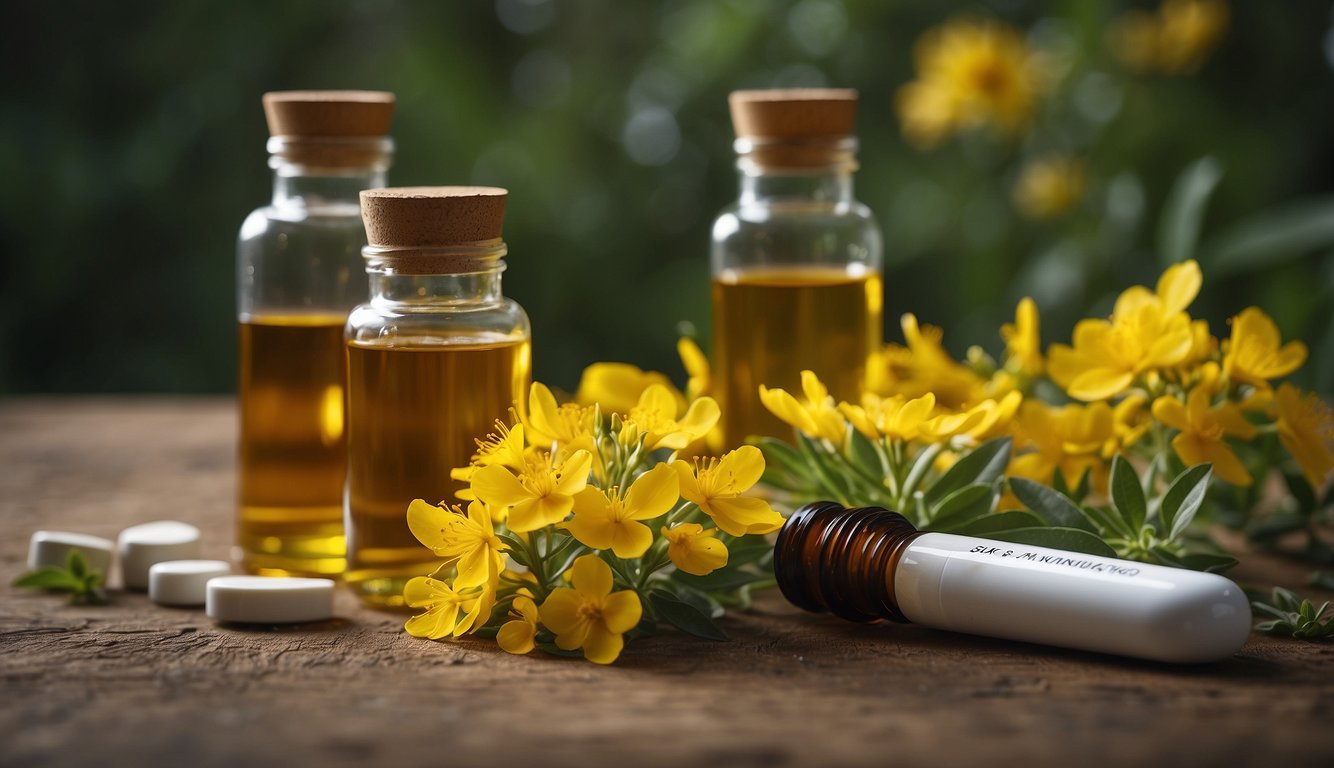
While St. John’s Wort is often used for its potential to alleviate symptoms of mild to moderate depression, you should be aware of its side effects and how it interacts with various medications. This knowledge is essential to ensure your safety and to prevent any unintended consequences.
Adverse Reactions
You might experience side effects such as dizziness, drowsiness, and stomach issues when taking St. John’s Wort. Some individuals also report dry mouth, headache, and insomnia. These reactions are generally mild and may decrease as your body adjusts. It’s noteworthy that St. John’s Wort can lead to increased sun sensitivity, which is less common, yet important to consider if you spend time outdoors.
Medicinal Interactions
Prescription Medications:
When you combine St. John’s Wort with certain prescription drugs, it can significantly affect their efficacy. For example, St. John’s Wort may reduce the effectiveness of birth control pills, leading to an increased risk of unintended pregnancy. It’s also known to interact with warfarin, a blood thinner, potentially altering its anticoagulant effects.
- Cyclosporine: Taking St. John’s Wort with this medication can lead to a decrease in cyclosporine’s effectiveness, which could be particularly concerning for transplant recipients.
- Digoxin: This heart medication’s levels can be lowered when interacting with St. John’s Wort, potentially compromising its therapeutic effect.
Over-the-Counter Medications and Supplements:
The herb’s interactions are not limited to prescription drugs; it may also interfere with over-the-counter meds and other herbal supplements. Always check with a healthcare provider before combining St. John’s Wort with any other form of medication or supplement.
Special Considerations:
If you are pregnant or breastfeeding, exercise caution and consult your healthcare provider before using St. John’s Wort, as there is limited safety information in these populations. Moreover, if you are on any type of blood thinner or have conditions that require such medications, you must discuss potential interactions with your healthcare professional to avoid any complications.
Psychiatric Applications and Considerations

St. John’s Wort is widely recognized for its potential benefits in psychiatric care, particularly for conditions like depression. However, its applications extend beyond one disorder and necessitate careful consideration of risks and contraindications.
Beyond Depression
In your pursuit of mental well-being, you may have heard of St. John’s Wort’s effectiveness in treating major depression. Its benefits may also extend to other psychiatric conditions. For instance, studies suggest a potential use for St. John’s Wort in alleviating symptoms of attention-deficit hyperactivity disorder (ADHD), as well as obsessive-compulsive disorder (OCD). Moreover, people experiencing social phobia or somatization disorder have found St. John’s Wort to offer some relief due to its anxiolytic properties.
Yet, its role in the management of more severe conditions like mania, schizophrenia, or severe depression remains far less certain, with the need for further research underscored by experts in the field.
Risks and Contraindications
When considering St. John’s Wort, you must be aware of possible side effects and interactions. Some individuals may experience restlessness, confusion, dizziness, fatigue, dry mouth, or headache after taking St. John’s Wort. It’s essential to consult health professionals before its use in your treatment plan, especially if you are already taking other medications. Specifically, St. John’s Wort is known to interact with a variety of prescription drugs, potentially diminishing their effectiveness or increasing the risk of adverse effects.
Moreover, if you have bipolar disorder, taking St. John’s Wort without professional guidance might trigger a manic episode. Hence, a thorough evaluation by a healthcare provider is crucial to consider your individual health history and current medication regimen.
Usage and Dosage
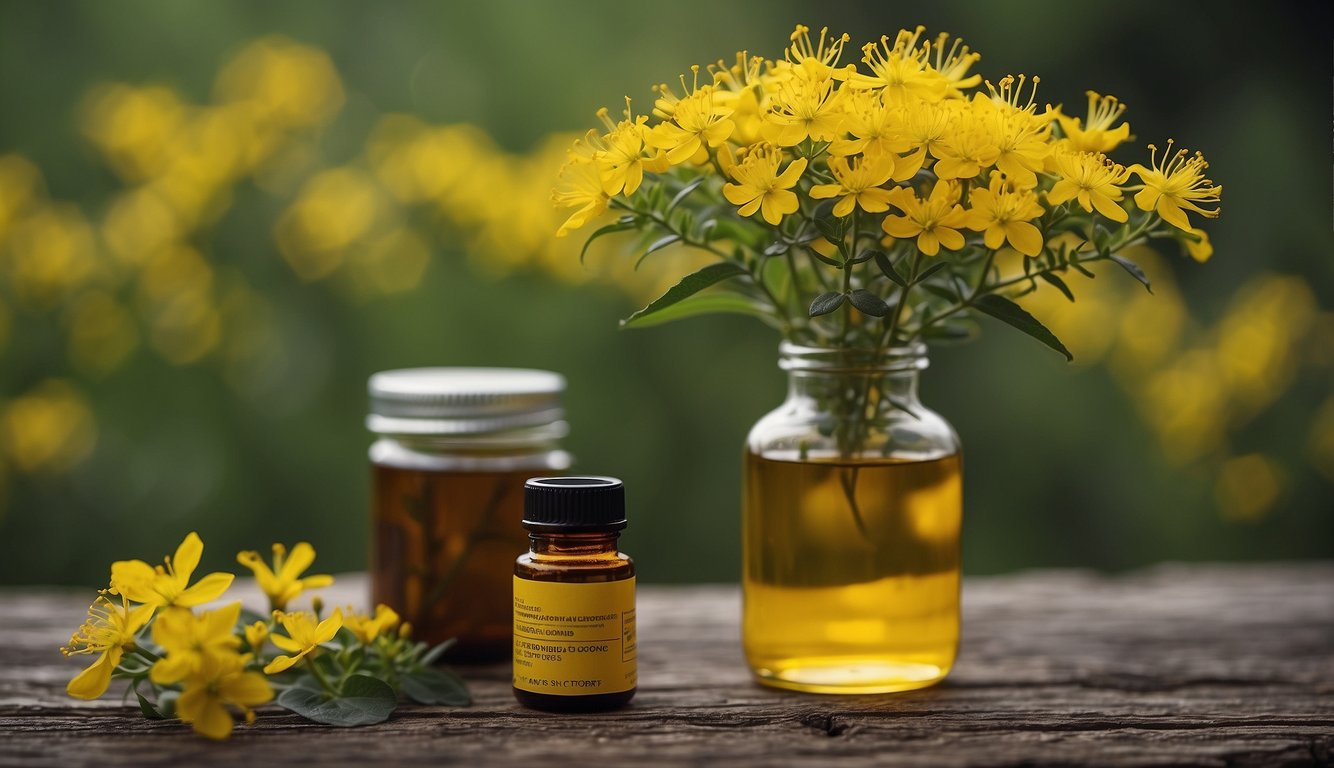
When considering St. John’s Wort, it’s crucial to understand the various forms available and the recommended dosages. The right dosage can be key to maximizing the potential benefits while minimizing the risk of any side effects or withdrawal symptoms.
Forms of St. John’s Wort
St. John’s Wort is available in multiple forms to suit your preferences and needs. You can find it in:
- Teas: A warm, herbal option, best enjoyed with a careful measure of the plant to ensure proper dosage.
- Tinctures: Concentrated liquid extracts, typically taken in small, measured droplets.
- Capsules and Tablets: These forms provide a controlled dosage and are among the most common for standardized treatment.
Each form may have different concentration levels, so it’s important always to follow the monographs—or the posted standards—for St. John’s Wort preparation.
Dosage Recommendations
The correct dosage of St. John’s Wort can vary based on the form and the specific condition being treated. Generally, for depression, dosages used in studies range from:
- 500 mg to 1,200 mg per day.
Adults might start with:
- 900 mg per day, typically divided into three 300 mg doses. GoodRx
However, keep in mind that clinical trials commonly use:
- 900 mg of extract daily, divided into three doses. Some studies have used ranges from 200 mg to 1,800 mg per day for up to 12 weeks. Drugs.com
In any case, always consult with a healthcare provider before starting any new supplement, especially since St. John’s Wort can interact with a variety of medications and might cause withdrawal symptoms if not used correctly.
Regulatory Status and Quality Control
In considering St. John’s Wort as a complement or alternative to conventional treatments, you should be aware of the established guidelines and the market’s quality control issues to ensure safety and efficacy.
Monographs and Guidelines
Regulatory entities like the Therapeutic Goods Administration (TGA) have established monographs that define the usage guidelines for St. John’s Wort, especially when concerned with its interaction with prescription antidepressants. These documents outline the standardized strength, dosages, and permissible claims regarding the medicinal properties of herbs. Meanwhile, in the European Union, the Committee on Herbal Medicinal Products (HMPC) issues monographs that serve as references for national competent authorities.
Market and Quality Considerations
When selecting St. John’s Wort products, it’s crucial to assess their quality and safety. Regulatory schemes, like Traditional Herbal Registration (THR) within the UK, aim to ensure the safety and quality of herbal medicines, including those for St. John’s Wort. However, the presence of both regulated and unregulated products on the market warrants vigilance on your part. Unregulated products may not meet the strict quality control measures required of their regulated counterparts, potentially leading to varying levels of active ingredients and contaminants that can alter safety and efficacy. When considering the use of St. John’s Wort, especially alongside other medicine or herbs, it’s important for you to verify that the product adheres to established regulatory standards to minimize risks.
Frequently Asked Questions
St. John’s Wort has been recognized for its potential to support emotional well-being. Here, you’ll find accurate insights into commonly asked queries about this herbal supplement.
What are the potential benefits of taking St. John’s Wort?
St. John’s Wort is primarily known for its antidepressant effects, with evidence suggesting it can improve mood swings and ease symptoms of depression. It also holds antioxidant and anti-inflammatory properties.
Can St. John’s Wort interact with prescription medication?
Yes, St. John’s Wort can interact with various prescription medications, including antidepressants, birth control pills, and blood thinners, potentially reducing their effectiveness.
Is it safe to take St. John’s Wort daily for anxiety?
While some studies find St. John’s Wort helpful for relieving anxiety, it’s important to consult with a healthcare provider before daily use, as individual responses and potential interactions with other medications vary.
What are the known side effects when using St. John’s Wort?
The use of St. John’s Wort can lead to side effects such as dry mouth, dizziness, and sensitivity to sunlight. Some people may experience gastrointestinal symptoms and fatigue.
How does St. John’s Wort affect the brain?
St. John’s Wort is thought to impact the brain by altering the levels of neurotransmitters such as serotonin and dopamine, which play key roles in regulating mood.
What is the recommended dosage of St. John’s Wort for depression?
The recommended dosage for treating mild to moderate depression is usually around 300 milligrams taken three times a day, but you should always seek advice from a healthcare provider for personalized dosing.