
Evening Primrose Oil, extracted from the seeds of the plant Oenothera biennis, has garnered attention in the natural health community for its potential health benefits. Its high gamma-linolenic acid (GLA) content, an important omega-6 fatty acid, is thought to confer anti-inflammatory and pain-relieving properties. The oil is believed to tackle issues ranging from skin conditions like acne and eczema to hormonal imbalances that may affect mood and skin health.
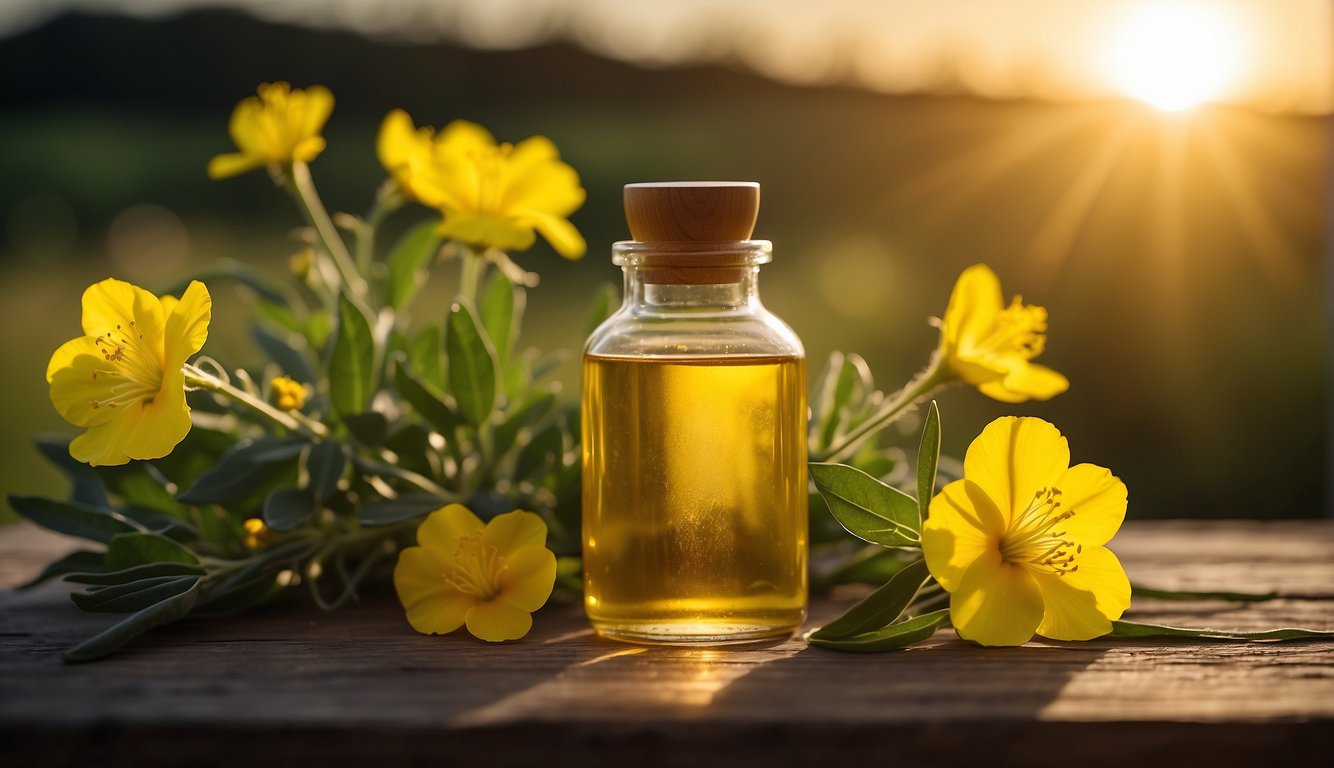
Clinical research into Evening Primrose Oil offers insight into its therapeutic applications, although findings vary. Some studies suggest benefits in reducing skin inflammation and improving moisture retention, which might help conditions such as acne or eczema. The oil has also been examined for hormonal conditions, including symptoms of PMS and menopause. Because personal health varies greatly, considering the nutritional profile, safety, and appropriate dosage of Evening Primrose Oil is important when evaluating if it could be beneficial for you.
Key Takeaways
- Evening Primrose Oil is high in gamma-linolenic acid, which may have anti-inflammatory effects.
- It has been studied for various conditions, including skin disorders and hormonal imbalances.
- Always consider safety and proper dosage when using Evening Primrose Oil as a supplement.
Botanical Profile of Evening Primrose
Evening Primrose oil, derived from the seeds of Oenothera biennis, is valued for its high gamma-linolenic acid (GLA) content. In this section, you’ll explore its origins and how its beneficial oil is extracted and composed.
Origins and Characteristics
Oenothera biennis, more commonly known as Evening Primrose, is a plant native to North America but it has spread throughout Europe and other parts of the world. This biennial plant flourishes in relatively dry, temperate climates and open soils. You might recognize Evening Primrose by its distinctive yellow flowers, which bloom in the evening and close during the day.
Traditionally, Native Americans harnessed the healing properties of Evening Primrose, utilizing all parts of the plant for various medicinal purposes. The seeds of Evening Primrose are small, dark, and packed with essential fatty acids.
Extraction and Composition
To obtain Evening Primrose oil, the seeds undergo a cold-pressing process. This method ensures that the oil maintains its nutritional integrity, especially preserving the essential fatty acids. The composition of Evening Primrose oil is unique; it’s notably rich in gamma-linolenic acid (GLA), an omega-6 fatty acid. GLA is known for its anti-inflammatory properties. Additionally, the oil contains linoleic acid and linolenic acid, both of which contribute to its health benefits.
Therapeutic Properties and Uses
Evening Primrose Oil (EPO) is prized for its high gamma-linolenic acid (GLA) content, an omega-6 fatty acid that influences your skin health and hormonal balance, and may address inflammation and pain.
Skin Health and Conditions
When it comes to your skin, EPO has been shown to help maintain skin hydration and elasticity. For conditions like eczema, and atopic dermatitis, the oil’s GLA content can play a role in reducing inflammation and skin lesions. However, evidence for effectiveness may vary, with some studies reporting no significant benefit in symptoms when taken orally.
- Acne: The anti-inflammatory properties of EPO might reduce skin inflammation and the number of skin cells that cause lesions.
- Moisture and Elasticity: GLA aids in the skin’s ability to retain moisture, which can improve overall skin health and potentially reduce the occurrence of eczema flare-ups.
Women’s Health
EPO is widely recognized for its potential benefits in various aspects of women’s health. Specifically, it is used for relieving PMS symptoms and menopause symptoms, including breast pain and hot flashes.
- Mastalgia: EPO might help ease breast pain that occurs in relation to one’s menstrual cycle.
- Hormonal Balance: Its role in balancing hormones could be the reason for its use in managing PMS and menopause symptoms.
Inflammation and Pain Relief
GLA in EPO can influence inflammatory responses in the body. This makes Evening Primrose Oil a subject of interest for conditions such as arthritis and other inflammatory-related pains.
- Arthritis: Those with rheumatoid arthritis might find EPO to be an adjunct to their standard treatment, although more research is needed.
- Headache: Anecdotal evidence suggests EPO may reduce the severity of headache, although definitive research is limited.
In summary, while the therapeutic uses of Evening Primrose Oil for skin conditions, women’s health issues, and inflammation are supported by historical use and some studies, responses can be individual, and further research is continually unfolding. It’s important to consult with healthcare professionals before incorporating EPO into your regimen.
Nutritional Profile and Benefits
Evening Primrose Oil (EPO) stands out due to its rich composition of gamma-linolenic acid (GLA), a potent type of omega-6 fatty acid. This oil is not just a single nutrient supplement; it’s a complex blend that interacts with your body to support health and wellness.
Essential Fatty Acids
Gamma-linolenic acid (GLA): EPO is a premier source of this essential fatty acid, which your body cannot produce on its own. It requires an external supply, usually through diet or supplements. GLA is known for its anti-inflammatory properties and plays a critical role in cell structure and skin health.
Omega-6 fatty acids: Although commonly found in the diet, the specific omega-6s in EPO, such as GLA, are not as abundant in common foods. The balance of omega-6s, including GLA, is crucial, as they contribute to the structural integrity of cell membranes and support hormonal health.
Synergy with Other Nutrients
Interaction with Fish Oil: When you combine EPO with fish oil, a synergy occurs. Fish oil, rich in omega-3 fatty acids, complements the omega-6 fatty acids in EPO, promoting a healthy fatty acid balance in your body.
Vitamin E: Often added to EPO supplements, vitamin E acts as an antioxidant, protecting the delicate fatty acids from oxidation. It also reinforces the stabilizing and preservation of the oil, ensuring you receive its benefits in full potency.
Evening Primrose Oil in Research
When exploring the potential health benefits of Evening Primrose Oil (EPO), you’ll encounter a variety of clinical trials and studies that address its effects on specific conditions. Healthcare providers often consider the anti-inflammatory properties of EPO, particularly in relation to hormonal health and inflammation management.
Clinical Trials
Clinical trials have been instrumental in evaluating the efficacy of Evening Primrose Oil. You should note that these trials range in scope and size, and while some results are promising, they vary significantly. For instance, some research has linked EPO with improvements in skin health, attributing this effect to the gamma-linolenic acid (GLA) present in the oil, which is thought to have anti-inflammatory properties.
Studies on Specific Conditions
When it comes to studies on specific conditions, Evening Primrose Oil has been examined for its potential to address a variety of health issues:
- Skin Disorders: Research suggests EPO may benefit individuals with eczema by reducing symptoms and inflammation. Skin Health Research
- Rheumatoid Arthritis: The anti-inflammatory action of EPO might play a role in alleviating joint pain and stiffness for those with rheumatoid arthritis.
- Hormonal Health: Evening Primrose Oil is often studied for hormonal conditions like premenstrual syndrome (PMS) and menopause symptoms, though results are mixed.
- Diabetic Neuropathy: Limited evidence exists regarding the treatment of this nerve damage condition with EPO, and healthcare providers often seek more research. Diabetic Neuropathy
Remember to consult with a healthcare provider before considering EPO as a treatment option, to ensure it aligns with your health needs and to understand the full scope of current research findings.
Safety and Side Effects
Before considering the use of evening primrose oil, it’s crucial to be aware of its potential side effects and how it may interact with other medications.
Potential Adverse Reactions
Evening primrose oil is generally well-tolerated, but, like all supplements, it may cause adverse reactions in some people. Common side effects can include headaches, stomach pain, nausea, and fatigue. While it’s rare, there is also a possibility of an allergic reaction, which can present as itchiness, a rash, or breathing difficulties. If you experience any severe symptoms, you should discontinue the use of evening primrose oil and consult with your healthcare provider.
Interactions with Medications
When it comes to combining evening primrose oil with other medications, especially blood thinners, there’s a notable consideration. Evening primrose oil may potentially increase the risk of bleeding if taken with blood-thinning medications. This is particularly important if you have a bleeding disorder. Therefore, before you add evening primrose oil to your routine, ensure you discuss it with your healthcare provider to prevent interactions that could affect your health.
Dosage and Administration
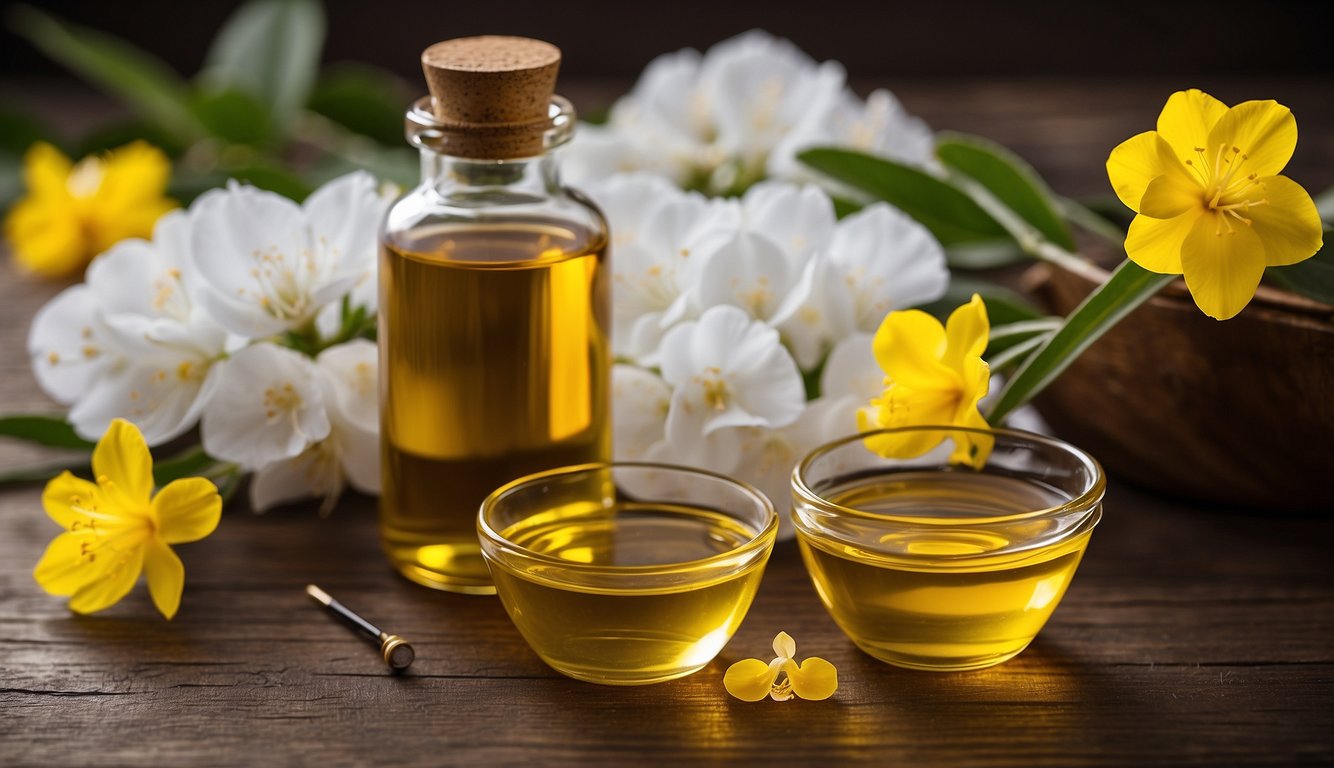
When considering evening primrose oil (EPO) as a dietary supplement, it’s essential to understand the recommended dosages and forms of supplementation. Consulting your healthcare provider is advised, especially if you are pregnant or breastfeeding, to establish a regimen that aligns with your specific health requirements.
Recommended Dosages
The dosage of EPO can vary depending on the reason for use, but a common range for adults is between 500 to 1,000 milligrams, taken once or twice a day. For obtaining gamma-linolenic acid (GLA), a key fatty acid in EPO, a daily dose providing 240 to 480 milligrams of GLA is typical. Always start with the lowest possible dose to see how your body reacts before increasing the amount. Keep in mind that the appropriate dosage may differ based on individual health conditions, and exceeding the suggested amount without medical advice may lead to unwanted side effects.
Forms of Supplementation
EPO is available in various forms, including:
- Capsules: The most common way to take EPO, typically containing a fixed dosage of oil.
- Softgels: Similar to capsules, these are easy to swallow and pre-measured.
- Liquid: Allows flexibility with dosing but may require proper storage to prevent spoilage.
Ensure you follow the product’s instructions for storage and use, as different forms may have specific guidelines. It’s crucial to store EPO in a cool, dry place, and some liquid forms may need refrigeration after opening.
Integrative Health Perspective
When exploring the health benefits of evening primrose oil (EPO), it’s important to examine its role within an integrative health framework. This approach combines traditional medicine with complementary therapies and lifestyle adjustments to optimize your well-being.
Complementary Therapies
Evening primrose oil is often used in natural medicine as a complementary therapy. It may provide relief from conditions like eczema and breast pain, often linked to its gamma-linolenic acid (GLA) content, a type of omega-6 fatty acid. For individuals with arthritis, the anti-inflammatory properties of EPO might be beneficial. While it’s no replacement for medical treatments, adding EPO to your regimen could support health outcomes. Remember that before you start any new supplement, especially if you have health conditions like heart disease or high blood pressure, to consult with your healthcare provider.
- Inflammation: May help reduce symptoms associated with inflammatory disorders.
- Heart Health: Could assist in lowering high blood pressure and improving overall cardiovascular function.
Lifestyle and Dietary Considerations
Your lifestyle and diet play a pivotal role in managing your health. Incorporating EPO into your diet might be a step towards holistic well-being, complementing your dietary choices to support areas like heart health, immune system, and bone mineral density which are crucial in conditions like osteoporosis.
- Diet: Including foods rich in omega-6 fatty acids, such as EPO, can contribute to a balanced diet.
- Pregnancy: EPO is sometimes discussed regarding fertility and pregnancy, although you should exercise caution and consult your healthcare provider due to mixed research findings.
When considering EPO for health issues like diabetes or depression, your overall lifestyle, including diet and exercise, is vital. Adapting a holistic approach can lead to better management of these conditions, enhancing the benefits of treatments you may be following.
Frequently Asked Questions
Evening Primrose Oil (EPO) is renowned for its potential to alleviate various health concerns, especially for skin and hormonal balance. Below you’ll find concise answers to some of the most common queries.
What are the potential skin benefits of taking evening primrose oil?
Evening primrose oil can help ease skin conditions due to its gamma-linolenic acid (GLA) content, which may reduce inflammation and help with moisture retention in the skin. It has been studied for its effects on psoriasis and may also assist in reducing acne.
Can evening primrose oil be used to support hormonal balance?
Yes, it is believed that EPO may influence hormonal balance. Many users take evening primrose oil to naturally treat PMS symptoms due to its essential fatty acid content. It may also help with menopause symptoms by potentially influencing prostaglandin levels.
Is there an optimal time of day to take evening primrose oil for maximum benefits?
There isn’t a universally optimal time to take evening primrose oil; it varies per individual. Your healthcare provider might recommend a time based on your specific health needs and daily routine.
What are the recommended dosages of evening primrose oil for hormonal issues?
The dosages can vary, but it’s common to take between 500mg to 1000mg of EPO daily for hormonal concerns. Always consult with a healthcare professional before starting any new supplement regimen to determine the right dosage for you.
Are there any specific benefits of evening primrose oil for men’s health?
While evening primrose oil is often discussed in the context of women’s health, its anti-inflammatory properties may benefit men too, particularly in relation to conditions like male pattern baldness where inflammatory processes are involved. However, robust research on EPO specifically for men’s health is limited.