
Indole-3-Carbinol (I3C) is a naturally occurring compound derived from glucobrassicin, found in cruciferous vegetables like broccoli, cauliflower, and Brussels sprouts. Your diet naturally includes I3C when you consume these types of vegetables, which are hailed for their nutrient density and myriad health benefits. Research into I3C has unearthed its potential in bolstering the body’s defense mechanisms against various health conditions.
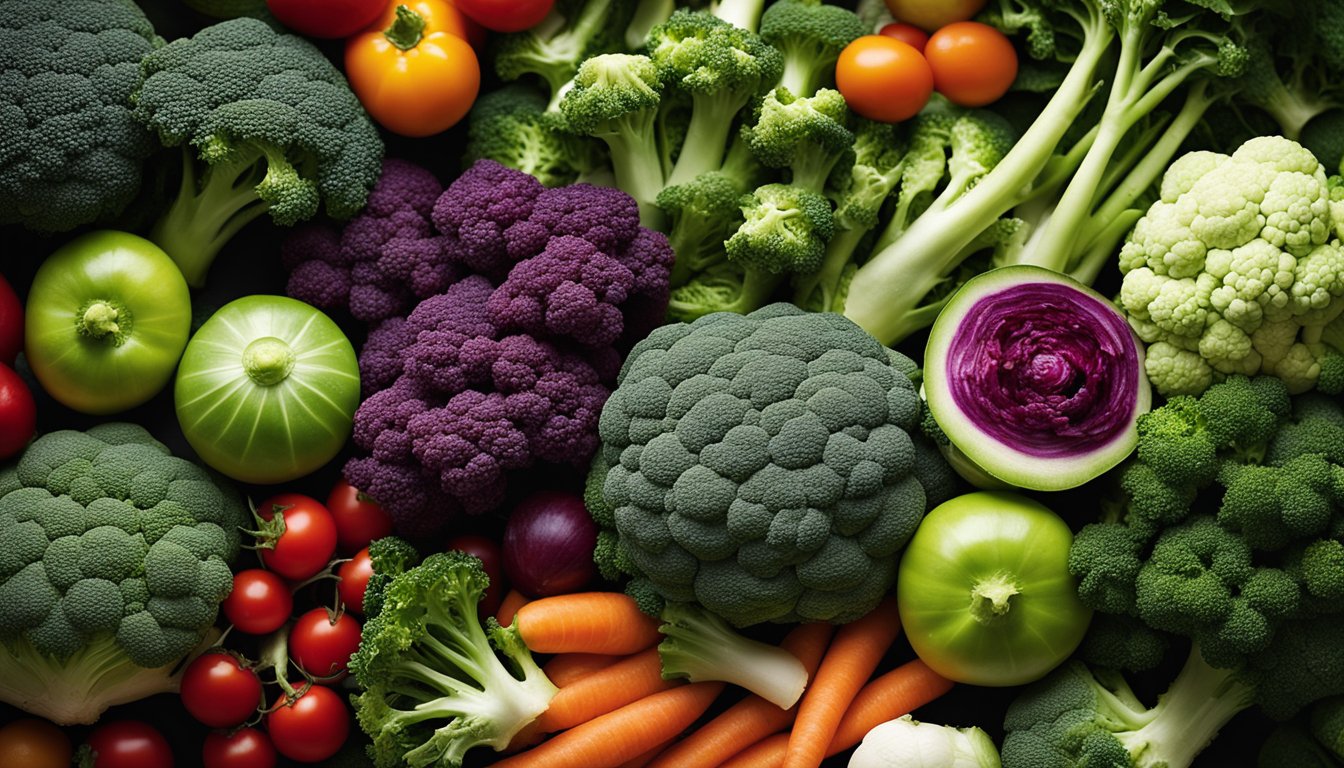
Understanding the effects of Indole-3-Carbinol is crucial, given its association with cancer prevention, particularly hormone-sensitive types, by promoting the detoxification of harmful estrogens and supporting the balance of hormone levels in the body. The exploration of I3C’s impact on the cellular level points to its role in regulating proteins involved in cell cycle control and apoptosis, thereby inhibiting the proliferation of aberrant cells. Moreover, this compound may contribute to the management of virus-related conditions, suggesting a broader therapeutic potential than previously appreciated.
Key Takeaways
- I3C is found in cruciferous vegetables and may contribute to the body’s natural defense against various health issues.
- Research indicates a role for I3C in cancer prevention by aiding in hormonal balance and cell regulation.
- It is currently being studied for its broader therapeutic applications, including virus-related conditions.
Understanding Indole-3-Carbinol

Indole-3-Carbinol (I3C) is a compound of significant interest due to its role in the prevention of certain diseases and its presence in cruciferous vegetables. Here, you’ll learn about the chemical composition of I3C and its natural occurrence in the foods you might already have in your kitchen.
Chemical Nature and Sources
I3C is a compound derived from the breakdown of glucosinolate glucobrassicin, found in cruciferous vegetables. Once these vegetables are chopped or chewed, an enzyme called myrosinase catalyzes the hydrolysis of glucosinolates to I3C. This means when you consume vegetables like broccoli, cauliflower, cabbage, kale, brussels sprouts, and others, you are essentially taking in I3C. As a phytochemical, it is best known for its potential health-promoting properties.
- Chemical Name: 3-(3H-Indol-3-ylmethyl)-1H-indole
- Molecular Formula: C_9H_9NO
Role in Cruciferous Vegetables
In cruciferous vegetables, I3C and other indoles are initially present as glucosinolates—a type of sulfur-containing phytochemical. When you consume these vegetables, glucosinolates are broken down by myrosinase:
- Intact vegetable: Glucosinolates remain stable.
- Upon chopping or chewing: Myrosinase triggers hydrolysis.
- Hydrolysis: Converts glucosinolates into various compounds, including I3C.
These indole compounds play a crucial role in the plant’s defense system and, when ingested, may contribute to your body’s maintenance of health, particularly in detoxification processes and cellular defense mechanisms.
Potential Health Benefits
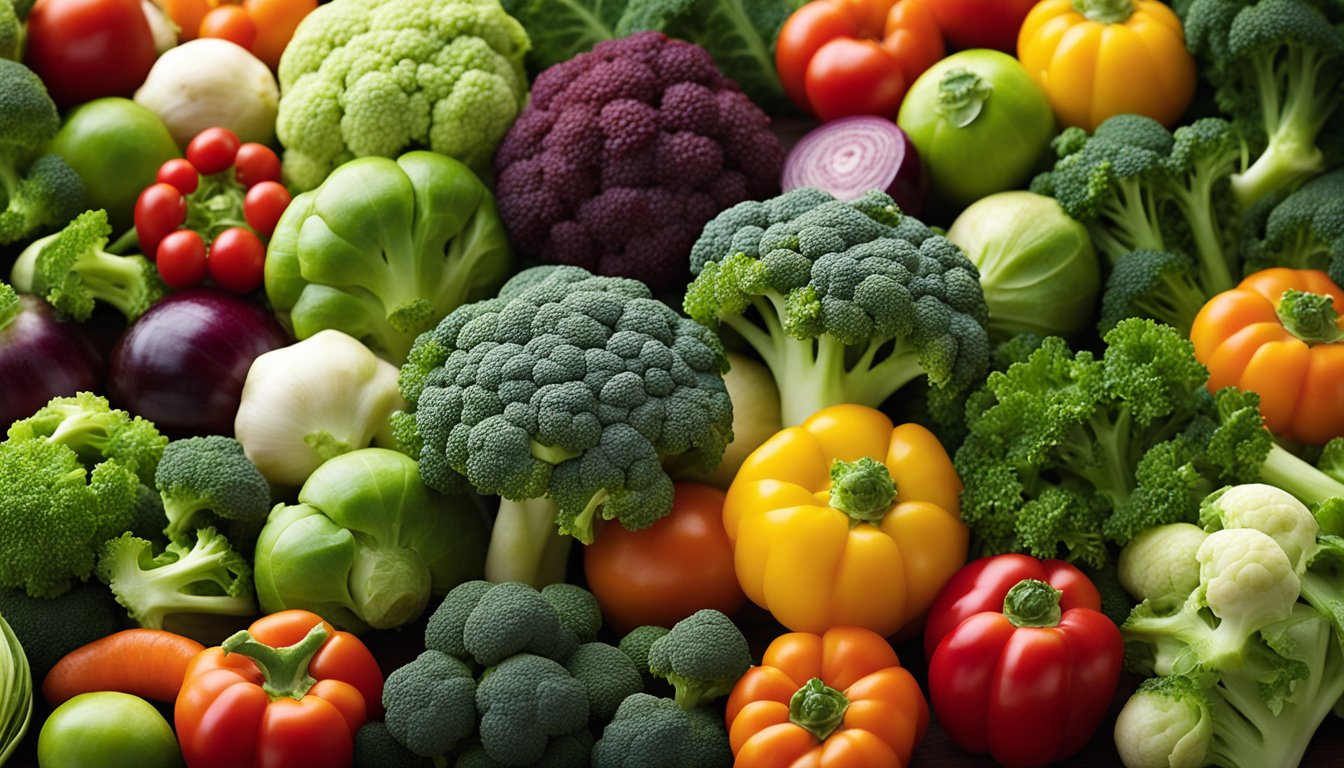
Indole-3-Carbinol (I3C), a compound derived from glucobrassicin in cruciferous vegetables, has been associated with several health benefits, particularly in reducing the risk of certain cancers and promoting your body’s hormonal balance and immune function.
Cancer Risk Reduction
Breast Cancer: Your risk of developing breast cancer may be influenced by I3C, as studies suggest it can modulate estrogen metabolism, potentially reducing breast cancer risk. The compound is thought to influence carcinogenesis through varying pathways, including apoptosis, the process of programmed cell death, and angiogenesis, the development of new blood vessels which tumors need to grow.
HPV-related Conditions: You might find I3C particularly interesting if you’re concerned about human papillomavirus (HPV)-related conditions. Supplements containing I3C have been linked to the treatment of vulvar intraepithelial neoplasia, a precancerous condition, and are being studied for their effects on cervical health.
Supporting Hormonal Balance
You might already know that hormones play a crucial role in your body. I3C supports hormonal balance by modulating estrogen levels, mainly through the aryl hydrocarbon receptor (AHR), which impacts estrogen metabolism. A balanced level of estrogens is key to reducing the risk of hormone-related malignancies.
Antioxidant Effects
As an antioxidant, I3C may assist in protecting your cells from oxidative stress, a process that can lead to chronic diseases. It contributes to your body’s defense mechanism against oxidative damage, which can lead to cellular dysfunctions and has been linked to various disease states including cancer.
Inflammation and Immunity
The anti-inflammatory properties of I3C are noteworthy; it may help regulate your body’s inflammation pathways, contributing to a healthy immune response. I3C’s role in immunity goes beyond just inflammation—it has been indicated to alter immune responses which can influence tumor development and other aspects of immune surveillance.
By incorporating I3C into your diet through consumption of cruciferous vegetables or in the form of a supplement, you’re potentially tapping into these various health benefits. Remember, while I3C can support your health in multiple ways, it’s essential to discuss its use with a healthcare provider, especially if you’re considering I3C supplementation.
Mechanisms of Action
Understanding the mechanisms of action of Indole-3-Carbinol (I3C) reveals its complex interaction with cellular pathways and its therapeutic potential in hormone regulation and anticarcinogenic processes.
Cellular Pathways
Indole-3-Carbinol influences signaling pathways that govern cell behavior. These pathways include those related to cell proliferation, differentiation, and apoptosis. Specifically, I3C has been shown to modify both the expression and activity of biotransformation enzymes, which are crucial for the metabolism and elimination of compounds including hormones, drugs, and toxins.
Anticarcinogenic Processes
In the context of anticarcinogenic processes, I3C affects multiple mechanisms that can impede cancer development. It has been observed to modify the signaling pathways that can potentially prevent oxidation, inflammation, and angiogenesis. This extends to affecting processes that control cellular events leading to cancer, providing an anti-estrogenic activity that can be particularly useful in fighting hormone-dependent cancers.
Hormone Regulation
The impact of I3C on hormone regulation, specifically estrogen metabolism, is significant. It promotes the conversion of estrogen to less potent forms, exhibiting strong anti-estrogenic activities. This modulation can influence gene expression linked to estrogen, possibly reducing the risk of hormone-related cancers. Your body’s hormonal balance benefits from this interference, as it alters the pathways estrogen follows, reducing the risk of excess estrogen contributing to cancer development.
Clinical Studies and Research

Indole-3-Carbinol (I3C), when converted to its biologically active compound, 3,3′-Diindolylmethane (DIM), has been studied for its potential as a chemopreventive agent. Your understanding of I3C’s impact on health can be enhanced by examining the array of clinical studies and research across various health conditions.
Cancer Research Findings
Ongoing research indicates that I3C may modify the way cancer cells grow and interact with their environments. In particular, studies by the Linus Pauling Institute underscore I3C’s effect on enzymes involved in metabolism and its anti-estrogenic activities which might lower cancer risk. Further research has delved into how I3C impedes tumor growth and affects tumor promoters, potentially by inhibiting the process of angiogenesis, which is crucial for tumor survival.
Systemic Effects and Autoimmunity
In the context of autoimmunity, I3C has drawn attention for its intriguing implications in systemic lupus erythematosus (SLE), a condition where your immune system attacks your own tissues. A clinical manifestation of SLE includes the development of a rash, which along with other symptoms, could be modulated by I3C as highlighted in research from the Linus Pauling Institute. This suggests a broader systemic effect of I3C on immune response and inflammation.
Other Health Conditions
I3C’s scope of influence extends beyond cancer and autoimmune diseases. For instance, it has been studied for its possible role in combating human papilloma virus infection-related diseases. Findings from these studies hint at I3C’s potential as a multifaceted agent capable of influencing various pathways that could alter disease progression in conditions not limited to cancer and SLE.
Health and Dietary Considerations

When considering the intake of Indole-3-Carbinol (I3C), a compound found in cruciferous vegetables, it is vital to understand how to incorporate it into your diet safely and effectively, taking into consideration factors like dosage, interactions with other nutrients, and situations that may require special precautions.
Recommended Intake and Sources
Your ideal I3C intake largely depends on individual health goals and current diet. Found most abundantly in cruciferous vegetables like broccoli, cabbage, and Brussels sprouts, a diet rich in these can provide beneficial amounts of I3C. However, specific dosaging recommendations should come from your healthcare provider to tailor to your unique needs. It’s important to note that there are no standard dosing guidelines established universally; thus, professional advice is crucial.
- Natural Sources: Include cruciferous vegetables in your diet several times per week to benefit from I3C naturally.
- Supplementation: If considering supplements, consult with your healthcare provider beforehand to ensure proper dosing.
Synergistic Nutrients and Interactions
Pairing I3C with certain nutrients may enhance its health-promoting effects. Vitamin C and Vitamin D are known to be supportive when taken with I3C due to their roles in immune function and hormone regulation.
- Vitamin C: Helps with the absorption of I3C and can provide an immune system boost.
- Vitamin D: Works with I3C to help modulate the levels and activity of steroid hormones.
Be cautious about potential interactions; I3C might affect the metabolism of medications changed by the liver. It’s important to discuss potential dietary changes with your healthcare provider, especially if you are on medication.
Precautions and Contraindications
Safety first: if you are pregnant, planning surgery, or have an existing health condition, it’s essential to seek medical advice before adding I3C into your regimen. In pregnancy, appropriate nutrition is crucial, and the effects of I3C are not well-studied in this group. It’s also important for children to get nutrients from a balanced diet due to their ongoing development.
- Before Surgery: Discontinue the use of I3C supplements at least two weeks before planned surgery to avoid any interference with bleeding or liver function.
- Underlying Health Conditions: Those with hormone-sensitive conditions should use caution with I3C, given its potential effect on steroid hormone levels.
In summary, while I3C can be a valuable addition to your diet for its potential health benefits, ensure you approach its use thoughtfully, backed by advice from healthcare professionals.