
Anxiety and depression are prevalent mental health issues that can significantly affect one’s quality of life. Rather than relying solely on medication, many people seek natural approaches to managing these conditions. These methods may include lifestyle modifications, dietary changes, and mind-body practices that aim to improve mental well-being without the use of pharmaceuticals. Natural and holistic therapies can often be integrated with conventional treatments to provide a more comprehensive approach to mental health.

Exploring natural remedies for anxiety and depression involves understanding the complex interplay between the mind, body, and environment. Stress reduction techniques such as mindfulness, yoga, and meditation have been shown to alleviate symptoms by fostering a sense of calm and present-moment awareness. Similarly, psychological approaches like cognitive-behavioral therapy can empower you to challenge and reframe negative thought patterns. It’s also essential to consider how biological factors, such as nutrition and sleep, contribute to mental health and how making informed changes can support recovery and resilience.
Key Takeaways
- Incorporating mind-body practices can help mitigate anxiety and depression symptoms.
- Cognitive-behavioral techniques allow for the restructuring of detrimental thought patterns.
- Addressing lifestyle factors like diet and sleep plays a crucial role in managing mental health.
Understanding Anxiety and Depression

Anxiety and depression are common mental health disorders that can have a profound impact on your daily life. They often coexist, meaning it’s possible to have both anxiety and depression at the same time.
Symptoms and Causes
Depression: You might feel a persistent sadness, loss of interest in activities, or experience changes in appetite and sleep patterns. The causes can include biological factors, neurotransmitter imbalances, and may be triggered by stressful life events.
- Key Symptoms:
- Pervasive low mood
- Diminished interest in activities
- Feelings of worthlessness or excessive guilt
- Changes in sleep and appetite
Anxiety: Symptoms include excessive worry, restlessness, and muscle tension. Disorders like generalized anxiety or panic disorder are characterized by intense anxiety or fear, and they might be caused by genetic predispositions, brain chemistry, or external stress factors.
- Key Symptoms:
- Ongoing, excessive worry
- Restlessness or agitation
- Muscle tension
- Panic attacks
Impact on Mental Health
Having either depression or an anxiety disorder can lead to a cycle of distress that compounds and worsens your mental health. Stress often acts as a catalyst, worsening symptoms and the overall experience of mental health disorders.
- Compounding Factors:
- Stress: Amplifies symptoms of both disorders.
- Co-Occurrence: Anxiety can lead to depression and vice versa.
- Social Isolation: May result from and contribute to these disorders.
- Physical Health: Both disorders can have a detrimental effect on your physical well-being.
Lifestyle and Environmental Factors

Managing anxiety and depression involves more than just medication or therapy. Your lifestyle and environment play a pivotal role in shaping your mental health. From the food you consume to the amount of sleep you get, each component impacts how you feel on a daily basis.
Diet and Nutrition
Nutrition is fundamental. Eating a balanced diet rich in vegetables, fruits, lean proteins, and whole grains can provide the necessary nutrients for brain health. Limiting sugar and refined carbohydrates can help stabilize your mood. Consider reducing your caffeine consumption as it can exacerbate anxiety symptoms.
Exercise and Physical Activity
Regular exercise can be as effective as medication for some people in reducing symptoms of anxiety and depression. It promotes the release of endorphins, which are natural mood lifters. Aim for at least 30 minutes of movement a day, which can include walking, cycling, or yoga.
Sleep and Rest
Getting enough sleep is crucial. Most adults need between 7 to 9 hours per night. Adequate rest can significantly improve your mood and reduce anxiety levels, while sleep deprivation can lead to increased stress and irritability.
Substance Use and Effects
Alcohol and smoking may seem like they offer temporary relief; however, they can lead to increased anxiety and depression. If you smoke, seek help to stop, and limit your alcohol intake. You’ll notice a positive shift in your overall well-being with these lifestyle changes.
Natural Remedies
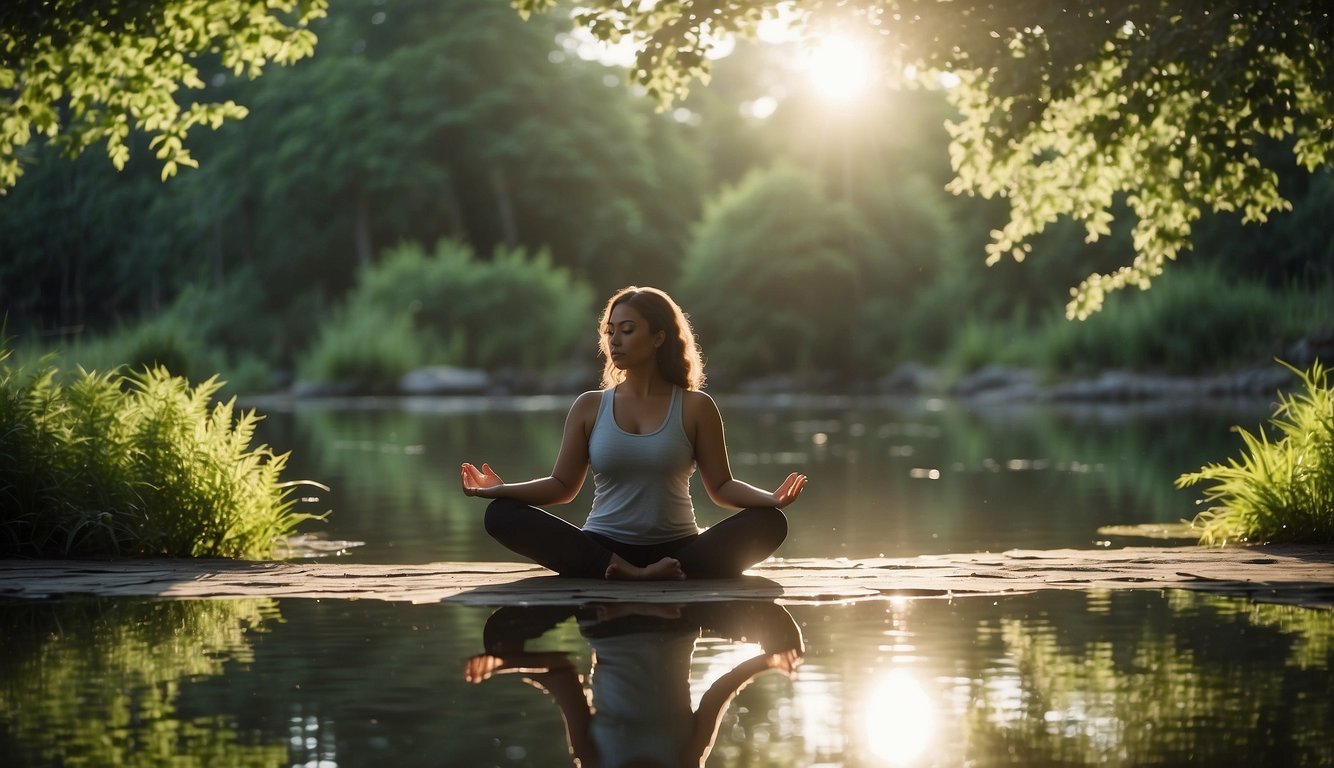
Exploring natural remedies offers you a variety of options to potentially reduce anxiety and depression. From nutrient-rich foods that support your mood to mindfulness practices that enhance mental wellness, you have many strategies to consider.
Herbs and Supplements
Herbs and Supplements may play a role in managing anxiety and depression. For instance, chamomile tea has long been valued for its calming properties. Taking omega-3 supplements, found naturally in fish, may support brain health and mood regulation. Melatonin can assist with sleep disturbances commonly associated with anxiety, while lavender oil is praised for its relaxation effects.
- Herbs: Chamomile, Lavender
- Supplements: Omega-3, Melatonin
Foods with Natural Benefits
Incorporating Foods with Natural Benefits into your diet can have a positive impact on your mental health. Certain fruits like berries are high in antioxidants, which can protect your brain from oxidative stress. Including vegetables such as spinach and asparagus, which are rich in folate, and mushrooms, known for their vitamin D content, may help improve mood. The consumption of dark chocolate in moderation can boost serotonin levels, and using olive oil in your meals can improve the overall quality of your diet, enhancing mood as a result.
- Fruits: Berries (antioxidants)
- Vegetables: Spinach (folate), Asparagus (folate), Mushrooms (vitamin D)
- Others: Dark Chocolate (serotonin), Olive Oil (diet quality)
Mindfulness and Meditation
Mindfulness and Meditation techniques are vital components of a natural approach to mental health. Regular meditation practice can lead to reduced stress and anxiety levels. Mindfulness encourages you to be present in the moment, which helps in recognizing and managing negative thought patterns. Integrating these practices into your daily routine can create a foundation for enduring mental well-being.
- Techniques: Meditation, Mindfulness Practice
Psychological Approaches

In tackling anxiety and depression, psychological therapies play a central role. These approaches can empower you to modify thought patterns, adopt new coping mechanisms, and engage in behaviors that contribute to improved mental health.
Cognitive Behavioral Therapy
Cognitive Behavioral Therapy (CBT) is a robust treatment that focuses on altering negative thought patterns that can exacerbate symptoms of anxiety and depression. By identifying and challenging these thoughts, you can learn to respond to them more constructively. CBT is especially beneficial in dealing with panic attacks, as it offers practical ways to control the physical symptoms and reduce the intensity of the attack. The therapy often includes homework assignments where you apply strategies in your day-to-day life, reinforcing positive changes and the release of endorphins, your body’s feel-good chemicals.
Alternative Therapies
Alongside traditional therapy, alternative therapies can also be beneficial:
- Mindfulness and Yoga: These practices encourage you to focus on the present moment, which can help increase your awareness and control over your physiological response to stress. Engaging in yoga stimulates the release of dopamine and endorphins, providing a natural boost to your mood.
- Hypnosis: Often misunderstood, hypnosis can be an effective therapeutic tool for anxiety and depression, helping you to reach a state of deep relaxation and suggestibility to change negative patterns.
- Acupuncture: This ancient practice is believed to have an influence on the body’s chemistry, adjusting levels of neurotransmitters such as epinephrine and endorphins to promote a sense of well-being.
Embracing these therapies can be a transformative step in managing your mental health. Each approach can offer unique benefits, and you may find that a combination of these therapies works best for you.
Biological Factors and Management

Your body’s biology plays a significant role in your mental health, particularly in anxiety and depression. The management of these conditions partly hinges on understanding and addressing biological factors such as neurotransmitter balance and immune system function.
Neurotransmitters and Hormones
Neurotransmitters are chemicals that facilitate communication between nerve cells in your nervous system. Serotonin and norepinephrine are two key neurotransmitters that are often linked with mood regulation. Low levels of serotonin are associated with depression, while norepinephrine affects both your mood and arousal. Balancing these chemicals through natural approaches can involve diet changes, exercising, and relaxation techniques, which may increase the natural production of these neurotransmitters.
The hormone cortisol is produced by your adrenal glands in response to stress; it’s often called the “stress hormone.” High cortisol levels over prolonged periods can impair your brain function and contribute to anxiety and depression. Managing stress through mindfulness, meditation, and adequate sleep can help maintain healthy cortisol levels.
Inflammation and Immune System
Recent studies suggest that inflammation in the body can affect your brain and play a role in the development of depression. The immune system, when triggered by stress or illness, can produce inflammatory cytokines that impact your nervous system and mood. By adopting an anti-inflammatory diet—rich in omega-3 fats and antioxidants—you can help reduce inflammation. Foods such as fatty fish, which contain eicosapentaenoic acid (EPA), may curb inflammation and support brain health.
Ensuring regular physical activity and maintaining a healthy gut microbiome are also pivotal in modulating your immune system and reducing inflammation. These lifestyle adjustments can contribute to a holistic approach to managing anxiety and depression, supporting your body’s natural defenses and promoting overall well-being.
Stress Reduction Techniques

In managing anxiety and depression, adopting effective stress reduction techniques can be vital for emotional well-being. These strategies include relaxation practices and time management, each with specific methods to alleviate stress.
Relaxation Practices
To combat stress, you should explore relaxation techniques that encourage a state of rest for your mind and body. Mindfulness is a solid starting point, where focusing on the present moment can help clear a racing mind. Initiating this practice can be as simple as finding a quiet place, sitting comfortably, and bringing your attention to your breath, surroundings, or a specific task at hand.
Another potent relaxation method is deep breathing. Techniques like diaphragmatic breathing involve taking slow, deep breaths to stimulate the body’s relaxation response. To practice, breathe in through your nose, allowing your diaphragm to expand, and then exhale slowly through your mouth.
Aromatherapy has been suggested to aid in relaxation, utilizing essential oils such as lavender or chamomile that can be inhaled or applied topically to invoke calmness.
Time Management Strategies
Effective time management can help you feel more in control of your life and less overwhelmed. Start by setting clear priorities and breaking your day into manageable tasks with a routine. A prioritized to-do list ensures that you focus on what matters most, reducing the stress of last-minute rushes.
Allowing time for regular breaks is crucial. Short pauses to distract yourself from work can rejuvenate your mind. Consider stepping away from your desk, taking a walk, or engaging in a brief meditation session.
Remember, integrating these practices into your daily life can assist in reducing stress, and as a result, may alleviate symptoms of anxiety and depression.
Integrative Health Approaches

In pursuing relief from anxiety and depression, you may find that integrative health approaches combine traditional Western medical practices with alternative therapies. This collaborative treatment model often involves a range of health professionals and aims to address both mind and body wellness.
Acupuncture and Eastern Medicine
Acupuncture, a key component of Eastern medicine, has been researched for its potential to alleviate symptoms of anxiety and depression. During an acupuncture session, trained professionals insert thin needles into specific points on your body, aiming to restore balance and promote mental health. There is an increasing body of evidence suggesting that these practices can improve psychological well-being.
Holistic and Naturopathic Care
Holistic care emphasizes the connection between the mind, body, and spirit, considering all aspects of your lifestyle in the treatment plan. Naturopathic care, on the other hand, often focuses on natural remedies and preventive techniques to treat symptoms. This may include dietary changes, supplements like NAC (N-acetylcysteine), and lifestyle modifications tailored to enhance your overall well-being. By consulting with health professionals who specialize in holistic therapies, you can embark on a comprehensive treatment journey that aligns with your personal health philosophy.
Preventative Strategies

In the pursuit of managing anxiety and depression, proactive prevention is as crucial as treatment. Discovering methods to fortify mental health and address potential crises before they escalate is essential for long-term well-being.
Promoting Long-Term Mental Health
To bolster your mental health for the long haul, establishing a routine is fundamental. Routines can provide structure and predictability which, in turn, can reduce stress levels. Incorporating a balanced diet rich in antioxidants and amino acids can support your brain health. Vitamin B12, for instance, is vital for nerve function and can be found in fortified foods, making it accessible to those following a vegan diet.
Regular physical activity plays a critical role as well, as it has been shown to decrease cortisol levels, often referred to as the “stress hormone.” Adopting techniques such as deep-breathing exercises or yoga can further assist in managing stress and maintaining lower blood pressure.
Avoiding Triggers and Managing Crises
Understanding and avoiding personal triggers can fend off anxiety and depressive episodes. Substances like nicotine can act as stimulants that exacerbate anxiety; reducing intake or quitting smoking can markedly improve your mental health state.
During moments of high stress or an emerging crisis, it’s important to have a strategy in place. You might consider natural sedative methods, such as the use of certain herbal teas, to provide temporary relief. Nonetheless, it’s encouraged to seek professional help if your usual strategies are insufficient in managing a crisis.
Frequently Asked Questions
In this section, you’ll find straightforward answers to common questions about natural ways to manage anxiety and depression, based on reliable approaches and recommendations from experts in the field.
What are effective natural remedies for reducing symptoms of anxiety?
Regular physical activity can serve as a powerful natural remedy for anxiety. Techniques such as deep breathing, meditation, and yoga have also been shown to reduce anxiety symptoms.
Can diet alterations have a positive impact on managing depression?
Yes, incorporating certain nutrients into your diet, such as omega-3 fatty acids found in cold-water fish, can be beneficial. Moreover, maintaining a balanced diet with plenty of fruits, vegetables, and whole grains supports overall brain health, which is crucial in managing depression.
What role does physical exercise play in mitigating anxiety and depression?
Engaging in regular exercise releases endorphins, which are chemicals in the brain that act as natural painkillers. It also improves your ability to sleep, which can be adversely affected by both anxiety and depression, thus improving mood and health.
Are there specific mindfulness practices that help ease generalized anxiety disorder symptoms?
Practices such as mindfulness meditation and progressive muscle relaxation can help lower stress levels and alleviate anxiety. Mindfulness helps by allowing you to observe your thoughts without judgment and anchor yourself in the present moment.
What types of herbal supplements are considered helpful for anxiety and mood disorders?
Herbal supplements like St. John’s Wort and Valerian Root may have beneficial effects on mood and anxiety. However, it’s important to consult with a healthcare provider before using them, as they can interact with medications and may not be suitable for everyone.
How does proper sleep hygiene influence emotional wellbeing and stress levels?
Consistent and high-quality sleep is fundamental to emotional wellbeing. Good sleep hygiene, which includes maintaining a regular sleep schedule and creating a calming bedtime routine, can greatly reduce stress levels and improve your mood, contributing to better emotional health.