
Fats are a crucial component of a healthy diet, yet they are often misunderstood. The narrative around fats has shifted over time, and now the focus is less about eliminating fats altogether and more about understanding the different types of fats and their effects on the body. Dietary fats are essential for energy, nutrient absorption, and are vital for maintaining healthy cells and body functions. However, not all fats are created equal, and knowing which fats to consume and which to limit can significantly impact your health.
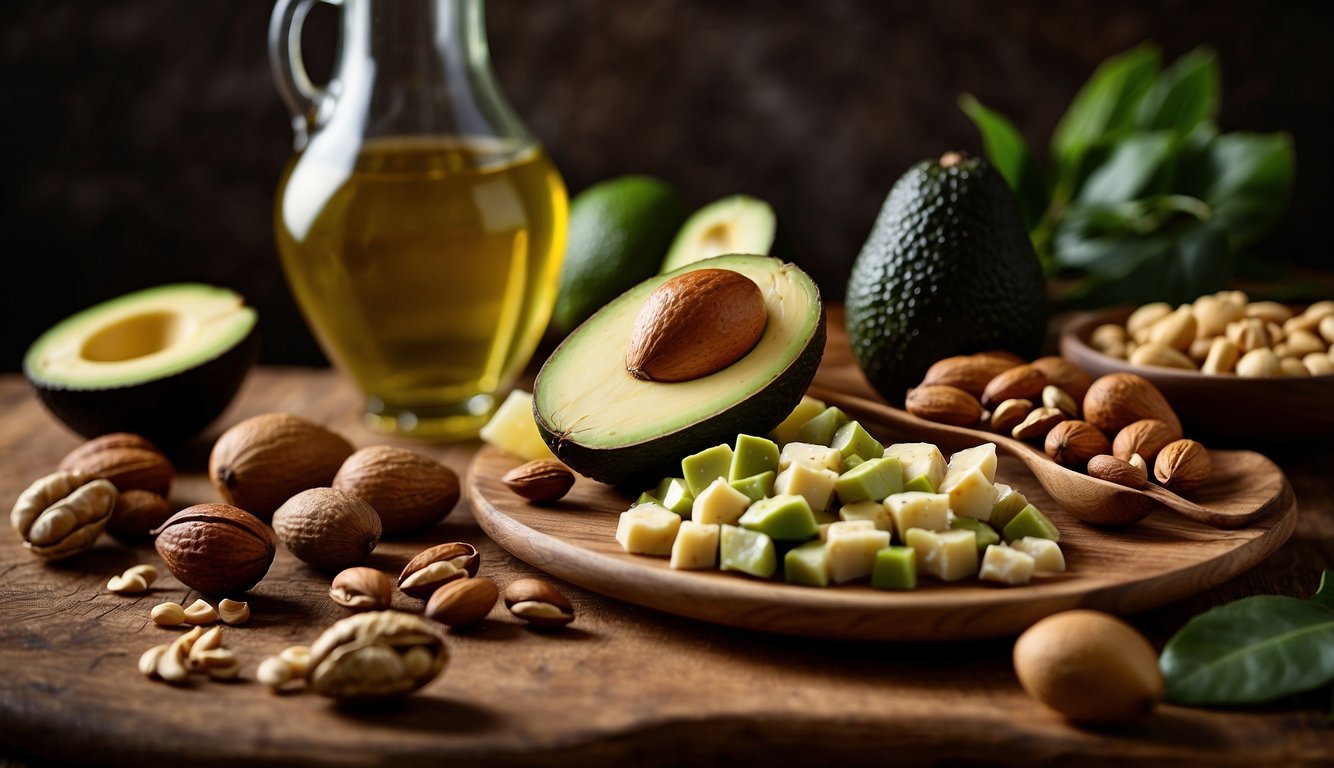
Identifying healthy fats and incorporating them into your meals can provide long-term benefits for your heart, brain, and overall well-being. Conversely, an overabundance of unhealthy fats in your diet can raise the risk of heart disease, stroke, and other health issues. Reading nutrition labels and understanding terms like saturated, unsaturated, and trans fats are key to making informed dietary decisions. Balancing the fats in your diet doesn’t require drastic measures, but simply making mindful choices and understanding the role that different fats play in your health.
Key Takeaways
- Fats are essential for health, but understanding the different types can influence well-being.
- Incorporate healthy fats into your diet while limiting unhealthy ones to maintain balance.
- Read nutrition labels and make informed choices to manage fat consumption effectively.
Understanding Fats
Fats play a crucial role in your health, providing energy and supporting cell growth. Different types of fats can have varying effects on your body, which it’s essential to understand for maintaining a balanced diet.
Different Types of Fats
Saturated Fat: You find these fats in animal products like meat and dairy. They are typically solid at room temperature. While your body needs some saturated fat for certain functions, too much can lead to health issues such as increased cholesterol levels which may increase the risk of heart disease.
Unsaturated Fat: These are found in plant foods and fish, and are liquid at room temperature. They are split into two categories: monounsaturated (e.g., olive oil, avocados) and polyunsaturated (e.g., sunflower oil, walnuts). These fats can help improve blood cholesterol levels, thus potentially reducing the risk of heart disease.
Trans Fat: This type of fat occurs naturally in some foods in small amounts, but is mainly made from oils through a food processing method called partial hydrogenation. Trans fats can increase unhealthy LDL cholesterol and lower healthy HDL cholesterol, potentially leading to cardiovascular disease. You’ll find trans fats in many processed foods; therefore, it’s advised to limit their intake.
Role in the Body
Fats are a key source of energy and are necessary for absorbing vitamins A, D, E, and K. They help cushion your organs and are needed to build cell membranes. Here is a brief overview of how your body uses the different kinds of fats:
-
Saturated and Trans Fats: These can be detrimental when consumed in excess, so it’s best to moderate your intake. Aim to keep these fats to a minimum within your dietary pattern to support your overall health.
-
Unsaturated Fats: These fats are typically beneficial and should be included in your diet in place of saturated and trans fats when possible. Incorporating foods with monounsaturated and polyunsaturated fats can support heart health and overall well-being.
The Impact of Fats on Health

Fats play a complex role in your health, influencing your risk of heart disease, stroke, and affecting your cholesterol levels and body weight.
Heart Disease and Stroke
Consuming too much saturated fat can increase the risk of developing heart disease and having a stroke. Saturated fats are found in animal products like meat and dairy. In contrast, unsaturated fats found in foods such as olive oil and fatty fish may help reduce this risk by improving blood cholesterol levels.
Cholesterol Levels
Your body needs some cholesterol to function, but too much of it in your blood can lead to heart disease and stroke. Saturated and trans fats tend to raise your low-density lipoprotein (LDL), known as “bad” cholesterol, whereas unsaturated fats can help to increase the high-density lipoprotein (HDL), or “good” cholesterol, thus providing a protective effect against cardiovascular issues.
Weight and Obesity
Dietary fats are calorie-dense, which means they can contribute to obesity if consumed in large amounts. However, your body does need some dietary fat for energy and to support cell function. Balancing different types of fats and monitoring portion sizes is crucial in maintaining a healthy weight.
Healthy Fats and Where to Find Them

Healthy fats are essential for your body’s function and they come in various forms. Knowing which fats benefit your health and where to find them can enhance your diet and wellbeing.
Monounsaturated Fats
Monounsaturated fats can improve your heart health by maintaining healthy cholesterol levels. They are found in high concentrations in olive oil, which is perfect for salad dressings or cooking. Avocados are another excellent source, easily incorporated into meals or enjoyed as a nutritious snack.
Polyunsaturated Fats
Polyunsaturated fats include omega-6 and omega-3 fatty acids, which are crucial for brain function and cell growth. Walnuts and some seeds, such as flaxseeds, are rich in these fats. Additionally, oils from safflower and sunflower provide a wholesome option for cooking at home.
Omega-3 Fatty Acids
Omega-3 fatty acids are known for their anti-inflammatory properties and their role in heart health. Fish such as salmon, mackerel, and sardines are packed with these beneficial fats. For those who don’t eat fish, walnuts and flaxseeds are plant-based alternatives that can help you meet your omega-3 requirements.
Fats to Limit or Avoid
In your diet, paying attention to the type of fats you consume can significantly impact your health. Some fats, especially saturated fats and trans fats, can raise your risk of heart disease and are best consumed in limited amounts or avoided altogether.

Saturated Fats in Animal Products
Saturated fats are predominant in animal products and should be consumed sparingly. These fats can raise your LDL (“bad”) cholesterol levels, increasing the risk of heart disease. You’ll find saturated fats in foods such as:
- Red meats: beef, lamb, pork
- Full-fat dairy products: cheese, butter, cream
- Poultry skin
To manage your intake, choose lean meat cuts, opt for low-fat or fat-free dairy products, and remove skin from poultry.
Trans Fats and Hydrogenation
Trans fats are mostly artificial fats created through a process called hydrogenation. This process transforms liquid oil into partially hydrogenated oil which is solid at room temperature, extending the shelf life of certain foods. However, trans fats have been linked to an increased risk of heart disease as they can raise LDL cholesterol and lower HDL (“good”) cholesterol. Common sources include:
- Fried foods
- Baked goods: pastries, cookies, pizzas
- Snack foods: crackers, microwave popcorn
To reduce trans fat intake, check food labels and avoid products listing “partially hydrogenated oil” as an ingredient.
Reading Nutrition Labels

When you’re scanning a nutrition label, your goal is to assess the product’s nutrient content and understand how it fits into your diet. By mastering the Nutrition Facts Panel and identifying hidden fats, you can make healthier choices.
Understanding the Nutrition Facts Panel
Nutrition Facts Panel – the gateway to dietary awareness – is prominently displayed on packaged foods. To interpret this label efficiently, focus on the serving size and calories per serving; these numbers are vital for gauging consumption. Also, examine the % Daily Value (%DV), which indicates how much a nutrient in a serving contributes to a daily diet, based on a 2,000-calorie guideline. For a nutrient-dense snack, seek items with:
- Low %DV of saturated fats, trans fats, cholesterol, and sodium
- High %DV of dietary fiber, vitamin D, calcium, iron, and potassium
You’ll find the nutrients broken down in a table format, listing each amount per serving alongside the %DV, aiding in quick cross-comparison of different products.
Identifying Hidden Fats
The ingredients list unveils the types of fats within. Unearth hidden fats by looking for terms such as hydrogenated oils, partially hydrogenated oils, and words ending in -stearate or -oleate. These are often signs of saturated and trans fats, types to limit for better heart health. Mono and polyunsaturated fats, found in products like olive oil and fish, can be beneficial when consumed in moderation.
Remember, the ingredients list is in descending order by weight; if fats are listed early, they’re present in larger quantities. With knowledge of these labels, you’re better equipped to navigate the fats in your foods with confidence and precision.
Balancing Fats in Your Diet

When adjusting your fat consumption, consider both your age and the types of fats you’re ingesting. A balance of healthy fats is vital for maintaining energy and supporting cellular function without consuming excess calories.
Adjusting Fat Intake with Age
As you age, your metabolism tends to slow down, meaning you may need fewer calories to maintain your current weight. However, this doesn’t necessarily mean a dramatic reduction in dietary fats. In fact, healthy fats are essential for brain health, hormonal balance, and the absorption of fat-soluble vitamins. The key is to monitor the amount of fats in your diet relative to your total calorie intake and make adjustments to avoid excess calorie consumption that can lead to weight gain.
- Under 30: Active lifestyles may require more calories, including healthy fats.
- 30-50: Be mindful of gradual metabolic changes and adjust fat intake as needed.
- Over 50: Pay close attention to heart health with a focus on monounsaturated and polyunsaturated fats.
Incorporating Healthy Fats
Healthy fats, like those found in avocados, nuts, and olive oil, can be beneficial to your diet. These fats contribute not only to satiety and flavor but also to nutrient absorption and overall health.
- Monounsaturated Fats: Include options like olive oil and nuts to support heart health.
- Polyunsaturated Fats: Seek out fatty fish and seeds for omega-3 fatty acids.
- Saturated Fats: Use in moderation. Sources include red meat and dairy products.
Ideally, try to replace saturated fats with healthier ones rather than adding extra fat to your diet.
Practical Tips for Healthier Eating
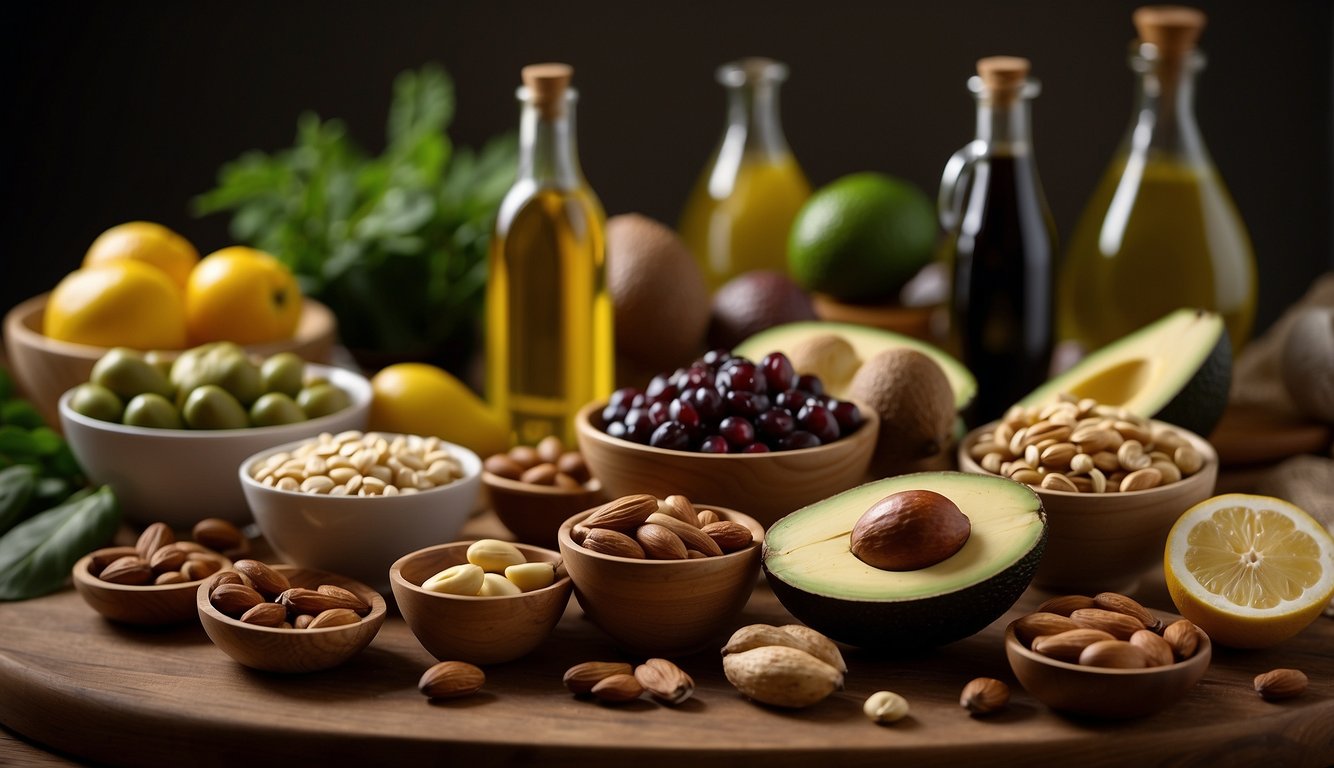
Incorporating healthier choices into your diet can be straightforward with the right strategies, particularly when it comes to cooking at home or selecting options while dining out. Maintaining a food diary helps in tracking your progress and understanding your dietary habits. Let’s explore how you can apply these practices to reduce daily calories and potentially lower cholesterol.
Cooking and Dining Out
When cooking, opt for heart-friendly oils like olive oil and incorporate a variety of fish that are high in omega-3 fatty acids. Preparing meals at home allows you to control ingredients and cooking methods, making it easier to focus on low-cholesterol recipes.
- Grill or Bake: These cooking methods do not require excess fat and preserve the flavor of your food.
- Herbs and Spices: Use these for flavor instead of high-fat sauces or excessive salt.
When eating out at a restaurant, make informed choices:
- Appetizers: Choose salads with dressing on the side or broth-based soups.
- Mains: Look for dishes that are steamed, grilled, or baked.
- Ask: Request modifications if necessary, like no added butter or sauces on the side.
Creating a Food Diary
A food diary is a powerful tool to maintain awareness of your eating patterns. To effectively use it:
- Record everything you eat and drink immediately.
- Note the portion sizes to accurately calculate daily calories.
- Include details like the time of day and your emotions to identify triggers for eating.
Lastly, review your diary regularly to spot areas for improvement and celebrate successes in your journey towards healthier eating.
The Role of Lifestyle in Fat Consumption

Your daily lifestyle choices, including diet and exercise, play a crucial role in the types of fats you consume and how your body processes them. A sedentary lifestyle with minimal physical activity can lead to an imbalance in calorie intake and energy expenditure, making it easier to consume more saturated and trans fats which are commonly found in processed foods.
Food Choices
Making informed food choices is essential. Aim for foods high in unsaturated fats, like:
- Nuts and seeds
- Avocado
- Olive oil
On the other hand, limit your intake of high-saturated-fat foods, such as:
- Fatty cuts of meat
- Full-fat dairy products
By opting for lean proteins and plant-based fat sources, you maintain a diet conducive to optimal health.
Physical Activity
Regular exercise can help balance your energy levels and manage weight. It can also impact how your body metabolizes fats. For example, after a strength workout, your body may utilize fats differently compared to after a cardio session.
Gender Differences
Research indicates differences in fat metabolism between sexes. Typically, men and women store fat differently due to hormonal variations. Understanding your own body’s needs can guide you towards better eating and exercise habits.
Incorporating a balance of healthy eating and regular physical activity into your lifestyle can drastically affect your body’s ability to manage fat consumption effectively. Remember, the choices you make every day contribute to your overall fat intake and health.
Frequently Asked Questions
In this section, you will find detailed answers to common inquiries regarding the impact of dietary fats on health, particularly focusing on cholesterol levels, weight management, and saturated fat intake recommendations.
What are the health implications of consuming saturated fats in relation to cholesterol levels?
Saturated fats can raise your low-density lipoprotein (LDL) cholesterol, which is often referred to as bad cholesterol. High LDL cholesterol levels are associated with an increased risk of heart disease and stroke. For maintaining optimal heart health, it’s important to understand the specifics of saturated fats.
Can the intake of calories from fat influence weight gain more significantly than total calorie intake?
Weight gain occurs when you consume more calories than your body burns, regardless of the source. However, fats are more calorie-dense, which means they provide more calories per gram compared to proteins and carbohydrates. Therefore, caloric intake from fats should be monitored as part of your total caloric intake.
What is the recommended daily limit of saturated fat for individuals with high cholesterol?
For individuals with high cholesterol, it’s generally recommended to limit saturated fat intake to less than 7% of total daily calories. This can help to reduce LDL cholesterol levels and aid in heart disease prevention.
How does the cessation of saturated fat consumption affect the body?
Reducing or completely stopping the intake of saturated fats can lead to a decrease in LDL cholesterol levels. This change can have a beneficial effect on your overall cardiovascular health.
Which types of dietary fats are considered the least healthy, and why?
Trans fats are the least healthy because they not only raise LDL cholesterol but also lower high-density lipoprotein (HDL), known as good cholesterol. This dual effect significantly elevates the risk of heart diseases. Trans fats are often found in processed foods, and limiting their intake is crucial for maintaining heart health.
Is coconut oil considered a healthy option for individuals managing high cholesterol?
Coconut oil is high in saturated fat, which can raise LDL cholesterol. However, it also contains certain types of medium-chain triglycerides that may have health benefits. The impact of coconut oil on cholesterol levels can vary, so it’s recommended to use it in moderation and keep your healthcare provider informed about your dietary choices.