
Trans fats are a type of dietary fat that, unlike saturated and unsaturated fats, have a distinct configuration in their chemical structure. This structure arises during an industrial process called hydrogenation, which turns liquid oils into solid fats by adding hydrogen atoms. Trans fats are often found in processed foods because they are inexpensive to produce, have a long shelf life, and add a desirable taste and texture.

However, research has consistently shown that trans fats can be harmful to your health. They are known to increase levels of “bad” LDL cholesterol while decreasing “good” HDL cholesterol, which can contribute to the buildup of plaques in your arteries and lead to heart disease. Recognizing their risks, many health authorities worldwide have taken steps to reduce or eliminate these fats from the food supply. Consumers are also encouraged to read food labels carefully to manage their intake of trans fats.
Key Takeaways
- Trans fats can negatively affect cholesterol levels, increasing the risk of heart disease.
- They are artificially created through hydrogenation and are prevalent in processed foods.
- Health guidelines advise limiting trans fat consumption, leading to regulatory efforts to control their presence in food products.
Chemical Properties and Types

In this section, you’ll gain an understanding of the fundamental differences between trans fats and saturated fats, and the hydrogenation process that creates trans fats from unsaturated ones.
Trans Fats vs. Saturated Fats
Trans fats are a type of unsaturated fat with at least one trans double bond in their chemical structure, unlike saturated fats that have no double bonds, making them solid at room temperature. Your intake of trans fats should be minimized as they can increase low-density lipoprotein (LDL) cholesterol, often referred to as ‘bad’ cholesterol. Foods containing partially hydrogenated oils are the main source of trans fats. On the other hand, monounsaturated fats and polyunsaturated fats are more beneficial to your health, as they can help to reduce bad cholesterol levels.
Hydrogenation Process
The hydrogenation process involves adding hydrogen to unsaturated fats, resulting in hydrogenated oils. This process can either be partial or complete, leading to the creation of partially hydrogenated oil, which tends to contain trans fats. The partial hydrogenation of vegetable oils creates a semi-solid form, which is often used in various food products to extend shelf life, enhance texture, and maintain flavor stability. However, it’s important to read food labels carefully, as trans fats are associated with an increased risk of cardiovascular disease.
Health Impacts

Trans fats carry significant health risks, particularly in relation to heart disease, cholesterol imbalance, and diabetes. Their consumption can lead to increased LDL cholesterol, lowered HDL cholesterol, and a heightened risk of developing various chronic diseases.
Cardiovascular Risks
Consuming trans fats can lead to an increased risk of heart disease. This is because trans fats contribute to inflammation, a risk factor for heart disease, by triggering the production of inflammatory markers. Studies have shown that trans fats are associated with an increased likelihood of heart attacks and strokes.
Cholesterol and Trans Fats
Your body’s cholesterol levels are significantly impacted by trans fats. These fats increase LDL cholesterol, commonly referred to as ‘bad’ cholesterol, which can lead to blockages in your arteries. At the same time, they reduce HDL cholesterol or ‘good’ cholesterol, which normally helps to clear cholesterol from your bloodstream, thereby protecting against heart disease.
Trans Fats and Diabetes
The relationship between trans fats and type 2 diabetes is concerning. Regular consumption of trans fats can not only induce obesity, a major risk factor for diabetes, but also directly increase your diabetes risk. Research indicates that trans fats impair insulin sensitivity, thereby raising the likelihood of developing type 2 diabetes.
Sources of Trans Fats

Trans fats appear in various foods, from those created through industrial processes to those that occur naturally. You can find them in various forms and it’s important to know the main sources to make informed dietary choices.
Industrial Production
Industrially produced trans fats primarily arise from partially hydrogenated oils (PHOs), once commonly used in processed foods and margarine. While many countries, including the United States, have taken measures to reduce or ban PHOs due to health risks, they may still linger in some products. For example, you will encounter trans fats in fried foods like donuts or in baked goods such as cakes and biscuits. Even after regulatory changes, vigilance is necessary since traces of trans fats can appear in items like frozen pizza, cookies, and crackers.
Natural Occurrences
Natural trans fats differ from industrial ones. They occur in meat and dairy products from ruminant animals like cows and sheep. Butter, for instance, contains a small percentage of naturally occurring trans fats. These fats are also present in meat, though recent studies suggest that natural trans fats may not pose the same risk as their industrial counterparts. However, while natural trans fats are found in everyday dairy and meat products, their levels are typically much lower than those found in processed foods prior to regulation changes.
Regulatory Actions and Guidelines

Regulatory bodies have taken significant measures to limit the presence of trans fats in your food, primarily through bans and labeling requirements. These actions aim to protect your health by reducing the consumption of these harmful fats.
Banning Trans Fats
The U.S. Food and Drug Administration (FDA) implemented a major policy when it banned the use of partially hydrogenated oils, the primary source of artificial trans fats, considering them not Generally Recognized as Safe for consumption. This ban was enforced after extensive research linked trans fats to increased heart disease risk. The FDA’s decision to prohibit these oils has led to a fundamental change in the way food is produced and what is permitted on your grocery store shelves.
Labeling Requirements
In addition to the ban, the FDA has mandated strict labeling regulations for trans fats. The Nutrition Facts label on packaged foods must now disclose the amount of trans fats, giving you the ability to make informed decisions about the food you consume. These food labels are a critical step in transparency, allowing you to identify and avoid products that may adversely affect your health. The FDA’s commitment to labeling reforms ensures that you are well-informed about the content of your food.
Trans Fat Alternatives

When considering the health implications of trans fats, you have options for healthier fats that can be used as alternatives. Additionally, product reformulation offers ways to enjoy your favorite foods without the risks associated with trans fats.
Healthier Fats
For a direct substitution in cooking and baking, you can replace trans fats with a variety of healthier fats.
- Vegetable Oils: Unhydrogenated vegetable oils like canola oil and sunflower oil are liquid at room temperature and are better for heart health.
- Olive Oil: Known for its health benefits, olive oil, particularly extra-virgin, is beneficial for your cholesterol levels and overall heart health.
Using these options not only improves your diet but also contributes positively to your cardiovascular well-being.
Reformulating Products
Reformulation of products is a critical step manufacturers can take to reduce or eliminate trans fats.
-
Replace: Identify trans fat sources in products and systematically replace them with healthier fats without compromising taste or texture.
-
Reformulation: Ongoing reformulation efforts are essential for creating products that are both enjoyable and less detrimental to your health.
By choosing products that have been reformulated to remove trans fats, you support your health and encourage industry-wide change.
Trans Fats in Global Context

In this section, you’ll learn about the global transcending efforts against trans fats, highlighting the significant moves by influential entities, including policy implementations and their real-world impacts.
International Policies
World Health Organization (WHO): The WHO has taken a stern stance against industrially-produced trans fats, targeting their complete elimination from the global food supply by 2023. This initiative is part of their strategic plan, emphasizing the necessity for coordinated global action.
-
Denmark: A trailblazer in this aspect, Denmark was the first country to impose strict regulations on trans fats in food, demonstrating a pioneering approach and setting an example for others to follow.
-
New York City: Emphasizing public health, New York City has also implemented a ban on trans fats in restaurant food, influencing other cities to consider similar health-forward policies.
Key Organizations: The American Heart Association supports these measures, advocating for reduced trans fat consumption to improve heart health.
Case Studies: Trans Fat Reduction
-
Denmark’s Success Story: The trans fat content limit in foods was effectively enforced in Denmark, leading to substantial reductions in cardiovascular-related deaths, showcasing the potential health benefits of such policies.
-
New York City’s Approach: Your examination of New York City’s trans fat ban can reveal measurable improvements in public health outcomes, reinforcing the argument for worldwide policy change.
Observation: By observing these case studies, you can appreciate the decisiveness and effectiveness of stringent trans fat policies and their positive impact on population health.
Understanding Food Labels
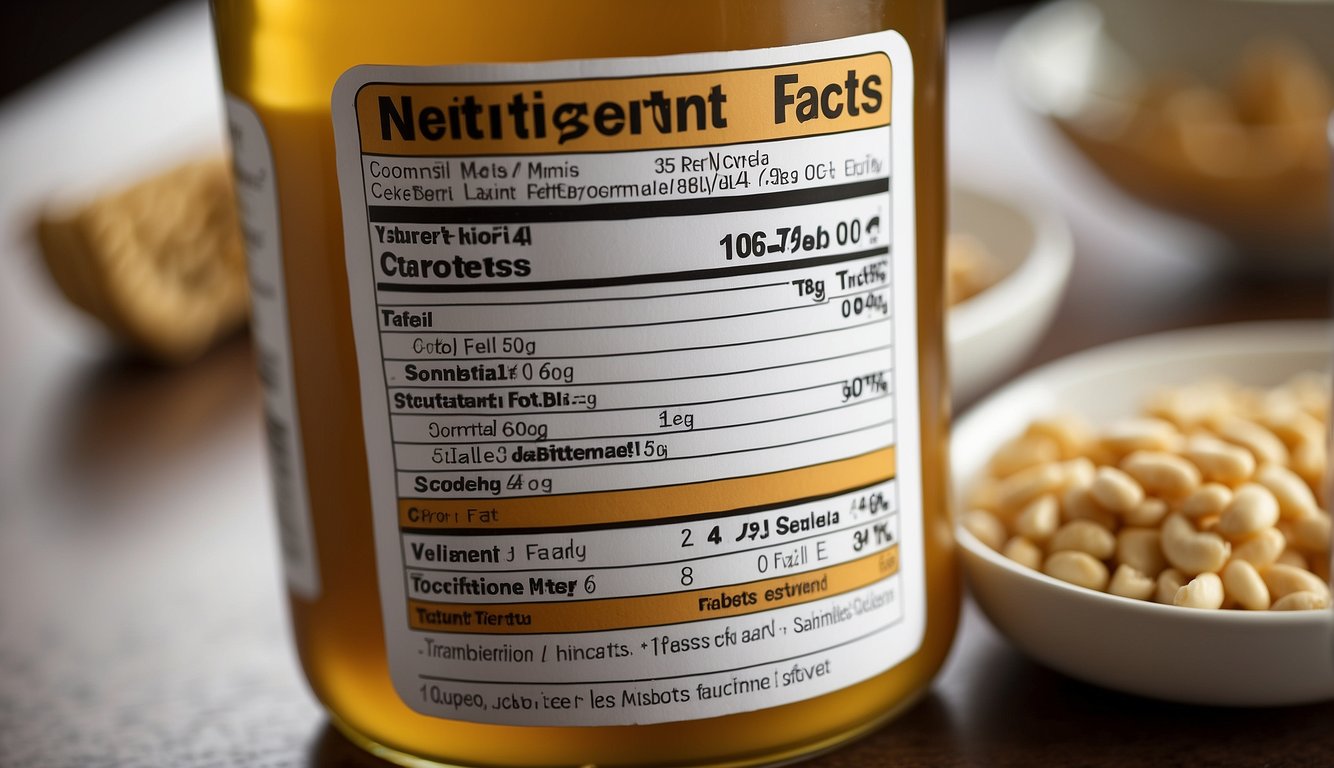
When you’re navigating food choices, understanding labels is crucial for identifying nutritional content and harmful ingredients. Specifically, distinguishing trans fats requires a careful examination of both the Nutrition Facts panel and the ingredients list.
Nutrition Facts
The Nutrition Facts panel on your food packaging is a tool that reveals important information about the nutritional value of the food item. Pay attention to two key areas: ‘Serving Size’ and ‘Trans Fat’ content. The ‘Serving Size’ indicates how much of the food is considered a single serving, which is essential for accurately assessing the trans fat content. Even when the panel lists “0g trans fat,” be wary — if you consume multiple servings, you could be ingesting more trans fat than you realize.
Identifying Trans Fats in Ingredients
While examining the ingredients list, look for terms like “partially hydrogenated oils” — a major indicator of trans fats. Foods can list 0g of trans fat if they contain less than 0.5 grams per serving, but these partially hydrogenated oils mean there is still some trans fat present. If you’re looking at menus or without nutrition labels, it can be harder to spot trans fats. Be cautious with fried foods, baked goods, and other items that tend to contain these harmful fats.
Frequently Asked Questions

In this section, you’ll find clear answers to common questions about trans fats, including their sources, health effects, and how to avoid them in your diet.
What types of foods are commonly high in trans fats?
Trans fats are often found in baked goods, such as pastries, pie crusts, and biscuits, along with fried foods like doughnuts and French fries. Additionally, some margarines, refrigerator dough products, and non-dairy coffee creamers may contain trans fats.
How do trans fats compare to saturated fats in terms of health impact?
Unlike saturated fats, which can raise bad cholesterol levels, trans fats both increase low-density lipoprotein (LDL or ‘bad’ cholesterol) and decrease high-density lipoprotein (HDL or ‘good’ cholesterol), thereby significantly impacting heart health more negatively than saturated fats.
What is the process for creating artificial trans fats in food production?
Artificial trans fats, or partially hydrogenated oils, are created through an industrial process that adds hydrogen to liquid vegetable oils to make them more solid. This process extends the shelf life of foods.
What are the most notable negative health effects associated with trans fats consumption?
Consuming trans fats is linked to higher risks of heart disease, stroke, and type 2 diabetes, as these fats contribute to inflammation and endothelial dysfunction in addition to unfavorably altering blood lipid levels.
Can you list alternative names for trans fats that might appear on ingredient labels?
On ingredient labels, trans fats may be listed as partially hydrogenated oils or hydrogenated oils. Sometimes, terms like “shortening” or “vegetable shortening” may also indicate the presence of trans fats.
What measures can individuals take to minimize their intake of trans fats?
To minimize trans fat intake, read nutrition labels carefully and avoid products with partially hydrogenated oils. Choose foods with unsaturated fats, cook with natural oils, and when eating out, inquire if the food contains trans fats.